Rabbit thumping—the sudden, forceful pounding of one or both hind legs against the ground—is one of the most distinctive behaviors these animals exhibit. To an unfamiliar owner, it can sound alarming, like a small drumbeat echoing through the floor. But what does it mean when your rabbit starts thumping? Is it a sign of danger, stress, or simply routine communication? Understanding this behavior is essential for any rabbit owner who wants to ensure their pet’s well-being and emotional comfort.
Thumping isn’t inherently negative. In fact, in many cases, it’s a completely normal form of expression. However, context matters. The frequency, intensity, and accompanying behaviors can help determine whether your rabbit is merely reacting to a noise or experiencing genuine distress. By learning the triggers, interpreting body language, and knowing when intervention is necessary, you can respond appropriately and foster a calmer, safer environment for your furry companion.
The Evolutionary Roots of Rabbit Thumping
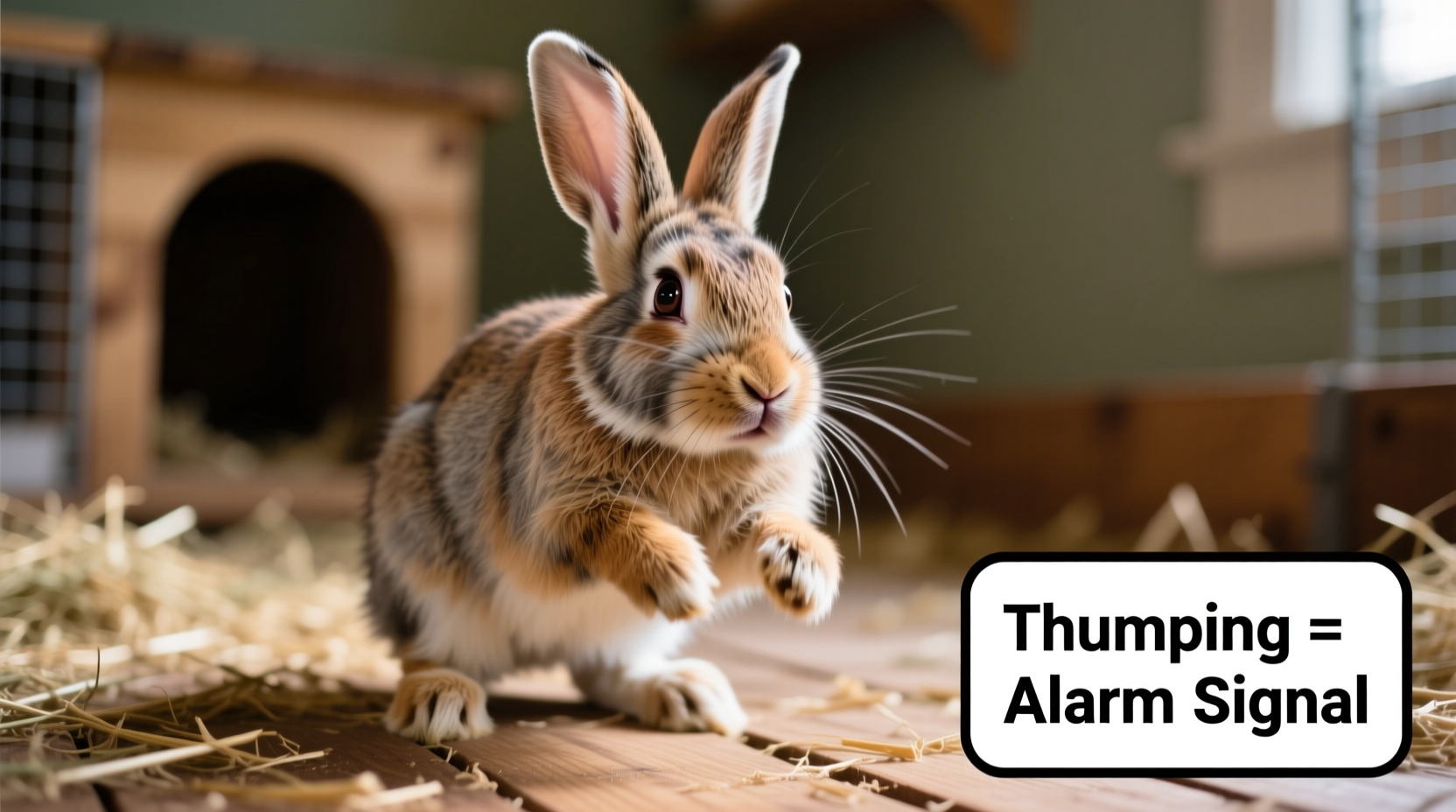
In the wild, rabbits are prey animals, constantly alert to potential threats. Their survival depends on vigilance, speed, and silent communication. Thumping evolved as a warning signal within social groups. When a wild rabbit senses danger—such as a predator nearby—it will thump its powerful hind legs to alert others in the warren. This low-frequency vibration travels through the ground, quickly spreading the alarm without drawing direct attention from predators through vocalization.
Domestic rabbits retain this instinctual behavior. Even though they live in safe homes, their biology hasn’t changed. A sudden noise, unfamiliar scent, or perceived threat can trigger the same response seen in their wild ancestors. This means that occasional thumping, especially in reaction to loud sounds or unexpected movements, is perfectly normal.
“Rabbits communicate primarily through body language, and thumping is one of their loudest non-vocal signals. It’s not aggression—it’s anxiety or alertness expressed physically.” — Dr. Helen Marley, Veterinary Ethologist
Common Triggers of Rabbit Thumping
Not all thumps indicate fear. While some stem from genuine alarm, others may result from milder stimuli. Recognizing the difference helps prevent overreaction while still respecting your rabbit’s sensitivity.
- Loud noises: Thunder, slamming doors, vacuum cleaners, or even loud music can startle a rabbit.
- Unfamiliar people or animals: Visitors, new pets, or even changes in household routines can cause temporary thumping.
- Sudden movements: Quick gestures near the cage or enclosure may mimic predator behavior.
- Changes in environment: Rearranging furniture, new scents (cleaning products), or construction work can unsettle them.
- Discomfort or pain: Persistent or repetitive thumping, especially when combined with hunched posture or reduced activity, may signal illness.
- Attention-seeking: Some rabbits learn that thumping gets a response and may use it manipulatively, similar to a dog barking for food.
When Thumping Is Normal vs. When to Be Concerned
Occasional thumping in response to startling events is expected. However, frequent, prolonged, or unexplained thumping warrants closer inspection. The key lies in pattern recognition and behavioral context.
For example, a single thump after a loud noise that resolves within seconds is likely normal. But if your rabbit thumps repeatedly throughout the day—even in quiet moments—or appears agitated without an obvious trigger, it may point to underlying issues such as chronic stress, pain, or environmental discomfort.
| Scenario | Is Thumping Normal? | Action to Take |
|---|---|---|
| Rabbit thumps once after a door slams, then resumes eating | Yes – typical startle response | Monitor briefly; no action needed |
| Rabbit thumps multiple times daily with no clear cause | No – possible stress or pain | Assess environment and consult vet |
| Rabbit thumps when approached but doesn’t flee | Potentially – could be boundary-setting | Respect space; build trust gradually |
| Rabbit thumps and hides, refusing food | No – signs of distress | Check for illness, reduce stimuli, seek vet |
| Rabbit thumps before being fed, then stops | Yes – learned behavior | Acknowledge but avoid reinforcing excessively |
Red Flags That Require Immediate Attention
Certain combinations of behaviors alongside thumping should prompt swift action:
- Thumping accompanied by labored breathing or teeth grinding (a sign of pain)
- Refusal to eat or drink for more than 12 hours
- Lethargy, limping, or reluctance to move
- Aggression or extreme hiding behavior
- Fecal changes (small droppings, absence of cecotropes)
Digestive stasis—a life-threatening condition in rabbits—can manifest subtly. Since rabbits cannot vomit and have sensitive gastrointestinal systems, any disruption in gut motility requires urgent veterinary care. Thumping in such cases may be a late sign of discomfort.
Creating a Calm Environment to Reduce Unnecessary Thumping
While you can’t eliminate all triggers, you can significantly reduce stress-related thumping by designing a rabbit-friendly living space. Domestic rabbits thrive on predictability, safety, and mental stimulation.
Step-by-Step Guide: Building a Low-Stress Rabbit Habitat
- Elevate the enclosure: Place the cage or pen on a sturdy table or stand so your rabbit feels less vulnerable to foot traffic.
- Provide hiding spaces: Use cardboard boxes, tunnels, or wooden hutches where your rabbit can retreat when anxious.
- Minimize loud noises: Avoid placing the enclosure near TVs, washing machines, or high-traffic areas.
- Maintain a consistent routine: Feed, clean, and interact at the same times each day to build security.
- Use soft flooring: Wire-bottom cages can hurt feet and increase stress. Opt for fleece liners or solid surfaces with bedding.
- Introduce changes gradually: If moving furniture or adding new items, do so slowly and monitor reactions.
- Allow supervised free-roam time: Daily exercise in a safe area reduces pent-up energy and anxiety.
Mini Case Study: Luna the Apartment Rabbit
Luna, a 2-year-old Holland Lop, lived in a small urban apartment with her owner, Mark. Over several weeks, Mark noticed Luna thumping frequently—sometimes five or six times a day—especially in the evenings. There were no loud noises, and she had lived in the same space for months.
Concerned, Mark recorded her behavior and consulted a rabbit-savvy veterinarian. After a physical exam ruled out illness, the vet suggested evaluating environmental stressors. Mark realized that the building’s elevator shaft ran directly behind Luna’s enclosure wall. Although he didn’t hear much, vibrations from the elevator may have been unsettling her.
He moved her pen to a quieter corner, added a thick rug underneath, and introduced a white noise machine. Within three days, Luna’s thumping decreased dramatically. She still thumped occasionally—like when the mail arrived—but no longer showed signs of chronic anxiety.
This case highlights how subtle environmental factors can affect rabbits in ways humans don’t perceive. What seems quiet to us may still be disruptive to their sensitive senses.
Do’s and Don’ts of Responding to Rabbit Thumping
How you react to thumping influences whether the behavior escalates or diminishes. The goal is to reassure without reinforcing fear-based habits.
| Do’s | Don’ts |
|---|---|
| Stay calm and assess the environment | Yell at or punish your rabbit |
| Approach slowly and speak softly | Scoop them up abruptly |
| Remove obvious stressors (e.g., turn off loud music) | Force interaction if they’re hiding |
| Offer a treat once they relax (optional) | Ignore persistent thumping without investigation |
| Document patterns to share with your vet | Assume it’s “just personality” without checking health |
FAQ: Common Questions About Rabbit Thumping
Can rabbits thump in their sleep?
It’s rare, but some rabbits may twitch or make small movements during REM sleep. True thumping—forceful, rhythmic pounding—is a conscious behavior and unlikely during deep sleep. If you observe repeated leg jerking while sleeping, consult a vet to rule out neurological issues.
Do all rabbits thump?
No—not every rabbit thumps regularly. Some breeds or individuals are more vocal or expressive than others. Nervous rabbits may thump more often, while confident ones rely on other behaviors like foot-dragging or grunting. Lack of thumping doesn’t indicate a problem; consistency in overall behavior does.
Is it bad to ignore a thumping rabbit?
Occasional thumping after a noise can be safely ignored if the rabbit recovers quickly. However, consistently ignoring repeated or intense thumping may allow underlying issues—like pain or environmental stress—to go unaddressed. Monitor closely and intervene when patterns emerge.
Conclusion: Listening Beyond the Thump
Your rabbit’s thump is more than just a noise—it’s a message. Whether it’s a fleeting alert or a cry for help, understanding the context transforms you from a passive observer into an active caregiver. Most thumping is natural and rooted in instinct, but dismissing it entirely risks missing signs of discomfort or illness.
By creating a stable, enriched environment, observing behavioral trends, and partnering with a knowledgeable veterinarian, you can ensure your rabbit feels secure and understood. Remember: a quiet rabbit isn’t always a happy one, just as a thumping rabbit isn’t always afraid. What matters is consistency, compassion, and attention to detail.
🚀 Take action today: Spend 10 minutes observing your rabbit’s behavior in different situations. Note when they thump, what happens before and after, and how they recover. This simple log could be the first step toward a calmer, healthier life for your pet. Share your experiences or questions in the comments—your insight might help another rabbit owner feel less alone.








