
A receding hairline affects millions of people worldwide, often beginning in the late teens or early twenties. While commonly associated with men, women can also experience a higher-than-normal hairline due to various factors. Understanding the root causes is essential to determining the right course of action. Whether genetics, hormonal shifts, stress, or lifestyle habits are to blame, identifying the trigger is the first step toward managing or even reversing the condition.
Understanding the Hairline: What’s Normal vs. Receding?
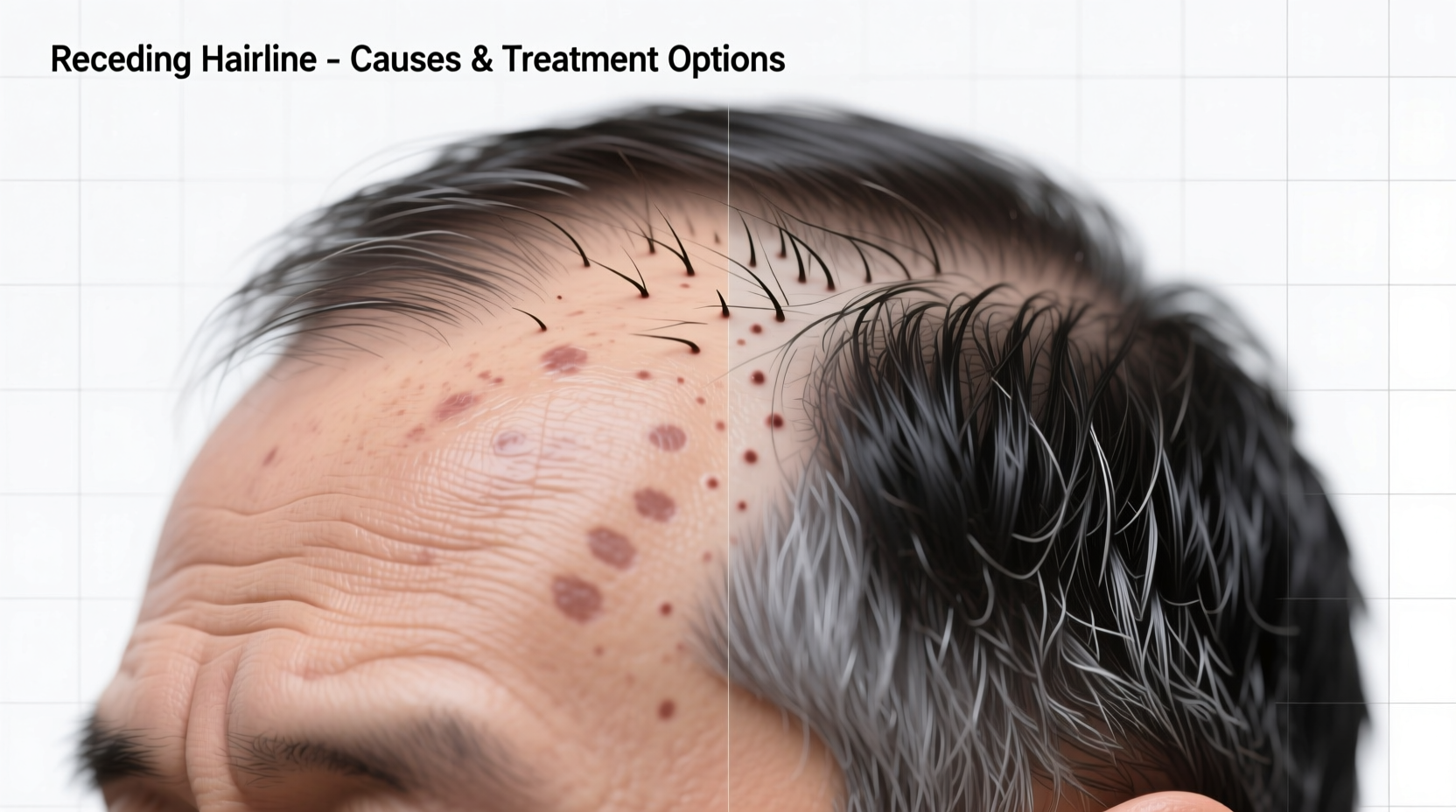
The natural shape and position of your hairline vary greatly from person to person. A mature hairline—often seen in men in their late teens to mid-twenties—is slightly higher than a juvenile one but remains symmetrical and stable. This mild recession is not typically a cause for concern.
A truly receding hairline, however, progresses over time. It often begins with a subtle \"M\" shape at the temples and gradually moves backward across the scalp. In women, this pattern may appear as general thinning along the center part rather than distinct temple recession.
Distinguishing between normal maturation and pathological hair loss is crucial. If you notice rapid changes, increased shedding, or visible scalp through the hair, it may signal an underlying condition requiring intervention.
Primary Causes of a High or Receding Hairline
Several interrelated factors contribute to a high or receding hairline. The most common include:
- Genetics (Androgenetic Alopecia): Also known as male or female pattern baldness, this hereditary condition accounts for up to 95% of hair loss cases. It's driven by sensitivity to dihydrotestosterone (DHT), a hormone that shrinks hair follicles over time.
- Hormonal Changes: Fluctuations during puberty, pregnancy, postpartum, or menopause can shift the hair growth cycle. Thyroid disorders and polycystic ovary syndrome (PCOS) are also linked to hairline recession.
- Chronic Stress: Prolonged psychological or physical stress can trigger telogen effluvium, a condition where large numbers of hairs enter the resting phase and fall out prematurely.
- Poor Scalp Health: Conditions like seborrheic dermatitis, fungal infections, or excessive oil buildup can clog follicles and impair growth.
- Nutritional Deficiencies: Low levels of iron, zinc, vitamin D, biotin, and protein can compromise hair strength and regeneration.
- Traction and Styling Damage: Tight hairstyles such as braids, ponytails, or extensions create constant tension on the hairline, leading to traction alopecia—especially around the temples.
“Hairline recession isn’t always inevitable. Early identification of contributing factors allows us to intervene before irreversible miniaturization of follicles occurs.” — Dr. Lena Patel, Trichologist & Hair Restoration Specialist
Evidence-Based Treatments and Management Options
While no single solution works universally, several treatments have proven efficacy in slowing or reversing hairline recession when used consistently.
Topical Medications
Minoxidil (Rogaine): An FDA-approved over-the-counter treatment applied directly to the scalp. It stimulates blood flow to follicles and extends the growth phase of hair. Results typically appear after 3–6 months of daily use.
Oral Medications
Finasteride (Propecia): A prescription drug that inhibits the conversion of testosterone to DHT. It’s highly effective for male pattern baldness but not recommended for women of childbearing age due to potential birth defects.
Laser Therapy
Low-level laser therapy (LLLT) devices, including helmets and combs, use red light to energize dormant follicles. Clinical studies show modest improvement in hair density with regular use over several months.
Platelet-Rich Plasma (PRP) Injections
This procedure involves drawing the patient’s blood, processing it to concentrate platelets, and injecting the plasma into the scalp. Growth factors in PRP stimulate tissue repair and follicle rejuvenation. Multiple sessions are usually required.
Tip: Combine minoxidil with gentle scalp massage to enhance absorption and circulation.Do’s and Don’ts: Daily Habits That Impact Your Hairline
| Do | Don’t |
|---|---|
| Wash hair regularly to prevent buildup | Use harsh shampoos with sulfates or alcohol |
| Eat a balanced diet rich in protein and vitamins | Skip meals or follow extreme diets |
| Protect hair from heat styling tools | Flat iron or curl daily without heat protectant |
| Loosen tight hairstyles | Wear tight ponytails or braids every day |
| Manage stress through mindfulness or exercise | Ignore signs of chronic anxiety or burnout |
Real-Life Example: Reversing Early Recession
Mark, a 27-year-old software developer, noticed his hairline creeping back over two years. Initially dismissing it as “just aging,” he began losing confidence when friends commented on his appearance. After consulting a dermatologist, he was diagnosed with early-stage androgenetic alopecia.
His treatment plan included daily 5% minoxidil, biweekly LLLT sessions, and dietary adjustments to increase iron and omega-3 intake. He also stopped wearing tight gels and switched to looser styles. Within eight months, Mark reported reduced shedding and visible regrowth near his temples. A follow-up photo comparison showed improved hair density along the frontal zone.
“I didn’t think anything could help,” Mark said. “But sticking to the routine made a real difference. It’s not about growing a full head overnight—it’s about stopping the loss and rebuilding slowly.”
Step-by-Step Guide to Addressing a Receding Hairline
- Assess the Pattern: Take consistent photos under the same lighting to track changes over time.
- See a Specialist: Visit a dermatologist or trichologist to rule out medical causes like thyroid issues or deficiencies.
- Start Treatment Early: Begin FDA-approved therapies like minoxidil or finasteride if appropriate.
- Optimize Nutrition: Incorporate foods rich in biotin (eggs, nuts), iron (spinach, red meat), and protein (fish, legumes).
- Improve Scalp Care: Use medicated shampoos containing ketoconazole or salicylic acid to reduce inflammation.
- Adopt Gentle Styling: Avoid tight pulls, hot tools, and chemical treatments that stress the hairline.
- Monitor Progress: Evaluate results every 3–6 months and adjust your regimen as needed.
Frequently Asked Questions
Can a high hairline grow back naturally?
In some cases, yes—especially if the cause is temporary, such as stress or nutritional deficiency. However, genetic hair loss requires active treatment to reactivate dormant follicles. Without intervention, natural regrowth is unlikely once miniaturization has occurred.
Is a high hairline always a sign of balding?
No. Some individuals naturally have higher hairlines due to facial structure or ethnicity. As long as there’s no progressive recession, thinning, or increased shedding, it may simply be a normal variation. Monitoring change over time is key.
Are hair transplants a viable option for a receding hairline?
Yes, especially for advanced cases. Follicular unit extraction (FUE) or strip surgery can restore a natural-looking hairline using your own donor hair. Success depends on donor supply, surgical skill, and realistic expectations. Most experts recommend stabilizing hair loss with medication before undergoing transplantation.
Final Thoughts and Next Steps
A receding hairline doesn’t have to define your appearance or self-worth. With today’s understanding of hair biology and access to science-backed treatments, many people successfully manage or even reverse early signs of hair loss. The key lies in early recognition, accurate diagnosis, and consistent care.
Whether you’re adjusting your diet, applying topical treatments, or seeking professional therapies, taking action now can preserve your existing hair and potentially stimulate new growth. Hair health is a long-term investment—one that rewards patience, discipline, and informed choices.
🚀 Ready to take control of your hairline? Start by scheduling a consultation with a dermatologist or trying a clinically proven treatment like minoxidil. Share your journey or questions in the comments—your experience could help someone else feel less alone.








