Receiving a keratin treatment is often seen as a game-changer for those struggling with frizz, curls, or unmanageable hair. Promising sleek, shiny, and silky locks for weeks—or even months—it’s no wonder the treatment has become a staple in salons worldwide. Yet, many clients walk out with smooth hair only to find it reverting to frizz within days. If you're asking, “Why is my hair frizzy after keratin treatment?” the answer may not lie in the treatment itself, but in how you’re caring for your hair afterward.
Keratin treatments work by infusing hair with a protein-rich solution that temporarily alters the hair’s structure, smoothing the cuticle and reducing porosity. But this transformation isn’t permanent—and more importantly, it’s fragile during the crucial post-treatment phase. The most common reason for frizz resurgence? Care mistakes that sabotage the treatment’s results.
Understanding what to do—and what not to do—can make the difference between lasting smoothness and premature frizz. Let’s explore the science behind keratin treatments, identify the most frequent errors, and provide actionable solutions to protect your investment.
How Keratin Treatments Work: A Quick Science Breakdown
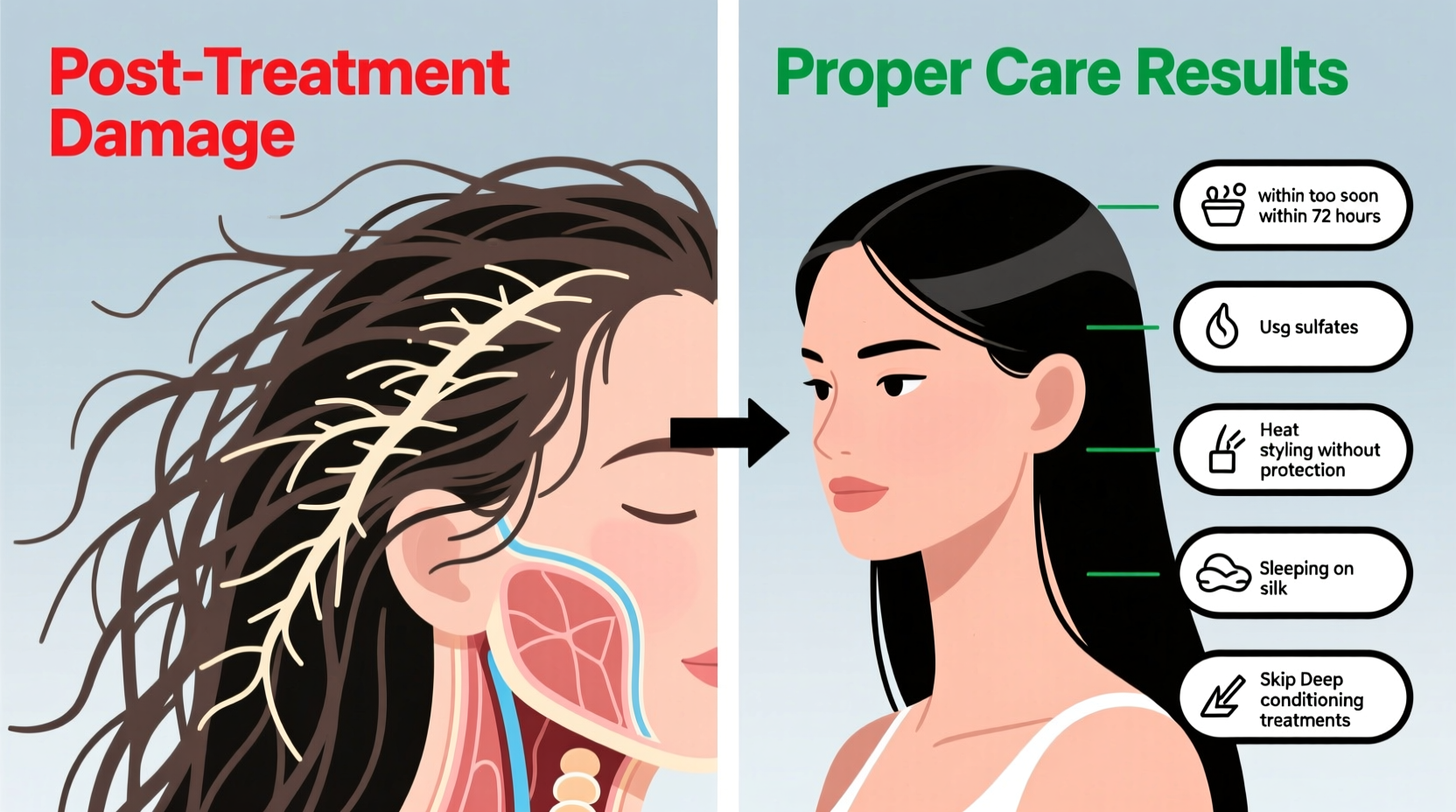
Keratin is a natural structural protein found in hair, skin, and nails. When hair becomes damaged due to heat styling, chemical processing, or environmental exposure, the keratin in the hair shaft breaks down, leading to raised cuticles and increased porosity. This rough texture allows moisture from the air to penetrate the hair, causing it to swell and frizz—especially in humid conditions.
A keratin treatment replenishes this lost protein. The process typically involves:
- Cleansing: Hair is washed with a clarifying shampoo to remove buildup and open the cuticle.
- Application: A liquid keratin solution is applied and left to penetrate the hair shaft.
- Sealing: Heat from flat irons (usually at high temperatures) bonds the keratin into the hair, sealing the cuticle.
The result is smoother, less porous hair that resists humidity and holds its style longer. However, this seal is not indestructible. It begins to degrade immediately after treatment if exposed to certain elements or handled improperly.
Tip: The first 72 hours post-treatment are critical. Avoid water, sweat, and styling products to allow the keratin to fully bond.Top 5 Care Mistakes That Cause Frizz After Keratin Treatment
1. Washing Too Soon or Using the Wrong Shampoo
One of the most common reasons for frizz after a keratin treatment is washing the hair too early. Most professionals recommend waiting 3–4 days before the first wash. During this time, the keratin continues to bond with the hair shaft. Washing prematurely—especially with sulfates—can strip away the treatment before it sets.
Sulfate-based shampoos are particularly damaging because they are designed to deeply cleanse, which includes removing oils and residues. Unfortunately, they also dissolve keratin proteins. Even after the initial waiting period, continued use of sulfates will shorten the lifespan of your treatment significantly.
“The longevity of a keratin treatment depends more on post-care than the application itself. Sulfates are public enemy number one.” — Lila Chen, Master Colorist & Keratin Specialist, NYC Salon Collective
2. Skipping the Recommended Aftercare Products
Many people assume any “gentle” shampoo will suffice after treatment. In reality, not all sulfate-free shampoos are created equal. Some contain salt (sodium chloride), which can break down keratin bonds just as effectively as sulfates. Others include harsh surfactants like ammonium lauryl sulfate or drying alcohols.
Salons often sell specific post-keratin product lines for a reason: they’re formulated to maintain pH balance, prevent cuticle disruption, and extend the life of the treatment.
3. Exposing Hair to Chlorine or Salt Water
Swimming shortly after a keratin treatment is a fast track to frizz. Both chlorine and salt are highly corrosive to keratin-treated hair. They open the cuticle, leach out the infused proteins, and leave hair dry and brittle. Even swimming several weeks post-treatment without protection can accelerate fading.
If you must swim, wet your hair with clean water first and apply a protective leave-in conditioner. Wear a swim cap if possible, and rinse thoroughly afterward with fresh water and a sulfate-free shampoo.
4. Overusing Heat Styling Tools
Ironically, using flat irons or curling wands too frequently—even after the treatment—can damage the sealed cuticle. While heat was used to set the keratin, ongoing high heat exposure degrades the protein over time. Additionally, excessive heat increases porosity, inviting moisture back into the hair and triggering frizz.
If styling is necessary, use tools with adjustable temperature settings and never exceed 375°F (190°C). Always apply a heat protectant spray formulated for chemically treated hair.
5. Ignoring Humidity and Environmental Factors
Keratin treatments are marketed as “frizz-proof,” but no treatment is completely immune to extreme humidity. High moisture levels in the air cause hair to absorb water, swelling the shaft and lifting the cuticle. If the keratin bond is already weakened by poor aftercare, humidity will exploit that vulnerability instantly.
Living in a humid climate doesn’t mean you can’t get a keratin treatment—but it does mean you need to be extra vigilant about maintenance and protective styling.
Do’s and Don’ts: Post-Keratin Care Checklist
Tip: Keep this checklist handy for the first month after treatment to stay on track.| Do’s | Don’ts |
|---|---|
| Wait 72 hours before washing hair | Wash hair within 24 hours of treatment |
| Use sulfate-free, sodium chloride-free shampoo and conditioner | Use regular drugstore shampoos with sulfates |
| Rinse hair after swimming or sweating | Let chlorine or sweat sit in hair for hours |
| Apply leave-in conditioner or anti-frizz serum | Use heavy oils or silicones that build up |
| Blow-dry with a round brush for smooth finish | Twist or braid damp hair (causes creases) |
| Trim ends every 6–8 weeks | Ignore split ends—they weaken overall integrity |
Step-by-Step Guide to Maximizing Keratin Results
Follow this timeline to ensure your treatment lasts as long as possible:
- Day 0 (Treatment Day): Avoid touching hair, tying it up, or wearing hats. Sleep on a silk pillowcase to reduce friction.
- Days 1–3: Keep hair completely dry. No showers, workouts, or rain exposure. Use dry shampoo at the roots if needed.
- Day 4: First wash. Use lukewarm water and a recommended sulfate-free shampoo. Follow with a matching conditioner, focusing on mid-lengths to ends.
- Weekly Maintenance: Wash no more than 2–3 times per week. Rinse thoroughly and gently squeeze out water—never rub with a towel.
- Styling: Air-dry when possible. If blow-drying, use a nozzle attachment and low heat. Use a flat iron only when necessary, below 375°F.
- Every 4 Weeks: Consider a keratin-infused mask or salon touch-up treatment to refresh the bond.
Real-Life Example: Maria’s Keratin Journey
Maria, a 32-year-old teacher from Miami, invested in a Brazilian keratin treatment hoping to tame her thick, frizz-prone curls. She loved her results on day one—her hair was sleek and manageable. But by day five, frizz returned, especially around her crown and temples.
She visited her stylist for a follow-up, who quickly identified the issue: Maria had gone for a swim two days post-treatment and used her regular shampoo (which contained sodium chloride) on day three. These two actions stripped away nearly 70% of the keratin before it could fully bond.
After switching to a professional aftercare line and committing to the 72-hour rule, Maria rebooked the treatment six months later—this time, it lasted nearly four months with minimal frizz, even in Florida’s humid summers.
“Maria’s case is textbook. People think the treatment is magic, but it’s chemistry. You have to respect the bonding window.” — Diego Morales, Trichologist & Keratin Formulation Consultant
Frequently Asked Questions
Can I tie my hair up after a keratin treatment?
Not immediately. Wait at least 72 hours before tying your hair. After that, avoid tight elastics or clips that create dents. Use soft scrunchies and avoid styles that crease the hair, like ponytails or buns, while it’s damp.
How long does a keratin treatment usually last?
Most treatments last 8–12 weeks, depending on hair type, lifestyle, and aftercare. With strict adherence to sulfate-free products and minimal heat, some clients report results lasting up to 6 months.
Is it safe to color my hair after a keratin treatment?
Yes, but timing matters. Coloring before the treatment is ideal. If coloring afterward, wait at least two weeks to avoid chemical interference. Always inform your colorist about the keratin treatment to prevent over-processing.
Conclusion: Protect Your Smoothness with Smart Habits
Frizz after a keratin treatment isn’t inevitable—it’s usually preventable. The key lies in understanding that the treatment is only half the battle. The other half is consistent, informed aftercare. From avoiding sulfates to respecting the 72-hour rule, every choice you make impacts how long your hair stays sleek and healthy.
Think of your keratin treatment as a reset button for your hair—not a permanent fix, but a powerful opportunity to rebuild strength and manageability. By avoiding common mistakes and adopting a mindful routine, you can extend the life of your treatment, reduce styling time, and enjoy confident, frizz-free days.
💬 Have a keratin horror story or success tip? Share your experience in the comments—your insight could help someone else achieve the smooth hair they’ve been dreaming of.








