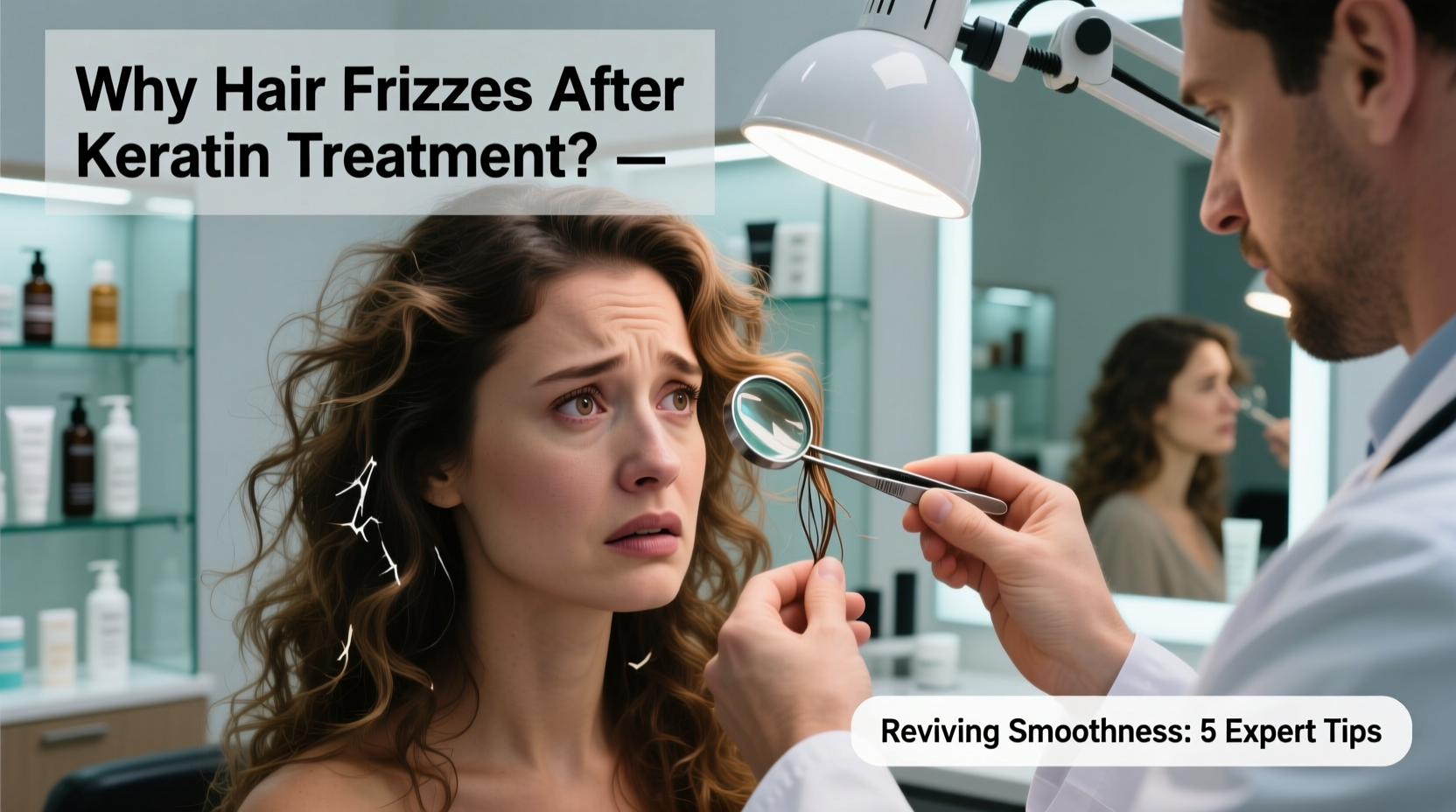
A keratin treatment promises silky, manageable hair—reduced frizz, enhanced shine, and easier styling. Yet many people find themselves staring into the mirror weeks later, confused by renewed puffiness and flyaways. If your hair has turned frizzy again after what was supposed to be a transformative smoothing process, you're not alone. The good news? This doesn’t mean the treatment failed. More often than not, frizz post-keratin stems from environmental exposure, incorrect aftercare, or product misuse. Understanding the root causes and knowing how to respond can help you reclaim that sleek finish and extend the life of your results.
Why Keratin Treatments Work—and Why They Sometimes Seem to Fail
Keratin treatments work by infusing hydrolyzed keratin proteins into the hair shaft, temporarily restructuring the bonds within each strand. This process fills in gaps in the cuticle layer, sealing it down and smoothing the surface. As a result, hair reflects more light (creating shine) and resists humidity-induced swelling (which leads to frizz).
However, this transformation isn't permanent. Most keratin treatments last between 8 to 12 weeks, depending on hair type, lifestyle, and maintenance routine. Over time, the keratin gradually washes out, especially with frequent shampooing or exposure to hard water and chlorine. But when frizz returns earlier than expected—sometimes within days—it’s usually due to preventable factors.
Tip: Avoid washing your hair for at least 72 hours after the treatment to allow full keratin bonding.Common Reasons for Frizz After Keratin Treatment
Even with a flawless application, several real-world variables can compromise your results. Identifying these early increases your chances of reversing the damage and restoring smoothness.
1. Premature Washing or Product Use
The first 3–4 days post-treatment are critical. During this period, the keratin needs time to fully bond with your hair under the influence of heat and pH balance. Washing too soon—or using products containing sulfates, salts, or alcohol—can rinse away active ingredients before they set.
2. Using Sulfate-Containing Shampoos
Sulfates are harsh detergents that strip oils and residues—including keratin. Even if you waited the recommended time to shampoo, using a sulfate-based cleanser will accelerate the breakdown of the treatment. Look for labels like “sodium lauryl sulfate” or “ammonium laureth sulfate.” These should be avoided entirely during the treatment’s lifespan.
3. High Humidity and Environmental Exposure
Keratin helps resist humidity, but extreme conditions can still overwhelm the protection. Living in tropical climates or frequently exposing hair to steam (e.g., saunas, hot showers) causes the cuticle to swell, weakening keratin bonds over time.
4. Chlorine and Hard Water Buildup
Swimming pools and untreated tap water contain minerals and chemicals that degrade keratin. Chlorine binds to hair proteins, altering their structure and making them brittle. Hard water deposits form a film that blocks moisture and interferes with smoothness.
5. Heat Styling Without Protection
While flat irons were used during the treatment to seal keratin, excessive or unprotected heat afterward can damage both the treatment and the hair itself. Temperatures above 450°F (230°C) may even reverse the smoothing effect by breaking protein bonds.
6. Poor Post-Treatment Hair Habits
Habits like tying wet hair tightly, sleeping without protection, or rubbing hair vigorously with towels create friction that lifts the cuticle. Once the cuticle is disrupted, frizz follows—even on treated hair.
“Keratin treatments aren’t magic—they’re chemistry. You need to respect the molecular process with proper care, or you’ll undo the results fast.” — Dr. Lena Torres, Trichologist & Cosmetic Chemist
How to Revive Smoothness: A Step-by-Step Guide
If your hair has already started to frizz post-treatment, don’t rush back to the salon. Often, corrective care at home can restore much of the lost smoothness. Follow this timeline-based approach to reset your hair’s condition.
- Day 1–3: Reset Your Routine
Switch to a sulfate-free, sodium chloride-free shampoo and conditioner. Begin cleansing only with lukewarm water—hot water opens the cuticle and strips keratin faster. - Day 4–7: Deep Hydration
Apply a keratin-infused mask once every three days. Leave it on for 15–20 minutes under a warm towel to enhance penetration. Avoid protein-heavy masks unless your hair feels weak; overloading can cause stiffness and brittleness. - Week 2: Seal the Cuticle
Use a lightweight leave-in serum or oil (argan, marula, or jojoba) to lock in moisture and smooth flyaways. Apply only to mid-lengths and ends to avoid weighing hair down. - Week 3: Re-Flat Iron (Optional)
If your hair still feels rough, perform a low-heat re-straightening session at home. Set your flat iron to 380–400°F (190–205°C), divide hair into small sections, and make one slow pass per section. Do not repeat passes excessively. - Ongoing: Maintain Weekly
Continue using keratin-safe products weekly. Incorporate a clarifying treatment every 3–4 weeks to remove buildup—but ensure it’s sulfate-free and gentle.
Do’s and Don’ts After Keratin Treatment
| Do’s | Don’ts |
|---|---|
| Use sulfate-free, salt-free shampoos and conditioners | Use shampoos with sodium chloride or sulfates |
| Wait 72 hours before washing hair | Wash hair within 24–48 hours post-treatment |
| Protect hair when swimming (wear cap or rinse immediately) | Swim regularly without rinsing or conditioning after |
| Style with heat protectants and moderate temperatures | Use high heat (>450°F) frequently |
| Store hair in loose styles or silk scrunchies | Tie hair tightly while wet |
| Use keratin-boosting leave-in treatments weekly | Apply heavy gels or alcohol-based sprays |
Mini Case Study: Recovering Smoothness After Early Frizz
Sophia, a 34-year-old teacher from Miami, received a Brazilian keratin treatment at a reputable salon. Within five days, her hair began to puff up despite following basic instructions. She hadn’t washed it early, nor had she used any sprays. Confused, she consulted her stylist, who asked about her habits.
It turned out Sophia swam twice a week at her local pool and hadn’t worn a swim cap. Additionally, she used a regular drugstore shampoo labeled “for volume,” which contained sodium chloride. Her humid commute also contributed.
Her stylist advised her to switch to a swimmer’s keratin-safe shampoo, wear a silicone cap when swimming, and apply a daily anti-humidity serum. She also did a single re-flat ironing session at 390°F. Within two weeks, her hair regained its smooth texture. By avoiding chlorine buildup and switching products, she extended her treatment’s life to nearly 10 weeks—closer to the expected duration.
Your At-Home Keratin Maintenance Checklist
- ✅ Switch to sulfate-free, sodium chloride-free shampoo and conditioner
- ✅ Wait at least 72 hours before first wash
- ✅ Use lukewarm water when washing
- ✅ Apply a keratin-rich deep conditioning mask weekly for first month
- ✅ Use a heat protectant before styling
- ✅ Limit flat iron use to essential touch-ups
- ✅ Wear a swim cap or rinse hair immediately after swimming
- ✅ Sleep on a silk or satin pillowcase
- ✅ Avoid tight hairstyles, especially when hair is damp
- ✅ Schedule a mid-treatment check-in with your stylist if concerns arise
Frequently Asked Questions
Can I fix frizzy keratin-treated hair at home?
Yes, in most cases. If frizz appears due to product misuse or environmental exposure, switching to keratin-safe routines and reapplying heat carefully can restore smoothness. However, if the treatment was improperly applied (e.g., wrong pH balance, insufficient heat sealing), professional correction may be needed.
How long should a keratin treatment last before some frizz returns?
Most treatments last 8–12 weeks. Mild frizz toward the end of this period is normal as keratin washes out. If frizz returns within 1–2 weeks, review your aftercare routine or consult your stylist about possible application issues.
Is it safe to reapply keratin sooner than recommended?
Reapplication too soon can lead to protein overload, making hair stiff and prone to breakage. Wait at least 8 weeks between treatments. In the meantime, use keratin-infused products to refresh results gently.
Conclusion: Smooth Hair Is a Habit, Not Just a Treatment
A keratin treatment is an investment in smoother, healthier-looking hair—but its success depends on what you do afterward. Frizz doesn’t have to be permanent. With the right products, habits, and awareness of environmental stressors, you can revive lost smoothness and stretch the life of your treatment significantly.
Start today by auditing your current hair care routine. Replace harmful products, adjust your styling tools, and protect your hair from chlorine and humidity. Small changes compound into dramatic results. Your sleek, frizz-free hair isn’t gone—it just needs the right conditions to return.
💬 Have a keratin recovery story or tip? Share your experience in the comments and help others maintain their smooth results longer!








