
Sneezing in guinea pigs isn’t uncommon, but when it happens suddenly and repeatedly, it raises concern for many pet owners. Unlike humans, guinea pigs don’t sneeze for minor irritants alone—frequent or persistent sneezing often points to underlying health problems. Understanding the context—when the sneezing began, how often it occurs, and what other symptoms are present—is crucial in determining whether it’s a passing irritation or something more serious.
Guinea pigs are delicate animals with sensitive respiratory systems. Their small size and high metabolic rate make them vulnerable to infections and environmental stressors. A single sneeze may be harmless, but a pattern of sudden onset sneezing warrants attention. This article breaks down the most common causes, timelines, warning signs, and actionable steps to help you assess your pet’s condition and decide when veterinary care is necessary.
When Did the Sneezing Start? Timing Matters
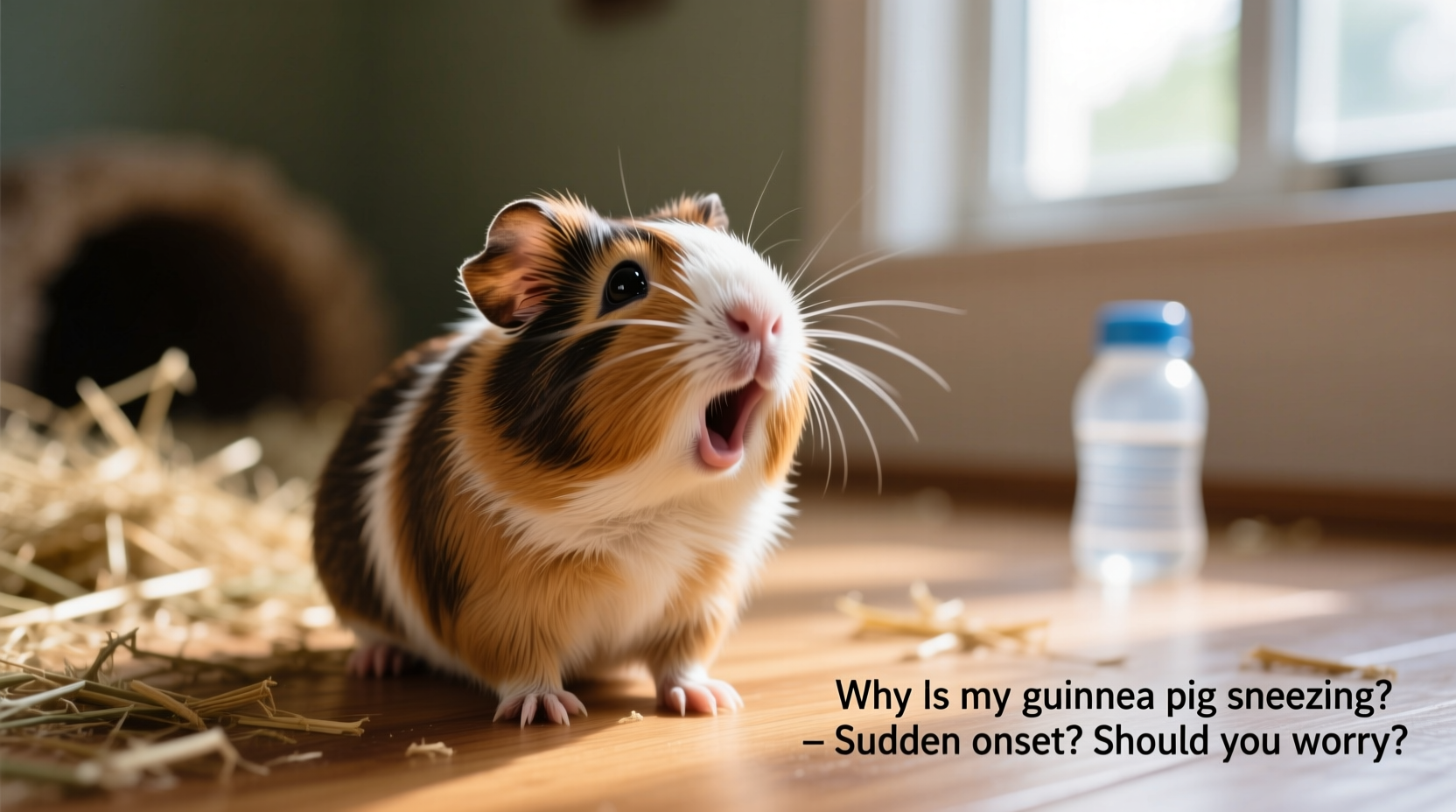
The timeline of your guinea pig’s sneezing is one of the most telling clues. Sudden onset—meaning the behavior appeared within the past 24 to 72 hours—is different from chronic or intermittent sneezing that has been ongoing for weeks. Acute sneezing that begins abruptly often correlates with recent changes in environment, diet, or exposure to pathogens.
Ask yourself: Did anything change recently? Common triggers include:
- New bedding material (especially dusty or scented types)
- Cleaning products used near the cage
- A new cage mate introduced
- Relocation to a drafty or humid area
- Dust from hay or food particles becoming airborne
If the sneezing started shortly after any of these changes, the cause may be environmental. However, if no obvious changes occurred—or if the sneezing persists beyond a day or two—it’s likely biological, such as a bacterial or viral infection.
“Sudden respiratory signs in guinea pigs should never be ignored. What looks like a simple sneeze today can progress to pneumonia within days.” — Dr. Laura Hammond, Exotic Animal Veterinarian
Common Causes of Sudden Sneezing in Guinea Pigs
Not all sneezes are created equal. The root cause determines both urgency and treatment. Below are the most frequent reasons behind sudden sneezing in guinea pigs, ranked by likelihood and severity.
1. Respiratory Infections (Most Serious)
Bacterial infections, particularly Streptococcus pneumoniae, Bordetella bronchiseptica, and Staphylococcus spp., are leading causes of respiratory distress in guinea pigs. These infections often begin with sneezing and can rapidly escalate to labored breathing, nasal discharge, lethargy, and loss of appetite.
Infections are commonly spread through direct contact with infected animals or contaminated environments. Stress weakens immunity, making otherwise healthy guinea pigs susceptible.
2. Allergens and Irritants
Dust from low-quality hay, pine or cedar shavings, air fresheners, cigarette smoke, or even cleaning sprays can irritate a guinea pig’s nasal passages. These irritants cause temporary sneezing that usually resolves once the trigger is removed.
Paper-based or aspen bedding is generally safer than aromatic wood shavings. High-dust hay should also be avoided—opt for pre-washed or dust-extracted varieties.
Tip: To reduce dust, lightly mist hay with water before feeding or store it in a sealed container away from humidity.3. Dental Problems
While less obvious, dental overgrowth can contribute to sneezing. Guinea pigs’ teeth grow continuously, and misalignment can lead to abscesses or pressure on nasal passages. This may result in unilateral (one-sided) nasal discharge and frequent sniffling or sneezing.
Look for additional signs: drooling, difficulty eating, weight loss, or swelling around the jaw.
4. Foreign Objects or Trauma
Rarely, a small piece of hay or bedding can become lodged in the nasal cavity. This causes persistent sneezing, pawing at the face, and sometimes bleeding. If suspected, immediate veterinary evaluation is required.
Should You Worry? Assessing Severity
Not every sneeze requires a vet visit—but knowing when to act can save your pet’s life. Use the following checklist to evaluate the seriousness of the situation.
✅ Low Concern – Monitor at Home
- One or two isolated sneezes
- No other symptoms present
- Active, eating normally, bright eyes
- Possible recent environmental change (e.g., new hay batch)
⚠️ Moderate Concern – Watch Closely
- Sneezing several times a day
- Mild nasal discharge (clear and watery)
- Slight decrease in activity
- Occurred after a known irritant exposure
🚨 High Concern – Seek Veterinary Care Immediately
- Thick, yellow, or green nasal discharge
- Labored or rapid breathing
- Lethargy or hunched posture
- Loss of appetite or refusal to drink
- Sneezing accompanied by wheezing or clicking sounds
- Discharge from eyes or crust around nostrils
| Symptom | May Be Normal | Requires Attention | Emergency Sign |
|---|---|---|---|
| Sneezing Frequency | Occasional (1–2x/day) | Frequent (5–10x/day) | Persistent, in clusters |
| Nasal Discharge | None or clear | Watery, mild | Thick, colored, crusted |
| Appetite | Normal | Slightly reduced | Refusing food |
| Energy Level | Active, curious | Less playful | Lethargic, hunched |
| Breathing | Quiet, regular | Slight wheeze | Open-mouthed, strained |
Step-by-Step Guide: What to Do When Your Guinea Pig Starts Sneezing Suddenly
If your guinea pig begins sneezing out of nowhere, follow this practical sequence to identify and address the issue efficiently.
- Observe closely for 24 hours. Note frequency of sneezes, presence of discharge, and any changes in behavior. Keep a log if possible.
- Review recent changes. Check for new bedding, cleaning products, cage location, or new pets. Eliminate potential irritants immediately.
- Inspect the cage environment. Ensure proper ventilation without drafts, clean bedding, and dust-free hay. Avoid aerosols near the enclosure.
- Monitor eating and drinking. Weigh your guinea pig daily if possible. A drop in food intake—even slightly—can signal illness.
- Isolate if needed. If you have multiple guinea pigs, separate the sneezing individual to prevent disease spread while avoiding prolonged loneliness.
- Contact an exotic veterinarian. If symptoms persist beyond 48 hours or worsen, schedule an appointment. Do not delay if discharge becomes colored or breathing changes.
- Prepare for the vet visit. Bring a sample of hay/bedding, a list of symptoms, and any medications currently used.
Mini Case Study: Luna the Sudden Sneezer
Luna, a 2-year-old female guinea pig, began sneezing frequently over a weekend. Her owner, Jen, noticed three to four sneezes per hour, mostly after handling her. At first, Jen assumed it was dust from a new hay bag. She switched to a lower-dust brand and cleaned the cage thoroughly.
After 36 hours, Luna’s sneezing continued, and she developed a thin, clear nasal discharge. Though still eating, she spent more time resting than usual. Jen recorded a short video of Luna breathing and sent it to her vet, who recommended an urgent visit.
Upon examination, the vet detected early signs of bacterial rhinitis. Luna was prescribed a course of antibiotics safe for rodents and advised for supportive care including warmth and hydration. Within five days, her symptoms resolved completely.
This case highlights the importance of timely intervention—even subtle changes in behavior warrant professional assessment when combined with respiratory signs.
Prevention Checklist: How to Reduce Sneezing Risks
Preventive care plays a major role in maintaining respiratory health. Use this checklist to create a safer, healthier environment for your guinea pig.
- ✅ Use dust-free, high-quality hay (timothy or orchard grass)
- ✅ Choose paper-based or aspen bedding—avoid cedar and pine
- ✅ Clean the cage weekly with pet-safe disinfectants (e.g., diluted vinegar or F10SC)
- ✅ Keep the cage away from kitchens, bathrooms, and strong odors
- ✅ Provide adequate ventilation without direct drafts
- ✅ Quarantine new guinea pigs for at least 14 days
- ✅ Schedule annual wellness exams with an exotic vet
- ✅ Offer vitamin C-enriched diet (guinea pigs cannot synthesize it)
Frequently Asked Questions
Can guinea pigs catch colds from humans?
No, guinea pigs cannot catch human cold viruses. However, they are highly sensitive to temperature changes and airborne irritants like perfumes or smoke, which can mimic cold-like symptoms.
Is occasional sneezing normal in guinea pigs?
Yes, an infrequent sneeze—especially during hay consumption—is normal. But repeated or clustered sneezing is not and should be monitored closely.
How long does a guinea pig respiratory infection last?
With proper veterinary treatment, mild infections may resolve in 7–10 days. Severe cases, especially those involving pneumonia, can take several weeks and require strict medication adherence.
Conclusion: Act Early, Protect Long-Term Health
Sudden sneezing in your guinea pig is more than just a quirky habit—it’s a signal. Whether triggered by dust, infection, or dental issues, the key is responsiveness. Early observation, environmental adjustments, and timely veterinary care can prevent minor symptoms from escalating into life-threatening conditions.
Guinea pigs hide illness well, so waiting too long can cost precious time. By staying informed and proactive, you give your pet the best chance at a long, healthy life. Don’t second-guess concern—your attention could be the difference between a quick recovery and a serious outcome.
💬 Have a guinea pig story or question about sneezing? Share your experience below—your insight might help another pet owner recognize warning signs early.








