Guinea pigs are naturally vocal animals, expressing themselves through a range of sounds—from soft purrs to high-pitched squeals. While many of their noises are normal, hearing your guinea pig chirping loudly at night can be puzzling or even concerning. Unlike typical daytime chatter, nighttime chirping may indicate discomfort, environmental stress, or unusual social dynamics. Understanding the reasons behind this behavior is essential for ensuring your pet’s well-being and maintaining a restful household.
This article explores the science and psychology behind guinea pig vocalizations, particularly loud chirping during nighttime hours. You’ll learn what different types of chirps mean, when to worry, and how to create a calmer, safer environment for your small companion. Whether you're a new owner or have cared for guinea pigs for years, recognizing subtle behavioral cues can make all the difference in their quality of life.
The Language of Guinea Pigs: Decoding Vocalizations
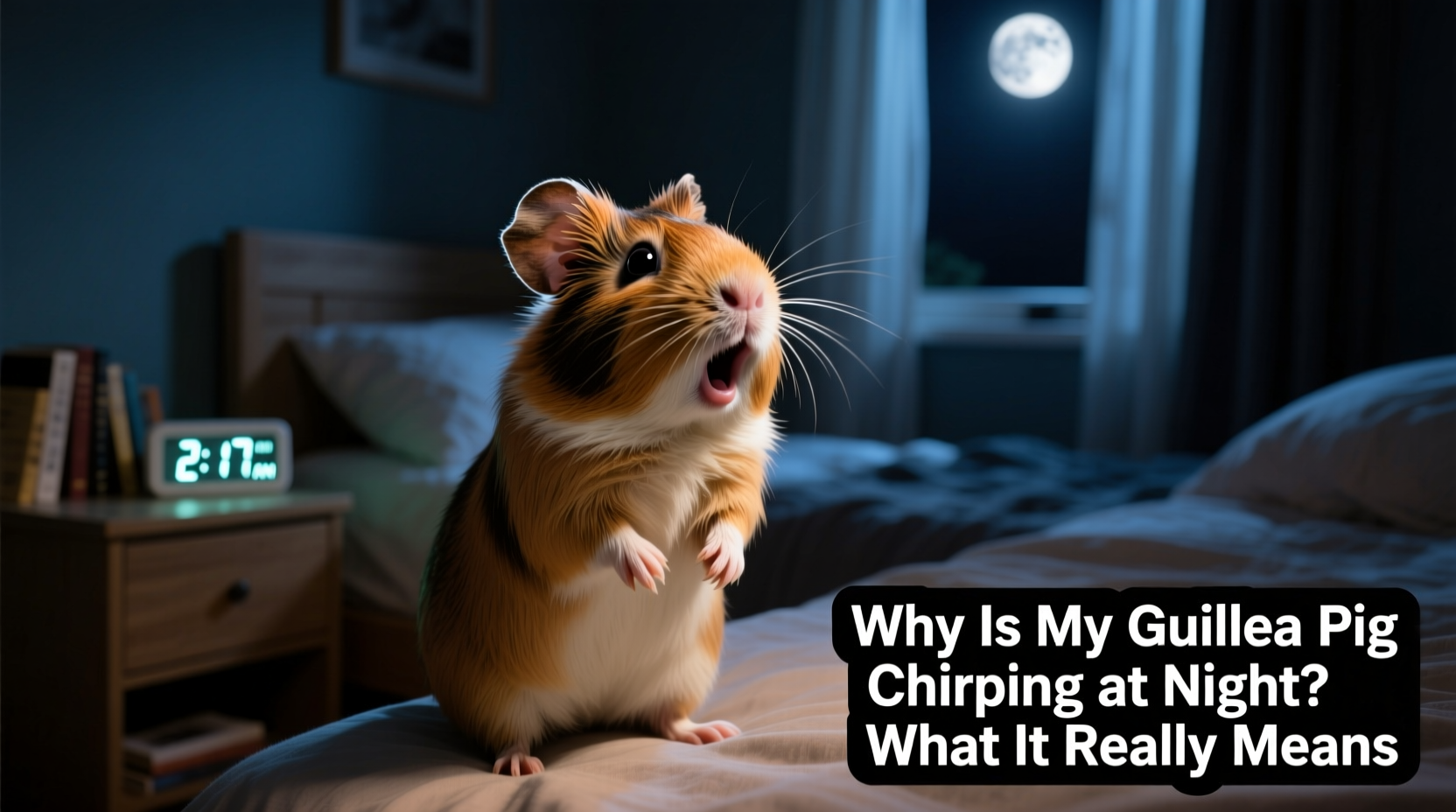
Guinea pigs rely heavily on sound to communicate because they lack the facial expressions and body language seen in larger mammals. Their vocal repertoire includes wheeking, purring, rumbling, growling, and chirping—each with distinct meanings depending on pitch, duration, and context.
Chirping—also called \"chutting\" or \"bird-like singing\"—is one of the least common but most intriguing sounds. It resembles a short, high-pitched tweet repeated intermittently. While often mistaken for a sign of happiness, chirping is typically associated with stress, confusion, or separation anxiety. Unlike the joyful “wheek” heard at feeding time, chirping tends to occur in moments of emotional imbalance.
Interestingly, not all guinea pigs chirp. Some never produce this sound, while others do so frequently. This variation depends on personality, breed, age, and social environment. For example, younger guinea pigs and certain breeds like Abyssinians may be more prone to vocal experimentation, including nocturnal chirping.
“Chirping in guinea pigs is often a sign of internal conflict—something between loneliness and disorientation. It's rarely a happy sound.” — Dr. Lena Torres, Exotic Animal Behavior Specialist
Why Chirping Happens at Night: Common Causes
Nighttime amplifies sensory experiences for small prey animals. Darkness heightens their awareness of movement, sound, and unfamiliar scents. When your guinea pig chirps loudly after dark, several factors could be at play:
- Loneliness or separation anxiety: Guinea pigs are social herd animals. If housed alone or separated from companions during sleep hours, they may chirp out of distress.
- Environmental disturbances: Noises like HVAC systems, household appliances, or outdoor animals can trigger alertness and vocalization.
- Poor cage placement: A cage near a window, door, or high-traffic area exposes them to sudden lights or movements, increasing anxiety.
- Hunger or thirst: An empty food bowl or dry water bottle late at night can prompt vocal complaints.
- Health issues: Pain, digestive discomfort, or respiratory problems may cause nighttime restlessness and chirping.
- Mating behavior or hormonal changes: Unspayed females or unneutered males may vocalize more during breeding seasons, even if no mate is present.
Is Nighttime Chirping Normal or a Red Flag?
Occasional chirping, especially in newly adopted guinea pigs adjusting to a home, may resolve within days or weeks. However, persistent or escalating chirping—particularly if accompanied by other symptoms—should not be ignored.
Consider the following table to assess whether your guinea pig’s behavior falls within normal limits or signals a deeper issue:
| Behavior | Normal (Low Concern) | Abnormal (High Concern) |
|---|---|---|
| Frequency | Once or twice per week, brief episodes | Daily, lasting over 10 minutes |
| Associated Behaviors | Calm posture, eating normally | Pacing, hiding, teeth chattering |
| Response to Stimuli | Stops when spoken to or comforted | Continues despite reassurance |
| Physical Signs | No visible discomfort | Lethargy, labored breathing, weight loss |
| Social Context | Recently introduced to a new cage mate | Aggression or avoidance between pair |
If your guinea pig exhibits multiple “abnormal” signs, it’s time to investigate further. Chronic stress weakens the immune system and can lead to conditions like gastric stasis or respiratory infections—common causes of mortality in captive guinea pigs.
Step-by-Step Guide to Reducing Nighttime Chirping
Addressing nighttime chirping requires a systematic approach. Follow these steps to identify and resolve the root cause:
- Observe and document: Keep a log for 3–5 nights noting when chirping occurs, its duration, and any surrounding events (e.g., noise, feeding time).
- Check physical needs: Ensure fresh hay, vegetables, and water are available before bedtime. Replace automatic water bottles if flow is slow.
- Assess cage location: Move the enclosure away from windows, vents, or noisy appliances. Ideal spots are quiet interior rooms with stable temperatures (65–75°F).
- Introduce companionship: If housed alone, consider adopting a same-sex companion. Introduce slowly under supervision to avoid conflict.
- Create a consistent routine: Feed, clean, and interact at the same times daily. Predictability reduces anxiety in prey animals.
- Add comforting elements: Place a soft fleece blanket, hideout house, or cardboard tunnel in the cage for security.
- Limit nighttime disruptions: Avoid turning on bright lights or making loud noises near the cage after dark.
- Schedule a vet visit: If chirping persists beyond two weeks or worsens, consult an exotic veterinarian to rule out pain or illness.
“Routine is everything for guinea pigs. They thrive on predictability. Sudden changes—even minor ones—can manifest as vocal distress.” — Dr. Raj Mehta, DVM, Small Mammal Veterinarian
Mini Case Study: Bella the Lonely Guinea Pig
Sarah adopted Bella, a young American guinea pig, from a local shelter. Initially, Bella was active and vocal during the day but quiet at night. Two weeks later, Sarah began hearing sharp chirping sounds around 10 PM. The noise lasted up to 20 minutes and recurred nightly.
She reviewed her care routine: fresh timothy hay was always available, the cage was cleaned weekly, and Bella received daily veggies. The cage sat in a spare bedroom near a window. Sarah noticed that streetlights turned on around the same time chirping started.
Following advice from an online guinea pig community, Sarah moved the cage to a quieter interior room, added a second hideout, and installed blackout curtains. She also began spending 15 minutes each evening gently talking and hand-feeding treats to reinforce safety.
Within five days, the chirping decreased significantly. By day ten, it stopped entirely. A month later, Sarah adopted a female companion named Daisy. Since then, both guinea pigs remain calm at night, occasionally chirping softly during transitions—but never loudly or persistently.
Bella’s case highlights how environmental stressors, combined with social isolation, can trigger nighttime vocalizations. Simple, thoughtful adjustments made a dramatic difference.
Tips for Long-Term Peace and Well-Being
Maintaining a calm, healthy environment goes beyond fixing immediate issues. These proactive strategies help prevent future episodes of nighttime chirping:
Tip: Play soft instrumental music or nature sounds at low volume during the first hour after dark to mask sudden noises and soothe nervous pets.- Use dimmable LED lighting to simulate natural dusk instead of flipping lights off abruptly.
- Provide chew toys and foraging opportunities (e.g., stuffed hay balls) to encourage mental engagement before bedtime.
- Avoid handling your guinea pig right before sleep; excitement can delay relaxation.
- Monitor temperature—overheating or drafts can cause restlessness.
- Keep interactions positive and predictable. Never punish vocalizations; they’re a form of communication, not misbehavior.
Frequently Asked Questions
Is chirping the same as wheeking?
No. Wheeking is a loud, excited squeal usually tied to feeding anticipation or attention-seeking. Chirping is softer, more melodic, and linked to stress or confusion. While wheeking is common and generally harmless, frequent chirping warrants closer observation.
Can guinea pigs dream and chirp in their sleep?
There is no scientific evidence that guinea pigs dream like humans. However, they experience light and deep sleep cycles. Occasional twitching or soft sounds during REM-like phases may occur, but loud, sustained chirping is unlikely to happen during true sleep and more likely indicates partial wakefulness due to disturbance.
Should I respond when my guinea pig chirps at night?
It depends. If the chirping is brief and stops after gentle reassurance (like whispering or placing a hand near the cage), responding can build trust. However, if you rush in every time, you may unintentionally reinforce the behavior. Instead, address underlying causes rather than reacting immediately each night.
Checklist: What to Do If Your Guinea Pig Chirps at Night
Use this checklist to troubleshoot and resolve nighttime chirping effectively:
- ✅ Document frequency and timing of chirping for 3–5 nights
- ✅ Confirm food and water availability before bedtime
- ✅ Evaluate cage location—move away from noise, light, or foot traffic
- ✅ Check for signs of illness: drooling, sneezing, lethargy, weight loss
- ✅ Assess social needs—consider pairing with a compatible companion
- ✅ Add hiding places and soft bedding for security
- ✅ Establish a consistent daily routine for feeding and interaction
- ✅ Schedule a veterinary check-up if chirping persists beyond 10 days
Conclusion: Listening Closely to Your Furry Friend
Your guinea pig’s chirping isn’t just noise—it’s a message. By paying attention to when and how it happens, you gain insight into their emotional and physical state. Nighttime chirping often stems from unmet needs: companionship, safety, routine, or health. Addressing these isn’t about silencing your pet, but about creating a life where they feel secure enough not to call out.
Small animals depend entirely on us to interpret their world. A little patience, observation, and adjustment can transform restless nights into peaceful ones—for both you and your guinea pig. Start tonight: sit quietly near the cage, listen without judgment, and take one step toward understanding what your furry companion is trying to tell you.
💬 Have a story about your guinea pig’s nighttime chirping? Share your experience in the comments below—your insight could help another pet owner find answers.








