
Eye twitching—medically known as myokymia—is a common but often unsettling experience. It typically involves a repetitive, involuntary spasm of the eyelid muscle, usually in the upper or lower lid of one eye. While most cases are harmless and resolve on their own, persistent or severe twitching can interfere with daily life and may signal underlying health issues. Understanding the root causes, how to treat symptoms effectively, and what steps to take for long-term prevention empowers you to respond wisely when your eye starts jumping.
Understanding Eye Twitching: What’s Happening?
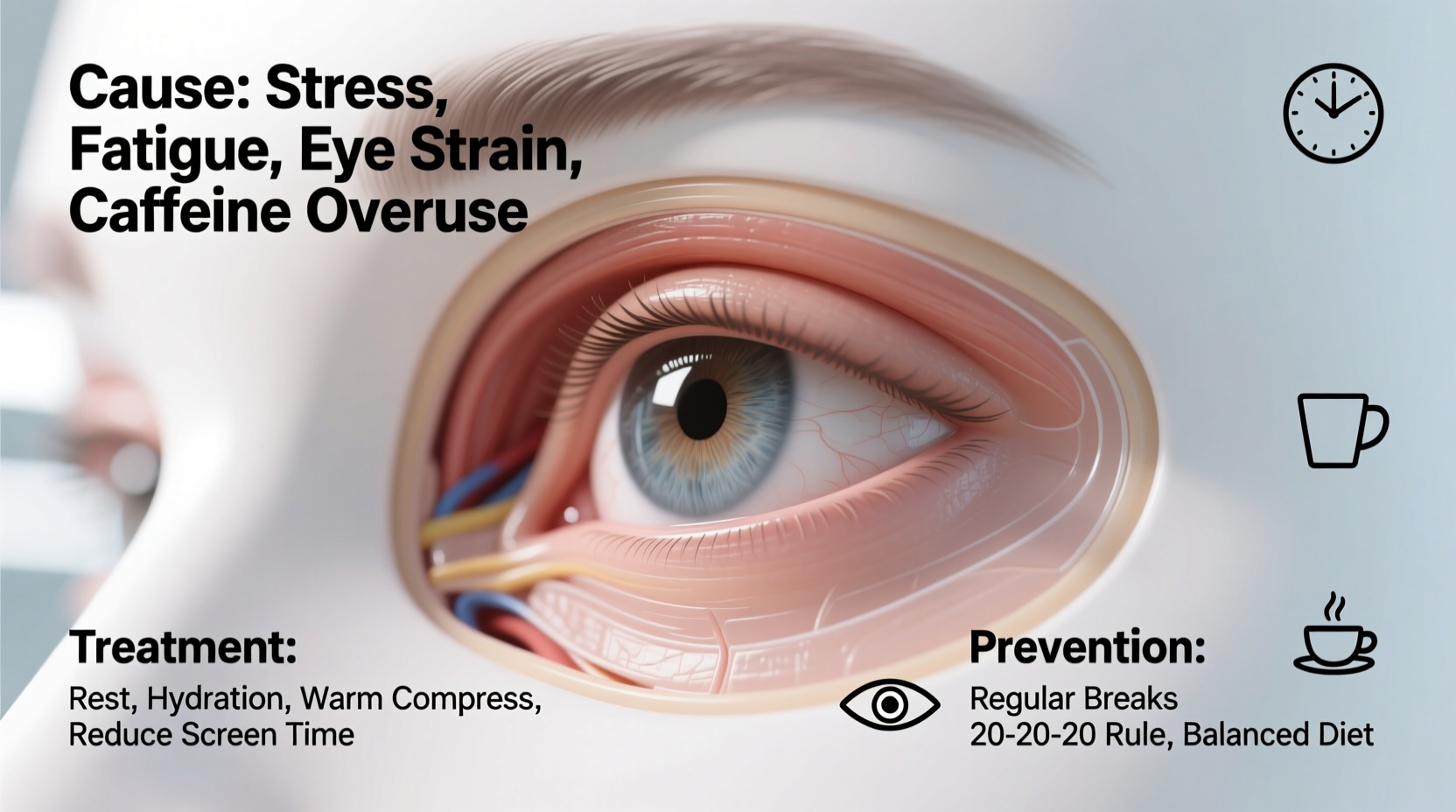
At its core, eye twitching results from misfiring nerve signals that trigger small contractions in the orbicularis oculi muscle—the muscle that surrounds the eye. These twitches are generally brief, painless, and localized. They differ from more serious neurological conditions like blepharospasm (a rare form of dystonia causing forceful eyelid closure) or hemifacial spasm (which affects multiple facial muscles).
Most episodes last seconds to minutes and come and go over hours or days. In many cases, they disappear without intervention. However, recurring or prolonged twitching warrants closer attention, especially if accompanied by redness, swelling, drooping eyelids, or facial muscle involvement.
Common Causes of Eyelid Twitching
While occasional eye twitching is normal, identifying triggers helps manage and prevent future episodes. The following factors are frequently linked to myokymia:
- Stress and anxiety: Elevated cortisol levels affect nervous system regulation, increasing muscle excitability.
- Eye strain: Prolonged screen time, uncorrected vision problems, or reading in poor light can fatigue eye muscles.
- Caffeine and stimulants: Excessive coffee, energy drinks, or certain medications may overstimulate nerves.
- Sleep deprivation: Lack of rest disrupts neuromuscular function and increases susceptibility to spasms.
- Dry eyes: Common with aging, screen use, or environmental conditions; dryness irritates the ocular surface and contributes to twitching.
- Nutritional imbalances: Deficiencies in magnesium, potassium, or vitamin B12 can impair nerve-muscle communication.
- Allergies: Histamine release from allergic reactions may cause eye irritation and secondary twitching.
Treatment Options Based on Cause
Effective treatment depends on pinpointing the underlying factor. For most people, simple lifestyle adjustments bring relief. Others may need medical evaluation if symptoms persist beyond a few weeks.
- Reduce caffeine and alcohol: Cutting back on coffee, tea, soda, and alcoholic beverages often reduces twitch frequency within days.
- Improve sleep hygiene: Aim for 7–9 hours per night. Maintain a consistent bedtime and avoid screens an hour before sleep.
- Use artificial tears: If dry eyes are suspected, preservative-free lubricating drops can soothe irritation and reduce spasms.
- Apply warm compresses: A clean cloth soaked in warm water applied for 5–10 minutes twice daily relaxes the eyelid muscles and improves circulation.
- Manage stress: Mindfulness meditation, deep breathing exercises, or yoga can lower nervous system arousal linked to twitching.
- Correct vision problems: Visit an optometrist to ensure your prescription is up-to-date and consider computer glasses if you work digitally.
- Supplement wisely: Magnesium glycinate or citrate (200–400 mg/day) may help those with deficiency. Always consult a doctor before starting supplements.
“Persistent eyelid twitching should never be ignored. While benign in most cases, it can sometimes indicate neurological or metabolic concerns requiring professional assessment.” — Dr. Lena Patel, Neuro-Ophthalmologist at Boston Vision Institute
When to See a Doctor
Most eye twitches resolve independently. However, seek medical advice if you experience any of the following:
| Symptom | What It Might Indicate | Action Step |
|---|---|---|
| Twitching lasting more than 3 weeks | Chronic myokymia or early dystonia | Consult neurologist or ophthalmologist |
| Spreading to other facial areas | Hemifacial spasm or nerve compression | Seek immediate neurological evaluation |
| Drooping eyelid (ptosis) | Nerve damage or systemic condition | Rule out neurological or autoimmune causes |
| Redness, swelling, or discharge | Infection (e.g., conjunctivitis, blepharitis) | Visit eye care provider for diagnosis |
| Both eyes affected simultaneously | Possible neurological disorder | Requires specialist assessment |
Prevention Strategies for Long-Term Relief
Preventing recurrence means addressing lifestyle patterns that contribute to nerve and muscle instability. Implementing sustainable changes offers better outcomes than treating each episode reactively.
Step-by-Step Prevention Plan
- Week 1–2: Identify Triggers
Keep a symptom journal noting when twitching occurs and what you were doing (e.g., after two espressos, during high-stress meetings). - Week 3: Optimize Sleep and Hydration
Set a fixed bedtime, eliminate blue light exposure before bed, and drink at least 2 liters of water daily. - Week 4: Adjust Diet and Screen Use
Limit caffeine to under 200 mg/day (~1–2 cups of coffee), increase magnesium-rich foods (spinach, almonds, avocado), and follow the 20-20-20 rule: every 20 minutes, look at something 20 feet away for 20 seconds. - Ongoing: Practice Stress Management
Incorporate 10 minutes of mindful breathing or stretching into your daily routine to regulate nervous system activity.
Checklist: Daily Habits to Prevent Eye Twitching
- ☑ Limit caffeine intake (especially after noon)
- ☑ Get 7+ hours of quality sleep
- ☑ Use lubricating eye drops if eyes feel dry
- ☑ Take regular breaks from digital screens
- ☑ Eat balanced meals rich in vitamins and minerals
- ☑ Practice relaxation techniques daily
- ☑ Wear sunglasses outdoors to reduce glare-induced strain
Frequently Asked Questions
Can lack of sleep really cause eye twitching?
Yes. Sleep deprivation disrupts the balance of neurotransmitters and increases muscle irritability. Even one night of poor sleep can trigger a twitch, especially in individuals already prone to stress or fatigue.
Is eye twitching a sign of a brain tumor?
Extremely rarely. While isolated twitching is almost never related to tumors, persistent spasms spreading to other facial muscles or associated with vision changes, headaches, or coordination issues warrant prompt medical evaluation to rule out rare central nervous system disorders.
Are there medications for chronic eye twitching?
In severe cases such as benign essential blepharospasm, doctors may prescribe botulinum toxin (Botox) injections to temporarily paralyze overactive muscles. Oral muscle relaxants or anti-anxiety medications are occasionally used but carry side effects and are not first-line treatments.
Real-Life Example: Managing Chronic Twitching at Work
Sarah, a 34-year-old software developer, began experiencing frequent left-eye twitching during a major project deadline. Initially dismissing it as stress, she noticed the twitch persisted for over three weeks and started affecting her concentration. After tracking her habits, she realized she was drinking four energy drinks daily, sleeping less than six hours, and spending 10+ hours in front of screens.
She consulted an optometrist who diagnosed digital eye strain and mild dry eye. Following a plan that included switching to decaf green tea, using artificial tears, applying warm compresses nightly, and adopting the 20-20-20 rule, her symptoms resolved within ten days. Sarah now maintains these habits as part of her daily wellness routine.
Conclusion: Take Control of Your Eye Health
Occasional eye twitching is a minor annoyance for most, but understanding its causes transforms passive discomfort into proactive health management. By recognizing lifestyle contributors like stress, fatigue, and screen overload, you gain the tools to intervene early and prevent escalation. Small, consistent changes—better sleep, reduced caffeine, and eye-friendly work habits—can make a significant difference.
💬 Have you figured out what triggers your eye twitching? Share your experience or tips in the comments below—your insight could help someone find relief faster.








