Dogs are creatures of habit, relying on routine and familiarity for emotional stability. When a once-tolerant pet suddenly cowers, barks, or flees at the sound of the vacuum cleaner, it can be confusing and concerning. This sudden fear isn’t just “being dramatic”—it’s a legitimate response rooted in instinct, sensory sensitivity, and sometimes past experiences. Understanding the underlying causes of this behavior is the first step toward helping your dog regain confidence.
The vacuum cleaner, while mundane to humans, represents a complex threat to many dogs: loud noises, sudden movement, vibrations, and an unfamiliar presence invading their space. A dog that previously tolerated the appliance may develop fear due to age-related changes, a traumatic incident, or increased sensitivity over time. Addressing the issue requires empathy, patience, and a structured approach grounded in canine psychology.
Why Dogs React Strongly to Vacuum Cleaners
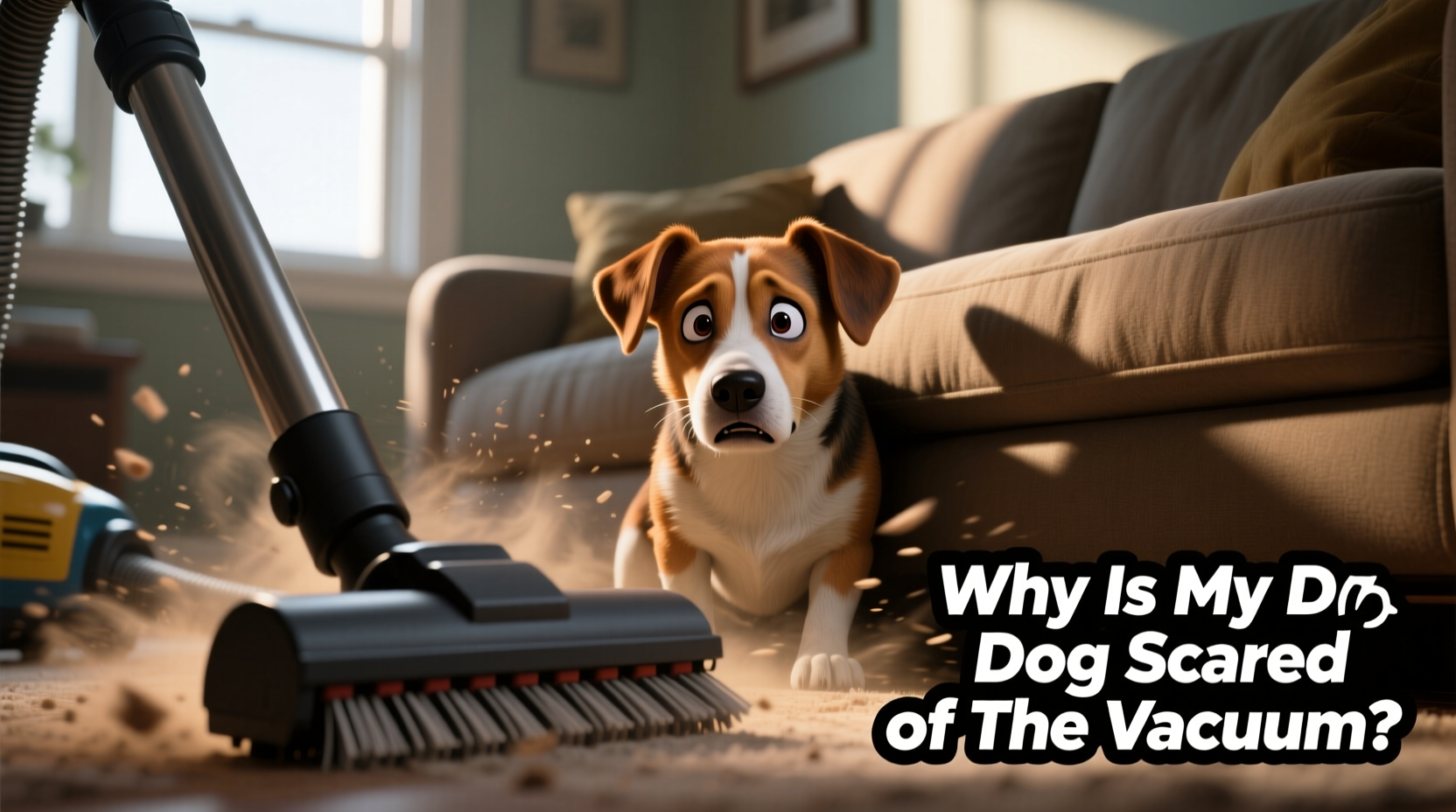
Dog behavior is heavily influenced by their evolutionary instincts. In the wild, sudden loud noises signal danger—potential predators or environmental threats. The vacuum cleaner mimics these warning signs with its high-pitched whine, erratic motion, and unpredictable behavior. Unlike humans, dogs don’t understand the purpose of the machine; they only perceive its sensory impact.
Canine hearing is significantly more acute than human hearing. Dogs can detect frequencies between 40 Hz and 60,000 Hz, compared to the human range of 20 Hz to 20,000 Hz. Many vacuum cleaners emit sounds in the 70–85 decibel range, often with sharp frequency spikes that fall within the upper limits of canine auditory sensitivity. This makes the noise not just loud, but physically uncomfortable or even painful for some dogs.
Additionally, the vibration from the motor and the sudden airflow can unsettle sensitive animals. The visual aspect—something moving quickly across the floor without apparent cause—can trigger alertness or fear. If the dog has had a negative experience, such as being startled by a sudden start-up or accidentally bumped by the vacuum, that memory can solidify into lasting fear.
Tip: Never force your dog to confront the vacuum directly. Fear-based training can deepen trauma and lead to long-term behavioral issues.Common Triggers Behind Sudden Fear
Sudden fear doesn’t appear out of nowhere. There’s usually a catalyst, even if it’s subtle. Recognizing these triggers helps tailor an effective response.
- Noise sensitivity: Age-related hearing changes or heightened anxiety can make ordinary sounds overwhelming.
- Past negative experience: A single incident—like the vacuum turning on unexpectedly near the dog—can create lasting fear.
- Environmental stress: Changes in the household, such as new people, pets, or routines, can lower a dog’s threshold for tolerating stressors.
- Aging or health decline: Older dogs may develop cognitive dysfunction or sensory impairments that increase fear responses.
- Lack of early exposure: Puppies not exposed to household appliances during their socialization window (3–14 weeks) may never become comfortable with them.
It’s also possible that the dog didn’t truly accept the vacuum before—it may have been tolerating it through suppression rather than comfort. Over time, as stress accumulates, suppressed reactions can erupt into full-blown fear.
“Dogs don’t misbehave out of defiance. They react based on how safe they feel. A sudden fear of the vacuum is a communication, not a character flaw.” — Dr. Rachel Stanton, Veterinary Behaviorist
Step-by-Step Guide to Desensitizing Your Dog
Reconditioning your dog’s response to the vacuum requires a gradual, controlled process called desensitization and counter-conditioning. This method replaces fear with positive associations through incremental exposure.
- Start with the vacuum turned off: Bring the vacuum into the room and place it in a corner. Let your dog investigate at their own pace. Reward calm behavior with treats or praise.
- Introduce proximity gradually: Over several sessions, move the vacuum closer to your dog while it remains off. Only progress when your dog shows no signs of tension.
- Add sound without motion: Turn on the vacuum in another room. Keep the door open so your dog hears it from a distance. Pair the sound with something positive, like feeding a meal or giving a favorite chew toy.
- Increase volume gradually: Slowly bring the vacuum into the same room, still turned on but placed far away. Continue pairing the sound with rewards.
- Introduce motion without proximity: Operate the vacuum across the room while your dog remains at a safe distance. Use high-value treats to reinforce calmness.
- Gradually reduce distance: Over days or weeks, shorten the gap between your dog and the moving vacuum, always watching for signs of stress.
- Practice regular exposures: Once your dog is comfortable, run the vacuum briefly in their presence during routine cleaning, maintaining a positive atmosphere.
Each step should take as long as needed—rushing leads to setbacks. Some dogs require weeks; others may need months. Consistency and patience are essential.
Do’s and Don’ts When Managing Vacuum Fear
| Do’s | Don’ts |
|---|---|
| Use high-value treats (e.g., chicken, cheese) during training | Yell at or punish your dog for reacting fearfully |
| Keep sessions short (3–5 minutes) and frequent | Force your dog to stay near the vacuum |
| Observe body language closely (tucked tail, pinned ears, panting) | Ignore signs of stress hoping they’ll “get over it” |
| Use calming aids like pheromone diffusers (Adaptil) during exposure | Turn on the vacuum unexpectedly as a “test” |
| Consult a professional trainer or behaviorist if progress stalls | Allow children to chase the dog with the vacuum |
Real Example: Helping Max Overcome Vacuum Anxiety
Max, a 4-year-old Border Collie mix, lived peacefully with his family for years. But after a houseguest accidentally turned on the vacuum while Max was sleeping nearby, he began trembling at the mere sight of it. His owners noticed he’d hide under the bed, bark aggressively, or drool excessively whenever the machine was moved.
They started a desensitization plan. For two weeks, they left the vacuum in the living room with treats scattered around it. Max sniffed it cautiously after several days. Next, they turned it on in the garage while feeding him dinner near the open door. Over three weeks, they brought the running vacuum into the house for brief periods, always pairing it with stuffed Kongs and praise.
By week six, Max could sit calmly five feet away from the operating vacuum. His owners now clean one room at a time while he stays in another—but on good days, he watches from the doorway without flinching. The key was consistency and respecting his pace.
Tip: Pair vacuum exposure with something your dog loves—like peanut butter on a lick mat—to build strong positive associations.When to Seek Professional Help
While many cases improve with patient home training, some dogs need expert intervention. Signs that professional support is necessary include:
- Aggressive reactions (snapping, lunging)
- Self-injury during panic episodes
- No improvement after 6–8 weeks of consistent effort
- Fear generalizing to other appliances or sounds
- Extreme avoidance behaviors (refusing to enter rooms where the vacuum is stored)
A certified canine behaviorist or veterinary behaviorist can design a tailored treatment plan, which may include environmental modifications, medication (such as anti-anxiety drugs), and advanced behavior protocols. Early intervention prevents the fear from becoming entrenched.
FAQ: Common Questions About Dogs and Vacuum Fear
Can older dogs develop new fears?
Yes. Aging dogs may experience cognitive decline, hearing changes, or reduced adaptability, making them more prone to developing fears later in life. Senior dogs benefit especially from predictable routines and gentle exposure techniques.
Is it okay to let my dog avoid the vacuum completely?
Complete avoidance may provide short-term relief but reinforces the fear long-term. It’s better to work toward tolerance through gradual exposure. However, if your dog is highly stressed, creating a safe retreat space during cleaning is a compassionate compromise.
Will getting a quieter vacuum solve the problem?
A quieter model may help, but it’s not a complete solution. Even low-decibel vacuums produce movement and airflow that can trigger fear. Use a quieter machine as part of a broader training strategy, not a standalone fix.
Conclusion: Building Confidence One Step at a Time
A dog’s sudden fear of the vacuum cleaner is more than a quirky annoyance—it’s a window into their emotional world. By approaching the issue with understanding and science-backed methods, you’re not just solving a cleaning inconvenience; you’re strengthening your bond and improving your dog’s quality of life.
Fear doesn’t vanish overnight, but with consistent, compassionate training, most dogs can learn to tolerate—or even ignore—the vacuum. Every small victory, from sniffing the machine to sitting calmly nearby, is a step toward greater security. Your patience today builds a calmer, more confident companion tomorrow.
💬 Have a story about helping your dog overcome a fear? Share your experience in the comments—your journey could inspire another pet owner facing the same challenge.








