Dogs are creatures of habit, and sudden changes in their behavior—especially fear responses—can be both confusing and distressing for pet owners. One common but often overlooked trigger is the vacuum cleaner. What was once tolerated or ignored can quickly become a source of panic. A dog that cowers, barks, or bolts at the sound of the vacuum isn’t being dramatic; they’re reacting to real sensory overload. Understanding the root causes of this fear and applying structured desensitization techniques can restore peace to your home and confidence to your dog.
Why Dogs Develop Fear of the Vacuum Cleaner
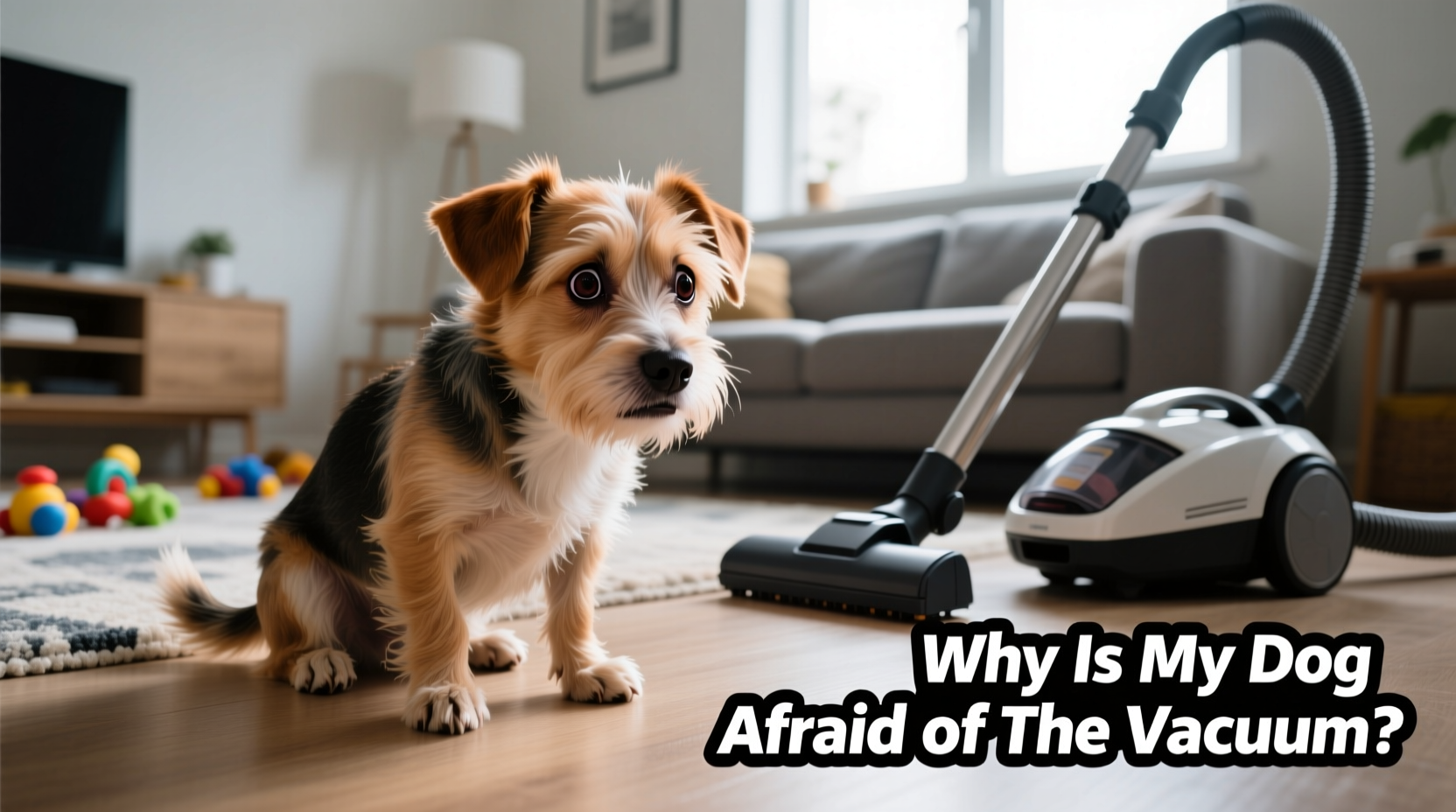
The vacuum cleaner combines several elements that naturally unsettle dogs: loud noise, sudden movement, vibration, and unpredictable behavior. While some dogs tolerate it from the start, others may develop fear over time—even if they previously seemed indifferent. This shift can occur due to aging, changes in environment, past negative experiences, or heightened sensitivity as a result of stress or trauma.
Dogs rely heavily on their hearing, which is far more acute than humans’. The high-pitched whine of a vacuum motor, especially cheaper models, can register as painful or alarming. Additionally, the erratic motion and unfamiliar scent (from dust, plastic, or electrical components) contribute to a multi-sensory threat perception. Even subtle cues—like you reaching for the vacuum closet—can trigger anticipatory anxiety through classical conditioning.
Tip: Never force your dog to approach the vacuum during a cleaning session. This reinforces fear and undermines trust.The Role of Past Experiences and Sensory Overload
A single negative incident—such as being startled by a sudden start-up or accidentally bumped by the machine—can create lasting fear. Unlike humans, dogs don’t rationalize danger after the fact. Once an object is labeled “threat,” avoidance becomes instinctive. In older dogs, cognitive decline may reduce their ability to cope with stimuli they once handled calmly.
Additionally, puppies or rescue dogs with limited exposure to household appliances may lack the socialization needed to interpret vacuums as non-threatening. Without early positive associations, these dogs remain vulnerable to noise phobias later in life.
How to Desensitize Your Dog: A Step-by-Step Guide
Desensitization works by gradually exposing your dog to the feared stimulus at a low intensity, pairing it with positive outcomes like treats or praise. The goal is not to eliminate the vacuum but to change your dog’s emotional response—from fear to neutrality or even anticipation of good things.
This process requires patience, consistency, and precise control over exposure levels. Rushing leads to setbacks. Below is a structured timeline to guide you through successful desensitization.
- Phase 1: Introduce the vacuum in a neutral state – Place the unplugged vacuum in a common area. Let your dog investigate at their own pace. Reward calm behavior with high-value treats.
- Phase 2: Add movement without sound – Push the vacuum slowly across the floor while unplugged. Continue rewarding relaxed observation or proximity.
- Phase 3: Introduce sound at a distance – Turn on the vacuum in another room. Keep the door open so sound travels softly. Offer treats only when your dog remains calm.
- Phase 4: Gradual exposure to closer sounds – Run the vacuum in the same room but at maximum distance. Gradually decrease space over multiple sessions.
- Phase 5: Pair vacuum use with positive routines – Feed meals, play games, or give chews while the vacuum runs nearby.
- Phase 6: Normal usage with monitoring – Resume regular cleaning, watching closely for signs of stress. Reinforce calmness immediately.
Each phase may take hours or days, depending on your dog’s temperament. Skip ahead only when your dog shows no signs of tension—no trembling, panting, whale eye, or retreat—for three consecutive exposures.
Counter-Conditioning: Changing Emotional Associations
Desensitization is most effective when paired with counter-conditioning—teaching your dog to associate the vacuum with something pleasurable. Use treats your dog rarely receives, such as boiled chicken, cheese, or freeze-dried liver. The key is timing: deliver the treat *only* when the vacuum is present and turn it off when the stimulus ends.
Over time, your dog will begin to anticipate the treat upon hearing the vacuum, shifting their brain chemistry from fight-or-flight to reward-seeking.
“Fear-based behaviors won’t disappear through repetition alone. They require controlled exposure and positive reinforcement to rewire the emotional response.” — Dr. Karen Overall, Veterinary Behaviorist
Common Mistakes That Worsen Vacuum Fear
Well-meaning owners often unintentionally reinforce fear through common errors. Recognizing these pitfalls is crucial to progress.
| Mistake | Why It’s Harmful | Better Approach |
|---|---|---|
| Picking up or cuddling the dog during vacuum use | Reinforces fear by treating it as a crisis; teaches the dog that fear gets attention | Stay calm, ignore fearful behavior, and reward only relaxed body language |
| Trying to \"get used to it\" by frequent exposure | Repeated high-intensity exposure without control increases sensitization | Use gradual, controlled sessions with recovery time between |
| Using the vacuum when the dog is already anxious | Associates the machine with existing stress, deepening negative links | Only run the vacuum during training sessions when the dog is relaxed |
| Allowing children to chase the dog with the vacuum | Creates traumatic associations and erodes trust | Supervise all interactions and maintain respectful boundaries |
Real-Life Example: Helping Max Overcome His Fear
Max, a 3-year-old mixed-breed rescue, lived peacefully with his family for two years before suddenly panicking whenever the vacuum came out. He would bark frantically, hide under the bed, and salivate excessively. His owners assumed he’d always been afraid but hadn’t noticed earlier.
After consulting a certified trainer, they began a desensitization plan. First, they placed the unplugged vacuum in the living room for a week, feeding Max his meals near it. Next, they rolled it back and forth while giving him stuffed Kongs. After ten days, they turned it on in the garage while Max stayed indoors—treats flowed the moment he looked toward the sound.
Over six weeks, Max progressed to eating dinner beside the running vacuum. Today, he still moves to another room during cleaning but does so calmly, without vocalizing or hiding. His transformation wasn’t overnight, but consistency made all the difference.
Tip: Record short video clips during each phase to track subtle improvements in body language—ear position, tail height, blinking rate—that indicate reduced stress.Checklist: How to Successfully Desensitize Your Dog to the Vacuum
- ✅ Choose a quiet time of day for training sessions
- ✅ Use high-value treats exclusively during exposure
- ✅ Start with the vacuum powered off and visible
- ✅ Progress only when your dog shows zero fear for three sessions
- ✅ Limit sessions to 5–10 minutes to prevent fatigue
- ✅ Avoid punishment or forced contact with the vacuum
- ✅ Involve all household members in consistent training
- ✅ Monitor body language: licking lips, yawning, and turning away signal rising stress
- ✅ End each session on a positive note, even if brief
- ✅ Revisit earlier phases if regression occurs
Frequently Asked Questions
Can older dogs be desensitized to the vacuum?
Yes. Age doesn’t preclude learning. Older dogs may take longer due to established habits or reduced adaptability, but with patience, most can improve significantly. Cognitive support diets or vet-approved supplements may also help reduce baseline anxiety.
What if my dog runs and hides every time I turn on the vacuum?
Respect their need to escape initially. Do not drag them out. Instead, begin desensitization using recorded vacuum sounds played at low volume while they’re engaged in a positive activity. Gradually increase volume over days. Hiding is a coping mechanism—your job is to make the stimulus less threatening over time.
Should I use a quieter vacuum to help my dog?
A quieter model can support the process, but don’t rely on it as a sole solution. Some dogs react to visual cues or vibrations, not just noise. Use a quieter vacuum as a tool within a broader training plan, not a replacement for behavioral work.
Support Tools and Alternatives During Training
While desensitization is the gold standard, supplementary tools can ease the journey:
- White noise machines – Help mask vacuum sounds during early phases.
- Pheromone diffusers (Adaptil) – Release calming signals that reduce baseline anxiety.
- Thundershirts or anxiety wraps – Apply gentle pressure that may soothe nervous systems.
- Recorded vacuum sounds – Available online, useful for controlled audio exposure.
Note: These aids support training but do not replace it. Their effectiveness varies by individual. Always prioritize active behavior modification over passive solutions.
When to Seek Professional Help
If your dog exhibits extreme reactions—such as self-injury, uncontrollable shaking, or aggression—or if progress stalls despite consistent effort, consult a veterinary behaviorist or certified dog trainer. Underlying medical conditions (e.g., hearing loss, pain, neurological issues) or generalized anxiety disorders may require targeted intervention, including medication in severe cases.
Early professional involvement prevents the fear from becoming entrenched. As Dr. Sophia Yin, animal behavior expert, emphasized: “Behavior problems are medical problems until proven otherwise.”
Conclusion
A dog’s sudden fear of the vacuum cleaner is not defiance or stubbornness—it’s communication. By understanding the sensory and psychological roots of this reaction, you can respond with empathy and strategy. Desensitization isn’t about winning a battle against noise; it’s about rebuilding your dog’s sense of safety in their environment.
Progress may be slow, but each small step counts. Celebrate quiet glances, relaxed ears, and moments of curiosity. With time, your dog can coexist peacefully with household routines. Start today, stay consistent, and remember: patience isn’t just kind—it’s transformative.
💬 Have you successfully helped your dog overcome a fear? Share your story in the comments—your experience could inspire another pet owner on the same journey.








