Dogs are naturally curious creatures, especially during walks when they're exposed to a wide range of environmental stimuli. While an occasional sneeze is normal, repeated or persistent sneezing immediately after returning from a walk may signal something more than just a tickle in the nose. For many pet owners, this behavior raises concern: Is it allergies? Irritants? Or could it be a sign of a more serious condition?
Understanding the root cause of post-walk sneezing can help you take timely action to protect your dog’s respiratory health. From airborne allergens to foreign bodies, several factors can trigger this reaction. This article explores the most common causes, how to identify them, and what practical steps you can take to reduce or eliminate the problem.
Common Causes of Post-Walk Sneezing in Dogs
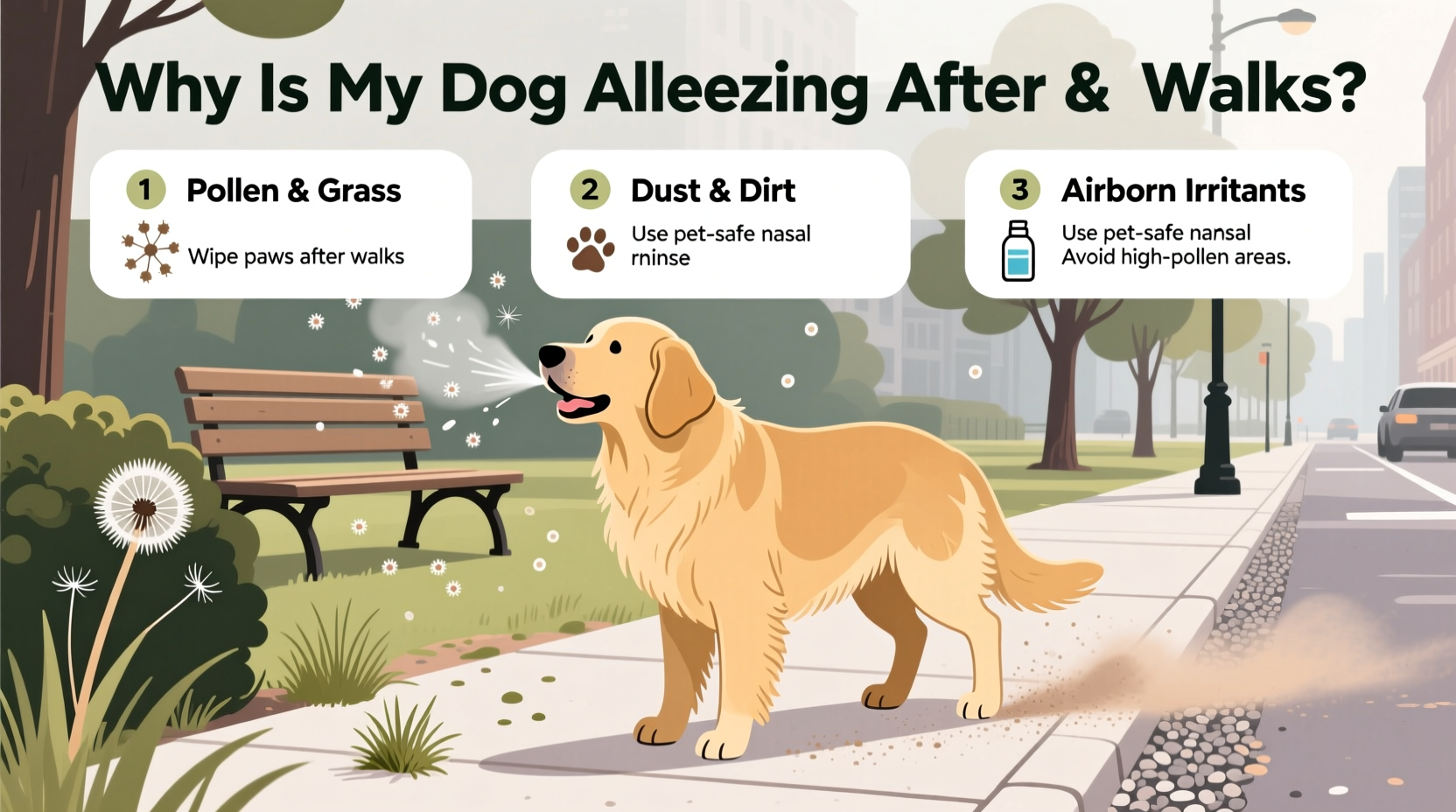
Sneezing is your dog’s body trying to expel an irritant from the nasal passages. After a walk, exposure to outdoor elements increases the likelihood of encountering triggers. The following are among the most frequent culprits:
- Pollen: Trees, grasses, and weeds release pollen that dogs inhale while sniffing the ground or vegetation.
- Mold spores: Found in damp areas like leaf piles, mulch beds, or shaded parks, these microscopic fungi can irritate nasal tissues.
- Dust and debris: Wind-blown soil, construction dust, or dried plant matter can enter the nostrils during exploration.
- Chemical irritants: Pesticides, fertilizers, road salts, or cleaning agents used on sidewalks may leave residues that affect sensitive noses.
- Foreign objects: Grass seeds, foxtails, or small twigs can become lodged in the nasal cavity, causing sudden and violent sneezing.
- Secondhand smoke or vehicle exhaust: Urban environments often expose dogs to air pollution, which can inflame nasal membranes.
In some cases, sneezing may also be behavioral—dogs sometimes “play sneeze” during excitement or social interaction. But if sneezing occurs consistently after every walk and is accompanied by other symptoms, it's likely physiological rather than playful.
Tip: Observe the timing and pattern of sneezing. If it starts within minutes of returning home and stops shortly after, environmental allergens are a strong suspect.Identifying Allergens in Your Dog’s Environment
Allergic reactions in dogs often manifest through skin irritation, ear infections, or respiratory signs like sneezing, coughing, or nasal discharge. Unlike humans, dogs don’t typically show classic hay fever symptoms such as itchy eyes, making diagnosis less straightforward.
To pinpoint potential allergens, consider keeping a symptom journal for one to two weeks. Record details such as:
- Date and time of each walk
- Location (urban sidewalk, wooded trail, grassy park)
- Weather conditions (dry/windy = high pollen; damp = mold risk)
- Duration of sneezing episodes
- Presence of mucus, pawing at nose, or nosebleeds
Patterns may reveal correlations—for example, increased sneezing on dry spring mornings suggests tree pollen sensitivity, while worsening symptoms near compost heaps or forest floors might point to mold.
“Environmental allergies in dogs are often seasonal and location-specific. Tracking exposure helps us differentiate between true allergy and transient irritation.” — Dr. Lena Torres, Veterinary Dermatologist
Seasonal vs. Year-Round Triggers
Allergens vary throughout the year. Understanding seasonal trends can guide prevention efforts:
| Season | Common Allergens | High-Risk Environments |
|---|---|---|
| Spring | Tree and grass pollen | Parks with blooming trees, open lawns |
| Summer | Grass pollen, mold spores, insect bites | Damp grass, wooded trails, stagnant water areas |
| Fall | Weed pollen (ragweed), decaying leaves | Leaf piles, agricultural fields, suburban yards |
| Winter | Indoor allergens (dust mites), chemical de-icers | City sidewalks, indoor heating systems |
Even if your dog only sneezes in certain seasons, repeated exposure can lead to sensitization over time, turning mild reactions into chronic issues.
When Sneezing Signals Something More Serious
While most cases of post-walk sneezing are benign and resolve quickly, there are red flags that warrant veterinary attention:
- Sneezing persists for hours after returning indoors
- Blood or yellow/green discharge from the nose
- Pawing at the face or shaking the head frequently
- Lethargy, loss of appetite, or difficulty breathing
- One-sided nasal discharge (suggests a localized issue like a foreign body)
A particularly dangerous scenario involves grass awns or foxtails—sharp, barbed plant seeds common in many regions. These can migrate into the nasal passage and cause severe inflammation, infection, or even require surgical removal.
Mini Case Study: Bella the Border Collie
Bella, a 4-year-old Border Collie, began sneezing violently after every walk in a local meadow. Her owner initially assumed it was pollen, but when bloody mucus appeared and Bella became increasingly agitated, she visited the vet. An endoscopic exam revealed a foxtail embedded deep in her left nostril. After removal under anesthesia, Bella recovered fully—but the incident highlighted how quickly a simple sneeze can escalate.
This case underscores the importance of not dismissing persistent sneezing as “just allergies” without ruling out physical causes.
Practical Solutions to Reduce Post-Walk Sneezing
Once you’ve assessed the likely triggers, you can implement targeted strategies to minimize your dog’s exposure and discomfort. Many solutions are low-cost and easy to integrate into your daily routine.
Step-by-Step Guide: Reducing Environmental Exposure
- Adjust walk times: Pollen counts are highest in early morning and late afternoon. Opt for midday walks when possible, especially during peak allergy seasons.
- Choose cleaner routes: Avoid walking through tall grass, leaf piles, or recently treated lawns. Stick to paved paths where airborne particles are less concentrated.
- Rinse the snout post-walk: Use a soft, damp cloth to gently wipe your dog’s muzzle and nostrils after returning home. This removes surface allergens and prevents prolonged irritation.
- Use a canine nose balm (optional): Some pet-safe balms create a light barrier that traps particles before they enter the nasal tract. Apply sparingly to the bridge of the nose and around nostrils.
- Wash paws and coat: Allergens cling to fur. A quick rinse or pet-safe wipe-down reduces overall exposure and prevents secondary ingestion during grooming.
- Run an air purifier indoors: HEPA filters capture airborne allergens your dog may carry inside, improving indoor air quality.
Natural and Medical Interventions
If allergens cannot be fully avoided, supportive care can ease symptoms:
- Saline nasal sprays: Veterinarian-approved saline drops can flush irritants and soothe inflamed tissue. Never use human decongestant sprays.
- Omega-3 fatty acids: Supplements like fish oil support immune function and reduce inflammatory responses.
- Antihistamines: In moderate cases, vets may recommend diphenhydramine (Benadryl®) or cetirizine under supervision. Dosage must be precise and based on weight.
- Allergy testing and immunotherapy: For chronic cases, intradermal or blood tests can identify specific allergens. Custom vaccines (allergy shots) may then be prescribed to desensitize the immune system over time.
“Not all sneezing requires medication. Often, environmental management alone resolves 60–70% of cases.” — Dr. Rajiv Mehta, Small Animal Internal Medicine Specialist
Checklist: What to Do If Your Dog Sneezes After Walks
Follow this actionable checklist to assess and respond appropriately:
- ✅ Monitor frequency and duration of sneezing
- ✅ Check for nasal discharge, bleeding, or swelling
- ✅ Review recent walk locations and weather conditions
- ✅ Wipe your dog’s face and paws after each walk
- ✅ Eliminate high-risk areas (e.g., unmowed fields, chemical-treated zones)
- ✅ Consult your veterinarian if symptoms persist beyond 24 hours
- ✅ Consider allergy testing if seasonal patterns repeat annually
FAQ
Can dogs be allergic to grass?
Yes, but not to the grass itself—dogs are usually reacting to pollen released by grass plants or mold growing on decaying blades. Contact dermatitis can also occur if chemicals have been applied to lawns.
Is it safe to give my dog Benadryl for sneezing?
Only under veterinary guidance. While diphenhydramine is commonly used for allergies, incorrect dosing or underlying health conditions (like glaucoma or heart disease) can make it unsafe. Always consult your vet first.
How long does pollen stay on a dog’s fur?
Pollen can remain on fur for days if not removed. Regular wiping or bathing during high-allergy seasons significantly reduces re-exposure and systemic reactions.
Conclusion: Take Action for Your Dog’s Comfort
Sneezing after walks isn’t always a cause for alarm, but it shouldn’t be ignored either. By understanding the possible allergens and irritants in your environment, you can make informed choices that improve your dog’s comfort and long-term health. Simple changes—like adjusting walk times, wiping down your pet, or choosing safer routes—can dramatically reduce exposure.
For recurring or severe symptoms, professional veterinary evaluation is essential. Early intervention prevents complications and ensures that what seems like a minor annoyance doesn’t develop into a chronic condition.
💬 Have a dog that sneezes after walks? Share your experience or solution in the comments below—your insight could help another pet parent find relief for their furry friend.








