
Dogs chewing shoes is one of the most common frustrations pet owners face. Whether it’s a favorite pair of leather loafers or a brand-new running sneaker, seeing your footwear reduced to chewed-up remnants can be maddening. But before you label your dog as mischievous or defiant, it’s important to understand that shoe-chewing is rarely about spite. Instead, it's usually rooted in instinct, boredom, anxiety, or unmet needs. The good news? With the right approach, this behavior can be redirected and ultimately eliminated.
This guide breaks down the psychological and physical reasons behind your dog’s shoe obsession and provides practical, science-backed strategies to correct it. From environmental adjustments to structured training techniques, you’ll gain actionable steps to protect your footwear—and strengthen your bond with your dog in the process.
Why Dogs Chew Shoes: The Real Reasons Behind the Behavior
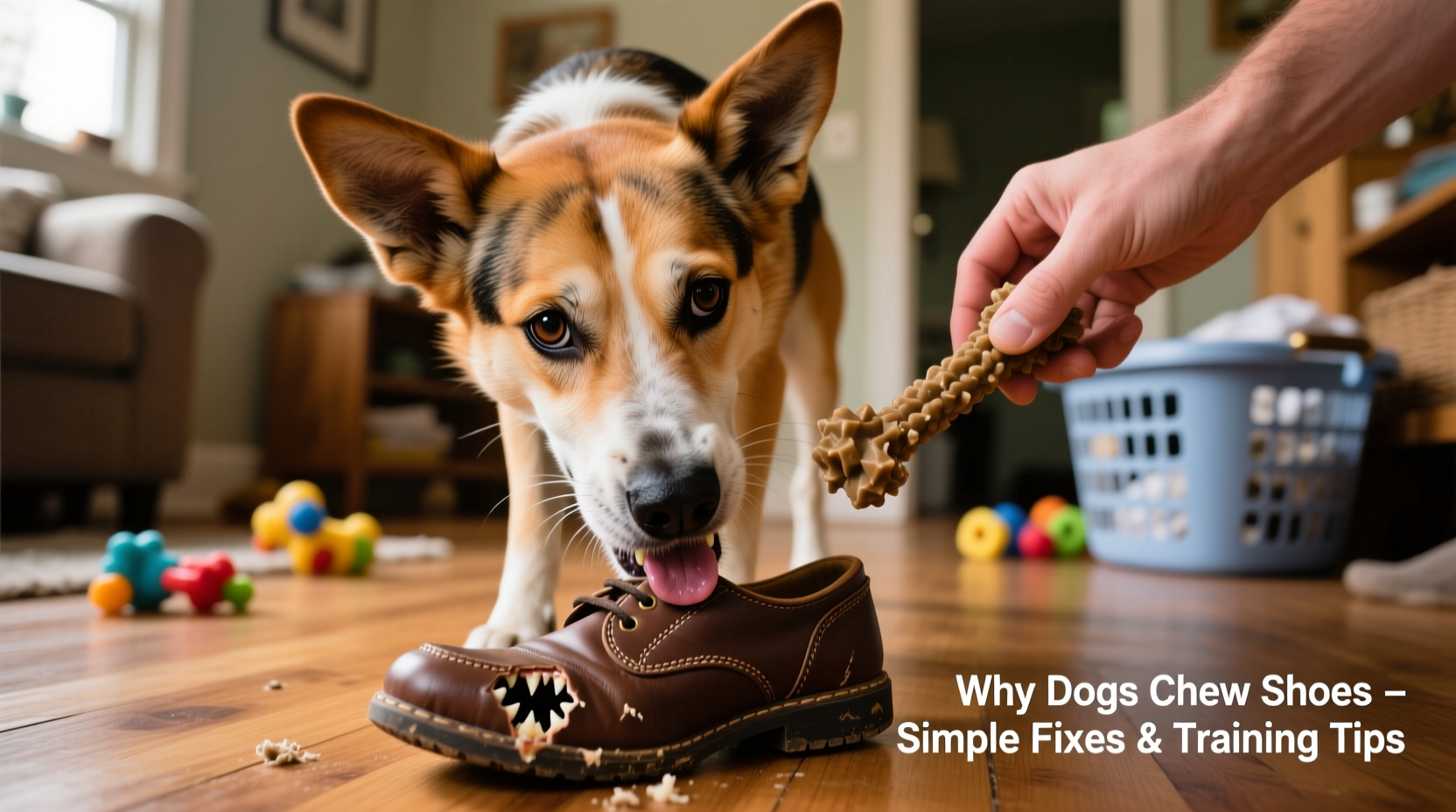
Chewing is a natural behavior for dogs. In the wild, canines gnaw on bones and tough materials to clean their teeth, relieve stress, and explore their environment. Domestic dogs retain these instincts, but without proper outlets, they turn to household items—especially shoes.
Several key factors contribute to this specific fixation:
- Scent attraction: Shoes carry your scent, which is comforting and intriguing to dogs. Your odor acts like emotional bait, making shoes far more appealing than generic chew toys.
- Texture and accessibility: Many shoes are made from soft leather, rubber soles, or fabric—ideal for gnawing. They’re also often left within easy reach near doorways or bedrooms.
- Boredom and under-stimulation: Dogs left alone for long periods without mental or physical engagement may resort to chewing as a form of self-entertainment.
- Teething (in puppies): Puppies between 3 and 6 months old experience discomfort as adult teeth emerge. Chewing soothes sore gums, leading them to target anything within reach—including your boots.
- Anxiety or separation distress: Dogs with separation anxiety may chew shoes as a displacement behavior, seeking comfort through familiar scents during stressful absences.
Simple Environmental Fixes to Prevent Shoe Chewing
The first step in stopping shoe destruction isn’t training—it’s management. You can’t train a dog not to chew when temptation is everywhere. Start by removing access to shoes entirely.
Consider these practical changes:
- Store shoes out of reach: Use closed closets, high shelves, or lockable storage bins. Even if your dog can’t jump, leaving shoes visible encourages opportunistic chewing.
- Create a designated dog zone: Use baby gates or crates to limit access to high-risk areas like entryways when unsupervised.
- Provide immediate alternatives: Keep durable chew toys near common lounging spots. Rotate toys weekly to maintain novelty.
- Use deterrent sprays: Apply pet-safe bitter sprays (like Grannick’s Bitter Apple) to discourage chewing. Test on a small area first to avoid damage.
- Clean up scent trails: Wash floors around shoe storage areas with enzyme cleaners to remove lingering odors that attract dogs.
| Do | Don't |
|---|---|
| Rotate chew toys every few days to prevent boredom | Leave shoes scattered near doors or under furniture |
| Use positive reinforcement when your dog chooses a toy | Yell or physically punish after the fact |
| Supervise closely during early training stages | Assume your dog “knows better” after one correction |
| Offer frozen chew toys for teething puppies | Give old shoes as “acceptable” chew items |
Training Your Dog to Choose Toys Over Shoes
Prevention works in the short term, but lasting change requires consistent training. The goal is to teach your dog that chewing appropriate items leads to rewards, while ignoring shoes becomes second nature.
Follow this step-by-step method:
- Observe triggers: Note when and where chewing occurs—after walks, during alone time, upon waking. This helps anticipate and intercept unwanted behavior.
- Interrupt and redirect: If you catch your dog approaching or chewing a shoe, calmly say “Leave it,” remove the item, and immediately offer a chew toy. Praise and treat when they accept the toy.
- Practice the “Drop It” command: Train this using high-value treats. Say “Drop it,” present the treat near their nose, and reward once they release the object. Practice with low-value items first.
- Reinforce independent play: Reward your dog for spending time with toys without supervision. Use treats or praise when you notice them chewing appropriately.
- Gradually increase freedom: Once reliable with supervision, allow controlled access to previously risky areas. Intervene at the first sign of interest in off-limits items.
“Dogs don’t generalize well. Just because your dog learns not to chew shoes in the living room doesn’t mean they’ll apply that rule in the bedroom. Training must be consistent across environments.” — Dr. Sarah Collins, Certified Animal Behaviorist
Case Study: Fixing Max’s Midnight Shoe Raid
Max, a 9-month-old Labrador Retriever, had developed a habit of chewing his owner’s running shoes every night. His owner, Jenna, returned from work to find shredded laces and foam debris scattered across the hallway. She tried scolding him, but the behavior continued.
After consulting a trainer, she implemented a three-part plan:
- She moved all shoes into a locked closet and placed a Kong toy filled with peanut butter in Max’s crate each evening.
- She began practicing the “Leave it” command daily using treats and low-value objects.
- She increased Max’s daily exercise, adding a 30-minute evening walk and 15 minutes of fetch.
Within two weeks, the shoe chewing stopped. By week four, Max would look at the toy bin when entering the house, anticipating his reward. The combination of environmental control, training, and enriched routine addressed both the opportunity and the underlying need driving the behavior.
Checklist: How to Stop Shoe Chewing for Good
Action Plan:
- ✅ Remove all shoes from accessible areas
- ✅ Stock a variety of durable chew toys (rubber, nylon, rope)
- ✅ Supervise your dog closely during high-risk times
- ✅ Teach and practice “Leave it” and “Drop it” commands
- ✅ Increase daily physical and mental exercise
- ✅ Use bitter sprays on shoes if needed
- ✅ Reward your dog generously for choosing toys
- ✅ Gradually reintroduce freedom only after consistent success
Frequently Asked Questions
Can I let my dog chew old shoes?
No. Allowing your dog to chew any shoes—even old ones—confuses the boundary. Dogs can’t distinguish between “this shoe” and “that shoe.” Stick to designated chew toys only.
What kind of chew toys work best?
Rubber toys like Kongs, Nylabones, and West Paw designs are durable and safe. Avoid soft plush toys if your dog is an aggressive chewer. For teething puppies, frozen washcloths or rubber teething rings can provide relief.
Is shoe chewing a sign of anxiety?
It can be. If your dog only chews when left alone, destroys multiple items, or shows other signs like pacing, whining, or house soiling, separation anxiety may be involved. In such cases, consult a veterinarian or certified behaviorist for a tailored plan, which may include desensitization training or medication.
When to Seek Professional Help
Most shoe-chewing issues resolve with consistent management and training. However, if your dog continues destructive behavior despite your efforts—or shows signs of obsessive-compulsive tendencies—you may need expert intervention.
Warning signs include:
- Chewing non-food items excessively, even with ample toys and exercise
- Self-injury during chewing attempts (e.g., broken teeth, bleeding gums)
- Extreme distress when prevented from chewing certain items
- Behavior worsening over time despite corrections
A veterinary behaviorist can assess whether underlying medical issues (like gastrointestinal discomfort) or compulsive disorders are contributing. They may recommend behavioral modification programs or, in some cases, anti-anxiety medication as part of a comprehensive treatment plan.
Conclusion: Turn Destructive Habits Into Lasting Change
Your dog’s obsession with chewing shoes isn’t a reflection of bad behavior—it’s a signal that something is missing. Whether it’s stimulation, training, or emotional security, addressing the root cause transforms frustration into progress. By combining smart environmental changes with patient, reward-based training, you can guide your dog toward healthier habits.
Remember, consistency is everything. One missed day of training or a single pair of shoes left out can undo weeks of progress. But with persistence, most dogs learn to leave footwear alone and develop a genuine preference for their own toys.
💬 Have a shoe-chewing story or a tip that worked for your dog? Share your experience in the comments—your insight could help another pet owner save their sneakers!








