As the holiday season approaches, homes light up with festive decorations — and for many dog owners, that includes strings of twinkling Christmas lights. While beautiful to us, these glowing strands can become irresistible chew toys for dogs. The combination of movement, warmth, and dangling textures triggers instinctive behaviors in many dogs, turning a joyful tradition into a safety hazard. Understanding why your dog is drawn to these cords — and how to redirect that behavior — is essential for a safe, stress-free holiday.
Dogs don’t chew electrical cords out of mischief. Their actions are driven by curiosity, teething discomfort, boredom, or a lack of appropriate outlets for natural chewing instincts. Left unaddressed, this behavior can lead to electrocution, burns, or even house fires. Fortunately, with insight, preparation, and consistent training, you can protect both your pet and your home while still enjoying a fully decorated holiday season.
Why Dogs Are Drawn to Chewing Light Cords
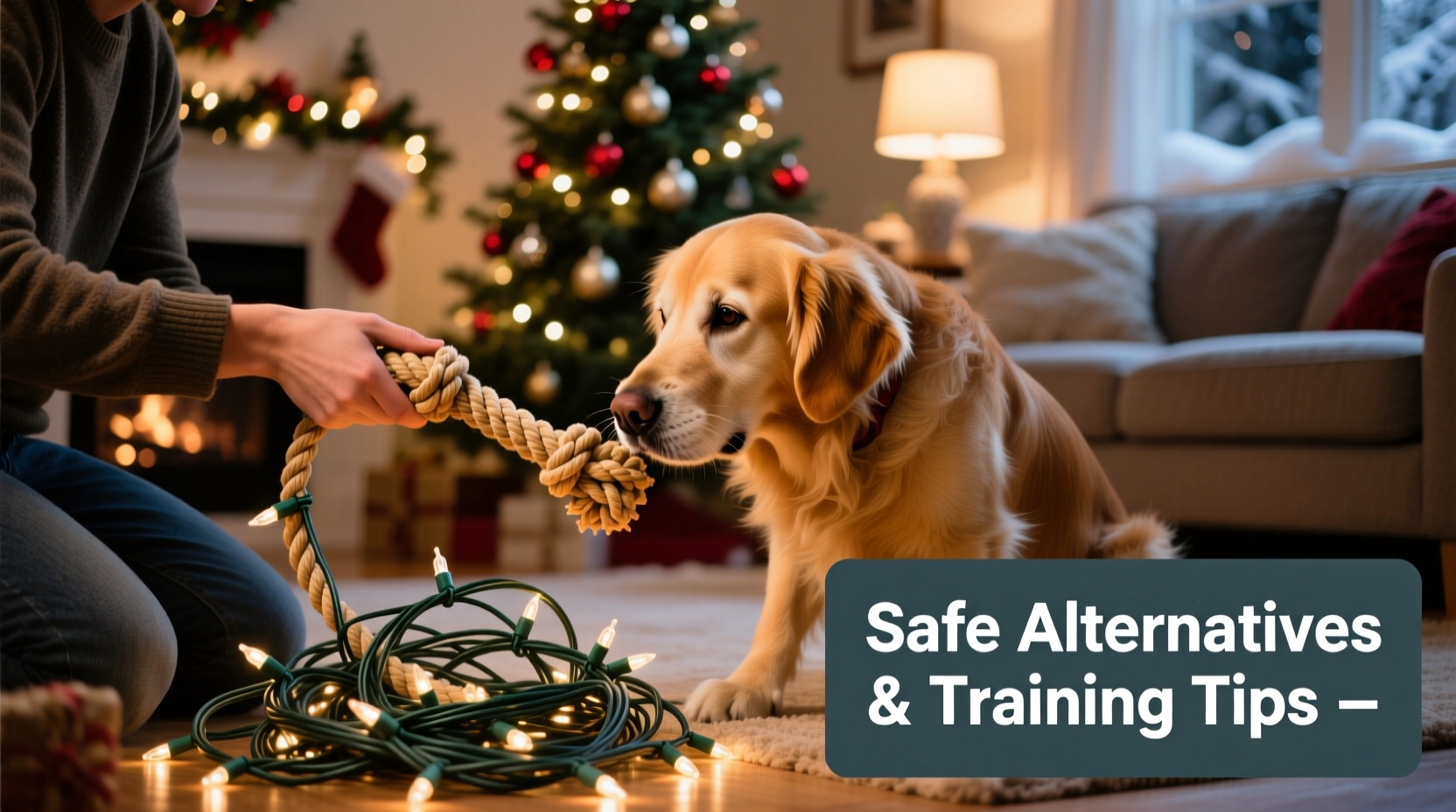
The appeal of Christmas light cords goes beyond simple temptation. Several behavioral and biological factors contribute to a dog’s obsession with these tempting strands:
- Teething (in puppies): Puppies between 3 and 7 months old experience intense gum discomfort as adult teeth emerge. Anything long, flexible, and textured — like cords — feels satisfying to gnaw on.
- Sensory stimulation: Cords emit subtle warmth from electricity, vibrate slightly when touched, and move when pulled — all of which trigger prey drive and tactile curiosity.
- Boredom or anxiety: Dogs left alone during the holidays may resort to destructive chewing due to understimulation or separation distress.
- Lack of acceptable chew options: If a dog doesn’t have access to durable, engaging chew toys, they’ll improvise with what’s available — often leading to dangerous choices.
- Positive reinforcement (unintentional): If a dog chews a cord and receives attention — even if it’s scolding — they may repeat the behavior to gain interaction.
“Dogs chew cords not because they’re ‘bad,’ but because their environment isn’t meeting their physical or emotional needs.” — Dr. Karen Becker, Integrative VeterinarianTip: Never yank a dog away from a live cord. Turn off power at the outlet first to prevent shock.
Safety Risks of Cord Chewing
Chewing on Christmas light cords isn’t just inconvenient — it’s potentially life-threatening. Electrical cords carry current that can cause serious injury or death in pets. Common consequences include:
- Electrical burns: Entry wounds typically appear on the lips, tongue, or mouth. Internal burns can damage the heart, lungs, or digestive tract.
- Cardiac arrest: Even low-voltage household currents can disrupt heart rhythm, especially in small dogs.
- Respiratory complications: Fluid buildup in the lungs (pulmonary edema) may develop hours after a shock, requiring emergency care.
- Household fire hazards: Damaged cords increase the risk of short circuits and electrical fires, endangering the entire household.
According to the National Fire Protection Association (NFPA), decorative lighting accounts for an estimated 7% of home structure fires during the holiday season. Pets play a significant role in many of these incidents, either by pulling down trees or chewing through wires.
Safe Alternatives to Traditional Light Cords
Instead of eliminating holiday lights altogether, consider safer, dog-friendly alternatives that maintain the festive spirit without the danger:
| Alternative | Benefits | Limitations |
|---|---|---|
| Battery-powered LED string lights | No electrical cords; cool to the touch; portable placement | Shorter runtime; requires battery changes |
| Fiber optic trees and displays | Soft materials; no heat or electricity in visible parts | Higher upfront cost; less brightness |
| LED flameless candles | Mimic flickering light safely; can be placed near pets | May need charging or batteries |
| Cordless projectors | Project lights onto walls/sidewalks; no accessible cords | Outdoor use only; limited indoor effect |
| PVC pipe-encased cords | Hard plastic shields prevent chewing; reusable | Affects flexibility; may alter light layout |
For those committed to traditional lighting, consider using cord covers made from split loom tubing or flexible plastic conduit. These inexpensive sleeves make cords too rigid and unpleasant to chew, while also protecting against fraying.
Tip: Use double-sided tape or bitter apple spray on cord covers — dogs dislike the texture and taste, which reinforces avoidance.Training Your Dog to Leave Cords Alone
Prevention works best when paired with consistent training. Teaching your dog to avoid cords involves redirection, positive reinforcement, and environmental management. Here’s a step-by-step approach:
- Remove temptation initially: During early training, unplug and hide cords completely. Create a safe zone where your dog cannot access any wires.
- Introduce the “Leave It” command: Hold a treat in a closed fist. When your dog sniffs or paws, wait silently. As soon as they back away, say “Yes!” and reward with a different treat. Repeat until they consistently retreat on cue.
- Practice with distractions: Place a harmless object (like a shoelace) on the floor. Say “Leave it” as your dog approaches. Cover the item with your hand if needed. Reward compliance immediately.
- Gradually introduce real cords: Use unplugged cords secured to baseboards. Practice “Leave it” nearby. Increase difficulty slowly.
- Add duration and distance: Once reliable, ask your dog to stay away from cords across the room. Reward from a distance using toss treats.
- Maintain consistency: Reinforce the command daily, especially during high-risk times like decorating or family gatherings.
Pair training with a strong “trade” strategy: always replace forbidden items with something better. Keep high-value chew toys nearby — such as frozen Kongs or bully sticks — so your dog has a rewarding alternative.
Real-Life Example: Bella the Border Collie Mix
Bella, a 10-month-old Border Collie mix, had a habit of unraveling her family’s Christmas tree every year. At six months old, she chewed through a light cord and suffered minor lip burns — a wake-up call for her owners. After consulting a trainer, they implemented a multi-pronged approach:
- Switched to battery-powered fairy lights wrapped around a fiber-optic tree
- Used a cordless projector to create outdoor snowflake patterns
- Trained Bella using the “Leave It” command over six weeks
- Provided a stuffed Kong filled with peanut butter each evening during the holidays
By December, Bella could sit calmly five feet from a lit display. Her owners gradually reintroduced one strand of plug-in lights — encased in clear PVC tubing — with no incidents. Today, Bella earns treats for ignoring the cords entirely.
Checklist: Holiday-Proof Your Home for Dogs
Use this checklist in the weeks before decorating to ensure a safe, joyful season:
- ✅ Inspect all electrical cords for frays or exposed wires
- ✅ Replace traditional lights with battery-operated LEDs where possible
- ✅ Install cord covers or run wires behind furniture
- ✅ Secure cords with zip ties or adhesive clips out of reach
- ✅ Train or refresh “Leave It” and “Drop It” commands
- ✅ Stock up on durable chew toys and food puzzles
- ✅ Designate a dog-safe room with monitored access during parties
- ✅ Post emergency vet numbers visibly near phones
Frequently Asked Questions
What should I do if my dog gets shocked by a cord?
Do not touch your dog directly — you could also get shocked. Immediately turn off the power at the breaker or unplug the device. Check for breathing and responsiveness. Even if your dog seems fine, seek veterinary care immediately. Internal injuries may not be visible but can be fatal within hours.
Are bitter sprays safe for dogs?
Commercial bitter apple or citrus-based sprays are generally safe when used as directed. Avoid homemade remedies with strong essential oils (like tea tree), which can be toxic if ingested. Always test on a small area first and reapply after cleaning.
Can I train an older dog to stop chewing cords?
Yes. While puppies are more impressionable, adult dogs can learn new behaviors with patience and consistency. Focus on enriching their environment, addressing anxiety, and reinforcing desired behaviors with rewards. Older dogs may require longer training periods, but success is absolutely achievable.
Final Thoughts: A Safer, Happier Holiday
Your dog’s fascination with Christmas light cords isn’t a flaw — it’s a signal. It tells you they need more mental stimulation, better chew outlets, or clearer boundaries. With thoughtful planning, humane training, and a few strategic swaps, you can preserve the magic of the season without compromising safety.
This holiday, don’t just decorate your home — design it with your dog in mind. Choose smarter lighting, reinforce good habits, and provide plenty of engaging alternatives. By doing so, you’re not just preventing accidents; you’re building trust, confidence, and a deeper bond with your pet.
💬 Have a tip or story about pet-proofing your holidays? Share your experience in the comments — your insight could help another pet owner enjoy a safer, brighter season!








