
Dogs communicate in many ways—through barking, tail wagging, and even body language. But when a dog begins obsessively licking the floor, it’s more than just quirky behavior. It can signal underlying health issues, anxiety, or environmental triggers that need attention. While occasional floor licking might be harmless curiosity, persistent and compulsive licking should never be ignored. Understanding the root causes and knowing how to respond can make a significant difference in your dog’s well-being.
This article explores the most common reasons behind obsessive floor licking in dogs, from gastrointestinal distress to neurological conditions, and provides actionable strategies for diagnosis, treatment, and prevention.
Common Medical Causes of Obsessive Floor Licking
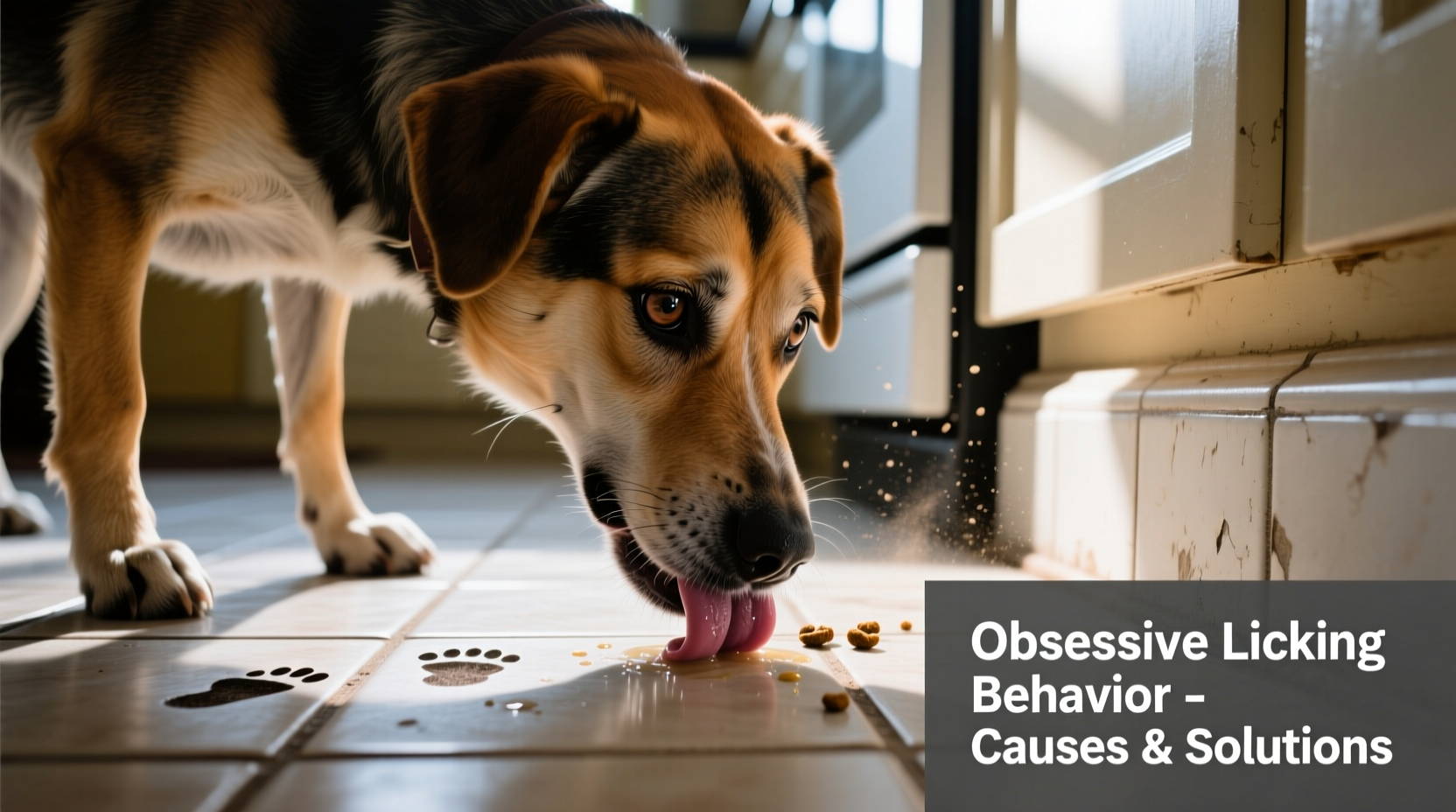
One of the first considerations when a dog licks the floor excessively is whether there’s an underlying medical condition. Dogs often lick surfaces as a response to physical discomfort, especially digestive or neurological issues.
- Gastrointestinal Problems: Nausea, acid reflux, irritable bowel syndrome (IBS), or inflammatory bowel disease (IBD) are frequent culprits. Licking floors may stimulate saliva production, which temporarily soothes an upset stomach.
- Dental Disease: Painful teeth, gum infections, or oral tumors can cause a dog to lick non-food surfaces. The motion may provide temporary relief or stem from drooling due to oral pain.
- Nausea from Medications or Toxins: Certain medications, especially those affecting the liver or kidneys, can induce nausea. Exposure to household cleaners or spoiled food may also trigger licking behavior.
- Epilepsy or Neurological Disorders: Some dogs exhibit “fly-biting” or repetitive licking during or after seizures. These behaviors may occur without full convulsions and are sometimes mistaken for OCD.
- Endocrine Imbalances: Conditions like Cushing’s disease, hypothyroidism, or diabetes can alter brain chemistry and lead to compulsive actions, including floor licking.
Behavioral and Psychological Triggers
Not all cases of floor licking are rooted in physical illness. Behavioral causes are equally prevalent, particularly in dogs with high anxiety levels or limited mental stimulation.
Anxiety and Stress
Dogs under stress—due to separation, loud noises, changes in routine, or new pets—may develop compulsive behaviors. Licking releases endorphins, creating a self-soothing effect similar to how humans bite their nails or fidget when nervous.
Boredom and Lack of Stimulation
A dog left alone for long periods without toys, exercise, or interaction may resort to repetitive actions like floor licking out of sheer boredom. This is especially common in intelligent breeds such as Border Collies or German Shepherds.
Learned Behavior
Sometimes, dogs begin licking because they find residue—food crumbs, spills, or cleaning product scents—and continue the habit even after the source is gone. Over time, it becomes ingrained, especially if unintentionally reinforced by attention.
“Repetitive licking in dogs is often a cry for help—either physical or emotional. Owners should treat it as a symptom, not a standalone quirk.” — Dr. Laura Bennett, DVM, Veterinary Behavior Specialist
Diagnostic Process: How Veterinarians Identify the Cause
Pinpointing the reason behind obsessive floor licking requires a thorough veterinary evaluation. There is no single test; instead, vets use a combination of history, observation, and diagnostics.
- Medical History Review: Your vet will ask about when the behavior started, frequency, duration, and any triggers (e.g., after eating, during storms).
- Physical Examination: A full check-up, including oral inspection, abdominal palpation, and neurological assessment.
- Blood and Urine Tests: To screen for metabolic diseases like liver dysfunction, kidney issues, diabetes, or hormonal imbalances.
- Abdominal Ultrasound or X-rays: If GI problems are suspected, imaging can reveal inflammation, blockages, or masses.
- Behavioral Assessment: If medical causes are ruled out, a referral to a veterinary behaviorist may be recommended.
In some cases, a trial treatment—such as a short course of anti-nausea medication or a change in diet—is used to see if symptoms improve, helping confirm a diagnosis.
Step-by-Step Guide to Addressing Floor Licking
If your dog is licking the floor obsessively, follow this structured approach to identify and resolve the issue:
- Document the Behavior: Keep a log noting when, where, and how long the licking occurs. Include details like recent meals, activity level, and potential stressors.
- Schedule a Veterinary Visit: Rule out medical causes with a complete exam and lab work.
- Adjust Diet: Switch to a highly digestible, hypoallergenic, or low-fat diet if GI issues are suspected. Avoid feeding table scraps.
- Manage Anxiety: Use calming techniques such as pheromone diffusers (Adaptil), consistent routines, and safe spaces during stressful events.
- Increase Mental and Physical Stimulation: Provide puzzle toys, daily walks, training sessions, and interactive play to reduce boredom.
- Interrupt and Redirect: Gently interrupt licking episodes and redirect to a positive activity like fetching a toy or practicing commands.
- Consider Medication or Supplements: In severe cases, vets may prescribe anti-anxiety meds (e.g., fluoxetine) or recommend supplements like CBD oil (with veterinary approval).
Do’s and Don’ts When Dealing with Obsessive Licking
| Do’s | Don’ts |
|---|---|
| Consult your veterinarian promptly | Ignore the behavior hoping it will go away |
| Keep a detailed behavior journal | Scold or shout at your dog when licking |
| Provide regular exercise and enrichment | Use harsh chemical cleaners on licked floors |
| Try an elimination diet if allergies are suspected | Assume it’s “just a habit” without investigation |
| Use bitter sprays on floors (if safe) to deter licking | Allow access to areas with toxic residues |
Real-Life Example: Max, the Labrador with a Licking Habit
Max, a 5-year-old Labrador Retriever, began licking the kitchen floor every evening after dinner. His owner initially dismissed it as a quirky habit until it escalated to hours of continuous licking. Concerned, she recorded a video and brought it to her vet.
Blood tests revealed elevated liver enzymes and mild pancreatitis. Max was prescribed a low-fat diet and medication for nausea. Within two weeks, the licking decreased significantly. Follow-up visits confirmed improvement in liver function, and Max returned to normal behavior with no recurrence.
This case highlights how a seemingly behavioral issue can have a clear medical origin—and how timely intervention leads to successful outcomes.
When to Consider a Veterinary Behaviorist
If medical causes are ruled out but the licking persists, a board-certified veterinary behaviorist can help. They specialize in diagnosing and treating compulsive disorders in animals, often using a combination of behavior modification and, when necessary, psychotropic medications.
Conditions like Canine Compulsive Disorder (CCD) resemble human OCD and require professional management. Early intervention prevents the behavior from becoming deeply entrenched.
Prevention Strategies for Long-Term Wellness
Preventing obsessive licking involves proactive care and environmental management:
- Maintain a consistent daily routine to minimize anxiety.
- Feed a balanced, species-appropriate diet tailored to your dog’s age and health needs.
- Regularly clean floors with pet-safe, residue-free cleaners to eliminate lingering tastes or odors.
- Schedule annual vet check-ups to catch health issues early.
- Engage your dog in training, nose work, or agility to satisfy mental needs.
Frequently Asked Questions
Can obsessive floor licking be dangerous?
Yes. Prolonged licking can lead to lip fold dermatitis, tooth wear, or ingestion of harmful chemicals from cleaned surfaces. It may also indicate serious underlying illness that worsens if untreated.
Is it normal for older dogs to lick the floor?
While more common in senior dogs due to cognitive decline (similar to dementia), it’s not “normal” in the sense of being harmless. Older dogs may lick due to confusion, pain, or medical conditions like kidney disease, so evaluation is essential.
How long does it take to stop obsessive licking?
Improvement timelines vary. If caused by a treatable medical issue, changes may be seen within days to weeks. Behavioral cases may take several weeks or months of consistent effort, especially if anxiety or compulsion is involved.
Action Checklist for Dog Owners
Use this checklist to systematically address your dog’s floor-licking behavior:
- ✅ Observe and record licking episodes (time, duration, context)
- ✅ Schedule a vet appointment for a full physical and lab work
- ✅ Clean floors with non-toxic, unscented cleaners
- ✅ Evaluate your dog’s diet and consider a switch to a sensitive-stomach formula
- ✅ Increase daily physical and mental exercise
- ✅ Reduce household stressors and create a calm environment
- ✅ Consult a veterinary behaviorist if no medical cause is found
- ✅ Follow through with treatment plans and monitor progress
Conclusion: Take Action for Your Dog’s Health
Obsessive floor licking in dogs is not something to brush aside. Whether driven by stomach upset, anxiety, or neurological factors, it’s a meaningful signal that something is off. By approaching the behavior with patience, observation, and professional guidance, you can uncover the root cause and restore your dog’s comfort and balance.
Your dog depends on you to interpret their silent cues. If you’ve noticed persistent licking, don’t wait—start documenting, consult your vet, and take proactive steps today. Small changes now can prevent bigger health issues down the road.
💬 Has your dog shown obsessive licking behavior? Share your experience or questions in the comments—your story could help another pet owner find answers.








