
Dogs communicate in ways that don’t always involve barking or tail wagging. One subtle yet telling behavior is excessive floor licking. While an occasional lick might seem harmless—perhaps your dog is cleaning up a crumb or reacting to a spilled drink—constant or obsessive floor licking can signal underlying issues ranging from medical conditions to behavioral problems. As a responsible pet owner, recognizing when this habit crosses the line from quirky to concerning is essential.
Unlike humans, dogs rely heavily on their sense of taste and smell. Their tongues are tools not just for eating but also for exploring the world. However, persistent licking of non-food surfaces, especially floors, often indicates something more than curiosity. This article explores the common reasons behind compulsive floor licking, how to differentiate between normal and problematic behavior, and what actions you should take to protect your dog’s well-being.
Common Medical Causes Behind Floor Licking
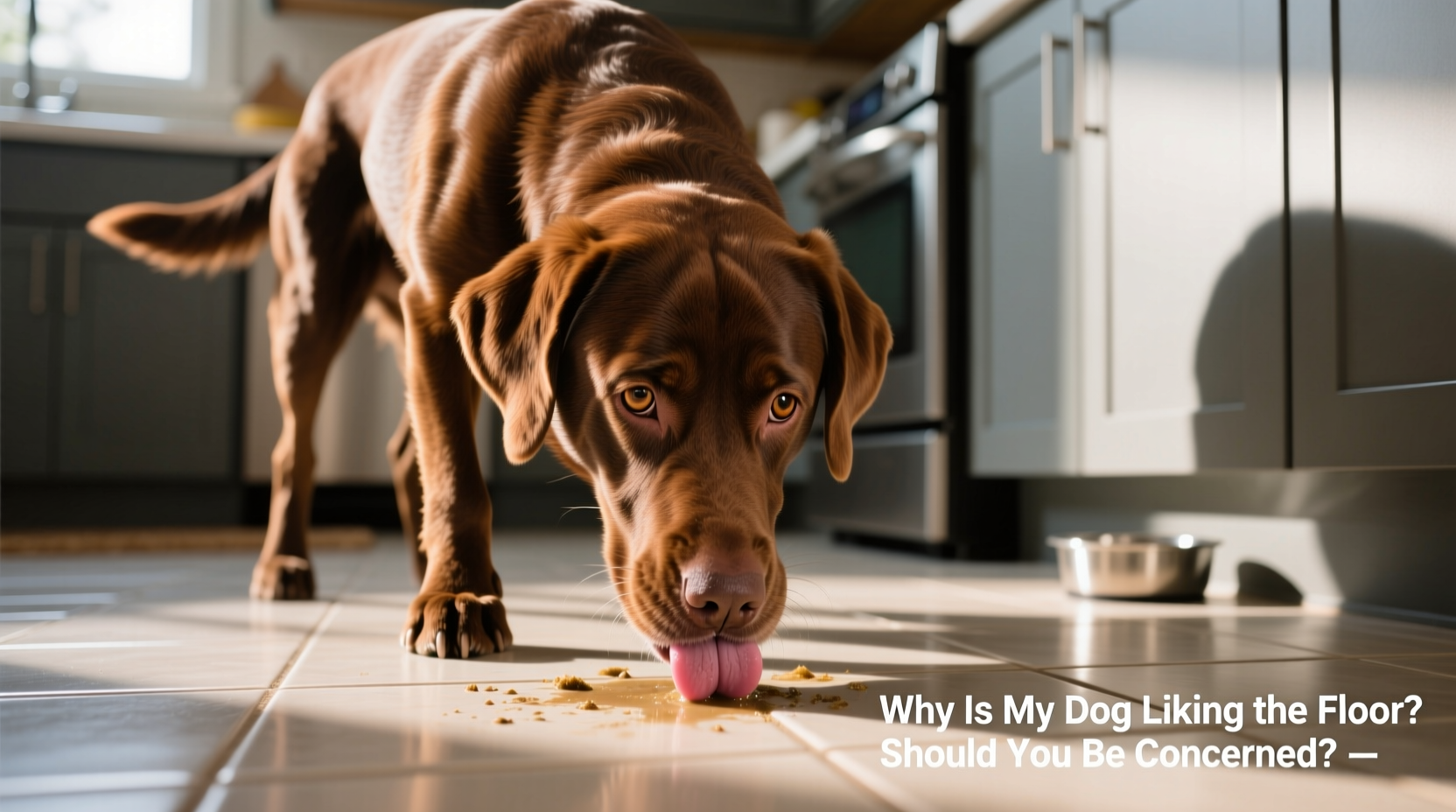
When a dog licks the floor frequently, one of the first areas to investigate is their physical health. Several medical conditions can trigger this behavior, some of which require prompt veterinary attention.
- Gastrointestinal distress: Nausea, acid reflux, or irritable bowel syndrome may cause dogs to lick floors as a self-soothing mechanism. The act stimulates saliva production, which can temporarily neutralize stomach acid.
- Dental disease: Painful teeth, gum infections, or oral tumors can lead to excessive licking. Dogs may lick the floor trying to dislodge discomfort or because they’re producing excess saliva due to oral pain.
- Nutritional deficiencies: A lack of certain nutrients, such as iron (leading to anemia) or B vitamins, may result in pica—a condition where animals eat or lick non-food items. This is sometimes linked to malabsorption disorders like exocrine pancreatic insufficiency (EPI).
- Neurological issues: Seizures, particularly focal or partial seizures, can manifest as repetitive behaviors like licking. These episodes may go unnoticed if they’re mild, but the licking could be an aura or post-ictal behavior.
- Endocrine disorders: Conditions like Cushing’s disease or hypothyroidism alter hormone levels and can affect behavior, including increased licking.
Behavioral and Psychological Triggers
Not all floor licking stems from physical illness. Behavioral factors play a significant role, especially in intelligent, high-energy, or anxious dogs. When mental stimulation is lacking, dogs may develop compulsive habits to cope with stress or boredom.
One common psychological driver is anxiety. Dogs experiencing separation anxiety, noise phobias (like thunderstorms or fireworks), or changes in household dynamics may resort to repetitive actions like licking. It’s a displacement behavior—an attempt to self-soothe when feeling overwhelmed.
Another factor is learned behavior. If a dog once found food residue on the floor and was rewarded with a treat, they may continue searching in hopes of repeating the experience. Over time, this can evolve into an obsessive routine, even in clean environments.
“Repetitive licking in dogs is often a cry for help—either physical or emotional. Ignoring it can allow minor issues to escalate into chronic conditions.” — Dr. Karen Becker, Integrative Veterinarian
Obsessive-compulsive disorder (OCD) in dogs, while less common than in humans, does exist. Breeds predisposed to high focus and energy—such as German Shepherds, Dobermans, and Bull Terriers—are more prone to developing compulsive behaviors when under stress or insufficiently exercised.
Environmental and Dietary Influences
The space your dog inhabits and what they consume can directly influence licking behavior. Certain floor types, cleaning products, or dietary ingredients may encourage or provoke licking.
For example, dogs may be attracted to residual scents left by cleaning agents, especially those containing citrus, vinegar, or pet-safe disinfectants with lingering odors. Even invisible traces of food spills—common in kitchens or dining areas—can become fixation points.
Diet plays a crucial role. Low-quality kibble with fillers and artificial additives may contribute to poor digestion and nutrient imbalances, potentially triggering licking. Some dogs react to specific proteins or grains, leading to gastrointestinal discomfort that manifests as floor licking.
| Factor | Potential Impact on Licking Behavior | Solution |
|---|---|---|
| Strong-smelling cleaners | Attracts licking due to scent residue | Switch to unscented, enzymatic cleaners |
| Poor diet / food sensitivities | Causes nausea or gut inflammation | Transition to hypoallergenic or novel-protein diet |
| Carpet vs. hardwood | Carpets trap odors; hardwood shows no residue | Observe surface preference to identify triggers |
| High-stress environment | Triggers anxiety-related licking | Introduce calming routines or supplements |
Mini Case Study: Bella the Beagle
Bella, a 4-year-old Beagle, began licking the kitchen floor every evening after dinner. Her owners initially dismissed it as a quirk, assuming she was chasing crumbs. Over time, the behavior intensified—lasting up to 30 minutes and occurring multiple times daily. Concerned, they consulted a veterinarian.
After ruling out dental issues and parasites, blood work revealed elevated liver enzymes and signs of mild pancreatitis. Further investigation showed Bella had been fed table scraps regularly, including fatty meats. The vet recommended a strict low-fat diet and anti-nausea medication. Within two weeks, the floor licking decreased significantly. A follow-up visit confirmed improved liver function, and Bella’s licking stopped entirely after six weeks of dietary management.
This case illustrates how seemingly behavioral issues can have deep-rooted medical causes—and why early intervention matters.
Step-by-Step Guide to Addressing Excessive Floor Licking
If your dog is persistently licking the floor, taking a structured approach helps identify and resolve the root cause. Follow this timeline to assess and act appropriately.
- Observe and document (Days 1–3): Note when, where, and how long the licking occurs. Is it after meals? During storms? At night? Record videos if possible.
- Inspect the environment (Day 4): Check for chemical residues, food spills, or new cleaning products. Clean affected areas with odor-neutralizing solutions.
- Review diet (Day 5): Assess current food quality. Look for common allergens like corn, soy, or chicken. Consider a limited-ingredient diet trial lasting 8–12 weeks.
- Schedule a vet visit (Day 6–7): Request a full physical exam, blood panel, and possibly abdominal ultrasound if GI issues are suspected.
- Address behavioral factors (Ongoing): Increase mental stimulation through puzzle toys, training, and walks. Use positive reinforcement to redirect unwanted licking.
- Monitor progress (Weeks 2–6): Track changes in frequency and intensity. If no improvement, discuss advanced diagnostics like MRI (for neurological causes) or referral to a veterinary behaviorist.
Checklist: When to Seek Immediate Veterinary Help
While some licking may resolve with environmental adjustments, certain red flags demand urgent care. Use this checklist to determine if your dog needs prompt medical evaluation:
- ✅ Licking accompanied by vomiting, diarrhea, or loss of appetite
- ✅ Sudden onset of licking without obvious environmental triggers
- ✅ Signs of pain—whining, restlessness, reluctance to move
- ✅ Lethargy or disorientation following licking episodes
- ✅ Observed seizures or twitching during or after licking
- ✅ Weight loss despite normal eating habits
- ✅ Excessive drooling or difficulty swallowing
If three or more of these symptoms apply, contact your veterinarian immediately. Early diagnosis improves outcomes, especially for conditions like liver disease, kidney failure, or brain abnormalities.
Frequently Asked Questions
Is it normal for dogs to lick the floor occasionally?
Yes, occasional floor licking is normal, especially if there’s a spill or strong scent. However, frequent or prolonged licking—more than a few minutes several times a day—should be evaluated.
Can anxiety really cause a dog to lick the floor?
Absolutely. Anxiety triggers displacement behaviors, and licking releases endorphins that calm the dog. Common stressors include loneliness, loud noises, or changes in routine. Environmental enrichment and, in severe cases, anti-anxiety medications can help.
Could floor licking be a sign of dementia in older dogs?
Yes. Cognitive dysfunction syndrome (CDS), similar to Alzheimer’s in humans, affects older dogs and can lead to repetitive behaviors like pacing, staring at walls, or licking surfaces. If your senior dog shows confusion, sleep disturbances, or house soiling alongside licking, consult your vet about cognitive support options.
Prevention and Long-Term Management
Preventing compulsive floor licking involves a combination of proactive healthcare, environmental control, and behavioral support. Start with regular wellness exams—at least once a year, or twice for senior dogs—to catch medical issues early. Keep vaccinations and parasite prevention up to date, as some infections can indirectly influence behavior.
Diet is foundational. Feed a balanced, species-appropriate diet with real meat, healthy fats, and minimal processed ingredients. Avoid feeding from the table, and ensure fresh water is always available to prevent dehydration-related oral discomfort.
Mentally stimulate your dog daily. Simple activities like scent games, obedience drills, or chew puzzles reduce boredom and decrease the likelihood of developing compulsions. For anxious dogs, consider pheromone diffusers (like Adaptil), calming music, or anxiety wraps.
Tip: Rotate toys weekly to maintain novelty and engagement. A bored dog is more likely to invent repetitive behaviors.Conclusion: Listen to What Your Dog Is Trying to Tell You
Your dog doesn’t lick the floor for no reason. Whether it’s a signal of stomach upset, anxiety, or neurological disturbance, this behavior is a form of communication. Dismissing it as “just a habit” risks overlooking serious health concerns. By paying attention, acting swiftly, and partnering with your veterinarian, you can uncover the cause and restore your dog’s comfort and well-being.
Don’t wait for symptoms to worsen. Start observing, documenting, and adjusting your dog’s environment today. Small changes now can prevent bigger problems tomorrow. Your dog depends on you—not just for food and shelter, but for understanding their silent cues.
💬 Have you noticed your dog licking the floor? Share your experience or questions below—your story might help another pet owner recognize a warning sign early.








