Dogs have long been observed grazing on grass with little consequence. For many owners, seeing their pet nibble blades in the backyard is routine. But when a dog starts eating grass suddenly—especially in large amounts or with new intensity—it can raise concerns. Is this behavior normal? Could it signal digestive trouble, nutritional deficiency, or something more serious? Understanding the reasons behind this habit and recognizing red flags can help you determine whether your dog’s grass consumption is harmless or warrants a vet visit.
Common Reasons Dogs Eat Grass
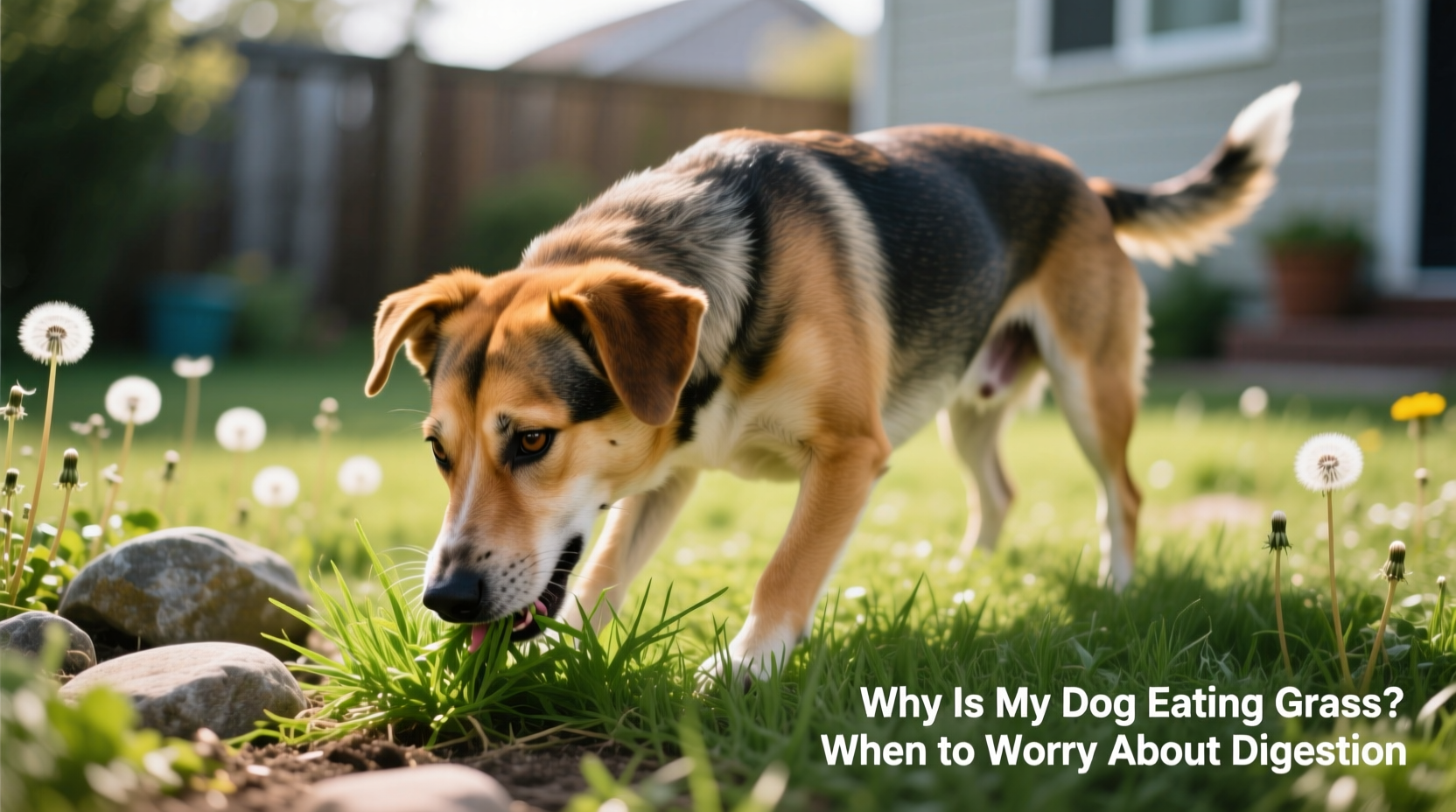
Grass-eating, or *pica* when referring to non-food substance consumption, is surprisingly common among dogs. Studies suggest that up to 79% of healthy dogs consume plants regularly, with grass being the most frequent choice. While the exact motivation isn't always clear, several well-supported explanations exist:
- Natural instinct: Canine ancestors likely consumed plant matter through the stomach contents of prey. This evolutionary background may explain why modern dogs still show interest in vegetation.
- Dietary fiber supplementation: Some dogs may seek out grass to add roughage to their diet, especially if their regular food lacks sufficient fiber for optimal digestion.
- Boredom or anxiety relief: Like humans who bite their nails, dogs may turn to repetitive behaviors such as chewing grass when under-stimulated or stressed.
- Taste preference: Fresh spring grass has a mild, sweet flavor that some dogs genuinely enjoy. It’s not always about illness—sometimes, they just like the taste.
- Self-induced vomiting trigger: A portion of dogs eat grass specifically to provoke vomiting, particularly if they feel gastrointestinal discomfort.
While occasional grass consumption is typically benign, sudden changes in frequency, context, or accompanying symptoms should prompt closer evaluation.
Tip: Observe your dog’s grass-eating patterns—note timing, quantity, and whether vomiting follows. This information helps your veterinarian assess whether the behavior is situational or concerning.When Sudden Grass Eating Signals Digestive Trouble
A dog that begins eating grass aggressively or frequently without prior history may be reacting to internal discomfort. The digestive system communicates distress in subtle ways, and behavioral shifts are often early indicators. Key signs that grass consumption might relate to gastrointestinal issues include:
- Eating grass rapidly and in large volumes
- Repeated attempts to vomit during or after ingestion
- Visible signs of nausea (lip-licking, drooling, swallowing motions)
- Diarrhea or constipation occurring around the same time
- Lethargy or decreased appetite following grass consumption
In some cases, dogs ingest grass to soothe an upset stomach. The fibrous texture may stimulate intestinal motility or act as a natural laxative. However, if vomiting occurs frequently—especially with bile, blood, or undigested food—this could point to gastritis, pancreatitis, intestinal parasites, or even a foreign body obstruction.
“While grass-eating alone is rarely dangerous, a sudden onset combined with vomiting, diarrhea, or appetite loss should prompt veterinary evaluation.” — Dr. Rachel Nguyen, DVM, Small Animal Internal Medicine Specialist
Do’s and Don’ts When Your Dog Eats Grass
| Do’s | Don’ts |
|---|---|
| Monitor frequency and behavior during grass consumption | Assume all grass-eating is a sign of illness |
| Ensure your lawn is free from pesticides, herbicides, and fertilizers | Allow access to chemically treated or roadside grass |
| Provide mental stimulation and structured playtime | Scold or punish your dog for eating grass |
| Review your dog’s diet with a vet for fiber balance | Immediately change diets without professional guidance |
| Keep parasite prevention up to date | Ignore persistent vomiting or lethargy |
Step-by-Step: Assessing and Responding to Sudden Grass Consumption
If your dog has recently started eating grass and you're unsure whether action is needed, follow this practical timeline to evaluate the situation:
- Day 1–2: Observe without intervention
Note how much grass is eaten, how often, and whether vomiting occurs. Check for other symptoms like diarrhea, excessive licking, or restlessness. - Day 3: Evaluate diet and environment
Review recent changes—new food, treats, medications, or household stressors. Ensure your yard isn’t treated with toxic chemicals. - Day 4–5: Track patterns
Keep a simple log: time of day, duration of grazing, and any physical reactions. This data is invaluable for your vet. - Day 6: Introduce enrichment
Increase walks, puzzle toys, or training sessions. If boredom or anxiety drives the behavior, mental engagement may reduce it. - Day 7+: Consult your veterinarian if symptoms persist
Especially if vomiting, weight loss, or changes in bowel movements continue, schedule an exam. Blood work, fecal testing, or imaging may be recommended.
Real-Life Example: Bella the Border Collie
Bella, a 4-year-old Border Collie, had never shown interest in grass until her family moved to a suburban home with a larger yard. Within two weeks, she began tearing up mouthfuls daily, often followed by vomiting yellow foam. Her owner initially assumed it was curiosity, but when Bella started refusing dinner and appeared fatigued, they contacted their vet.
After a physical exam and fecal test, Bella was diagnosed with a mild case of giardia—a parasitic infection commonly contracted from contaminated water or soil. The grass-eating was likely an attempt to relieve gastrointestinal irritation. With a course of antiparasitic medication and a temporary switch to a bland, high-fiber diet, Bella’s symptoms resolved within ten days. Her grass consumption ceased entirely within three weeks.
This case illustrates how sudden behavioral changes can reflect underlying medical conditions—even in otherwise healthy dogs.
When to Worry: Red Flags That Demand Veterinary Attention
Not all grass-eating requires intervention, but certain warning signs indicate a need for prompt professional assessment:
- Frequent or forceful vomiting, especially if it contains blood or occurs multiple times per week.
- Chronic diarrhea or constipation alongside increased grass consumption.
- Loss of appetite or weight loss despite normal activity levels.
- Excessive drooling, panting, or abdominal bloating, which may suggest pain or obstruction.
- Eating non-grass items like dirt, feces, or plastic—this broader pica behavior may signal nutrient deficiencies or metabolic disorders.
- Neurological symptoms such as disorientation, tremors, or seizures following grass ingestion (possible poisoning).
One critical consideration is chemical exposure. Lawns treated with herbicides like glyphosate, or fertilizers containing nitrogen and iron, can be toxic. Dogs ingesting contaminated grass may develop chemical gastroenteritis or systemic toxicity. Always verify your lawn care products are pet-safe.
Checklist: What to Do If Your Dog Starts Eating Grass Suddenly
- ✅ Observe the frequency and manner of grass consumption
- ✅ Check for vomiting, diarrhea, or appetite changes
- ✅ Inspect your yard for pesticides, fertilizers, or toxic plants
- ✅ Review recent diet or routine changes
- ✅ Rule out boredom or anxiety triggers
- ✅ Provide safe alternatives like indoor pet grass kits
- ✅ Schedule a vet visit if symptoms persist beyond a week
- ✅ Update parasite prevention and request a fecal exam
Frequently Asked Questions
Is it normal for dogs to eat grass every day?
Yes, daily grass consumption can be normal if the dog appears healthy, maintains a good appetite, and doesn’t vomit regularly. Many dogs do so out of habit or preference. However, if the behavior is new or escalating, monitoring is advised.
Can eating grass cause intestinal blockages?
It’s extremely rare for grass alone to cause a blockage. Grass is largely indigestible but usually passes through the GI tract without issue. However, if your dog also eats mulch, sticks, or synthetic turf, the risk increases significantly.
Should I stop my dog from eating grass completely?
No—unless the grass is chemically treated or the behavior is linked to illness. Preventing natural foraging can increase stress. Instead, focus on ensuring safety and addressing root causes like poor digestion or anxiety.
Conclusion: Know Your Dog, Trust Your Instincts
Sudden grass eating in dogs isn’t automatically alarming, but it shouldn’t be dismissed outright either. In most cases, it’s a benign behavior rooted in instinct, taste, or mild digestive adjustment. Yet, when paired with vomiting, lethargy, or appetite loss, it can be an early signal of gastrointestinal disease, parasites, or dietary imbalance.
The key lies in observation and context. By tracking your dog’s habits, maintaining a safe environment, and staying proactive about preventive care, you can distinguish between harmless quirks and genuine health concerns. When in doubt, consult your veterinarian. Early detection often makes treatment simpler and more effective.
💬 Your dog knows you best—but you know your dog best. If something feels off, don’t wait. Share your observations with your vet and take action to ensure your pet stays happy, healthy, and thriving.








