
Dogs do many things that puzzle their owners—chasing shadows, tilting their heads at sounds, or suddenly refusing a favorite treat. One of the most common yet misunderstood behaviors is eating grass. While occasional grass consumption is generally harmless, a sudden shift in this behavior can signal underlying issues. Understanding why dogs eat grass, how to interpret changes in frequency or context, and knowing when veterinary intervention is necessary are essential for responsible pet ownership.
Grass-eating in dogs has been observed across breeds, ages, and environments. Some dogs nibble a few blades and move on; others consume large amounts and may even vomit afterward. For decades, theories have ranged from nutritional deficiency to instinctual cleansing. Today, modern veterinary science offers more nuanced explanations—yet the answer often depends on the individual dog and accompanying behaviors.
Why Do Dogs Eat Grass? Common Explanations
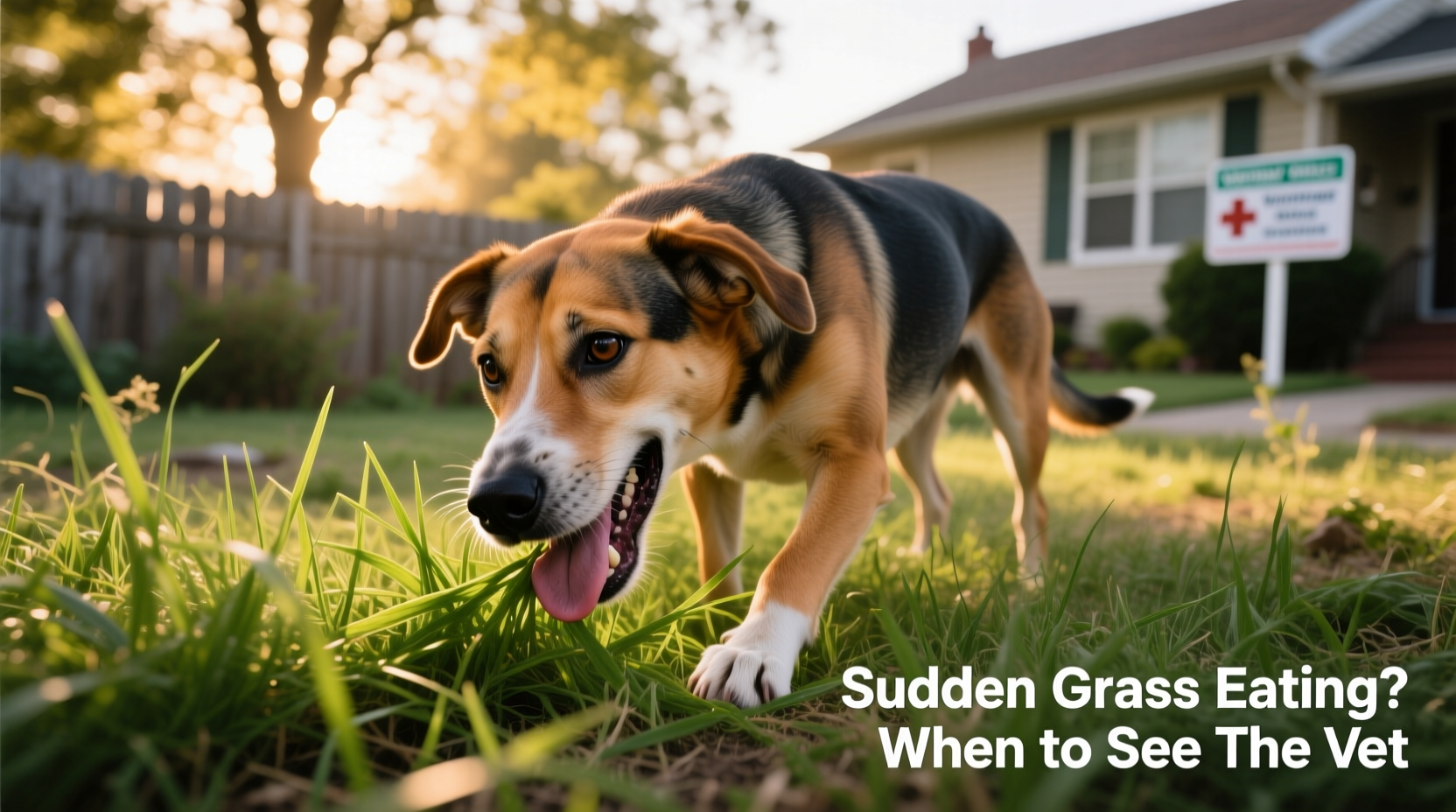
There is no single reason all dogs eat grass, but several well-supported theories explain the behavior in different contexts:
- Dietary supplementation: Some experts suggest dogs may seek out grass to compensate for missing fiber or nutrients. However, studies show most grass-eating dogs are on nutritionally complete diets.
- Natural instinct: As descendants of omnivorous ancestors, dogs may retain an innate tendency to consume plant material. Wild canids often ingest stomach contents of herbivorous prey, which includes grass and vegetation.
- Digestive aid: Grass may act as a natural laxative or emetic. The fibrous texture can stimulate bowel movements or induce vomiting if the dog feels unwell.
- Boredom or anxiety: Dogs left alone for long periods or those with high energy levels may turn to grass-eating as a form of self-soothing or stimulation.
- Taste preference: Fresh spring grass has a mild, sweet taste. Some dogs simply enjoy the flavor and texture.
“Grass consumption in dogs is typically not a sign of illness. In fact, a 2007 study published in *Applied Animal Behaviour Science* found that 79% of dogs observed ate grass regularly, with fewer than 10% showing signs of illness beforehand.” — Dr. Karen Becker, Integrative Veterinarian
Sudden Changes in Grass-Eating Behavior: Red Flags
Occasional grass eating is normal. But when the behavior changes abruptly—either in frequency, intensity, or context—it’s worth closer attention. Sudden shifts may reflect physical discomfort, psychological stress, or environmental changes.
Key warning signs include:
- Eating large quantities of grass multiple times a day
- Frantic or obsessive grazing, as if compelled
- Immediate vomiting after consumption
- Refusal to eat regular food
- Lethargy, diarrhea, or signs of abdominal pain
- Consuming chemically treated lawns or toxic plants
When Behavioral Shifts Signal Health Issues
A dog that suddenly begins eating grass obsessively may be trying to soothe an upset stomach, but the root cause could be more serious. Gastrointestinal parasites, inflammatory bowel disease, pancreatitis, or even early kidney dysfunction can manifest through appetite changes and unusual eating behaviors.
Psychological factors also play a role. Dogs experiencing separation anxiety, noise phobias (like thunderstorms), or changes in household dynamics (new pet, baby, or move) may develop compulsive behaviors—including excessive grass consumption—as coping mechanisms.
Do’s and Don’ts: Managing Grass-Eating Safely
| Do’s | Don’ts |
|---|---|
| Allow moderate access to clean, untreated grass | Let your dog graze on lawns treated with pesticides or fertilizers |
| Provide high-fiber dog food if digestion seems sluggish | Assume vomiting after grass means your dog is sick (many healthy dogs do this) |
| Offer safe indoor greens like wheatgrass or barley grass | Punish or scold your dog for eating grass—it rarely helps and increases anxiety |
| Monitor for other symptoms like weight loss or diarrhea | Ignore sudden behavioral shifts, especially in older dogs |
| Consult your vet if grass-eating becomes compulsive | Use chemical deterrents on your lawn without checking pet safety |
Step-by-Step: What to Do If Your Dog Starts Eating Grass Suddenly
- Observe the pattern: Is the behavior new? Does it happen once a day or multiple times? Is it accompanied by vomiting, diarrhea, or lethargy?
- Check the environment: Has your lawn been treated recently? Are there new plants or mulch in the yard? Could your dog be exposed to toxins?
- Review diet and routine: Has there been a recent food change? Is your dog getting enough exercise or mental stimulation?
- Rule out medical causes: Schedule a vet visit to test for parasites, check organ function, and assess gastrointestinal health.
- Address behavioral needs: If medical issues are ruled out, consider enrichment activities, training, or anxiety management techniques.
Mini Case Study: Max, the Labrador Who Couldn’t Stop Eating Grass
Max, a 5-year-old Labrador Retriever, had always shown mild interest in grass during walks. His owner, Sarah, never thought much of it—until Max began tearing up clumps of lawn every morning, sometimes vomiting afterward. Concerned, she recorded his behavior and brought him to the vet.
After a physical exam and fecal test, Max was diagnosed with hookworms—a common parasite that causes intestinal irritation and increased appetite. Once treated with deworming medication, his grass-eating stopped within two weeks. Sarah also started using monthly parasite prevention, which kept Max healthy and symptom-free.
This case highlights how sudden changes in behavior—even seemingly minor ones—can point to treatable medical conditions. Without intervention, parasitic infections can lead to anemia, weight loss, and chronic digestive issues.
When to Visit the Vet: Clear Indicators
While most dogs who eat grass are perfectly healthy, certain signs warrant prompt veterinary evaluation:
- Frequent vomiting after grass consumption – Especially if bile or blood is present.
- Diarrhea or bloody stools – May indicate infection, parasites, or toxicity.
- Loss of appetite – If your dog skips meals or shows disinterest in food.
- Lethargy or weakness – Unusual tiredness can signal systemic illness.
- Excessive drooling or gagging – Could point to nausea or foreign body obstruction.
- Behavioral changes – Increased aggression, hiding, or restlessness.
- Chemical exposure – If your dog eats grass shortly after lawn treatment.
“If your dog starts acting out of character—eating grass nonstop, pacing, or appearing distressed—it’s better to err on the side of caution. Early diagnosis often leads to faster recovery.” — Dr. James Reed, DVM, Small Animal Specialist
Prevention and Long-Term Management
Preventing problematic grass-eating involves both environmental control and proactive care:
- Feed a balanced, high-quality diet: Ensure your dog receives adequate fiber and nutrients. Some dogs benefit from added pumpkin or psyllium husk (consult your vet first).
- Provide mental stimulation: Puzzle toys, scent games, and daily walks reduce boredom-related behaviors.
- Maintain parasite prevention: Monthly heartworm and deworming treatments prevent common intestinal parasites.
- Create a safe outdoor space: Use pet-friendly lawn treatments and remove toxic plants like lilies, azaleas, or oleander.
- Consider behavioral support: For anxious dogs, calming supplements, pheromone diffusers, or professional training may help.
Safe Alternatives to Outdoor Grass
If you're concerned about contaminants or want to redirect the behavior, offer safe alternatives:
- Pet grass kits: Available online or in pet stores, these grow wheatgrass or oat grass indoors.
- Vegetable treats: Small pieces of cucumber, zucchini, or steamed broccoli can satisfy chewing urges.
- Chew toys with texture: Rubber toys designed for dental health mimic the sensation of tearing grass.
FAQ: Common Questions About Dogs Eating Grass
Is it dangerous for dogs to eat grass?
Not usually. Most dogs eat grass safely. The risk comes from ingesting chemicals (pesticides, fertilizers) or toxic plants mixed in with the grass. If your dog vomits occasionally after eating grass but is otherwise healthy, it’s likely not a concern.
Should I stop my dog from eating grass?
Generally, no. Preventing the behavior isn’t necessary unless it becomes obsessive or occurs in unsafe environments. Instead, focus on ensuring the grass is clean and monitoring for other symptoms.
Can eating grass cause worms?
Grass itself doesn’t cause worms, but it can carry parasite eggs (like roundworms or hookworms) from contaminated soil or animal feces. Regular deworming and hygiene practices reduce this risk significantly.
Conclusion: Stay Observant, Act When Needed
Dogs eating grass is a common, often benign behavior rooted in biology and instinct. But when it appears suddenly or intensifies, it can be a subtle cry for help. By staying observant and responsive, you protect your dog’s health and deepen your understanding of their needs.
The key isn’t to eliminate grass-eating entirely—it’s to recognize when it crosses the line from habit to potential symptom. With proper care, awareness, and timely veterinary support, you can ensure your dog remains happy, healthy, and grounded—literally and figuratively.
💬 Has your dog suddenly started eating grass? Share your experience or questions below—we’d love to hear from fellow pet owners and help where we can.








