
Dogs do many things that puzzle their owners—chasing shadows, barking at nothing, spinning in circles before lying down—and eating grass is one of the most common yet misunderstood behaviors. If you’ve ever seen your dog nibbling on lawn clippings during a walk or tearing up tufts of backyard grass, you’re not alone. In fact, studies suggest that over 70% of dogs consume grass regularly, often without any apparent ill effects. But does this mean it’s always harmless? Should you intervene? And could it signal an underlying health issue?
Understanding why dogs eat grass involves looking at biology, instinct, diet, and behavior. While occasional grass consumption is typically normal, certain patterns may warrant closer attention. This article breaks down the science behind the behavior, explores potential causes, and outlines when it’s time to consult a veterinarian.
Why Do Dogs Eat Grass? Common Explanations
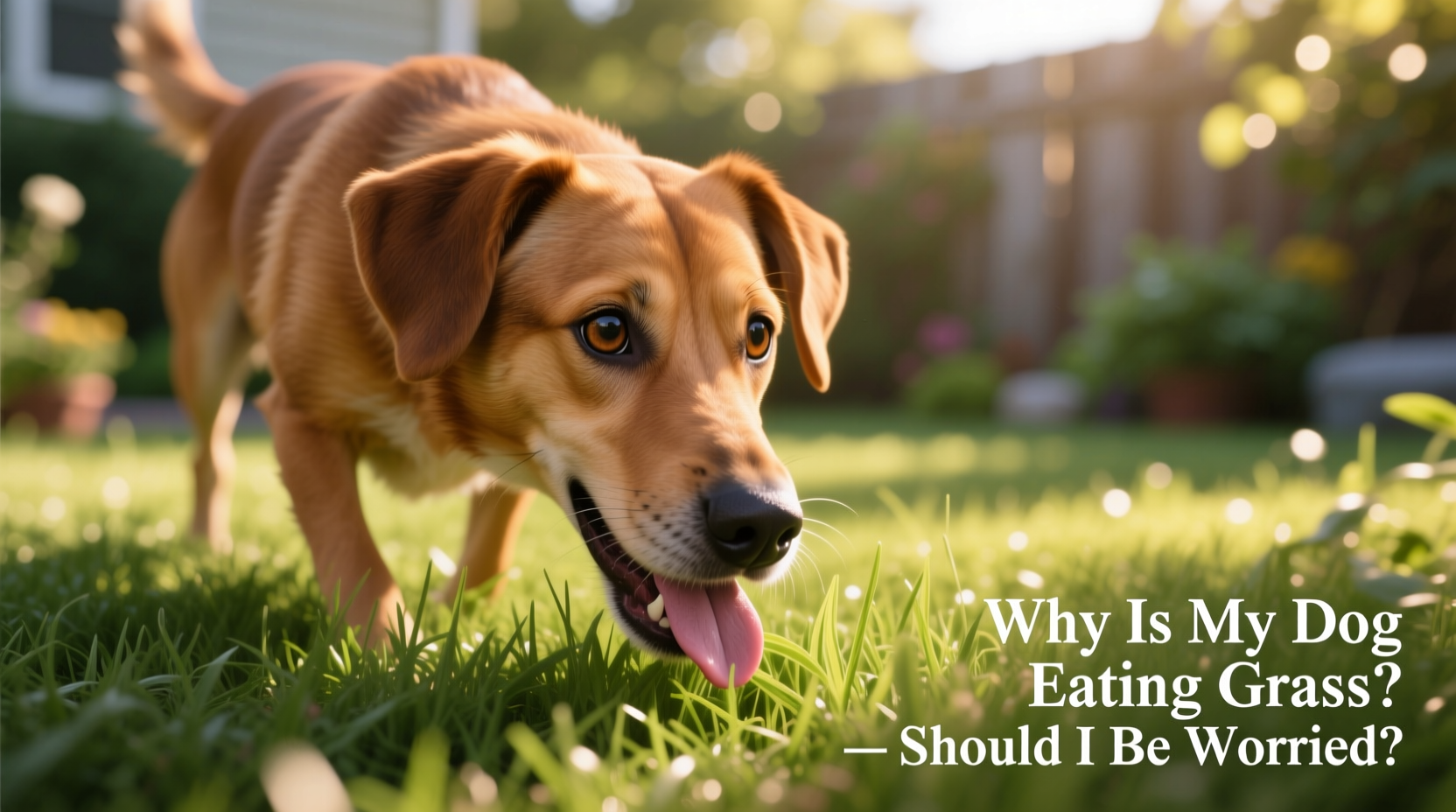
The act of grazing isn’t unique to dogs—many animals consume plant material even if they aren’t herbivores. For dogs, several theories attempt to explain this behavior, each supported by varying degrees of scientific observation.
Instinctual Behavior from Wild Ancestors
Dogs evolved from wolves, which occasionally consumed plant matter found in the stomachs of prey animals. Over time, scavenging and omnivorous tendencies became part of canine survival strategies. Modern dogs retain these instincts, leading them to sample vegetation as part of natural foraging behavior.
Dietary Supplementation Theory
Some experts believe dogs eat grass to compensate for nutritional deficiencies. While commercial dog foods are formulated to meet all dietary needs, individual absorption issues or poor-quality diets might leave a dog seeking fiber or micronutrients. Grass provides roughage, which can aid digestion and promote regular bowel movements.
Tip: If your dog suddenly starts eating large amounts of grass, evaluate their current food for fiber content and overall balance.Upset Stomach or Self-Medication Hypothesis
A widely held belief is that dogs eat grass to induce vomiting when feeling unwell. However, research paints a more nuanced picture. A study published in *Applied Animal Behaviour Science* found that only about 22% of dogs vomited after eating grass, and fewer than 10% showed signs of illness beforehand. This suggests that while some dogs may use grass to relieve nausea, most graze without digestive distress.
Boredom or Anxiety Relief
Behavioral factors play a significant role. Dogs left alone for long periods or lacking mental stimulation may turn to grass-eating out of boredom. Similarly, anxious dogs might engage in repetitive actions—including chewing grass—as a coping mechanism. Puppies are especially prone to this due to curiosity and teething discomfort.
Pleasure and Preference
Not every behavior requires a functional explanation. Some dogs simply enjoy the taste or texture of fresh grass. Just as humans snack between meals, dogs may graze because it feels good or satisfies oral fixation.
When Grass-Eating Becomes a Concern
While occasional grass consumption is generally safe, certain red flags indicate the need for veterinary evaluation. The key is observing frequency, context, and associated symptoms.
“Grass-eating in itself is not dangerous, but sudden changes in behavior or accompanying clinical signs should prompt investigation.” — Dr. Laura Huang, DVM, Veterinary Behavior Specialist
Symptoms That Warrant Attention
- Frequent vomiting (especially with blood or bile)
- Diarrhea or constipation following grass ingestion
- Excessive drooling or lip-licking before eating grass
- Obsessive grazing—consuming large quantities daily
- Attempts to eat toxic plants alongside grass
- Lethargy, weight loss, or appetite changes
If your dog consistently eats grass and then vomits, it may point to gastrointestinal irritation, inflammatory bowel disease, parasites, or pancreatitis. Chronic cases require diagnostic testing such as blood work, fecal exams, or abdominal imaging.
Risks Associated with Grass Consumption
The grass itself is rarely harmful, but external factors increase danger:
- Chemical exposure: Lawns treated with pesticides, herbicides, or fertilizers can poison dogs. Even small amounts absorbed through blades of grass may cause toxicity.
- Parasites: Contaminated soil harbors intestinal worms like roundworms and hookworms, which dogs can ingest via grass.
- Foreign body obstruction: Swallowing large clumps of fibrous grass may lead to gastrointestinal blockages, particularly in small breeds.
Do’s and Don’ts of Managing Grass-Eating Behavior
| Action | Recommended? | Reason |
|---|---|---|
| Allow occasional grass grazing | ✅ Yes | Normal behavior; low risk if environment is safe |
| Use chemical lawn treatments | ❌ No | Toxic residues can harm your dog |
| Ignore sudden increase in grass consumption | ❌ No | Possible sign of medical or behavioral issue |
| Provide high-fiber dog food | ✅ Yes | Mimics benefits of grass; supports digestion |
| Yell at or punish your dog for eating grass | ❌ No | Causes stress; doesn’t address root cause |
| Offer indoor pet grass alternatives | ✅ Yes | Safe, controlled source of greens |
Step-by-Step Guide: Assessing and Responding to Grass-Eating
Follow this timeline-based approach to determine whether your dog’s grass-eating habits are benign or concerning:
- Week 1: Observe Patterns
Track when, where, and how often your dog eats grass. Note whether it happens on walks, in the yard, or indoors. Record any immediate reactions like vomiting or lethargy. - Week 2: Evaluate Diet and Environment
Review your dog’s current food—check fiber levels and ingredient quality. Switch to a premium brand if needed. Inspect your lawn for chemicals and consider switching to pet-safe treatments. - Week 3: Introduce Alternatives
Grow wheatgrass or oat grass in a pot for your dog to chew safely indoors. These are non-toxic and rich in nutrients. Monitor if interest in outdoor grass decreases. - Week 4: Consult Your Veterinarian
If excessive grazing continues or other symptoms appear, schedule a vet visit. Bring your observation notes and request a fecal test and general wellness panel. - Ongoing: Enrichment and Monitoring
Ensure your dog gets adequate physical exercise and mental stimulation. Rotate toys, practice training, and provide puzzle feeders to reduce boredom-related behaviors.
Mini Case Study: Max, the Labrador Who Wouldn’t Stop Eating Grass
Max, a 3-year-old male Labrador Retriever, began eating grass aggressively every morning during his backyard potty breaks. His owner, Sarah, noticed he would gulp down handfuls quickly and sometimes vomit shortly after. Initially dismissing it as habit, she grew concerned when Max started losing weight and seemed restless.
After tracking Max’s behavior for two weeks, Sarah took videos and notes to her vet. Blood tests revealed mild giardia infection, and a fecal floatation confirmed parasitic cysts. The vet prescribed medication and recommended cleaning the yard thoroughly. Once treated, Max’s grass-eating dropped significantly. Follow-up visits showed improved coat condition and energy levels.
This case illustrates how a seemingly normal behavior can mask an underlying medical problem. Early intervention prevented further complications and restored Max’s health.
Expert Insight: What Vets Say About Canine Grass Consumption
“We see grass-eating so frequently that we almost expect it. But we also know that ignoring sudden changes can mean missing treatable conditions. Always assess the whole picture—diet, behavior, environment—before concluding it’s ‘just normal.’” — Dr. Alan Prescott, Board-Certified Small Animal Internal Medicine Specialist
Veterinary professionals emphasize context over isolated incidents. A healthy dog who casually nibbles grass during a walk differs greatly from one who frantically consumes it multiple times a day. Behavioral consultants also highlight the importance of ruling out anxiety, especially in rescue dogs with uncertain pasts.
FAQ: Frequently Asked Questions About Dogs Eating Grass
Is it normal for puppies to eat grass?
Yes. Puppies explore the world through their mouths, and grass is readily available. Teething discomfort and curiosity often drive this behavior. As long as the grass is clean and free of chemicals, occasional grazing is harmless. Most puppies grow out of excessive chewing as they mature.
Can eating grass make my dog sick?
Grass itself rarely causes illness, but contaminated grass can. Chemicals like glyphosate (found in many weed killers), heavy metals in polluted soil, or parasite-laden feces on lawns pose real risks. Additionally, swallowing large amounts of fibrous material may lead to impaction, requiring surgical removal in rare cases.
Should I stop my dog from eating grass?
Not necessarily. If your dog eats grass infrequently, shows no signs of illness, and has access to a safe environment, there’s no need to intervene. However, if the behavior becomes compulsive or disruptive, consult a veterinarian or animal behaviorist to explore underlying causes.
Conclusion: Know the Norms, Recognize the Red Flags
Dogs eating grass is overwhelmingly a normal, instinct-driven behavior with roots in evolution, digestion, and sensory preference. For most pets, it poses no threat and requires no correction. Yet, as responsible caregivers, we must remain vigilant. Sudden shifts in frequency, accompanying symptoms, or unsafe environments transform a routine action into a potential warning sign.
The best approach combines awareness, prevention, and proactive care. Feed a balanced diet, eliminate toxic exposures, enrich your dog’s daily life, and partner with your veterinarian when questions arise. By understanding the reasons behind grass consumption, you empower yourself to distinguish between harmless quirks and legitimate concerns.
💬 Have a story about your dog and grass-eating? Share your experience in the comments—your insight could help another pet owner feel more confident and informed.








