
Dogs have long been observed grazing on grass—sometimes with no consequences, other times followed by vomiting. For many pet owners, this behavior sparks concern: Is your dog unwell? Are they bored? Could it be a sign of something serious? While occasional grass consumption is generally normal, repeated episodes accompanied by vomiting may point to underlying issues. Understanding the reasons behind this behavior helps determine whether intervention is needed and how best to support your dog’s health.
Common Reasons Dogs Eat Grass
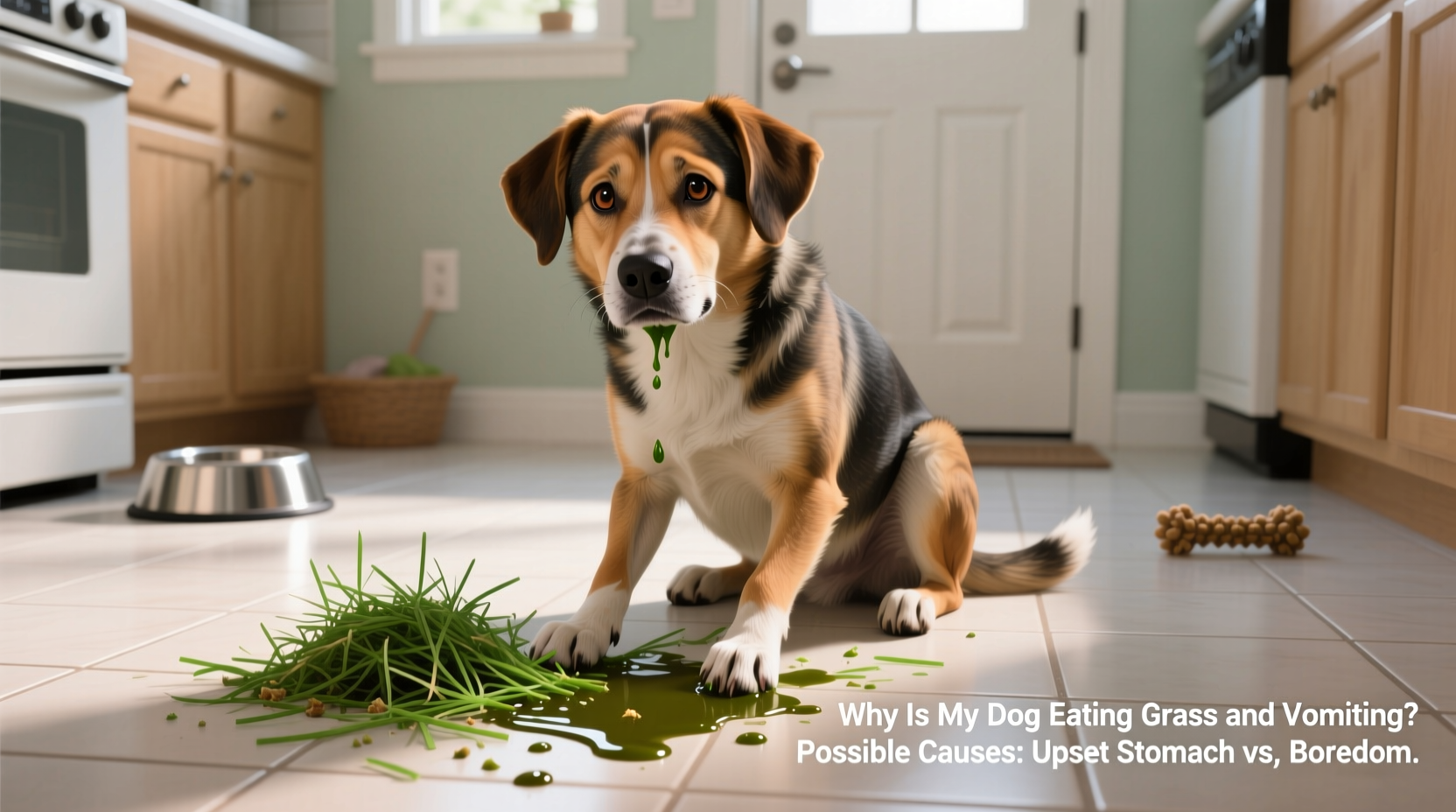
Dogs are omnivores with varied diets, and their instinct to consume plant material isn’t inherently alarming. In fact, studies suggest that up to 79% of dogs eat grass regularly, often without showing signs of illness beforehand. However, when grass-eating is paired with vomiting, the context becomes more significant.
The most frequently cited reasons include:
- Natural instinct: Wild canids consume plant matter through the stomach contents of prey or directly from the environment. Domestic dogs may retain this instinct.
- Dietary fiber need: Some dogs may seek out grass to supplement fiber in their diet, especially if their food lacks sufficient roughage.
- Upset stomach: A dog may eat grass to induce vomiting if they feel nauseous or have gastrointestinal discomfort.
- Boredom or anxiety: Behavioral factors like lack of stimulation or stress can lead to compulsive grass eating.
- Attention-seeking: If the behavior has previously resulted in attention (even negative), it may be reinforced.
Grass Eating and Vomiting: When It Points to an Upset Stomach
Veterinarians often note that dogs don’t typically eat grass to “cleanse” their stomachs, as commonly believed. Instead, research suggests that dogs who are already feeling nauseous may turn to grass as a way to trigger vomiting. This self-induced response could provide temporary relief from bloating, acid reflux, or indigestion.
Symptoms that accompany an upset stomach include:
- Lip licking or excessive swallowing (signs of nausea)
- Pacing or restlessness
- Loss of appetite
- Diarrhea or constipation
- Excessive drooling
If your dog eats grass and vomits shortly afterward but then resumes normal activity, it may simply have been a minor digestive episode. However, frequent vomiting—even if your dog seems otherwise fine—warrants veterinary evaluation. Chronic vomiting can lead to dehydration, esophageal damage, and nutrient deficiencies.
“While occasional grass consumption is not concerning, recurrent vomiting post-grazing should prompt a diagnostic workup. We need to rule out gastrointestinal disease, parasites, or dietary intolerance.” — Dr. Lena Patel, DVM, Small Animal Internal Medicine Specialist
Boredom and Anxiety: The Behavioral Side of Grass Eating
Just as humans develop habits when stressed or under-stimulated, dogs may resort to repetitive behaviors like grass eating. This is particularly common in dogs left alone for long periods, those without adequate exercise, or individuals in high-anxiety environments.
Signs that grass eating may be behavioral include:
- Eating large amounts of grass rapidly
- Doing so only during specific situations (e.g., during thunderstorms or when left alone)
- No vomiting afterward
- Repetition throughout the day
In these cases, the dog isn’t necessarily ill but may be seeking sensory input or a coping mechanism. Much like nail-biting in humans, it becomes a habit that persists even when the initial trigger fades.
Environmental enrichment plays a key role in reducing such behaviors. Dogs thrive on routine, mental challenges, and physical activity. Without them, they may invent their own outlets—some of which aren’t ideal.
Step-by-Step Guide to Addressing Behavioral Grass Eating
- Assess daily routine: Ensure your dog gets at least 30–60 minutes of active exercise per day, adjusted for breed and age.
- Incorporate mental stimulation: Use puzzle feeders, scent games, or training sessions to engage their mind.
- Monitor alone time: If your dog is home alone for long stretches, consider dog walking services or daycare.
- Introduce alternative chew options: Provide safe, edible chews or durable toys to redirect oral fixation.
- Consult a behaviorist: If anxiety is suspected, professional guidance can help implement desensitization techniques.
When to Worry: Red Flags That Require a Vet Visit
Not all grass eating is harmless. Certain patterns indicate the need for medical evaluation. Consider scheduling a vet appointment if your dog shows any of the following:
| Warning Sign | Potential Cause | Action Required |
|---|---|---|
| Repeated vomiting after eating grass | Gastroenteritis, foreign body, pancreatitis | Veterinary exam and diagnostics |
| Blood in vomit or stool | Ulcers, intestinal injury, toxicity | Immediate veterinary care |
| Lethargy or weakness | Systemic illness, dehydration | Urgent evaluation |
| Refusal to eat for over 24 hours | Pain, obstruction, infection | Same-day consultation |
| Consuming chemically treated grass | Pesticide or fertilizer poisoning | Contact vet immediately |
Keep in mind that some lawn treatments contain chemicals toxic to dogs. Glyphosate, fertilizers, and slug pellets can cause severe illness. Always supervise your dog in unfamiliar yards and avoid letting them graze in public parks where chemical use is unregulated.
Mini Case Study: Max, the Border Collie with a Grass Habit
Max, a 4-year-old Border Collie, began eating grass daily during spring. His owner noticed he would gulp down large clumps and sometimes vomit. Concerned, she recorded his behavior and brought a video to her veterinarian. After ruling out parasites and dietary deficiencies, the vet suggested a behavioral cause—Max was being left alone for eight hours a day with minimal stimulation.
The owner implemented a plan: morning agility training, lunchtime puzzle feeding, and afternoon walks with sniffing breaks. Within three weeks, Max’s grass consumption dropped by 80%. Occasional grazing remained, but vomiting ceased entirely. This case highlights how environmental adjustments can resolve seemingly physical symptoms rooted in psychological needs.
Practical Checklist: Assessing Your Dog’s Grass-Eating Behavior
Use this checklist to evaluate whether your dog’s grass consumption is normal or concerning:
- ✅ Does your dog appear healthy otherwise (bright eyes, normal energy)?
- ✅ Is grass eating occasional and not followed by vomiting?
- ✅ Is your dog on a balanced, high-quality diet appropriate for their life stage?
- ✅ Are they getting enough physical and mental exercise?
- ✅ Have you ruled out access to toxic plants or chemicals?
- ✅ Has your vet checked for parasites recently?
- ❌ Do they vomit frequently after eating grass?
- ❌ Are there signs of pain, weight loss, or diarrhea?
If most answers are “yes” to the positive indicators (✅) and “no” to the red flags (❌), your dog is likely just expressing natural behavior. If several concerns apply, schedule a veterinary visit.
Frequently Asked Questions
Is it normal for dogs to eat grass and throw up?
Occasionally, yes. Some dogs eat grass when they feel mildly nauseous and vomit as a result. However, regular vomiting is not normal and should be evaluated by a vet to rule out underlying conditions like inflammatory bowel disease, food allergies, or intestinal blockages.
Can boredom really make my dog eat grass?
Absolutely. Dogs are intelligent animals that require both physical and mental engagement. Without it, they may develop repetitive behaviors such as tail chasing, excessive licking, or grass eating. Increasing enrichment often reduces or eliminates these habits.
Should I stop my dog from eating grass completely?
Not necessarily. If your dog eats grass infrequently, shows no signs of illness, and avoids chemically treated lawns, it’s likely harmless. However, if it leads to vomiting or occurs obsessively, intervention through training, diet adjustment, or veterinary care may be needed.
Conclusion: Know Your Dog, Trust Your Instincts
Dogs eating grass and vomiting can stem from a range of causes—from benign instincts to genuine medical issues. The key lies in observation. Is the behavior isolated or recurring? Does your dog seem distressed or content? Are there other symptoms at play?
Most dogs will eat grass at some point without consequence. But when vomiting becomes a pattern, it’s a signal worth heeding. Whether the root cause is digestive discomfort, dietary imbalance, or emotional need, addressing it early improves outcomes and strengthens your bond with your pet.
💬 Have you noticed changes in your dog’s grass-eating habits? Share your experience or questions below—we’d love to hear how you’ve supported your pet’s well-being.








