
One moment your cat is using the litter box without issue; the next, they’re avoiding it entirely—sprinting from the room at the sight of it or eliminating in quiet corners of the house. This sudden fear can be confusing and frustrating for pet owners. But behind this behavior lies a complex mix of physical, environmental, and psychological factors. Understanding why your cat is suddenly afraid of their litter box isn’t just about fixing a habit—it’s about listening to what your cat is trying to tell you.
Cats are creatures of routine and sensitivity. Even subtle changes in their environment or health can trigger anxiety and avoidance behaviors. The litter box, often assumed to be a neutral zone, can become a source of stress if conditions aren’t just right. By identifying the behavioral clues and underlying causes, you can take meaningful steps to restore your cat’s sense of safety and well-being.
Common Behavioral Clues Your Cat Is Scared of the Litter Box
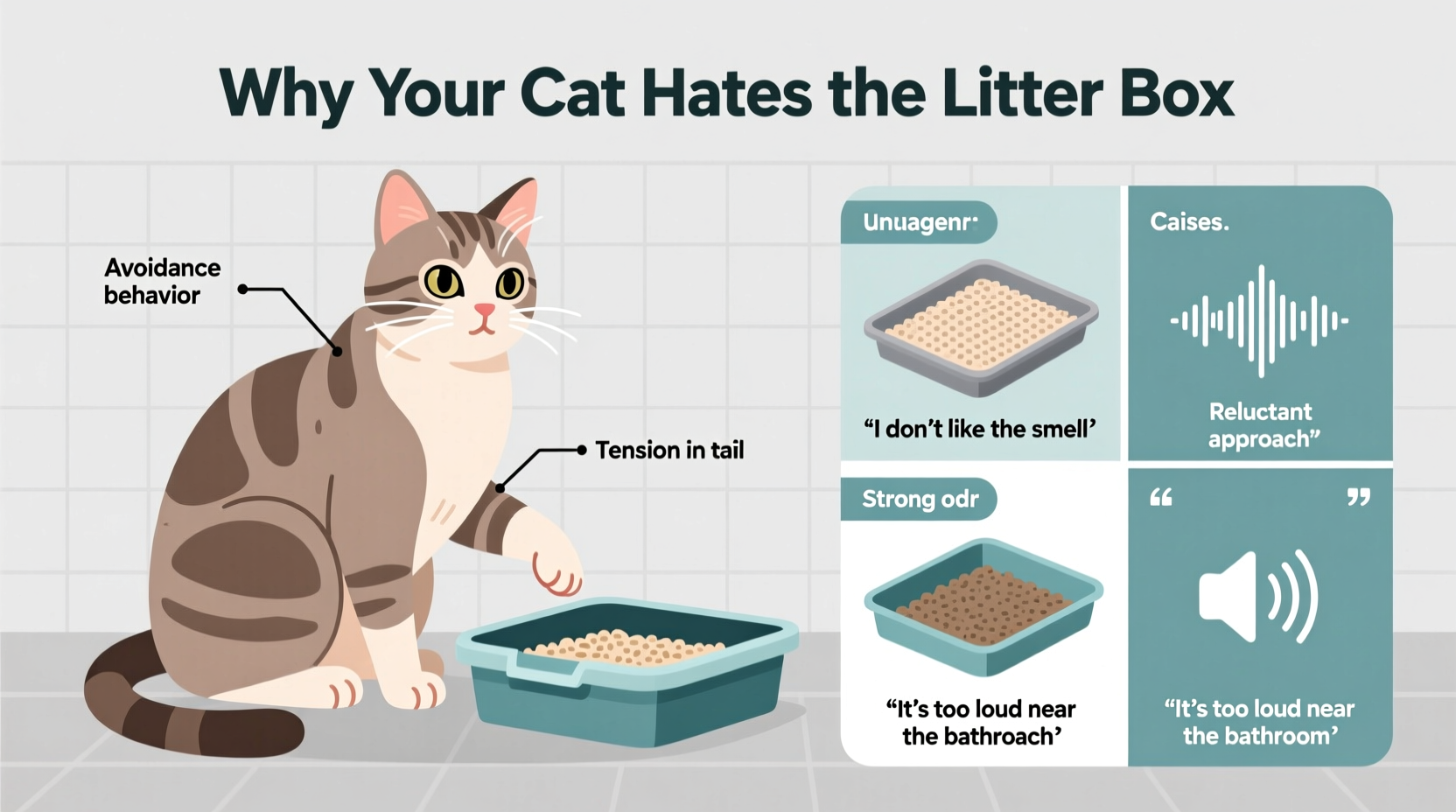
A cat doesn’t announce their fears with words—but they communicate clearly through body language and behavior. Recognizing these signs early can prevent long-term issues like inappropriate elimination or chronic stress.
- Hesitation or sniffing at the entrance: Your cat approaches the box but stops short, sniffing intensely before retreating.
- Backing away quickly: They turn around abruptly after stepping near or into the box.
- Vocalizing near the box: Meowing, growling, or hissing when near the litter area may signal discomfort or fear.
- Eliminating nearby but not in the box: Urinating or defecating on rugs, floors, or furniture close to the box suggests they associate the area with something unpleasant.
- Over-grooming paws after use: If your cat scrubs their feet excessively after leaving the box, the litter texture or cleanliness may be bothering them.
- Dilated pupils or flattened ears: These physical signs indicate fear or hyper-vigilance when approaching the box.
Physical Causes Behind Litter Box Fear
Sudden fear of the litter box is often rooted in pain or discomfort. Cats instinctively hide illness, so a change in elimination habits may be one of the first visible signs of a medical problem.
Urinary tract infections (UTIs) are common, especially in male cats. Each time your cat associates the act of urination with burning pain, the litter box becomes a place of trauma. Over time, they begin to avoid it altogether—even after recovery.
Likewise, arthritis or joint pain can make climbing into a high-sided box difficult or painful. Older cats may hesitate or struggle to enter, leading to frustration and avoidance. Similarly, digestive issues like constipation or diarrhea can cause discomfort during defecation, making the litter box an unpleasant experience.
If your cat cries out while using the box, licks their genital area frequently, produces small or bloody stools, or strains to urinate, consult your veterinarian immediately. These are red flags that require prompt medical attention.
“Painful elimination creates negative associations fast. Once a cat links the litter box with discomfort, even resolving the medical issue won’t automatically fix the behavior.” — Dr. Lena Torres, Feline Behavior Specialist
Environmental and Sensory Triggers
Cats rely heavily on scent, sound, and spatial awareness. Changes in any of these areas can turn a once-comfortable litter box into a source of fear.
Litter type changes are a major culprit. Switching from unscented clumping clay to a heavily perfumed crystal litter can overwhelm a cat’s sensitive nose. Texture matters too—some cats dislike fine dust, coarse grains, or litter that sticks to their paws.
Noise and location also play critical roles. A litter box placed near a loud washing machine, dishwasher, or door that slams unexpectedly can startle a cat mid-use. Similarly, placing the box in a high-traffic hallway or near a barking dog increases stress.
Cleanliness is non-negotiable. Cats have an innate preference for clean spaces. If the box hasn’t been scooped daily or deep-cleaned monthly, odor buildup alone can deter use. Strong cleaning chemicals like ammonia or bleach can leave residues that smell toxic to cats, reinforcing avoidance.
| Factor | Potential Issue | Solution |
|---|---|---|
| Litter Scent | Perfumed litter overwhelms sensitive nose | Switch to unscented, low-dust litter |
| Box Location | Near loud appliances or foot traffic | Relocate to quiet, private area |
| Cleaning Products | Ammonia/bleach residue smells like urine | Use mild soap and water or enzymatic cleaners |
| Box Type | High sides, covered top limits escape routes | Try open-top or low-entry box |
| Multiple Cats | Bullying at shared box | Add extra boxes (one per cat +1) |
Step-by-Step Guide to Rebuilding Litter Box Confidence
Reintroducing your cat to the litter box requires patience, observation, and gradual reconditioning. Follow this timeline to help your cat regain trust:
- Day 1–3: Rule out medical issues. Schedule a vet visit to check for UTIs, arthritis, or gastrointestinal problems. Treatment must come first.
- Day 4–5: Audit the litter setup. Evaluate location, type, cleanliness, and number of boxes. Make one change at a time to isolate what works.
- Day 6–7: Introduce a new box temporarily. Place a second box in a different, quiet location with a different litter type (e.g., soft paper-based litter). Let your cat explore it freely.
- Day 8–10: Remove aversive elements. Eliminate strong scents, switch to gentle cleaners, and ensure the box is easily accessible.
- Day 11–14: Encourage positive association. Toss treats near the box, then closer, then inside (without expecting use). Never force entry.
- Week 3–4: Monitor and reinforce. Praise quietly when your cat approaches or uses the box. Scoop immediately after successful use to maintain cleanliness.
Progress may be slow. Some cats take weeks to return to normal use. Consistency and calm reinforcement are key.
Mini Case Study: Bella’s Recovery from Litter Box Trauma
Bella, a 6-year-old domestic shorthair, began avoiding her litter box after a urinary infection. Despite treatment, she started urinating behind the couch. Her owner, Sarah, noticed Bella would approach the box, sniff, then run away.
After consulting a veterinary behaviorist, Sarah learned that Bella associated the box with pain. She replaced the covered box with an open one, switched to a softer, unscented litter, and moved it from the noisy basement to a quiet bedroom corner. She added a second box nearby as a “neutral option.”
For two weeks, Sarah placed treats around the new box and praised Bella for simply walking past it. Within three weeks, Bella used the box voluntarily. By week five, both boxes were in regular rotation, and accidents stopped completely.
The lesson? Healing isn’t just physical—it’s emotional. Bella needed time, choice, and a safe space to rebuild trust.
Tip: Offer multiple litter types in identical boxes to let your cat choose what feels safest. Preferences vary widely between individuals.Checklist: Troubleshooting Your Cat’s Litter Box Fear
Use this actionable checklist to identify and resolve the root cause:
- ✅ Schedule a veterinary exam to rule out UTIs, arthritis, or digestive issues
- ✅ Evaluate litter box location—move to a quieter, low-traffic area if needed
- ✅ Ensure the box is easy to enter (low sides for seniors or kittens)
- ✅ Provide one litter box per cat, plus one extra, spread across different rooms
- ✅ Scoop waste daily and fully replace litter weekly
- ✅ Clean the box monthly with mild soap and water—avoid ammonia or bleach
- ✅ Test different litter types (paper, pine, clay) to find your cat’s preference
- ✅ Remove covered lids if your cat seems claustrophobic or anxious
- ✅ Avoid sudden changes in routine or household members that increase stress
- ✅ Use pheromone diffusers (like Feliway) near the box to promote calmness
Frequently Asked Questions
Why is my cat scared of the litter box all of a sudden?
Sudden fear can stem from a painful medical condition (like a UTI), a negative experience (being startled while using the box), or environmental changes (new litter, location, or household stress). Start with a vet visit, then assess the litter setup.
Can a dirty litter box scare my cat?
Absolutely. Cats are highly sensitive to odor. A soiled box can smell overwhelming or even threatening. Additionally, harsh cleaning chemicals can leave behind scents that mimic urine or danger, further deterring use.
How long does it take for a cat to overcome litter box fear?
Recovery varies. With consistent adjustments and no underlying illness, many cats improve within 2–4 weeks. Others, especially those with trauma or chronic stress, may need several months of patient rehabilitation.
Conclusion: Restore Trust, One Step at a Time
Your cat’s fear of the litter box isn’t defiance—it’s communication. Whether driven by pain, scent, noise, or past trauma, this behavior signals a need for understanding and adjustment. By observing closely, ruling out medical causes, and creating a calm, inviting environment, you can help your cat feel safe again.
Remember, every cat is an individual. What works for one may not work for another. Patience, empathy, and small, consistent changes make all the difference. Don’t rush the process. Celebrate tiny victories—each step toward the box is progress.
💬 Have a story about overcoming litter box challenges? Share your experience in the comments—your insight could help another cat owner in need.








