Cats are creatures of habit, and when they suddenly avoid or act fearful around their litter box, it’s more than just a behavioral quirk—it’s a signal. Whether your feline has started pacing outside the box, scratching at the floor nearby, or eliminating in inappropriate places, these behaviors point to underlying issues that need attention. A sudden fear of the litter box can stem from medical problems, environmental changes, or psychological stressors. Understanding the root cause is essential not only for your cat’s well-being but also for maintaining a clean, harmonious home.
This article explores the common reasons behind this shift in behavior, highlights critical clues to watch for, and provides actionable steps to help your cat regain trust in their bathroom space.
Understanding Litter Box Fear: What Changed?
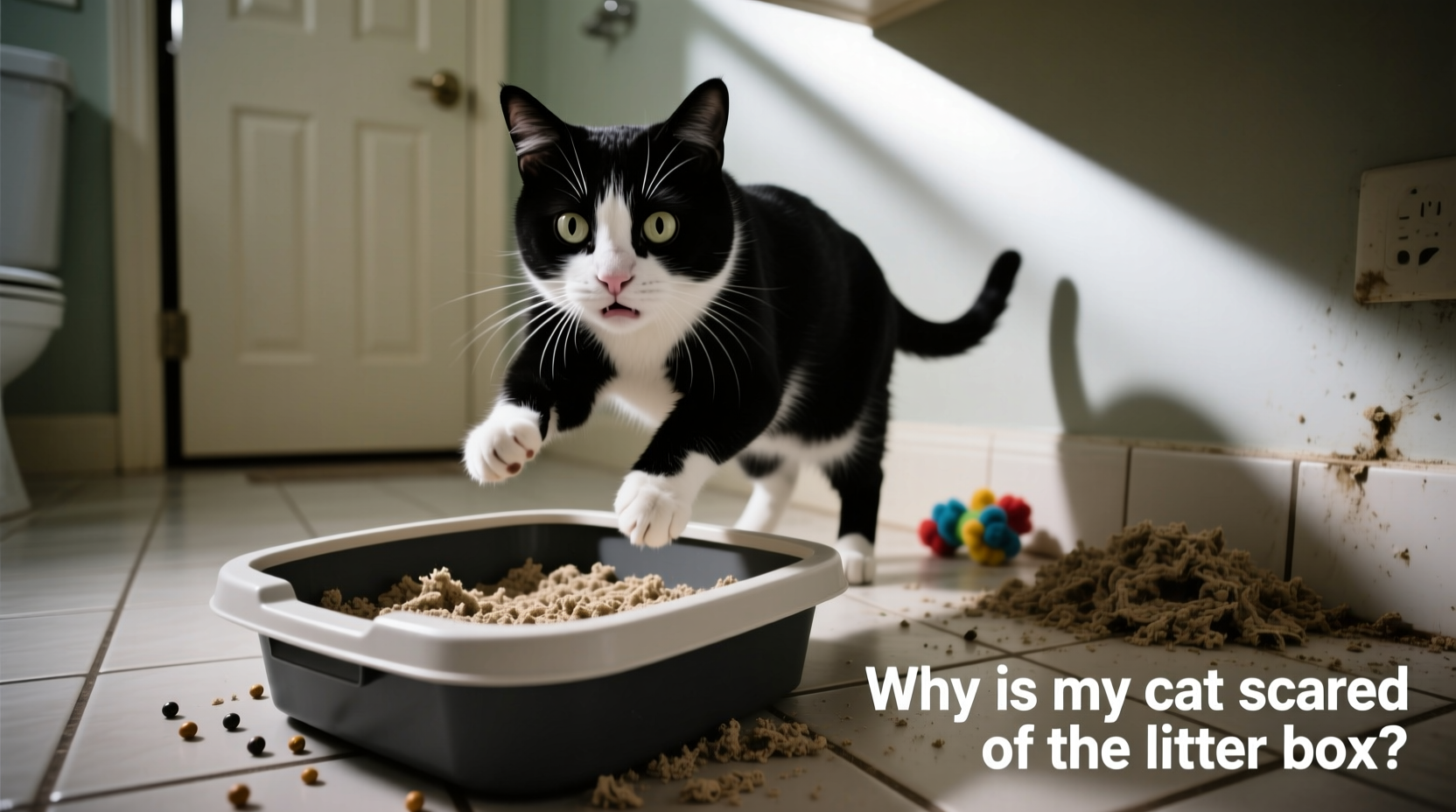
A cat that once used the litter box without hesitation may suddenly become anxious or refuse to go near it. The change doesn’t happen without reason. Unlike dogs, cats don’t typically misbehave out of defiance. When a cat avoids the litter box, it’s usually because something about the experience has become unpleasant or threatening.
The first step in addressing this issue is recognizing that fear-based avoidance is different from litter box “misuse.” Misuse might involve choosing soft surfaces like laundry or carpets, which could indicate texture preference. Fear, however, involves visible anxiety—twitching tails, flattened ears, rapid retreats, or vocalizations when near the box.
Consider recent changes in your household. Did you switch litter brands? Move the box to a new location? Introduce a new pet or person? Even subtle shifts—like increased foot traffic near the box or a loud appliance turning on unexpectedly—can trigger fear responses in sensitive cats.
Tip: Always introduce changes to your cat’s environment gradually. Sudden shifts in routine or space can lead to stress-related behaviors.Common Causes Behind Sudden Litter Box Fear
Several factors can contribute to a cat’s fear of the litter box. These range from physical discomfort to emotional distress. Identifying the most likely culprit requires careful observation and sometimes veterinary collaboration.
1. Medical Issues
Painful conditions such as urinary tract infections (UTIs), bladder stones, or arthritis can make using the litter box an uncomfortable experience. If your cat associates pain with elimination, they may begin avoiding the box altogether—even after recovery.
Dr. Sarah Wooten, DVM, explains:
“Cats are masters at hiding pain. A single painful episode in the litter box can create a lasting negative association. It’s crucial to rule out medical causes before assuming it’s purely behavioral.”
2. Litter Type or Scent Changes
Cats have highly sensitive noses—up to 200 million scent receptors compared to our 5 million. Strongly scented litters, deodorizers, or cleaning products can overwhelm them. Even switching from clay to crystal litter alters texture and smell dramatically, which some cats perceive as threatening.
3. Litter Box Cleanliness
A dirty litter box isn’t just unpleasant—it’s a health hazard. Cats prefer pristine conditions. If the box hasn’t been scooped regularly or was cleaned with harsh chemicals, lingering odors or slippery residues can deter use.
4. Location and Accessibility
Litter boxes placed in high-traffic areas, near loud appliances (like washing machines), or in dark, isolated corners can make cats feel vulnerable. Multi-cat households may also create competition if boxes aren’t spaced properly.
5. Traumatic Incidents
Did the cat have a frightening experience near the box? A sudden noise, being startled by another pet, or even a child slamming a door could create a lasting fear memory. These events may seem minor to humans but can deeply affect a cat’s sense of safety.
Behavior Clues That Signal Fear
Unlike outright aggression or illness, fear around the litter box often presents through subtle cues. Pay close attention to your cat’s body language and routines. Key indicators include:
- Hesitation or sniffing at the entrance without entering
- Backing away quickly after stepping in
- Eliminating nearby but outside the box (e.g., beside it or on a rug)
- Vocalizing (meowing, hissing) near the box
- Excessive grooming after exiting the box (sign of stress)
- Dilated pupils or flattened ears when near the area
In multi-cat homes, observe interactions. Dominant cats may guard the box, causing subordinates to wait anxiously or eliminate elsewhere. This territorial behavior is often missed by owners who assume all cats have equal access.
“Fear manifests differently in each cat. Some freeze, others flee. The key is consistency in observation.” — Dr. Elizabeth Colleran, Feline Veterinarian and Past President of AAFP
Step-by-Step Guide to Restore Litter Box Confidence
Resolving litter box fear requires patience and a structured approach. Follow these steps to identify and correct the issue:
- Rule Out Medical Problems: Schedule a vet visit. Request a urinalysis and physical exam to check for UTIs, kidney issues, or mobility pain.
- Reintroduce the Litter Box Gradually: Temporarily place a second box in a quiet, low-traffic area. Use unscented, fine-grained clumping litter—the type most cats prefer.
- Remove Stressors: Eliminate air fresheners, strong cleaners, or noisy appliances near the box. Ensure the space feels safe and private.
- Modify the Box Design: Try a shallower box or one with lower sides if mobility is an issue. Avoid covered boxes unless your cat consistently uses them—they can trap odors and reduce escape routes.
- Reinforce Positive Associations: Place treats, toys, or catnip near (but not in) the box to encourage relaxed visits. Never force your cat into the box.
- Maintain Impeccable Cleanliness: Scoop daily, change litter weekly, and wash the box monthly with mild soap and water—no bleach or ammonia-based cleaners.
- Monitor Progress: Track usage over two weeks. If improvement stalls, consider consulting a certified feline behaviorist.
Do’s and Don’ts: Litter Box Management Table
| Do’s | Don’ts |
|---|---|
| Provide one box per cat, plus one extra | Place all boxes in the same location |
| Use unscented, clumping litter | Switch litter types abruptly |
| Scoop waste at least once daily | Use ammonia-based cleaners |
| Locate boxes in quiet, accessible areas | Put boxes in laundry rooms with unpredictable noises |
| Offer multiple entry/exit points in multi-cat homes | Punish accidents or scold the cat |
Real-Life Example: Bella’s Recovery Journey
Bella, a 4-year-old domestic shorthair, lived in a two-story home with her owner and a dog. For years, she used a covered litter box in the basement without issue. After the family installed a new furnace that cycled on loudly every 30 minutes, Bella began urinating on the hallway carpet upstairs.
Her owner initially assumed it was marking behavior. But upon closer observation, she noticed Bella would approach the basement door, pause, then retreat when the furnace kicked in. A vet visit ruled out infection. Once the furnace noise was identified as the trigger, the owner moved a second litter box to a quiet bedroom on the main floor.
Within three days, Bella began using the new box. The basement box was eventually removed. No further accidents occurred. This case illustrates how environmental stimuli—not defiance—are often the real culprits.
Frequently Asked Questions
Why won’t my cat go near the litter box after I cleaned it?
If you used a strong cleaner like bleach or ammonia, the chemical odor may repel your cat. Cats associate these smells with danger or contamination. Switch to mild dish soap and rinse thoroughly. Allow the box to air dry completely before refilling.
Can trauma from another pet cause litter box fear?
Yes. If a dog or another cat ambushed or startled your cat near the box, it can create lasting fear. Ensure litter boxes are placed in areas where your cat can see entrances and exits—consider corner placements with one side open for quick escape.
How long does it take to fix litter box aversion?
With consistent effort, most cats show improvement within 7–14 days. However, deeply ingrained fears or unresolved medical issues may extend the timeline. Patience and positive reinforcement are essential.
Conclusion: Rebuilding Trust One Step at a Time
A cat’s sudden fear of the litter box is a call for empathy, not frustration. Behind every avoided box is a story—of pain, fear, or environmental disruption—that deserves investigation and care. By observing behavior clues, ruling out medical causes, and creating a safe, inviting bathroom space, you can restore your cat’s confidence.
Remember, punishment worsens fear. Instead, focus on removing stressors, offering alternatives, and rewarding calm behavior. Small changes often yield big results. Your cat isn’t being difficult—they’re communicating discomfort in the only way they can.
💬 Have you helped your cat overcome litter box fear? Share your experience in the comments—your insight could help another pet parent find peace of mind.








