Cats are creatures of habit, and their bathroom routines are no exception. When a once-reliable feline begins eliminating outside the litter box—on carpets, in corners, or even on clothing—it’s more than just an inconvenience. It’s a signal. This sudden change can stem from medical issues, stress, or environmental factors, and understanding the root cause is essential for restoring harmony in your home and ensuring your cat’s well-being.
While it’s tempting to react with frustration, punishing a cat for inappropriate elimination only worsens the problem. Instead, a methodical approach that considers both health and behavior is required. The key lies in observation, timely intervention, and knowing when professional help is necessary.
Medical Causes: When Health Is the Hidden Culprit
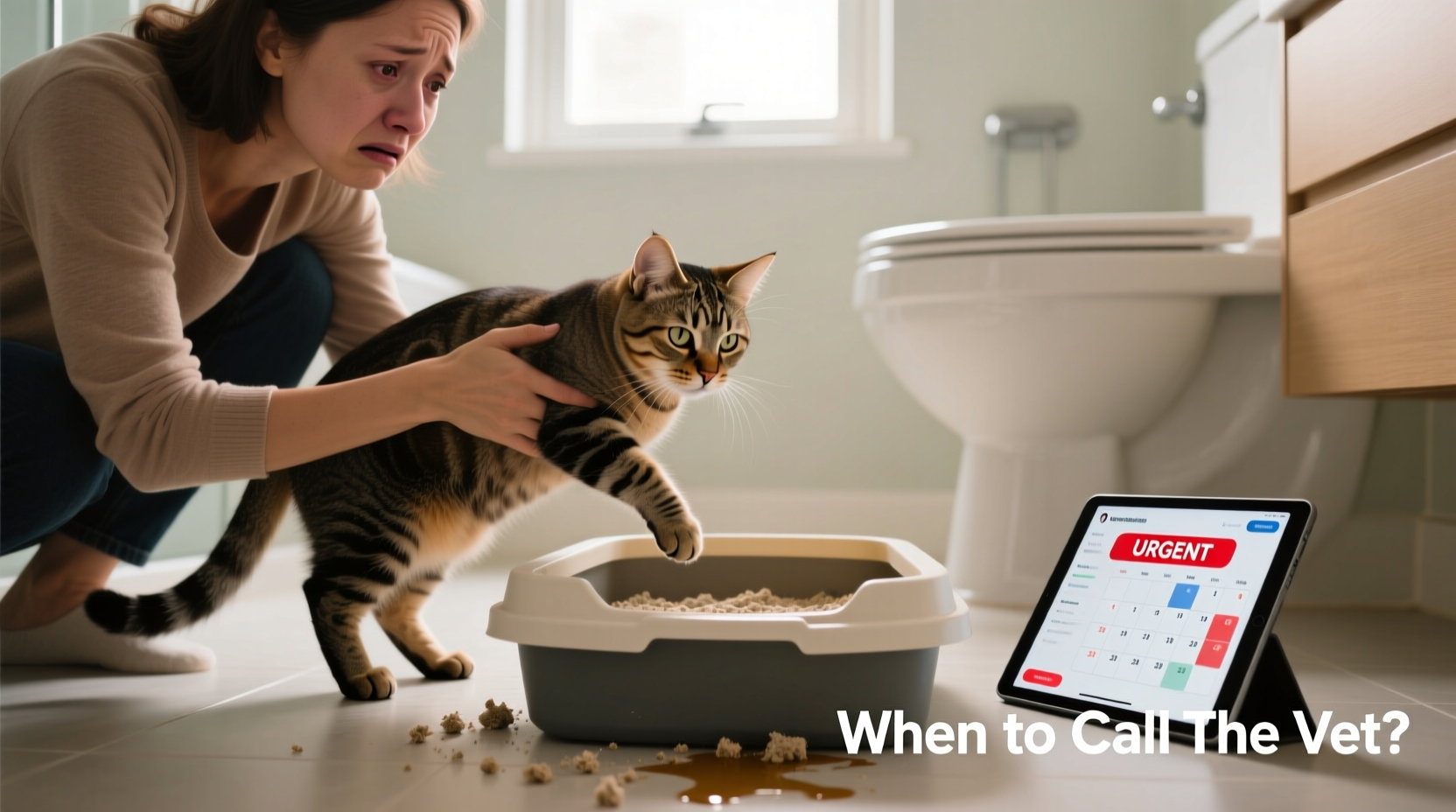
One of the first things to rule out when your cat avoids the litter box is a medical condition. Cats often hide pain and illness, but changes in elimination habits are among the most common signs that something is wrong internally.
Urinary tract infections (UTIs), bladder stones, and feline lower urinary tract disease (FLUTD) are frequent offenders. These conditions make urination painful or difficult, leading cats to associate the litter box with discomfort. A cat may squat near the box but not enter, or dash away mid-process. In severe cases, male cats can develop life-threatening urethral blockages—a true veterinary emergency.
Digestive issues like constipation or inflammatory bowel disease (IBD) can also lead to avoidance. If defecating becomes painful, your cat may begin seeking softer or more accessible surfaces elsewhere in the house.
“Any sudden change in litter box use should prompt a veterinary visit. Painful conditions like UTIs or blockages can escalate quickly.” — Dr. Lena Torres, DVM, Feline Internal Medicine SpecialistTip: Note the frequency, consistency, and location of your cat’s eliminations. Bring a fresh stool or urine sample if possible to aid diagnosis.
Behavioral and Environmental Triggers
If medical causes are ruled out, the next step is examining your cat’s environment and emotional state. Cats are highly sensitive to changes in routine, household dynamics, and physical space.
Common behavioral reasons include:
- Litter box aversion: Your cat may dislike the type of litter, the box’s location, or its cleanliness. Scented litters, deep litter, or boxes placed near noisy appliances can be off-putting.
- Stress or anxiety: New pets, people, construction, or even rearranged furniture can unsettle a cat. Stress often manifests through territorial marking or avoidance behaviors.
- Multi-cat household conflicts: In homes with multiple cats, one dominant animal may guard the litter box, forcing others to eliminate elsewhere.
- Preference for surfaces: Some cats develop a preference for soft textures like laundry or carpet over litter, especially if they’ve had a negative experience in the box.
A 2020 study published in the *Journal of Feline Medicine and Surgery* found that over 60% of cats with elimination issues had at least one identifiable environmental stressor, underscoring the importance of a calm, predictable living space.
The Litter Box Audit: What You Need to Check
Conducting a thorough assessment of your litter setup can reveal simple fixes. Use this checklist to evaluate your current system:
Checklist: Litter Box Evaluation- Number of boxes: Do you have at least n+1 boxes (where n = number of cats)?
- Location: Are boxes in quiet, low-traffic areas with easy access?
- Cleanliness: Are boxes scooped daily and fully changed weekly?
- Litter type: Is the litter unscented, fine-grained, and at least 2–3 inches deep?
- Box style: Are covered boxes causing odor buildup? Try uncovered ones.
- Accessibility: Can older or arthritic cats enter easily? Consider low-entry boxes.
Real-Life Example: Bella’s Bathroom Rebellion
Bella, a 5-year-old domestic shorthair, lived in a two-story home with her owner, Sarah, and a new puppy named Max. For years, Bella used her litter box without issue. But three weeks after Max arrived, Sarah began finding urine spots on the bedroom rug.
Initially assuming it was jealousy, Sarah tried scolding Bella—but the accidents continued. Concerned, she took Bella to the vet. Bloodwork and a urinalysis revealed a mild UTI, likely triggered by stress from the puppy’s arrival. After a course of antibiotics and the addition of a second litter box on the main floor (away from Max’s play area), Bella gradually returned to normal.
This case illustrates how medical and behavioral factors can intertwine. Treating the infection alone wasn’t enough; modifying the environment was equally crucial.
Step-by-Step Guide to Resolving Litter Box Avoidance
Follow this structured approach to identify and resolve the issue:
- Rule out medical problems: Schedule a vet visit. Request a urinalysis, blood panel, and abdominal palpation.
- Assess litter box logistics: Evaluate number, placement, cleanliness, and type of litter. Make adjustments as needed.
- Identify stressors: Consider recent changes—new pets, visitors, moves, or loud noises. Use pheromone diffusers (e.g., Feliway) to reduce anxiety.
- Clean soiled areas thoroughly: Use enzymatic cleaners to remove odors. Avoid ammonia-based products, which mimic urine scent.
- Reintroduce the litter box: Confine your cat to a small area with a clean box, food, and water. Gradually expand space as consistency improves.
- Monitor progress: Keep a log of eliminations for at least two weeks to track improvement or setbacks.
- Consult a behaviorist if needed: For persistent cases, a certified feline behavior consultant can offer tailored strategies.
When to Call the Vet: Red Flags That Demand Immediate Attention
Not all litter box issues are equal. Some symptoms indicate urgent medical concerns that require same-day care. Delaying treatment can lead to irreversible damage or fatal complications.
| Symptom | What It Might Mean | Action Required |
|---|---|---|
| Straining to urinate with little or no output | Possible urethral blockage (especially in males) | Emergency vet visit within hours |
| Blood in urine or stool | Infection, stones, or trauma | Vet appointment within 24 hours |
| Excessive licking of genital area | Pain or irritation from infection | Schedule vet visit promptly |
| Complete cessation of urination or defecation | Obstruction or severe constipation | Immediate veterinary care |
| Vocalizing during elimination | Pain associated with UTI or arthritis | Medical evaluation needed |
Male cats are particularly vulnerable to urethral obstructions, which can become fatal within 24–48 hours. If your male cat is repeatedly visiting the box but producing nothing, seek emergency care immediately.
Tip: Never wait more than 12 hours if your cat shows signs of urinary distress. Early intervention saves lives.Prevention and Long-Term Management
Once the immediate issue is resolved, focus shifts to preventing recurrence. Prevention hinges on consistency, monitoring, and proactive care.
Maintain a strict cleaning schedule—scoop daily, replace litter weekly, and wash boxes monthly with mild soap. Choose unscented, clumping litter unless your cat has specific preferences. Provide multiple boxes in multi-level homes, and avoid placing them beside washing machines or furnaces.
For households with multiple cats, ensure each has private access to a box. Dominant cats may intimidate others, leading to avoidance. Spacing boxes apart—and even using different styles—can reduce competition.
Regular wellness checks, including annual urine screenings for cats over 7, help catch issues before they escalate. Senior cats are prone to kidney disease, diabetes, and arthritis—all of which can affect litter box use.
Frequently Asked Questions
Why is my cat peeing on the bed but still pooping in the litter box?
This selective avoidance often points to a strong emotional association. The bed may carry your scent, making it a target for marking due to stress or insecurity. Alternatively, pain during urination might cause your cat to seek softer surfaces. A vet visit is essential to rule out medical causes.
Can litter box problems be purely behavioral?
Yes, but only after medical causes are excluded. Behavioral issues often stem from stress, poor box conditions, or territorial disputes. Once health is confirmed, focus shifts to environmental enrichment, consistent routines, and reducing anxiety triggers.
How long does it take to retrain a cat to use the litter box?
With proper management, most cats return to normal within 2–4 weeks. However, chronic cases—especially those involving deep-seated anxiety or multi-cat conflict—may require months of consistent effort and professional guidance.
Conclusion: Act with Compassion and Clarity
Your cat isn’t misbehaving out of spite—there’s always a reason behind litter box avoidance. Whether it’s a hidden illness, a stressful environment, or an unmet need, your response shapes the outcome. Reacting with patience, investigation, and timely veterinary support offers the best chance for resolution.
Start today: Observe your cat’s habits, audit your litter setup, and don’t hesitate to pick up the phone if something feels off. With the right approach, most cats can regain confidence in their bathroom routine—and you can reclaim a cleaner, calmer home.
💬 Have a story about overcoming litter box challenges? Share your experience in the comments to help fellow cat owners navigate this common but stressful issue.








