When a cat who once used the litter box reliably begins to avoid it, pet owners often feel confused, frustrated, or even betrayed. But before reacting emotionally, it’s essential to recognize that this behavior is not defiance—it’s communication. Your cat is signaling distress, discomfort, or dissatisfaction. The root cause may be medical, behavioral, environmental, or a combination of factors. Understanding the difference between medical and behavioral issues—and knowing how to respond—is critical to restoring your cat’s health and household harmony.
Medical Causes: When Health Is the Hidden Factor
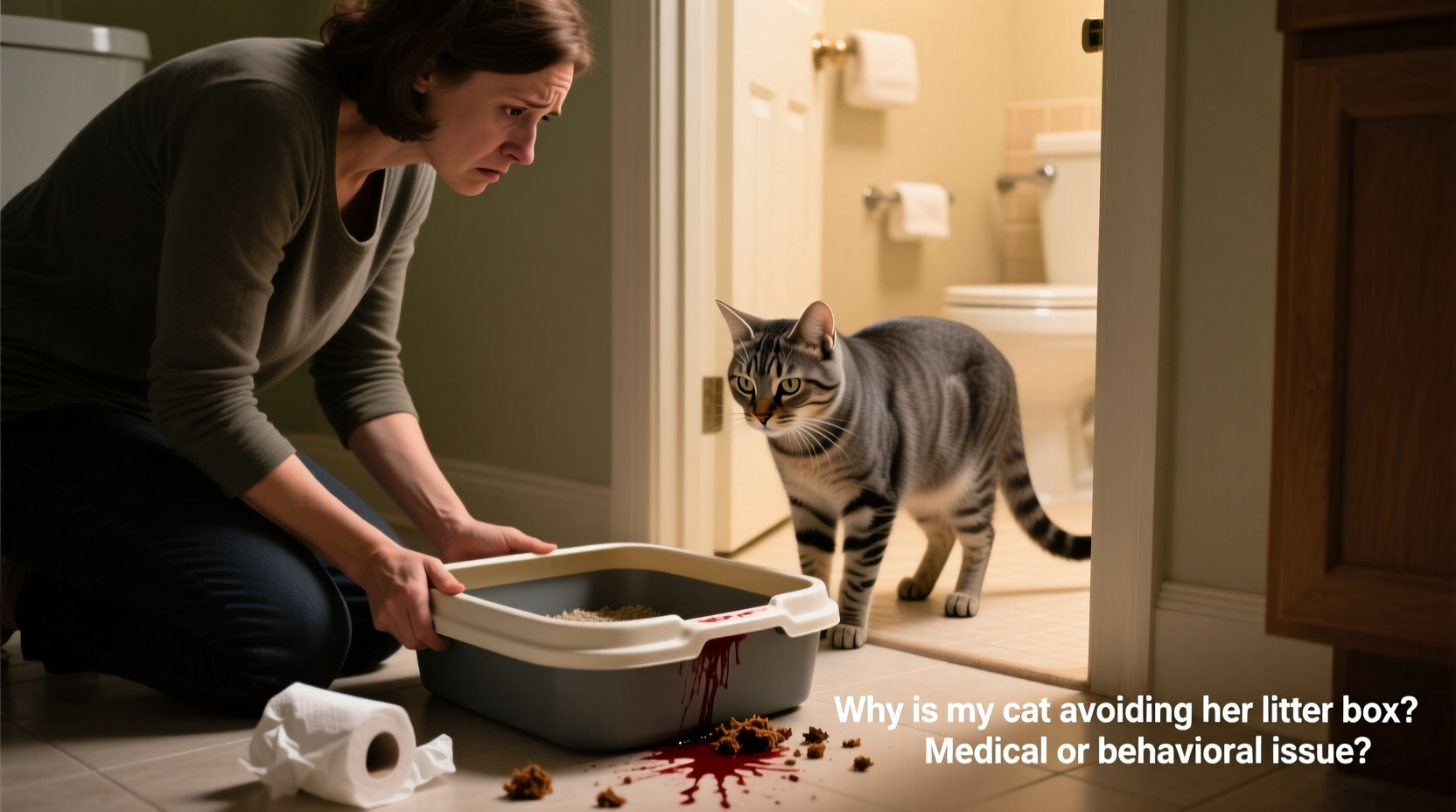
Cats are experts at concealing pain and illness. A sudden change in litter box habits can be one of the first outward signs of an underlying medical condition. If your cat is eliminating outside the box—especially if they’re straining, crying out, or producing small amounts of urine—it’s time to consider health concerns.
Common medical conditions linked to litter box avoidance include:
- Urinary tract infections (UTIs): Painful urination can make cats associate the litter box with discomfort.
- Feline lower urinary tract disease (FLUTD): A broad term covering inflammation, crystals, or blockages in the bladder or urethra.
- Kidney disease: Increased urination and dehydration can lead to accidents.
- Arthritis or joint pain: Older cats may struggle to climb into high-sided boxes.
- Diabetes or hyperthyroidism: These metabolic disorders increase thirst and urination frequency.
- Gastrointestinal issues: Diarrhea or constipation can cause defecation outside the box.
“Any abrupt change in elimination behavior warrants a veterinary evaluation. What looks like a behavioral problem could be a life-threatening condition.” — Dr. Lena Torres, DVM, Feline Medicine SpecialistTip: Collect a fresh urine or stool sample before your vet visit. This can speed up diagnosis and reduce stress for your cat.
Behavioral Triggers: Stress, Environment, and Preferences
If medical causes are ruled out, behavioral factors become the primary focus. Cats are creatures of habit, highly sensitive to changes in their environment, routine, or social dynamics. Even subtle shifts can trigger litter box aversion.
Common behavioral contributors include:
- Litter box cleanliness: Most cats prefer a clean box scooped daily. A dirty box may be rejected outright.
- Box location: High-traffic areas, noisy appliances, or corners too close to food bowls can deter use.
- Litter type: Sudden changes in texture, scent, or brand can turn cats away.
- Number of boxes: The general rule is one box per cat, plus one extra. In multi-cat households, competition can drive avoidance.
- Past negative experiences: Being startled while using the box—by a loud noise or another pet—can create lasting fear.
- Stress from changes: New pets, people, moving homes, or renovations can disrupt routines.
Unlike medical problems, behavioral issues don’t resolve on their own. They require careful observation, environmental adjustments, and patience.
The Role of Litter Box Design and Placement
Not all litter boxes are created equal. Size, depth, cover, and accessibility matter significantly. For example:
- Covered boxes may trap odors and make cats feel trapped.
- Boxes with high sides can challenge older or arthritic cats.
- Overfilled litter can discourage digging, which is instinctual for burying waste.
| Factor | Recommended Practice | Avoid |
|---|---|---|
| Number of Boxes | One per cat + one extra | Only one box in a multi-cat home |
| Location | Quiet, accessible, low-traffic area | Near washing machines or food bowls |
| Litter Depth | 2–3 inches | Less than 1 inch or over 4 inches |
| Cleaning Frequency | Scoop daily, full change weekly | Infrequent cleaning |
| Litter Type | Unscented, fine-grained clumping | Scented, crystal, or coarse litters |
Distinguishing Medical vs. Behavioral Causes: A Step-by-Step Guide
Pinpointing the source of litter box avoidance requires a methodical approach. Follow this timeline to investigate and address the issue efficiently.
- Observe Elimination Patterns: Note where, when, and how your cat eliminates. Are they squatting but not producing much? Do they appear to strain? Is the urine discolored or bloody?
- Check for Physical Signs: Look for vocalization during urination, excessive licking of the genital area, lethargy, or changes in appetite.
- Schedule a Veterinary Exam: Include a physical check, urinalysis, blood work, and possibly imaging. Rule out UTIs, FLUTD, kidney issues, or arthritis.
- Review Medications: Some drugs increase thirst or urination. Discuss side effects with your vet.
- Assess the Litter Box Setup: After medical clearance, evaluate cleanliness, number, location, litter type, and design.
- Monitor Household Changes: Identify recent moves, new pets, visitors, or construction that may have stressed your cat.
- Implement Adjustments: Make one change at a time and monitor results over 5–7 days.
- Consult a Behaviorist if Needed: For persistent cases, especially involving anxiety or aggression.
Real Example: Bella’s Story
Bella, a 7-year-old domestic shorthair, had always used her litter box without issue. Then, over two weeks, she began urinating on the bathroom rug. Her owner, Maria, was baffled—she cleaned the box regularly and used the same litter.
Maria took Bella to the vet. Urinalysis revealed a urinary tract infection and microscopic crystals. After a course of antibiotics and a switch to a prescription diet, Bella’s symptoms improved—but she still avoided the box.
The vet suggested a behavioral follow-up. It turned out Bella associated the original box with pain. Maria added a second, uncovered box in a quiet hallway filled with new, unscented litter. Within days, Bella began using it consistently. Over time, she returned to both boxes.
This case illustrates a dual diagnosis: medical onset followed by behavioral reinforcement. Treating only the infection wouldn’t have solved the full problem.
Action Plan: Checklist for Immediate Response
Use this checklist to systematically address litter box avoidance:
- ✅ Observe and document elimination behaviors (location, frequency, posture).
- ✅ Schedule a veterinary appointment—do not delay.
- ✅ Bring a urine sample if possible (use non-absorbent litter or a special collection tray).
- ✅ Review current litter box setup: number, location, cleanliness, type.
- ✅ Eliminate potential stressors: introduce new pets slowly, maintain routines.
- ✅ Clean accident sites thoroughly with enzymatic cleaner.
- ✅ Add additional litter boxes in different locations.
- ✅ Try switching to unscented, clumping litter in a low-entry, uncovered box.
- ✅ Monitor progress daily and adjust as needed.
- ✅ Consult a certified cat behavior consultant if no improvement in 2–3 weeks.
Preventing Future Issues: Long-Term Strategies
Once your cat resumes normal litter box use, maintaining consistency is key. Prevention involves proactive care and environmental management.
Regular veterinary checkups—at least once a year, twice for seniors—can catch early signs of illness. Monitoring water intake, weight, and litter box habits at home helps track subtle changes.
Keep multiple litter boxes clean and strategically placed. Avoid sudden changes in litter or location. If you must transition, do so gradually by mixing old and new litter over 7–10 days.
Reduce household stress with enrichment: vertical spaces, scratching posts, play sessions, and safe hiding spots. Calming pheromone diffusers (like Feliway) may help anxious cats adjust to changes.
FAQ: Common Questions About Litter Box Avoidance
Can stress really cause a cat to stop using the litter box?
Yes. Cats are highly sensitive to environmental changes. Events like moving, new family members, or even rearranging furniture can trigger anxiety-related elimination. Stress alters hormone levels and can suppress normal instincts, including proper toileting.
Should I punish my cat for going outside the box?
No. Punishment increases fear and worsens the problem. Yelling, rubbing their nose in waste, or confinement creates negative associations with you and the litter area. Focus on positive reinforcement and removing the cause instead.
My cat uses the box for poop but not pee. Why?
This often points to a preference issue. Cats may dislike the texture or smell of litter when urinating, which feels different than defecating. It can also indicate a urinary condition causing urgency, making it hard to reach the box in time. Investigate both medical and litter-related factors.
Conclusion: Respond with Empathy, Not Frustration
A cat avoiding the litter box is not being “spiteful” or “revengeful.” She is communicating distress—either physical or emotional. Jumping to conclusions delays resolution and risks worsening the situation. A compassionate, structured response that prioritizes health, environment, and feline psychology leads to the best outcomes.
Start with a vet visit. Then, assess the litter box ecosystem. Make thoughtful changes. Track progress. Celebrate small wins. Remember: most cases are solvable with patience and the right approach.
💬 Your experience matters. Have you resolved a litter box issue with your cat? Share your story in the comments—your insight could help another worried owner find hope and solutions.








