Cats are naturally agile, curious, and instinctively alert animals. While bursts of energy—often called \"zoomies\"—are normal, especially in younger cats, persistent or disruptive hyperactivity can be confusing and exhausting for pet owners. If your cat seems constantly on edge, dashing around at midnight, pouncing on household items, or waking you with loud meows, it’s worth exploring what’s driving this behavior. Understanding the root causes and implementing targeted strategies can help restore balance and peace to both your home and your cat’s well-being.
The Science Behind Feline Hyperactivity
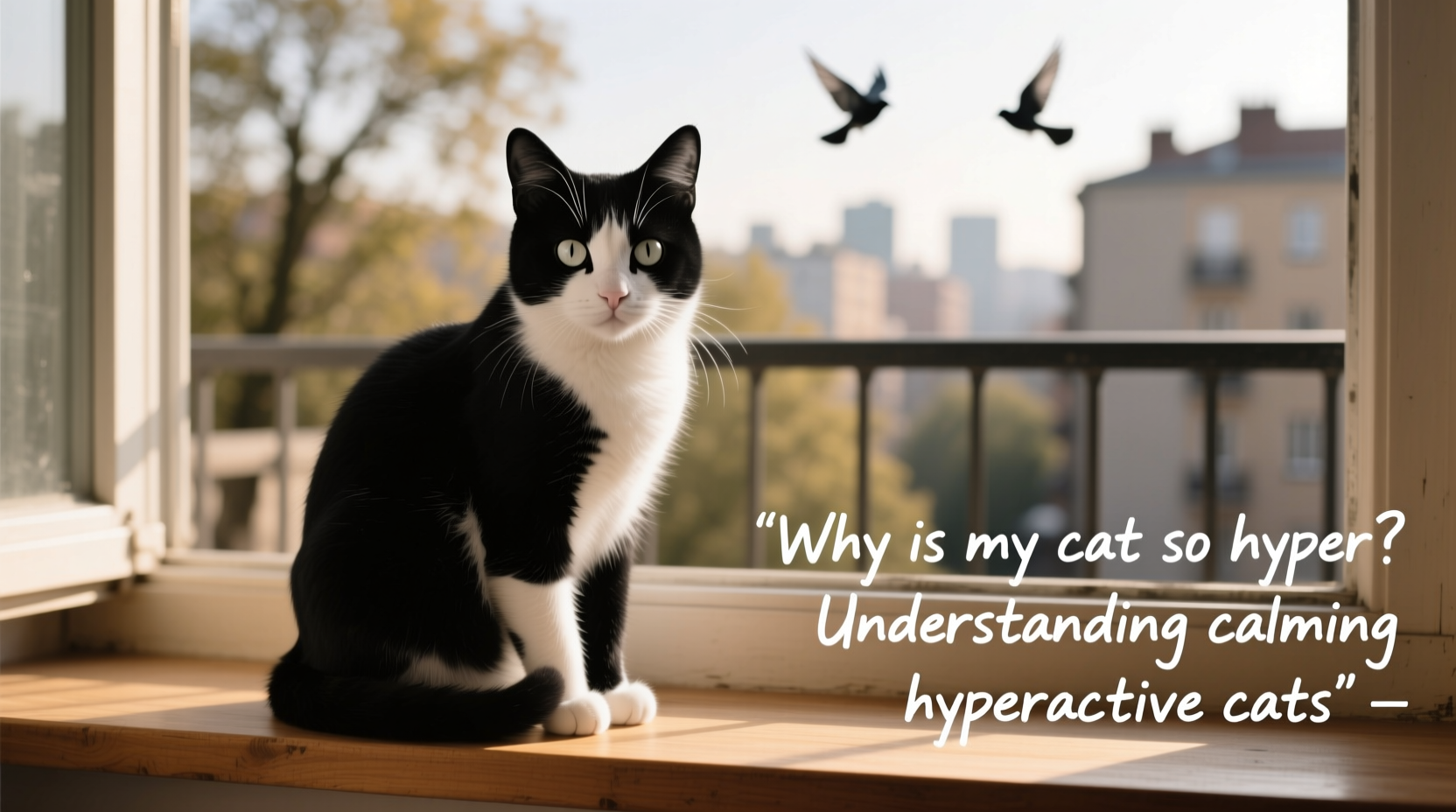
Cat hyperactivity isn’t a clinical diagnosis like ADHD in humans, but rather a collection of behaviors stemming from natural instincts, environmental factors, and sometimes underlying health issues. Cats evolved as solitary hunters, relying on short bursts of intense activity to catch prey. This means their bodies are wired for quick sprints, sudden jumps, and high-alert states—even when living comfortably indoors.
Modern domestication hasn’t erased these instincts. Without proper outlets, that pent-up energy manifests as erratic nighttime sprints, over-grooming, aggression toward other pets, or destructive scratching. Dr. Sarah Thompson, a veterinary behaviorist, explains:
“Cats don’t misbehave out of spite. What looks like hyperactivity is often unmet behavioral needs—like hunting simulation, climbing space, or mental stimulation.” — Dr. Sarah Thompson, DVM, Veterinary Behavior Specialist
Recognizing that your cat’s actions are biologically driven—not attention-seeking—shifts how you respond. Instead of punishment, focus on redirection and enrichment.
Common Causes of Excessive Energy in Cats
Several factors contribute to hyperactive behavior. Identifying which apply to your cat is the first step toward effective management.
- Age: Kittens and young adult cats (under 3 years) have boundless energy. Their playfulness is developmentally appropriate.
- Lack of stimulation: Indoor-only cats without interactive toys or climbing structures may redirect energy into frantic behavior.
- Poor feeding schedule: Feeding once a day can lead to hunger-induced agitation. Cats thrive on multiple small meals.
- Nocturnal tendencies: Cats are crepuscular—most active at dawn and dusk—but some shift activity to late night if under-stimulated during the day.
- Medical conditions: Hyperthyroidism, pain, or neurological issues can cause restlessness. Always rule out illness with a vet visit.
- Stress or anxiety: Changes in environment, new pets, or lack of safe spaces can trigger over-arousal as a coping mechanism.
Effective Strategies to Calm a Hyperactive Cat
Managing feline hyperactivity requires consistency, patience, and environmental adjustments. The goal isn’t to suppress natural behavior but to channel it appropriately.
1. Simulate Hunting with Scheduled Play
Cats need to “hunt” daily. Use wand toys to mimic prey movement—zigzag across floors, drag feathers under rugs, then let your cat “catch” the toy. End each session by letting them capture and bite the toy, satisfying the kill instinct.
2. Feed Like a Hunter: Puzzle Feeders and Meal Timing
Replace free-feeding with timed meals using puzzle feeders. These engage problem-solving skills and slow eating, mimicking the effort of catching food. Offer 4–5 small meals or use timed dispensers overnight to prevent 3 a.m. hunger cries.
3. Create Vertical Space and Safe Zones
Cats feel secure when elevated. Install shelves, cat trees, or window perches near bird feeders. These spaces allow observation without overstimulation and reduce ground-level racing.
4. Introduce Daily Routine and Predictability
Cats thrive on routine. Set consistent times for feeding, play, and quiet interaction. A predictable schedule reduces anxiety-driven hyperactivity.
5. Use Calming Aids When Needed
Feline pheromone diffusers (like Feliway) can reduce stress-related hyperactivity. In persistent cases, consult your vet about supplements such as L-theanine or prescription options.
Do’s and Don’ts: Managing Hyper Cats
| Do’s | Don’ts |
|---|---|
| Play actively for 10–15 minutes before bedtime | Chase or punish your cat during hyper episodes |
| Use interactive toys that encourage stalking | Leave laser pointers as the only toy (can cause frustration) |
| Rotate toys weekly to maintain interest | Overstimulate with constant handling or loud environments |
| Provide hiding spots and elevated retreats | Ignore signs of stress like tail flicking or flattened ears |
Real-Life Example: Calming Luna, the Midnight Sprinter
Luna, a 2-year-old Bengal mix, was adopted by a couple living in a small apartment. Every night around 2 a.m., she’d sprint down hallways, knock over plants, and meow loudly. Her owners were exhausted. After consulting a vet, they ruled out medical issues and began adjusting her routine.
They started feeding her last meal via a puzzle feeder at 10 p.m., followed by a 12-minute play session with a feather wand. They installed a tall cat tree by the bedroom window and used a Feliway diffuser in the living area. Within two weeks, Luna’s nighttime outbursts dropped from nightly to once every few days. By week six, she was sleeping through the night, curled on her perch.
This case shows that even highly energetic breeds can adapt with structured enrichment and consistent routines.
Step-by-Step Guide to Reducing Cat Hyperactivity
- Week 1: Observe and Document – Track when and why hyperactivity occurs. Note diet, playtime, and environment.
- Week 2: Adjust Feeding and Play – Switch to scheduled meals with puzzle feeders. Add two 10-minute interactive play sessions daily.
- Week 3: Enrich the Environment – Add climbing shelves, hiding boxes, and window access. Rotate toys every 3 days.
- Week 4: Reduce Stressors – Use pheromone diffusers, minimize loud noises, and ensure litter boxes are clean and accessible.
- Ongoing: Monitor and Refine – Continue tracking behavior. Adjust play types or schedules based on response.
Frequently Asked Questions
Is it normal for cats to be hyper at night?
Yes, many cats are most active at dawn and dusk due to their crepuscular nature. However, extreme nighttime activity that disrupts sleep may indicate insufficient daytime stimulation or improper feeding schedules.
Can certain cat breeds be more hyper than others?
Absolutely. Breeds like Bengals, Abyssinians, and Siamese are known for high energy and intelligence. They require more mental and physical engagement than lower-energy breeds like Persians or Ragdolls.
Should I ignore my cat when they’re being hyper?
Not entirely. Ignoring can work if the behavior is attention-seeking, but avoid reinforcing it with play or scolding during outbursts. Instead, proactively redirect energy earlier in the evening with structured play.
Take Control and Build a Calmer Home
Understanding why your cat is so hyper transforms frustration into empathy. With thoughtful changes to their environment, routine, and engagement, even the most frenetic feline can find calm. It’s not about suppressing their wild spirit—it’s about guiding it in healthy directions. Start small: tonight, replace one passive toy with an interactive session. Track improvements over time. Your cat isn’t broken; they just need the right outlet.
💬 Have a hyper cat you’ve successfully calmed? Share your story in the comments—your experience could help another overwhelmed pet owner find peace.








