
Cats sneeze for a variety of reasons, just like humans. Occasional sneezing is normal—it can be a reaction to dust, pollen, or even a sudden whiff of strong perfume. But when sneezing becomes frequent or persistent, it may signal an underlying health issue. Understanding the causes behind constant sneezing in cats and recognizing when it’s time to seek professional help can prevent minor problems from escalating into serious conditions.
Feline upper respiratory infections are among the most common culprits, but allergies, dental disease, foreign bodies, and even tumors can also lead to chronic sneezing. The key lies in observing accompanying symptoms and assessing the duration and severity of the behavior. This guide breaks down the potential causes, highlights red flags, and provides clear guidance on when to contact your veterinarian.
Common Causes of Constant Sneezing in Cats
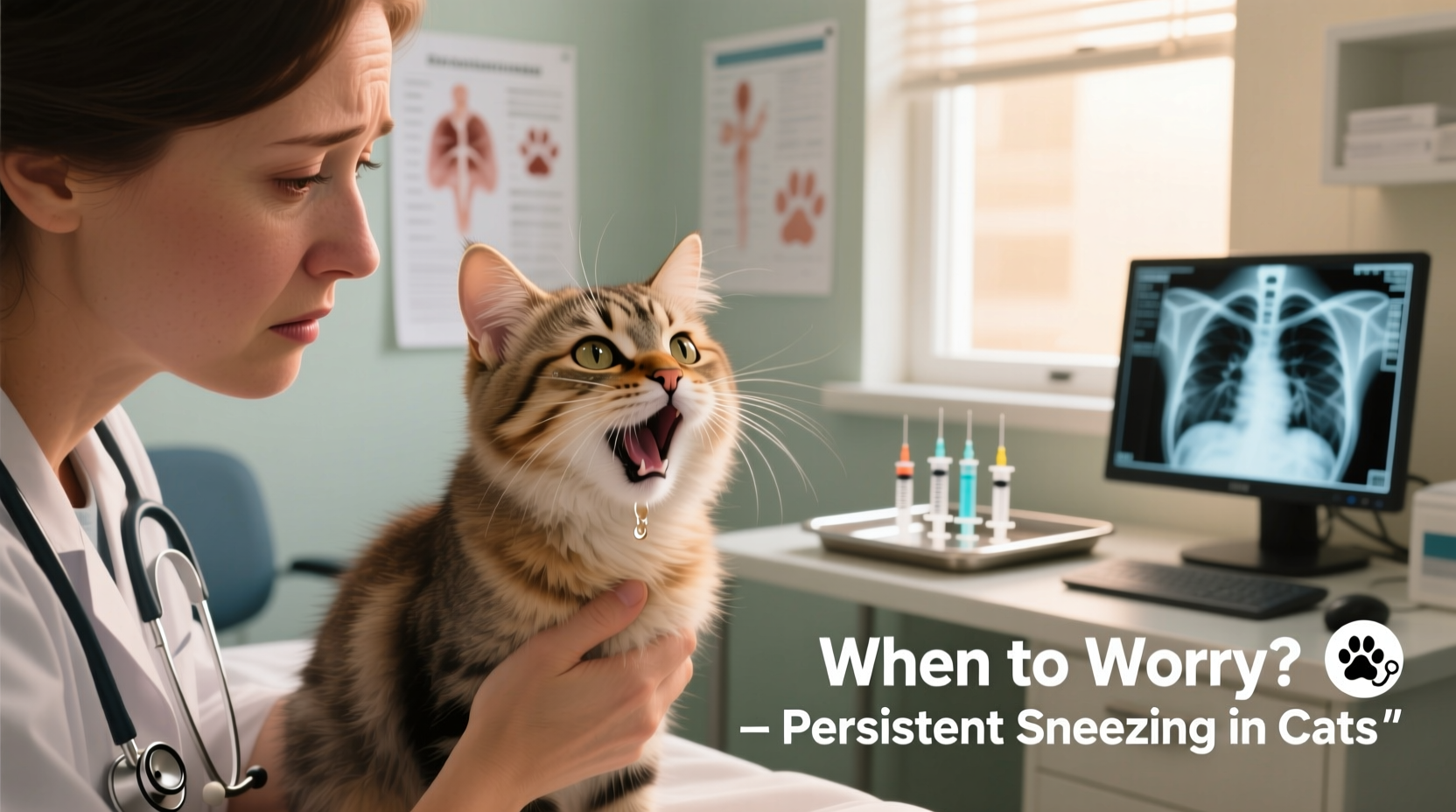
Sneezing is a reflex designed to expel irritants from the nasal passages. When a cat sneezes repeatedly, it usually means something is irritating or inflaming the lining of the nose or sinuses. Below are the most frequent causes:
- Viral Infections: Feline herpesvirus (FHV-1) and feline calicivirus (FCV) are leading causes of upper respiratory infections in cats. These viruses are highly contagious, especially in multi-cat households or shelters.
- Bacterial Infections: Secondary bacterial invaders like *Chlamydia felis* or *Bordetella bronchiseptica* often follow viral infections, worsening nasal discharge and inflammation.
- Allergies: Environmental allergens such as mold, pollen, cleaning products, cigarette smoke, or litter dust can trigger allergic rhinitis in sensitive cats.
- Dental Disease: Severe tooth root infections, particularly in the upper jaw, can spread into the nasal cavity and cause chronic sneezing and nasal discharge.
- Foreign Bodies: Grass blades, plant seeds, or small objects inhaled during grooming or exploration can lodge in the nasal passage, causing irritation and persistent sneezing.
- Nasal Polyps or Tumors: Though less common, benign growths or malignant tumors in the nasal passages can cause one-sided discharge, sneezing, and breathing difficulties.
- Irritants: Strong scents from air fresheners, perfumes, or household cleaners can provoke temporary sneezing fits.
When Sneezing Is Normal vs. When It’s a Concern
Not every sneeze requires a trip to the vet. Cats may sneeze occasionally due to harmless stimuli. However, certain patterns and associated symptoms indicate a problem that needs attention.
Normal sneezing is typically:
- Infrequent—only once or twice a day
- Triggered by a visible irritant (e.g., dust, spray)
- Accompanied by no other symptoms
- Short-lived, resolving within minutes
In contrast, concerning sneezing often presents with:
- Multiple sneezing episodes per hour
- Persistent duration (lasting more than 3–5 days)
- Nasal discharge (clear, yellow, green, or bloody)
- Eye discharge or squinting
- Lethargy, loss of appetite, or fever
- Noisy breathing or mouth breathing
“Chronic sneezing in cats should never be dismissed as ‘just a cold.’ What starts as mild irritation can progress to pneumonia or permanent damage if left untreated.” — Dr. Lena Torres, DVM, Feline Internal Medicine Specialist
Step-by-Step Guide: What to Do If Your Cat Won’t Stop Sneezing
If your cat begins sneezing frequently, follow this timeline-based approach to determine the appropriate response:
- Day 1–2: Observe and isolate (if applicable)
Note the frequency of sneezing and check for additional symptoms. If you have other cats, consider isolating the sneezing cat to prevent potential spread of infection. - Day 3: Evaluate environmental factors
Remove potential irritants—switch to unscented litter, stop using air fresheners, and clean HVAC filters. Ensure good ventilation and avoid smoking near your cat. - Day 4–5: Assess symptom progression
Look for worsening signs: thick nasal discharge, coughing, reduced eating, or eye crusting. Use a damp cloth to gently wipe secretions from the nose and eyes. - Day 6–7: Contact your veterinarian
If sneezing persists beyond five days or symptoms worsen, schedule a veterinary exam. Early intervention improves outcomes, especially with viral or bacterial infections. - After diagnosis: Follow treatment plan strictly
Whether it’s antiviral medication, antibiotics, or anti-inflammatory drugs, complete the full course even if symptoms improve.
Do’s and Don’ts: Managing a Sneezing Cat at Home
| Do’s | Don’ts |
|---|---|
| Keep your cat hydrated and encourage eating with warmed, aromatic food | Ignore loss of appetite lasting more than 24 hours |
| Use a humidifier to moisten dry indoor air, especially in winter | Administer human medications like acetaminophen (toxic to cats) |
| Clean eye and nose discharge gently with a warm, damp cloth | Use over-the-counter nasal sprays without veterinary approval |
| Monitor temperature; normal is 100.5°F–102.5°F (38.1°C–39.2°C) | Delay vet visits if your cat stops eating or has labored breathing |
| Wash bedding regularly in fragrance-free detergent | Expose your cat to cigarette smoke or strong chemical odors |
Real Example: Bella’s Case – From Sneezing to Recovery
Bella, a 3-year-old domestic shorthair, began sneezing frequently after her owner used a new scented carpet cleaner. At first, the owner assumed it was a temporary reaction. But within four days, Bella developed yellow nasal discharge, squinted her left eye, and stopped eating her usual kibble.
The owner brought her to the vet, where an examination revealed ulceration on the cornea and a moderate fever. A PCR test confirmed feline herpesvirus. Bella was prescribed oral antivirals, antibiotic eye drops, and a nebulization plan using a pediatric nebulizer with saline to ease congestion.
Within a week of treatment and environmental adjustments—including switching to fragrance-free cleaning products—Bella’s sneezing decreased significantly. Her appetite returned, and by day 14, she was nearly back to normal. This case highlights how a seemingly minor issue can escalate quickly without timely care.
When to Call the Vet: Red Flags You Shouldn’t Ignore
While mild, transient sneezing may resolve on its own, certain symptoms demand immediate veterinary attention. Contact your vet promptly if your cat shows any of the following:
- Persistent sneezing lasting more than 5–7 days
- Thick, colored (yellow/green), or bloody nasal discharge
- Difficulty breathing or open-mouth breathing
- Loss of appetite or refusal to eat for over 24 hours
- Lethargy or hiding behavior
- Visible eye changes—cloudiness, swelling, or severe crusting
- Sneezing blood (epistaxis)
- One-sided nasal discharge or swelling around the nose
Cats are masters at hiding pain and illness. By the time they show obvious signs, the condition may already be advanced. Early veterinary evaluation increases the chances of successful treatment and reduces long-term complications.
FAQ: Common Questions About Cat Sneezing
Can indoor cats get respiratory infections?
Yes. Even indoor cats can contract viruses through contaminated clothing, shoes, or airborne particles near open windows. Feline herpesvirus can remain dormant and reactivate during stress, causing recurrent sneezing episodes.
Is it safe to wait and see if sneezing goes away on its own?
Mild sneezing due to irritants may resolve in a day or two. However, if it persists beyond three days or is accompanied by discharge, appetite loss, or lethargy, waiting can allow the condition to worsen. It’s safer to consult your vet early.
Can cat allergies cause constant sneezing?
Absolutely. Allergic rhinitis in cats can result from environmental allergens like dust mites, mold, or pollen. Unlike infections, allergies tend to be seasonal or recurring and may respond to allergen reduction or antihistamines under veterinary supervision.
Final Checklist: What to Monitor at Home
Before calling the vet, gather the following information to help your veterinarian make an accurate assessment:
- 📅 How long has the sneezing been going on?
- 👃 Is the nasal discharge one-sided or bilateral? What color is it?
- 👁️ Are the eyes affected? Any redness, cloudiness, or discharge?
- 🍽️ Has your cat eaten normally in the past 24–48 hours?
- 🌡️ Does your cat feel warm to the touch or seem unusually tired?
- 🤧 Are there other cats in the home showing similar symptoms?
- 🧹 Have you introduced any new products (cleaners, litter, air fresheners)?
Conclusion: Trust Your Instincts and Act Early
Constant sneezing in cats is more than just a nuisance—it’s a signal that something may be wrong. While some causes are minor and easily resolved, others require prompt medical intervention to prevent complications like dehydration, pneumonia, or chronic sinus damage.
There is no universal timeline for when to call the vet, but erring on the side of caution is always wise. If your cat seems unwell, stops eating, or exhibits any of the red flags discussed, don’t hesitate to seek professional care. With timely treatment, most cats recover fully from respiratory issues. Your vigilance today can spare your pet prolonged discomfort tomorrow.
💬 Has your cat experienced persistent sneezing? Share your story or questions in the comments—your experience might help another cat owner recognize the signs early.








