
Cats are creatures of habit, and their behaviors—no matter how peculiar—often stem from deep-rooted instincts. One such behavior that puzzles many cat owners is when a cat finishes using the litter box and then begins furiously scratching the floor nearby. This action may seem odd or even destructive, especially if it’s happening on hardwood, tile, or carpet. But rather than being a sign of misbehavior, this act is usually rooted in natural feline instincts, environmental factors, or subtle communication.
Understanding why your cat engages in post-litter-box scratching can help you address any underlying concerns, improve your cat’s comfort, and protect your flooring—all while respecting your pet’s innate tendencies. Let’s explore the science, psychology, and practical solutions behind this common yet misunderstood behavior.
The Evolutionary Roots of Scratching Behavior
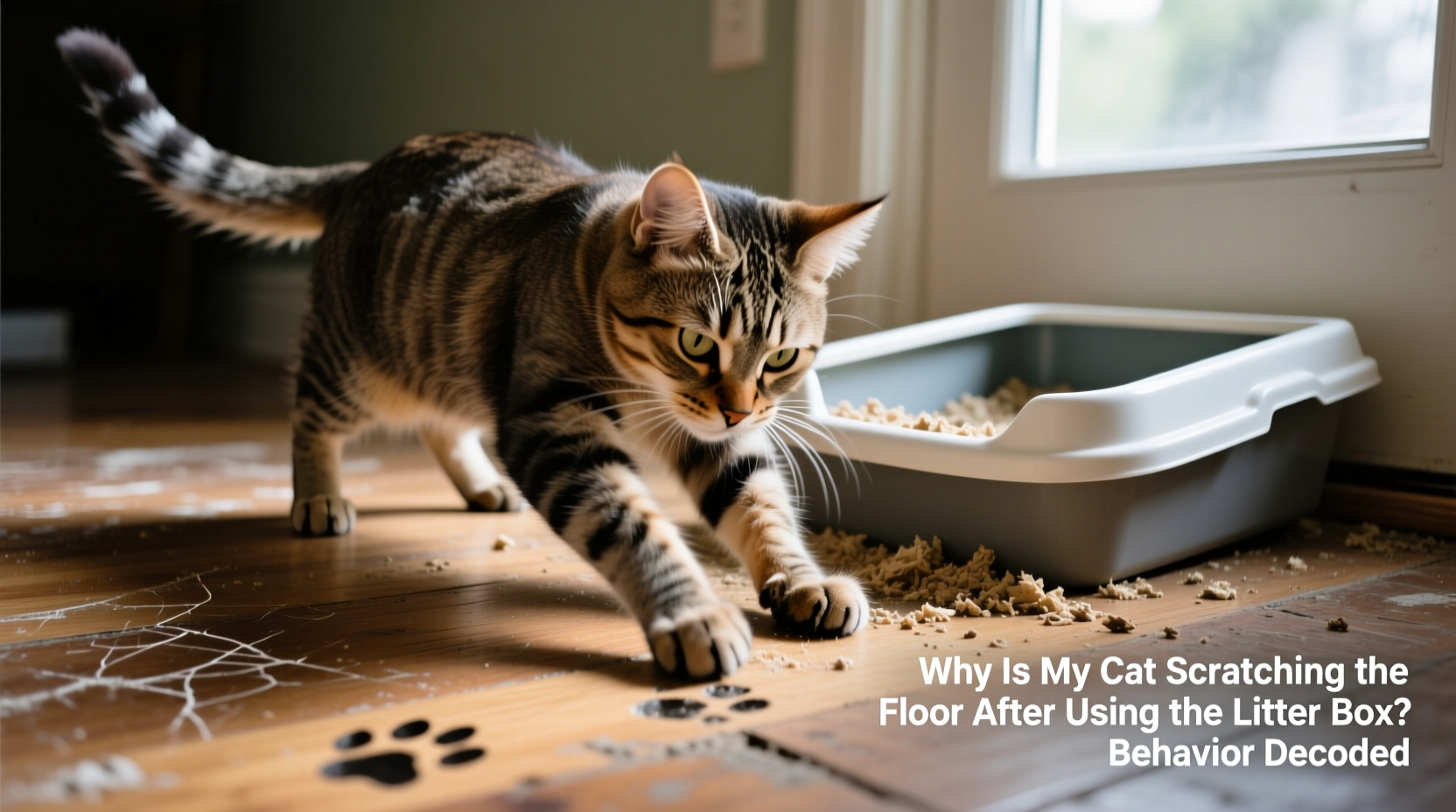
To understand modern cat behavior, we must look back at their wild ancestors. In the wild, cats bury their waste to avoid attracting predators or signaling their presence to rivals. This instinctual act of covering feces or urine is deeply ingrained, even in domesticated cats who live in safe, indoor environments.
However, not all cats fully bury their waste—and some don’t attempt to at all. When a cat uses the litter box but then scratches the surrounding floor, they may be trying to extend the “covering” process beyond the confines of the box. If the litter isn’t deep enough, the texture is unpleasant, or the box feels too small, the cat might resort to scratching the nearby surface as a compensatory behavior.
This action mimics the motion of digging and scattering dirt over waste, even when no actual soil is available. The physical gesture remains, even if the environment doesn’t support its full completion.
Tip: Ensure your litter box has at least 2–3 inches of unscented, clumping litter to encourage natural burying behavior.Common Reasons Cats Scratch the Floor After Using the Litter Box
While instinct plays a major role, several specific factors can trigger or intensify this behavior. Understanding these reasons allows for targeted solutions.
1. Unsuitable Litter Box Setup
A poorly designed or maintained litter box can discourage proper use. Cats are fastidious animals and prefer clean, spacious, and easily accessible boxes. If the litter is too shallow, too dusty, or strongly scented, your cat may refuse to cover their waste properly and instead scratch the floor outside the box.
2. Marking Territory
Cats have scent glands in their paws. When they scratch surfaces, they leave behind pheromones that mark the area as their own. After eliminating, a cat may scratch the floor not just to cover waste, but to overlay their personal scent on top of it—essentially saying, “This space is mine.”
3. Expressing Discomfort or Dissatisfaction
If the litter box is dirty, overcrowded, or located in a high-traffic or noisy area, your cat may feel stressed during elimination. The subsequent scratching could be an outlet for frustration or anxiety. In multi-cat households, competition for clean litter boxes can also lead to displacement behaviors like floor scratching.
4. Mimicking Natural Substrates
In nature, cats dig into soft earth or sand. Hard flooring materials like tile or laminate don’t allow for effective digging. Your cat may scratch the floor in an attempt to simulate this natural sensation—even though it’s ineffective. This is especially common in homes where the litter box is placed on a non-carpeted surface.
5. Medical or Behavioral Issues
Sudden changes in litter box behavior—including excessive scratching afterward—can indicate medical problems such as urinary tract infections, gastrointestinal discomfort, or arthritis (which makes climbing in and out of the box painful). Similarly, cognitive decline in older cats or stress from environmental changes can manifest in altered bathroom habits.
“Scratching after elimination isn’t just about hygiene—it’s a complex blend of instinct, communication, and environmental feedback.” — Dr. Lena Torres, Feline Behavior Specialist
Do’s and Don’ts: How to Respond to Post-Litter-Box Scratching
| Do’s | Don’ts |
|---|---|
| Provide multiple litter boxes (one per cat plus one extra) | Use only one litter box for multiple cats |
| Keep litter depth optimal (2–3 inches) | Let litter become too shallow or clumped |
| Place a rug or mat under/around the box to catch kicked-out litter and give a scratching surface | Punish or yell at your cat for scratching |
| Scoop daily and change litter weekly | Allow waste to accumulate between cleanings |
| Choose unscented, soft-textured litter | Use strong-smelling or crystal litters without testing first |
Step-by-Step Guide to Reducing Unwanted Floor Scratching
If your cat’s floor-scratching behavior is damaging your floors or causing concern, follow this practical approach to redirect and reduce the behavior.
- Assess the litter box setup: Is it large enough? Is there sufficient litter? Is it cleaned regularly? Make adjustments based on your cat’s size and preferences.
- Experiment with litter type: Try different textures—clay, paper, silica, or plant-based litters—to see which your cat prefers. Some cats dislike certain granule sizes or scents.
- Add a scratching mat around the box: Place a washable rug, artificial turf, or textured mat beside the litter box. This gives your cat a designated surface to scratch, satisfying the instinct without harming your floors.
- Relocate the litter box if needed: Move it to a quieter, more private area away from appliances, foot traffic, or loud noises.
- Consult your veterinarian: Rule out medical causes, especially if the behavior is new or accompanied by straining, vocalizing, or accidents outside the box.
- Observe and adjust: Monitor your cat’s behavior after each change. Note improvements or continued issues to fine-tune your approach.
Real-Life Example: Solving Bella’s Scratching Habit
Sarah adopted Bella, a 3-year-old domestic shorthair, six months ago. She noticed that every time Bella used the litter box, she would exit and vigorously scratch the hardwood floor near the doorway. Over time, faint claw marks began to appear.
Concerned, Sarah tried scolding Bella, but the behavior persisted. She then consulted her vet, who ruled out medical issues. A feline behaviorist suggested evaluating the litter setup. Sarah realized her box was smaller than recommended and filled with a heavily perfumed litter.
She replaced the box with a larger, open-top model and switched to an unscented, clumping litter. She also placed a rubber-backed bath mat beside the box. Within a week, Bella began using the mat to scratch instead of the floor. The original scratching behavior decreased by over 90%.
This case illustrates how small environmental adjustments—guided by understanding feline needs—can resolve seemingly problematic behaviors without punishment or stress.
When to Be Concerned: Red Flags to Watch For
While occasional floor scratching after litter use is normal, certain signs may indicate a deeper issue:
- Sudden onset of scratching in a cat that previously didn’t do it
- Vocalizing during or after elimination (meowing, crying)
- Straining in the box or frequent trips without results
- Urinating or defecating outside the box
- Aggression or avoidance when near the litter area
If any of these accompany the scratching behavior, consult your veterinarian promptly. Conditions like cystitis, constipation, or arthritis could be contributing factors.
Frequently Asked Questions
Is it normal for cats to scratch the floor after peeing?
Yes, it’s relatively common. Cats often scratch after both urination and defecation as part of their instinct to cover waste and mark territory. As long as the behavior isn’t excessive or paired with signs of distress, it’s typically harmless.
Why does my cat scratch the floor even with a clean litter box?
Even a clean box may not meet your cat’s sensory or spatial preferences. The litter texture, depth, or box size might still be off. Additionally, your cat may be engaging in territorial marking through paw scratching, independent of litter cleanliness.
Can I train my cat to stop scratching the floor?
You can’t eliminate the instinct entirely, but you can redirect it. Provide acceptable scratching alternatives near the litter box, optimize the litter setup, and ensure your cat feels safe and comfortable in their bathroom space.
Conclusion: Respecting Instinct While Protecting Your Home
Your cat’s post-litter-box scratching isn’t defiance—it’s communication. Whether driven by instinct, discomfort, or the need to mark territory, this behavior offers insight into your cat’s emotional and physical well-being. By responding with empathy and informed adjustments, you can support your cat’s natural tendencies while preserving your home’s integrity.
Start by auditing your litter box setup, observing your cat’s habits, and making small, thoughtful changes. Most importantly, avoid punishment. Positive reinforcement and environmental enrichment yield far better results than reprimands.
💬 Have a story about your cat’s litter box quirks? Share your experience or questions in the comments—your insights could help another cat owner find clarity and peace of mind.








