Cats are naturally fastidious animals. In most cases, they instinctively bury their waste in soft, loose material—like litter. So when a cat starts urinating on the rug instead of using the litter box, it's more than just a nuisance; it's a signal that something is off. Whether it’s medical, behavioral, or environmental, the cause must be identified and addressed with care. Ignoring the issue often leads to recurring accidents and long-term damage to both your home and your bond with your pet.
Understanding why your cat is avoiding the litter box requires patience, observation, and sometimes professional help. This article breaks down the most common causes, provides actionable steps to resolve them, and offers expert-backed strategies to restore proper litter box use.
Medical Issues: The First Thing to Rule Out
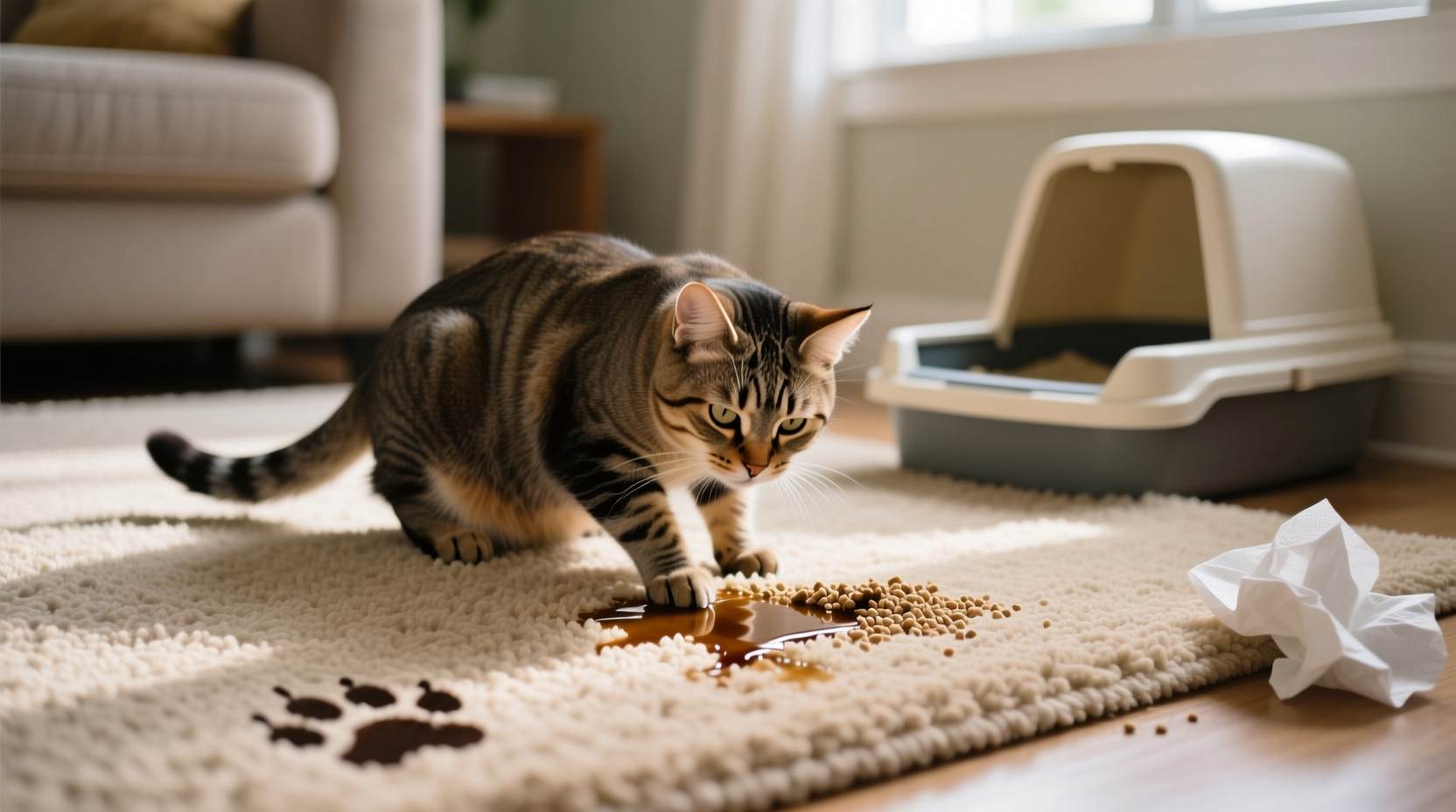
Before assuming your cat is acting out of spite or stubbornness, consider health problems. Urinary tract infections (UTIs), bladder stones, kidney disease, diabetes, and arthritis can all make litter box use painful or difficult. Cats may associate discomfort with the box and begin avoiding it altogether.
Signs that your cat’s rug-soiling habit has a medical cause include:
- Straining to urinate or frequent attempts
- Vocalizing while urinating
- Blood in the urine
- Licking the genital area excessively
- Sudden onset of accidents despite prior perfect litter habits
A veterinarian can run a urinalysis, blood work, and possibly imaging to diagnose underlying conditions. Treating the medical issue often resolves the inappropriate urination.
Tip: If your cat is older than seven, schedule annual senior wellness exams to catch urinary and kidney issues early.Behavioral and Environmental Triggers
When medical causes are ruled out, behavioral factors come into play. Cats are sensitive to changes in their environment and routine. Even minor disruptions—a new pet, a moved piece of furniture, or a change in litter brand—can trigger stress-related elimination issues.
Common behavioral reasons include:
- Stress or anxiety: From moving, visitors, loud noises, or conflicts with other pets.
- Territorial marking: Unneutered cats, or even fixed ones under stress, may mark territory with urine.
- Negative associations: If the cat was startled or punished near the litter box, it may avoid it.
- Preference for surface or location: Some cats dislike the texture of litter and prefer carpet, towels, or rugs.
“Cats don’t pee outside the box to punish you. They’re communicating distress—either physical or emotional.” — Dr. Sarah Wooten, DVM, Veterinary Contributor, American Kennel Club
Surface Preference: Why Rugs Are Tempting
The soft texture of rugs can mimic natural substrates like grass or soil, which some cats instinctively prefer over gritty litter. This is especially common in cats who were originally outdoor or stray animals. Once a cat has urinated on a rug, the lingering odor—even if cleaned—can encourage repeat visits.
To break this cycle:
- Thoroughly clean soiled areas with an enzymatic cleaner to eliminate odor cues.
- Block access to the rug temporarily using aluminum foil, plastic mats, or double-sided tape.
- Experiment with different litter types (e.g., softer, sand-like clumping litter) to find one your cat accepts.
Litter Box Problems: Location, Cleanliness, and Design
Even small issues with the litter box setup can drive a cat to seek alternatives. Many owners unknowingly create conditions that discourage use.
| Problem | Impact on Cat | Solution |
|---|---|---|
| Dirty box | Cats may refuse to use a soiled box | Scoop daily, full change weekly |
| Poor location (noisy, high-traffic) | Feels unsafe during elimination | Move to quiet, accessible area |
| Wrong number of boxes | One box per cat + one extra recommended | Add additional boxes in multi-cat homes |
| Uncovered box (for some cats) | Feeling trapped; poor ventilation | Try uncovered or top-entry options |
| Inaccessible due to stairs or barriers | Older or arthritic cats may struggle | Place boxes on every floor |
Cats value privacy and cleanliness. A litter box tucked beside a washing machine that rumbles unexpectedly—or one located next to a dog’s feeding area—can become psychologically off-limits.
Tip: Place litter boxes away from food and water bowls. Cats naturally avoid eliminating near eating areas.Step-by-Step Guide to Reclaim Litter Box Use
Resolving inappropriate urination isn’t instant, but following a structured approach increases success.
- Visit the vet: Rule out UTIs, kidney disease, or arthritis.
- Identify the scene of the crime: Note where and when accidents occur. Is it always the same rug? At night?
- Clean thoroughly: Use an enzymatic cleaner (not ammonia-based) on all soiled areas. Repeat if necessary.
- Remove access: Block the rug with temporary deterrents like aluminum foil or plastic carpet runners (nubs up).
- Optimize litter boxes: Ensure correct number, placement, type, and cleanliness.
- Match the substrate: Try placing a litter box near the soiled area with a shallow layer of litter mixed with a small piece of the soiled rug (to transfer scent).
- Encourage use: Praise quietly when your cat uses the box. Never punish.
- Gradually relocate: Once consistent use begins, slowly move the box back to its desired location (a few inches per day).
- Maintain vigilance: Continue scooping daily and monitor for relapses.
This process can take days to weeks. Patience is essential. Rushing relocation or scolding the cat will only increase stress and delay progress.
Mini Case Study: Bella the Anxious Tabby
Bella, a 4-year-old female tabby, began urinating on the living room rug three weeks after her owners adopted a second cat, Milo. Initially, the owners assumed Bella was jealous and tried using sprays and verbal corrections. The behavior worsened.
After a vet visit ruled out infection, a veterinary behaviorist suggested environmental stress as the likely cause. Bella felt unsafe accessing the single litter box, now located near Milo’s favorite lounging spot.
The solution:
- Added a second litter box on the opposite side of the apartment.
- Switched to unscented, fine-grained litter (Bella’s preference).
- Used Feliway diffusers to reduce household tension.
- Temporarily blocked the rug with a plastic runner.
Within ten days, Bella returned to consistent litter box use. The key was addressing territorial insecurity—not punishment.
Checklist: Fixing Inappropriate Urination
Use this checklist to systematically address your cat’s litter box avoidance:
- ✅ Schedule a veterinary exam to rule out medical causes
- ✅ Scoop all litter boxes at least once daily
- ✅ Provide one litter box per cat, plus one extra
- ✅ Place boxes in quiet, low-traffic, easily accessible locations
- ✅ Avoid covered boxes unless your cat clearly prefers them
- ✅ Use unscented, clumping litter unless your cat shows a preference otherwise
- ✅ Clean accidents with enzymatic cleaner—never ammonia or vinegar
- ✅ Discourage repeat soiling with temporary barriers (foil, tape, plastic)
- ✅ Consider pheromone diffusers (Feliway) for stress reduction
- ✅ Monitor interactions in multi-cat households for signs of bullying
Frequently Asked Questions
Why did my cat suddenly start peeing on the rug after years of good behavior?
Sudden changes often point to medical issues (like a UTI) or environmental stressors (new pet, move, construction). Always start with a vet visit, then assess recent changes in the household.
Can I train my cat to stop peeing on the rug?
You can't \"train\" a cat in the traditional sense, but you can modify behavior by removing incentives (odor, accessibility), improving litter box appeal, and reducing stress. Positive reinforcement works better than punishment, which increases fear and worsens the problem.
Should I punish my cat for peeing outside the box?
No. Punishment creates fear and damages trust. Yelling, rubbing their nose in urine, or cage confinement are ineffective and harmful. Focus on solving the root cause instead.
Conclusion: Restore Trust, Not Just Clean Rugs
Your cat isn’t misbehaving to upset you—it’s responding to discomfort, fear, or illness. Addressing rug urination isn’t just about protecting your flooring; it’s about understanding your cat’s needs and restoring a safe, trusting environment. With careful observation, veterinary support, and compassionate adjustments, most cats can relearn proper litter habits.
Start today: book that vet appointment, scoop the box, and take a close look at your cat’s world. Small changes can lead to big improvements. Your cat is counting on you—not to be perfect, but to listen.
💬 Have a story about overcoming litter box challenges? Share your experience in the comments—your insight could help another frustrated cat owner find hope and solutions.








