
If you've ever brought home a new appliance or received an online order, you know the drill: no matter how elaborate the gift inside, your cat will bypass it entirely to claim the cardboard box. This behavior isn't just quirky—it's deeply rooted in feline biology, psychology, and evolutionary adaptation. While humans might see an empty container, cats perceive a fortress, a hiding spot, a thermal refuge, and sometimes even a throne. But what exactly drives this seemingly irrational fixation? The answer lies at the intersection of instinct, sensory processing, and emotional regulation.
The Evolutionary Advantage of Enclosed Spaces
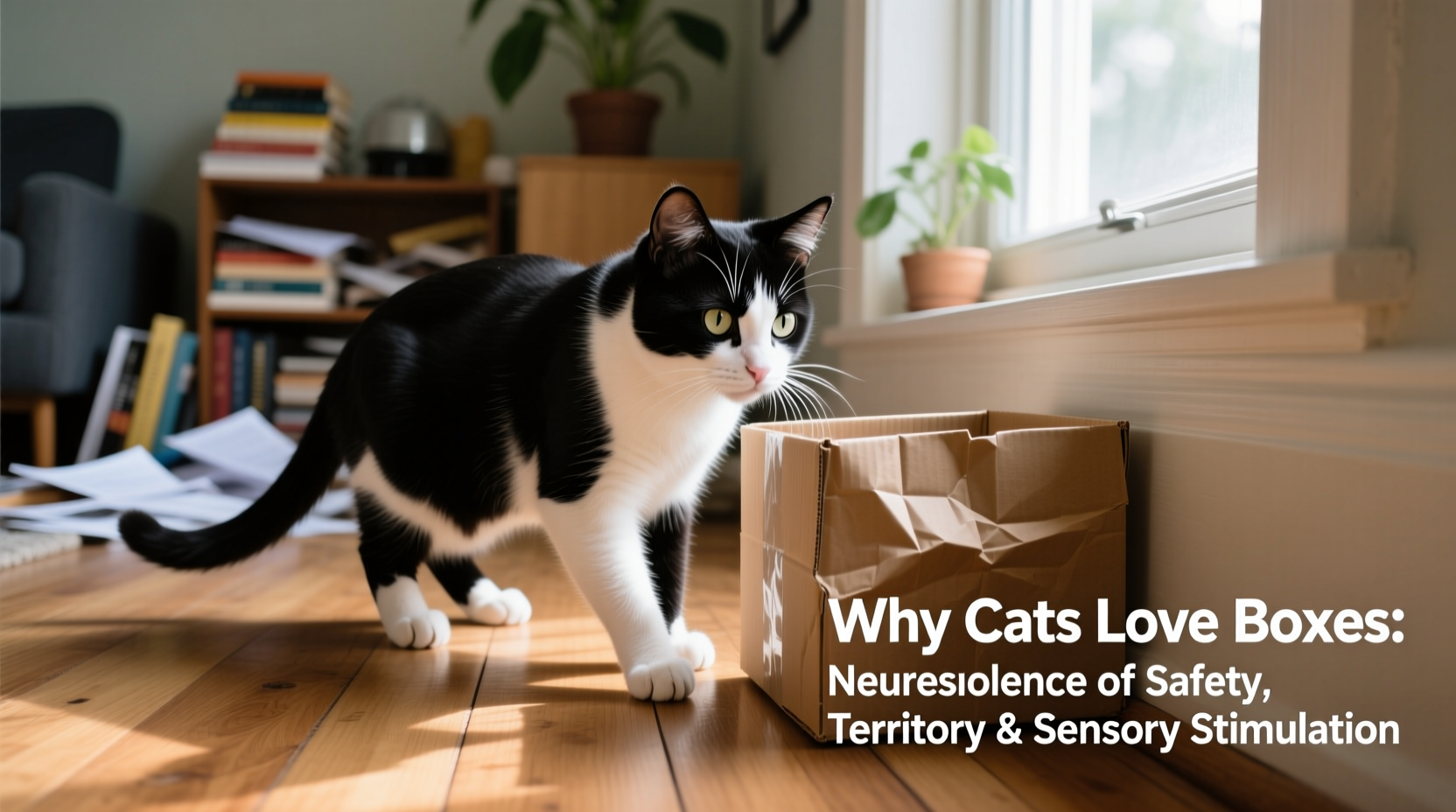
Cats, despite their domestication over thousands of years, retain many of the survival instincts of their wild ancestors. In the wild, small predators like the African wildcat—the progenitor of most domestic cats—avoid open exposure. Remaining concealed from larger predators and ambush-hunting prey both require access to sheltered spots. Boxes, closets, drawers, and under-bed spaces mimic the natural dens and burrows that wild cats would seek for safety.
A 2014 study published in *Applied Animal Behaviour Science* observed that shelter cats given access to cardboard boxes showed significantly lower stress levels during their first few weeks in a new environment compared to those without boxes. The researchers concluded that the availability of hiding places acted as a buffer against environmental stressors such as noise, unfamiliar smells, and human interaction. This suggests that a box isn’t merely entertaining—it’s a psychological sanctuary.
“Enclosure-seeking behavior in cats is not a sign of shyness but a fundamental coping mechanism. When cats feel secure, they’re more likely to explore, socialize, and adapt.” — Dr. Claudia Vinke, Veterinary Ethologist, Utrecht University
Thermoregulation and Comfort: Why Warmth Matters
Domestic cats have a higher thermoneutral zone than humans—between 86°F and 97°F (30°C–36°C)—meaning they prefer warmer environments to feel comfortable. Cardboard is an excellent insulator, trapping body heat and creating a microclimate within the box. When a cat curls up inside a confined space, its own body warmth accumulates, reducing the energy needed to maintain core temperature.
This preference explains why cats often choose boxes even when alternative beds or cushions are available. A plush cat bed may look inviting to us, but if it’s drafty or on a cold floor, it lacks the heat-retaining properties of a snug cardboard enclosure. Even in homes kept at typical room temperatures, cats may still seek out these warm pockets because their ideal comfort zone exceeds human norms.
Tip: If your cat favors boxes in winter, consider placing one near a radiator (not directly on it) or using a safe heated pad beneath the cardboard for added warmth.Sensory Security and Environmental Control
Cats are highly sensitive to their surroundings. Their acute hearing picks up distant sounds, and their vision is adapted for detecting motion—even slight shifts in light or shadow can trigger alertness. In open spaces, cats are constantly processing stimuli, which can lead to sensory overload. A box offers a controlled environment: limited sightlines, reduced auditory input, and physical boundaries that define a safe perimeter.
From a behavioral standpoint, this aligns with the concept of “perceived control.” When animals feel they can predict and manage their environment, stress decreases. A box gives a cat agency—it can observe the room unseen, decide when to emerge, and retreat instantly if startled. This sense of control is especially important in multi-pet households or homes with frequent visitors.
Interestingly, the height of the box walls matters. Studies suggest that enclosures with sides at least as tall as the cat’s back provide optimal security. Lower barriers don’t offer the same psychological protection, which is why shallow baskets or open-top beds may be ignored despite being more comfortable physically.
The Role of Play, Curiosity, and Novelty
Beyond safety and warmth, boxes stimulate a cat’s innate curiosity. Cats are neophilic—they are naturally drawn to new objects and changes in their environment. A fresh box represents novelty, offering new smells, textures, and spatial configurations to investigate. Even after the initial excitement fades, the box remains a dynamic part of the territory, repurposed for napping, pouncing, or ambushing toys (or toes).
This exploratory behavior is linked to hunting instincts. Stalking, jumping, and sudden bursts of movement are all rehearsed in play. A box becomes a stage for these behaviors: a cat may hide inside and launch surprise attacks on passing feet, or use the edges to sharpen claws. The crinkly sound of cardboard also adds an auditory dimension that mimics rustling leaves or scurrying prey, further engaging the senses.
| Behavior | Purpose | Instinctual Origin |
|---|---|---|
| Hiding in boxes | Stress reduction, safety | Dens in wild habitats |
| Scratching box edges | Claw maintenance, scent marking | Territory marking in the wild |
| Pouncing from inside | Play hunting | Predatory sequence rehearsal |
| Bringing toys into box | Resource caching | Storing prey in secure locations |
When Obsession Crosses Into Compulsion: What to Watch For
While box obsession is generally normal and healthy, extreme fixation on enclosed spaces can occasionally signal underlying issues. If a cat refuses to leave boxes, avoids interaction, or shows signs of anxiety (excessive grooming, vocalization, or inappropriate elimination), it may indicate chronic stress or environmental dissatisfaction.
In such cases, the box becomes a crutch rather than a comfort. Addressing the root cause—such as overcrowding, lack of vertical space, or unpredictable routines—is more effective than removing boxes. Instead of eliminating access, enrich the environment with multiple safe zones, perches, and interactive play sessions to encourage balanced behavior.
Tip: Rotate boxes weekly to maintain novelty. Cut different-sized openings or place them in new locations to keep exploration stimulating.Step-by-Step: Creating a Cat-Friendly Box Environment
Maximizing your cat’s enjoyment and well-being doesn’t require expensive toys or custom furniture. Simple, strategic use of boxes can transform your home into an enriched habitat. Follow this timeline to build a sustainable box-based enrichment system:
- Day 1: Select clean, odor-free cardboard boxes of various sizes. Remove tape, labels, and staples to prevent injury.
- Day 2: Place one box in a quiet area (e.g., bedroom or closet) and another near a sunny window. Observe which location your cat prefers.
- Day 3: Cut multiple entry points (arched doorways work best) to reduce claustrophobia and increase accessibility.
- Day 5: Add soft bedding (an old sweater or towel) inside one box. Leave another bare to let your cat choose texture preferences.
- Day 7: Introduce “box clusters”—arrange two or three boxes close together with overlapping openings to create a mini maze.
- Ongoing: Replace worn boxes monthly. Reuse delivery boxes or ask local stores for clean ones.
Mini Case Study: From Shelter Stress to Home Harmony
Milo, a three-year-old tabby, was adopted from a municipal shelter after spending six weeks in a crowded ward. Initially, he spent most of his time under the bed, avoiding eye contact and refusing treats. His new owner, Sarah, introduced a medium-sized cardboard box with a fleece liner and placed it beside the couch. She tossed catnip toys nearby but didn’t force interaction.
Within two days, Milo began sleeping in the box. By week three, he was using it as a launchpad for play and even allowing petting while inside. Over time, Sarah added more boxes near windows and high shelves. Within two months, Milo was confidently exploring the apartment, greeting guests, and curling up on laps—always returning to his favorite box as a “home base.”
This case illustrates how a simple intervention—providing accessible, low-pressure hiding spots—can accelerate adjustment and build trust in newly adopted cats.
Frequently Asked Questions
Is it safe for cats to eat cardboard?
Small amounts of incidental chewing are usually harmless, but ingesting large pieces can cause gastrointestinal blockages. Discourage the behavior by offering chew-safe alternatives like cat grass or rubber toys. Consult a vet if your cat consistently eats non-food items, as this could indicate pica—a condition linked to nutritional deficiencies or compulsive disorders.
Can I use plastic containers instead of cardboard?
Plastic bins lack breathability and can trap moisture and odors, making them less appealing and potentially unsafe. They also don’t allow claw penetration, which cats use to mark territory. If using plastic, ensure ample ventilation and never seal the lid. Cardboard remains the superior choice for both comfort and instinctual needs.
Why does my cat only sit on the floor next to the box instead of inside?
This “near-miss” behavior is common. Some cats prefer proximity to a safe space without fully committing—especially if the box feels too confining or the room is too busy. Try using larger boxes with low sides or open-top crates covered with a blanket to create a semi-enclosed feel.
Expert Insight: The Neuroscience of Feline Hiding
Recent advances in feline cognitive research reveal that hiding activates reward centers in the brain when paired with perceived safety. Functional studies suggest that cortisol levels drop measurably when cats occupy enclosed spaces, particularly after exposure to loud noises or strangers.
“When a cat enters a box, it’s not just hiding—it’s self-medicating. The reduction in visual stimuli and increased tactile feedback from the walls create a calming neurological response similar to swaddling in infants.” — Dr. Kelly Tanaka, Feline Neurobehavioral Researcher, UC Davis School of Veterinary Medicine
This insight underscores why depriving cats of hiding opportunities can impair their emotional health. In modern cat care, access to enclosures should be considered as essential as food and water.
Checklist: Cat-Proofing and Enhancing Box Use
- ✅ Remove all tape, glue, and staples before giving a box to your cat
- ✅ Cut rounded entry holes to prevent scratches
- ✅ Place boxes in low-traffic areas initially, then gradually move to social zones
- ✅ Monitor for signs of wear—replace damp or collapsing boxes immediately
- ✅ Combine with toys, catnip, or pheromone sprays to increase appeal
- ✅ Provide at least one box per cat in multi-cat homes to avoid competition
- ✅ Avoid using boxes treated with chemicals, dyes, or waterproof coatings
Conclusion: Embrace the Box, Respect the Instinct
The cardboard box is more than a temporary toy—it’s a cornerstone of feline well-being. By understanding the science behind your cat’s obsession, you gain deeper insight into their emotional and physical needs. Rather than discarding boxes out of habit, consider preserving them as valuable tools for enrichment, stress relief, and bonding.
Every delivery, every shipment, every humble container is an opportunity to support your cat’s natural behaviors. So the next time you catch your feline regally perched in a shipping crate meant for a coffee maker, resist the urge to intervene. You’re not witnessing absurdity—you’re observing survival strategy, sensory regulation, and quiet contentment, all wrapped in corrugated fiberboard.
💬 Have a story about your cat’s favorite box? Share your experience below—your insight might help another cat parent understand their mysterious companion a little better.








