A blister is a common skin injury that forms when fluid accumulates between layers of skin, usually due to friction, burns, or trauma. Most blisters are clear and filled with serum, but sometimes they turn dark—ranging from deep red to purple or black. A dark blister can be alarming, but it doesn’t always signal danger. Understanding what causes the discoloration, how to treat it properly, and when to seek medical attention can prevent complications and promote faster healing.
What Causes a Dark Blister?
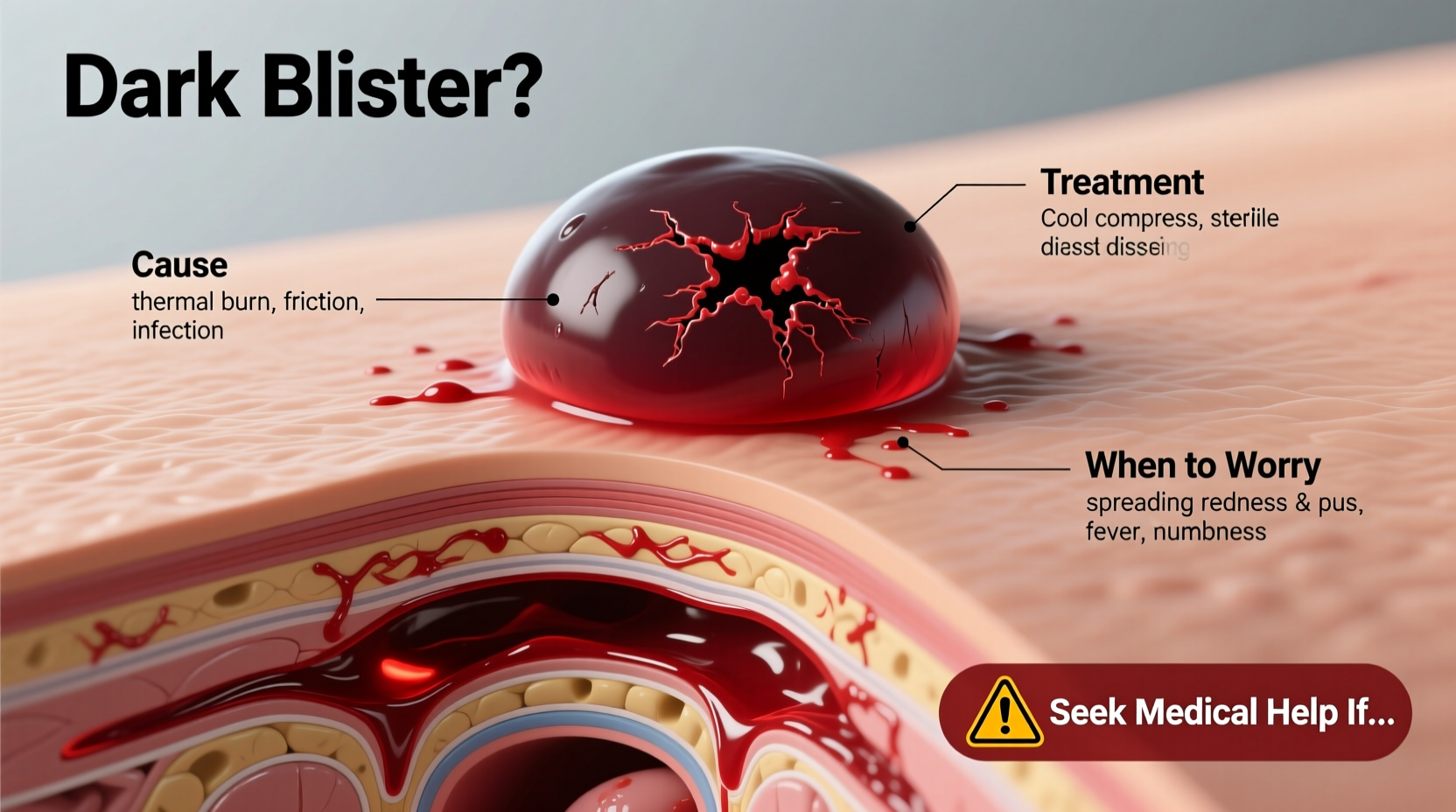
Dark blisters occur when blood or damaged tissue mixes with the fluid inside the blister. This typically happens when small blood vessels beneath the blister rupture due to pressure, heat, or trauma. The most common causes include:
- Blood blister formation: When intense friction or pinching damages capillaries, blood leaks into the blister cavity, turning it red, purple, or black.
- Burn injuries: Second-degree burns can cause both fluid and blood accumulation, especially if deeper skin layers are affected.
- Frostbite: In cold environments, reduced blood flow can damage tissue and lead to darkened blisters, often signaling severe injury.
- Infections: Bacterial invasion of a blister can cause pus mixed with blood, leading to dark or cloudy fluid.
- Medical conditions: Rarely, underlying issues like vasculitis, clotting disorders, or diabetes may impair circulation and increase the risk of tissue necrosis and dark blistering.
Unlike clear blisters, which contain only serum, dark blisters suggest some degree of vascular or tissue damage. While not always dangerous, their appearance warrants closer inspection.
Tip: Never assume a dark blister is just a bruise—monitor for signs of infection or poor healing, especially if you have diabetes or circulatory issues.Treatment Options for Dark Blisters
Treating a dark blister depends on its cause, size, location, and whether it has ruptured. The goal is to protect the area, prevent infection, and support natural healing. Avoid popping any blister unless medically necessary.
Step-by-Step Care Guide
- Clean the area gently: Use mild soap and lukewarm water. Pat dry with a clean towel—do not rub.
- Apply antiseptic: Use an over-the-counter antiseptic solution (like povidone-iodine) to reduce infection risk.
- Cover with a sterile bandage: Use a non-stick pad and secure with gauze or a bandage. Change daily or whenever wet or soiled.
- Elevate if swollen: If the blister is on a limb and accompanied by swelling, elevate it to reduce pressure.
- Monitor for changes: Check daily for increased pain, redness, warmth, or pus—early signs of infection.
- Pain management: Over-the-counter pain relievers like acetaminophen or ibuprofen can help manage discomfort.
If the blister breaks on its own, keep the roof of skin intact as it acts as a natural barrier. Trim only loose, ragged edges with sterilized scissors if necessary, then re-dress the wound.
When Not to Drain a Blister
| Do | Don’t |
|---|---|
| Let small, unbroken blisters heal naturally | Pop blisters with needles or sharp objects |
| Seek medical help if drainage is needed for large or painful blisters | Ignore signs of infection like spreading redness or fever |
| Use protective padding (moleskin) around footwear-related blisters | Apply alcohol or hydrogen peroxide directly—these delay healing |
| Keep the area dry and protected during activity | Soak feet in Epsom salt frequently—this may soften skin too much |
When to Worry: Red Flags Requiring Medical Attention
While many dark blisters resolve on their own, certain symptoms indicate a need for prompt medical evaluation. Left untreated, infected or necrotic blisters can lead to cellulitis, sepsis, or permanent tissue damage.
Warning Signs to Watch For
- Sudden increase in pain, especially if it worsens after initial injury
- Spreading redness or warmth around the blister site
- Fever or chills, suggesting systemic infection
- Pus or foul-smelling discharge from the blister
- Blackened skin beyond the blister, indicating possible tissue death (necrosis)
- Blister on a diabetic foot, where sensation and healing are impaired
- Multiple unexplained blisters, possibly linked to autoimmune conditions
“Any blister showing signs of infection or occurring in someone with diabetes should be evaluated within 24 hours. Delayed care increases amputation risk.” — Dr. Lena Patel, Board-Certified Dermatologist
Mini Case Study: Frostbite-Induced Blisters in a Hiker
A 34-year-old hiker was caught in a snowstorm at high altitude. After being rescued, he noticed dark blisters forming on his fingertips. Initially dismissed as frostnip, the blisters turned purple and became intensely painful over two days. He sought emergency care, where doctors diagnosed superficial frostbite with hemorrhagic blisters. Treatment included warming protocols, antibiotics, and close monitoring. Because he received timely care, tissue loss was minimized. However, had he ignored the discoloration, amputation could have been necessary.
This case illustrates why early recognition of dark blister causes—especially in extreme conditions—is critical.
Prevention and Daily Care Tips
Preventing dark blisters starts with reducing trauma and protecting vulnerable skin areas. People prone to friction injuries—such as runners, laborers, or those wearing ill-fitting shoes—should take proactive steps.
Tip: Wear moisture-wicking socks and well-fitted footwear to minimize friction during prolonged walking or running.Checklist: Preventing Problematic Blisters
- ✅ Break in new shoes gradually
- ✅ Use padded gloves when handling tools or weights
- ✅ Apply lubricants (like petroleum jelly) to high-friction zones
- ✅ Keep skin dry—moisture softens skin and increases blister risk
- ✅ Inspect feet daily if you have diabetes or neuropathy
- ✅ Avoid exposure to extreme temperatures without protection
For outdoor workers or winter athletes, layering clothing and using insulated gear reduces the risk of cold-induced blisters. Similarly, oven mitts and heat-resistant gloves prevent burn-related blistering in kitchens or industrial settings.
FAQ: Common Questions About Dark Blisters
Can a dark blister heal on its own?
Yes, many dark blisters heal without intervention if kept clean and protected. The body gradually reabsorbs the blood, and new skin forms underneath. Full recovery typically takes 1–3 weeks depending on size and location.
Is a black blister always a sign of infection?
No. A black blister often results from a blood blister where the blood has clotted and oxidized under the skin. However, if the surrounding skin is red, hot, swollen, or painful, infection may be present and requires medical review.
Should I go to the ER for a dark blister?
Visit the ER if the blister is large, extremely painful, associated with fever, located on a diabetic foot, or caused by frostbite or chemical burns. These situations may require professional wound care or imaging to assess tissue viability.
Conclusion: Take Action Before It’s Too Late
A dark blister isn’t always dangerous, but it’s a signal from your body that something more serious than a simple friction injury may have occurred. Whether it's a blood-filled lesion from tight shoes or a warning sign of frostbite or infection, proper assessment and care make all the difference. Most cases can be managed at home with careful hygiene and monitoring. But when in doubt—especially with underlying health conditions—err on the side of caution and consult a healthcare provider.
💬 Your skin tells a story—listen to it. Share your experience with dark blisters in the comments below, or reach out to a dermatology professional if you're concerned about healing.








