The sight of a horseshoe hanging above a doorway or tucked into a wedding bouquet is familiar across cultures. Often associated with good luck, prosperity, and protection, the horseshoe has transcended its utilitarian roots to become one of the most enduring symbols in folklore. But why exactly is a horseshoe considered lucky? The answer lies in centuries of myth, religious belief, agricultural tradition, and symbolic interpretation. From ancient Europe to modern-day customs, the horseshoe’s journey as a talisman reveals much about human nature’s desire for security and hope.
The Iron Connection: Protection Against Evil Spirits
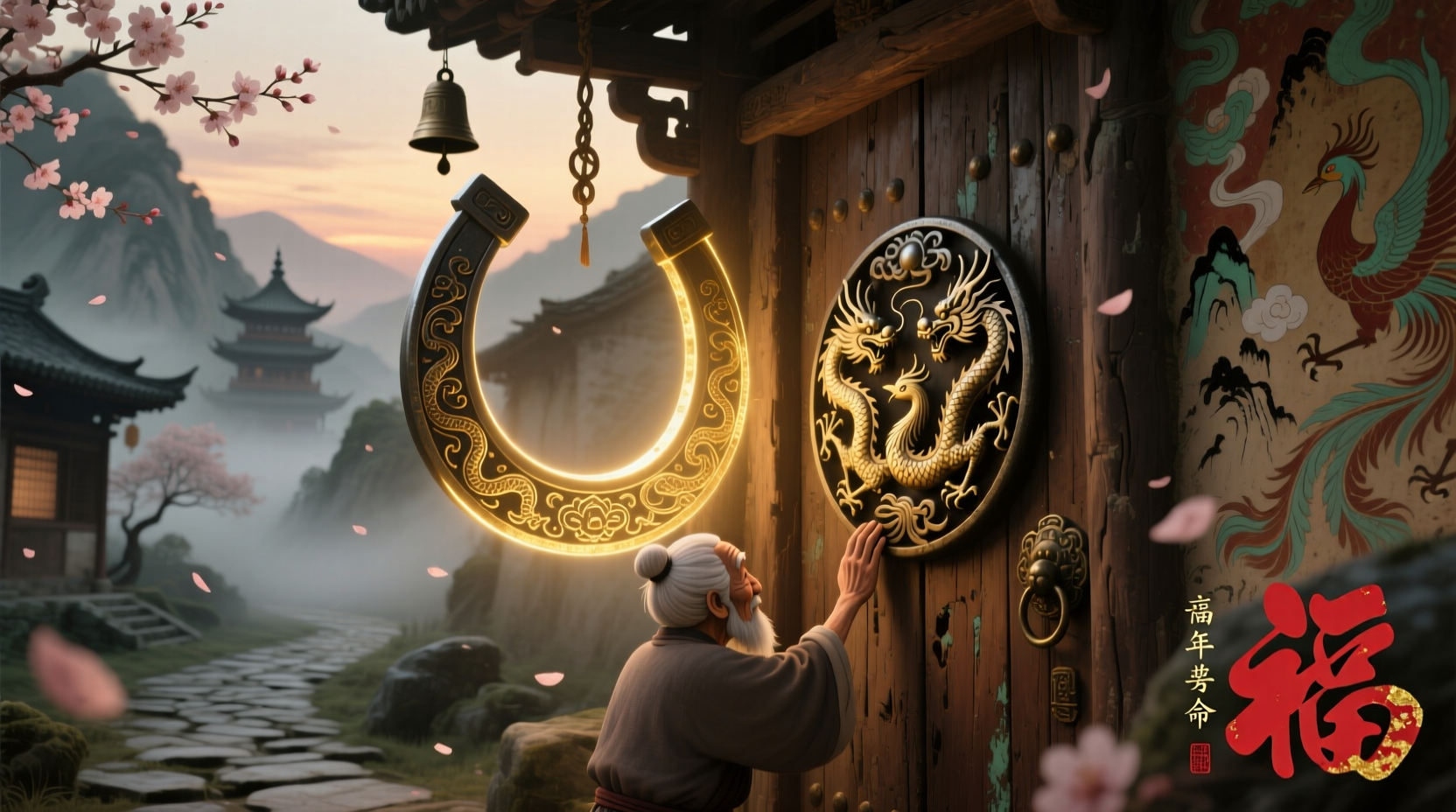
One of the earliest explanations for the horseshoe’s lucky status comes from medieval European folklore. During this period, iron was believed to possess powerful protective qualities. Unlike wood or stone, iron could be forged and shaped by fire—a process that many viewed as almost magical. Because blacksmiths worked with fire and metal, they were often seen as figures with supernatural influence.
Horseshoes, made of iron and shaped by the blacksmith’s hammer, inherited this mystical reputation. It was commonly believed that evil spirits, witches, and fairies feared iron. A horseshoe nailed above a doorframe would therefore act as a spiritual barrier, repelling malevolent forces from entering the home.
“Metal, especially iron, was thought to disrupt the energy fields of supernatural beings. The horseshoe, being both iron and curved, created a natural trap for wandering spirits.” — Dr. Eleanor Whitmore, Folklore Historian at Oxford University
This belief was particularly strong in rural England and Ireland, where homes were vulnerable to perceived supernatural threats. Over time, the protective function evolved into a broader association with good fortune.
Christian Symbolism and Saint Dunstan’s Legend
A pivotal moment in the horseshoe’s rise as a lucky charm comes from a popular 10th-century legend involving Saint Dunstan, a blacksmith before becoming Archbishop of Canterbury. According to the tale, the devil once visited Dunstan in disguise, asking him to shoe his cloven hoof. Sensing deception, Dunstan agreed—but deliberately caused excruciating pain by heating the shoe excessively.
As the devil screamed in agony, he begged for release. Dunstan agreed only after the devil promised never to enter a house protected by a horseshoe. In some versions, the saint also extracted a vow that the devil would bring no harm to anyone under a horseshoe’s protection.
While clearly allegorical, this story cemented the horseshoe’s role as a Christian protective symbol. It combined divine justice, the triumph of good over evil, and the sanctity of craftsmanship. Churches began displaying horseshoes, and households adopted them as sacred guardians.
Tip: To maximize protection and luck, ensure your horseshoe is securely fastened—loose nails were believed to allow evil spirits to slip through.Cultural Variations in Placement and Orientation
How a horseshoe is hung significantly affects its meaning. Across regions, there are differing beliefs about whether the ends should point up or down.
| Orientation | Region | Belief |
|---|---|---|
| Upright (Cup Shape) | United Kingdom, Ireland | Collects luck like a bowl; prevents fortune from spilling out |
| Downward (Inverted) | North America (common) | Pours luck outward into the home or onto passersby |
| Nailed Above Door | Rural Europe | Wards off evil; must be found, not bought, for maximum power |
| Mounted on Barns | Germany, Scandinavia | Protects livestock and ensures bountiful harvests |
In some traditions, only a *found* horseshoe carries true luck—purchased ones lack the serendipitous energy essential to magical efficacy. Others insist that the horseshoe must have been worn by a horse, preferably a white one, enhancing its purity and potency.
The Role of Number Seven
Another layer of symbolism ties the horseshoe to the number seven. Horses traditionally had four shoes, but finding a single lost one introduced an element of rarity. Seven nails were typically used per shoe, and seven is a sacred number in many belief systems—associated with completeness and divine favor. A found horseshoe with all seven nails intact was considered exceptionally lucky.
Modern Uses and Symbolic Evolution
Today, the horseshoe appears far beyond barn doors. It features in jewelry, nursery decor, wedding favors, and corporate logos. Its transition from functional object to cultural icon reflects a blend of nostalgia, aesthetic appeal, and enduring superstition.
In weddings, brides often carry a silver horseshoe as part of their “something old” or attach it to their bouquet. This practice, rooted in Victorian England, symbolizes wishes for fertility, fidelity, and lifelong happiness. Similarly, real estate agents sometimes leave a small horseshoe in new homes as a gesture of goodwill to future occupants.
Even in secular contexts, the horseshoe retains emotional resonance. It represents resilience—the ability to protect and endure—and serves as a reminder of simpler times when people looked to nature and tradition for reassurance.
“The horseshoe endures because it’s more than a relic—it’s a psychological anchor. People don’t just believe in its magic; they feel comforted by its presence.” — Dr. Lena Peterson, Cultural Anthropologist, University of Toronto
How to Use a Lucky Horseshoe: A Practical Guide
If you’re considering incorporating a horseshoe into your home or personal life, intention and placement matter. Follow these steps to honor tradition while making it meaningful for modern living.
- Determine your goal: Is it protection, attracting luck, or honoring heritage?
- Choose the right horseshoe: Traditionally, a used, found horseshoe with seven nails is ideal. If unavailable, a replica made of iron or silver works.
- Select placement: Above the front door is most common. Alternatives include mantels, entryway tables, or even buried near garden entrances.
- Decide on orientation: Point the ends upward to \"hold\" luck, or downward to \"share\" it generously.
- Bless or consecrate (optional): Some sprinkle it with saltwater, say a prayer, or leave it under moonlight to activate its energy.
- Maintain respect: Avoid using damaged or rusted horseshoes unless restored. Treat it as a symbol of care, not mere decoration.
Mini Case Study: The Irish Bed and Breakfast
In County Kerry, Ireland, a family-run bed and breakfast named “Lucky Iron Inn” credits its success to a centuries-old tradition. The owners discovered a rusted horseshoe beneath floorboards during renovations. Instead of discarding it, they cleaned it, mounted it above the main entrance with the ends pointing up, and shared the story with guests.
Within a year, bookings increased by 40%, and visitors frequently mentioned feeling “an unusual sense of peace” upon arrival. While correlation isn’t causation, the inn now includes miniature horseshoes in welcome baskets and offers guided tours of local blacksmith sites. The original shoe remains in place—now polished and protected behind glass.
Common Myths and Misconceptions
- Myth: All horseshoes are lucky regardless of condition.
Truth: Damaged or broken horseshoes were historically seen as omens of misfortune. - Myth: Hanging a horseshoe brings instant wealth.
Truth: It’s believed to attract opportunity—not replace effort. - Myth: Only iron horseshoes work.
Truth: Silver and gold replicas are used in jewelry for symbolic purposes, though traditionalists prefer iron.
FAQ
Does it matter if the horseshoe is new or used?
Yes, in traditional belief, a found or used horseshoe carries more power because it has already protected a horse—a noble animal. New, purchased ones may still offer symbolic value but lack the “earned” luck of a well-worn shoe.
Can I hang a horseshoe indoors?
Absolutely. While doorways are traditional, placing a horseshoe in a home office may symbolize career success, or in a bedroom, marital harmony. Just avoid bathrooms or basements, areas historically associated with decay or darkness in folk belief.
Is the horseshoe linked to St. Patrick or Irish culture?
Not directly, but Ireland embraced the symbol due to its agrarian roots and strong folklore traditions. The combination of Celtic mysticism and Christian legends helped popularize the horseshoe as a national emblem of luck.
Conclusion: Embrace Tradition with Intention
The horseshoe’s legacy as a lucky charm is more than a quaint superstition—it’s a testament to humanity’s enduring search for meaning and protection in an unpredictable world. Whether you hang one above your door for cultural reasons, wear it as jewelry for sentiment, or simply appreciate its rustic charm, the horseshoe invites mindfulness about the forces we invite into our lives.
Symbols gain power not just from history, but from the attention we give them. By understanding the origins and respecting the traditions behind the horseshoe, you transform a simple piece of iron into a meaningful artifact of hope.
🚀 Ready to invite more luck into your life? Find or choose a horseshoe, decide on its purpose, and place it with intention. Share your story—or your family’s tradition—online and keep the legend alive.








