
Horses breaking a leg is one of the most devastating events in equine sports and veterinary medicine. Unlike humans or smaller animals, a broken leg in a horse often leads to euthanasia — a decision that shocks many outside the equestrian world. This outcome isn't due to lack of effort or compassion, but rather the complex interplay of anatomy, physiology, and practical limitations. Understanding why this happens requires insight into how horses' bodies function, the severity of their injuries, and the realities of recovery.
Anatomical Challenges: Why Horses Are Built Differently
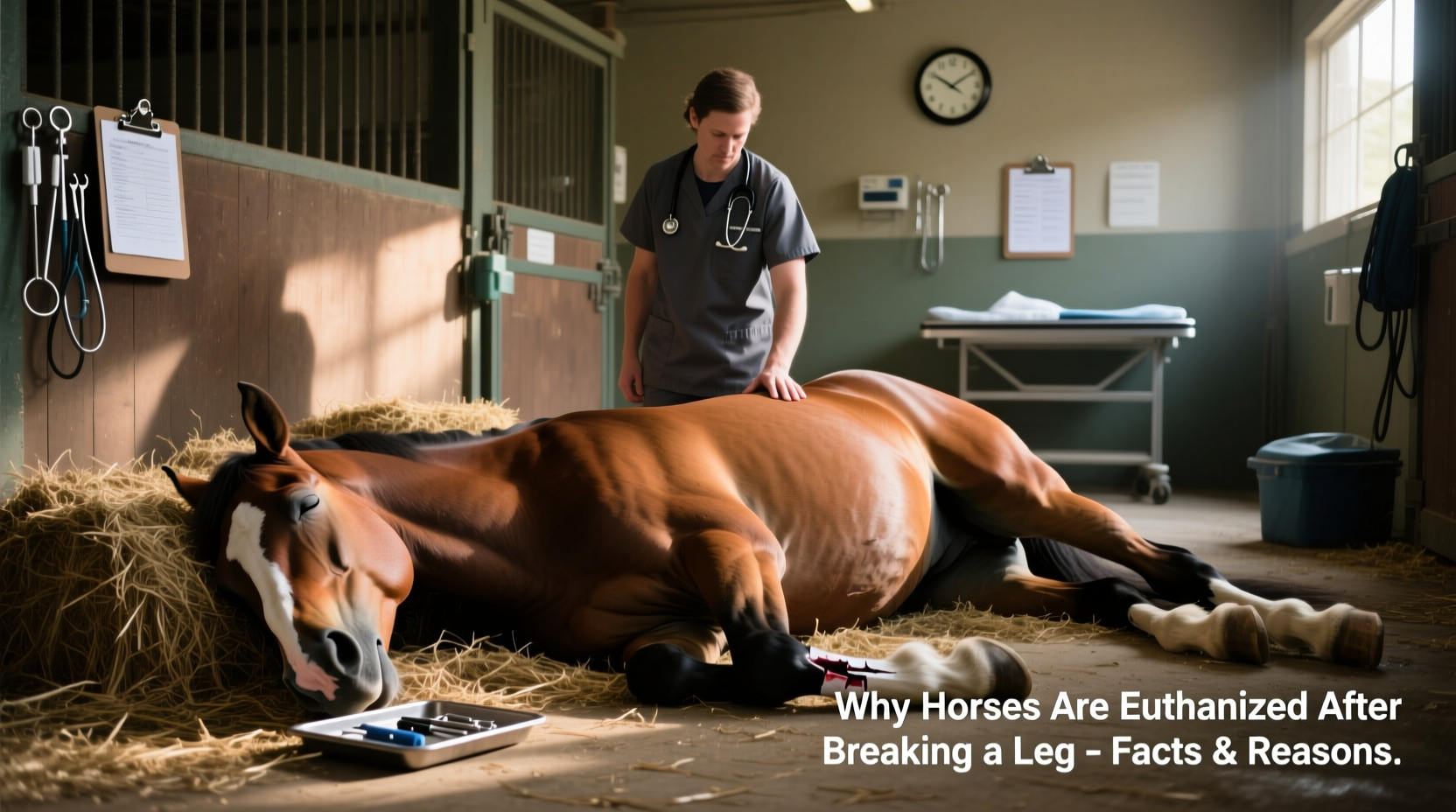
The horse’s body is a marvel of evolutionary engineering, optimized for speed and endurance across open terrain. However, this same design makes healing from certain injuries extremely difficult. A horse's legs support roughly 70% of its body weight at rest and absorb tremendous impact during movement. Each leg operates like a high-tension pillar with minimal muscle below the knee (or hock), relying on tendons, ligaments, and bones to maintain structural integrity.
When a major bone such as the cannon bone, sesamoid, or long bones in the leg fractures, the damage disrupts not just the bone itself, but also blood vessels, soft tissues, and surrounding structures. The lower limbs have limited soft tissue coverage, which means there's little cushioning to protect bones and less capacity for swelling without compromising circulation.
“Horses stand on the tips of their toes, effectively running on what would be our fingernails. That concentration of force makes any break particularly dangerous.” — Dr. Sarah Thompson, Equine Orthopedic SurgeonTip: Early detection of lameness through regular observation can help prevent catastrophic injuries by identifying issues before they worsen.
Medical Complications During Recovery
Even if surgery successfully repairs the fracture, the road to recovery presents multiple life-threatening complications. These include:
- Laminitis: A painful inflammatory condition affecting the hoof’s laminae, often triggered by excessive weight-bearing on the uninjured limbs. One of the leading causes of death in recovering horses.
- Infection: Open fractures expose bone to bacteria, increasing the risk of osteomyelitis (bone infection), which is notoriously difficult to treat.
- Non-union or malunion: Poor healing due to instability or poor blood supply may result in a misaligned or non-healed bone, rendering the limb non-functional.
- Support-limb laminitis: The healthy leg(s) bear extra load, sometimes exceeding their physiological limits, especially in large breeds or performance horses.
Recovery demands prolonged stall rest — often six months or more — during which time the horse cannot lie down comfortably for extended periods. Horses are designed to sleep standing up, and extended recumbency increases risks of pneumonia, muscle atrophy, and pressure sores.
Surgical Limitations and Realistic Outcomes
While veterinary medicine has advanced significantly, surgical intervention remains highly challenging. Internal fixation using plates, screws, or rods is possible, but success depends on fracture type, location, and stability. Comminuted fractures (where the bone shatters into multiple pieces) are especially problematic.
Post-surgery, the horse must remain immobile enough to allow healing, yet mobile enough to avoid secondary complications. This paradox creates a narrow therapeutic window. Even elite racehorses treated at top-tier facilities face only moderate success rates. For example, studies show that fewer than 20% of Thoroughbreds return to racing after catastrophic leg fractures.
| Factor | Impact on Recovery |
|---|---|
| Bone Location | Fetlock and sesamoid fractures carry higher complication risks |
| Fracture Type | Simple breaks heal better; comminuted or open fractures are often untreatable |
| Horse Size | Larger horses exert more stress on healing bones and support limbs |
| Age & Health | Younger, healthier horses have better healing potential |
| Cost of Treatment | Surgery and aftercare can exceed $20,000–$50,000, limiting accessibility |
Mini Case Study: Barbaro – A Symbol of Hope and Hard Truths
In 2006, Kentucky Derby winner Barbaro suffered a catastrophic breakdown during the Preakness Stakes, fracturing over 20 bones in his right hind leg. He underwent multiple surgeries and intensive care for eight months. Despite unprecedented efforts and public support, he ultimately developed laminitis in his other three hooves and was euthanized. Barbaro’s case highlighted both the possibilities and limits of modern equine medicine. His treatment cost exceeded $1 million, underscoring the financial and emotional toll involved — even with unlimited resources.
Economic and Ethical Considerations
Deciding whether to attempt treatment involves more than medical feasibility. Owners, trainers, and veterinarians must weigh the horse’s quality of life, long-term prognosis, and available resources. Not all owners can afford tens of thousands of dollars in treatment and rehabilitation costs. Insurance may cover initial surgery but rarely ongoing care.
Ethically, prolonging suffering without a realistic chance of recovery is considered inhumane. Veterinarians adhere to principles of animal welfare, where preventing pain and distress takes precedence over experimental interventions. Euthanasia is not a failure — it is often the most compassionate choice when chronic pain, disability, or systemic illness looms.
“We don’t euthanize because we’ve given up. We do it because we care too much to let them suffer.” — Dr. James Reed, American Association of Equine Practitioners
Prevention and Risk Reduction Strategies
While not all accidents can be prevented, responsible management reduces the likelihood of catastrophic injuries:
- Maintain proper hoof balance and regular farrier care.
- Use appropriate footing in arenas and racetracks to minimize strain.
- Monitor training intensity and allow adequate recovery between workouts.
- Conduct routine veterinary exams, including flexion tests and imaging when indicated.
- Avoid pushing horses beyond physical limits, especially young or fatigued ones.
Checklist: Reducing Leg Injury Risk in Horses
- ✅ Schedule bi-monthly hoof trims or shoeing
- ✅ Inspect arena footing weekly for consistency and debris
- ✅ Implement gradual warm-up and cool-down routines
- ✅ Track workload and signs of fatigue (e.g., reluctance to move, uneven gait)
- ✅ Schedule annual soundness evaluations with your vet
- ✅ Provide balanced nutrition to support strong bones and connective tissue
FAQ
Can any horse survive a broken leg?
Yes, some horses do survive and even return to work, especially with minor fractures in accessible locations. Success depends on injury severity, prompt treatment, size of the horse, and access to specialized care. However, survival with full function remains rare for severe or compound fractures.
Why can’t horses lie down for long periods?
Prolonged lying compresses blood vessels and muscles, leading to reperfusion injury, nerve damage, and respiratory issues. Their large size makes it difficult to rise frequently, and extended recumbency increases risks of colic and pneumonia.
Are there alternatives to euthanasia?
In select cases, amputation and prosthetics are being explored, though still experimental. Most decisions are based on realistic recovery odds, pain levels, and long-term quality of life. Palliative care is generally not viable due to mobility needs and chronic discomfort.
Conclusion
The decision to euthanize a horse after a broken leg is never taken lightly. It stems from a deep understanding of equine biology, veterinary science, and ethical responsibility. While advancements continue to push the boundaries of what’s possible, the harsh reality is that a horse’s very anatomy works against recovery in the face of severe trauma. Compassion, not convenience, guides these choices.
For owners, riders, and fans, recognizing the fragility beneath the strength of these magnificent animals fosters greater respect for their care. By focusing on prevention, early intervention, and informed stewardship, we honor their power and grace — not just in life, but in the hard decisions we make for their well-being.
💬 Have experience with equine injury or recovery? Share your story or insights in the comments to help educate others about responsible horse care.








