Hysteroscopy is a minimally invasive procedure that allows doctors to examine the inside of the uterus using a thin, lighted tube called a hysteroscope. While many hysteroscopies are performed under local or regional anesthesia—or even with no anesthesia at all—there are specific clinical scenarios where general anesthesia becomes necessary. Understanding why this choice is made can help patients feel more informed and prepared when discussing their options with their healthcare provider.
Although hysteroscopy is typically considered low-risk and well-tolerated, individual patient needs, procedural complexity, and medical history all influence the decision about anesthesia. General anesthesia, which renders the patient completely unconscious, is not the default but is selected when it offers the safest and most effective approach.
When Is General Anesthesia Chosen?
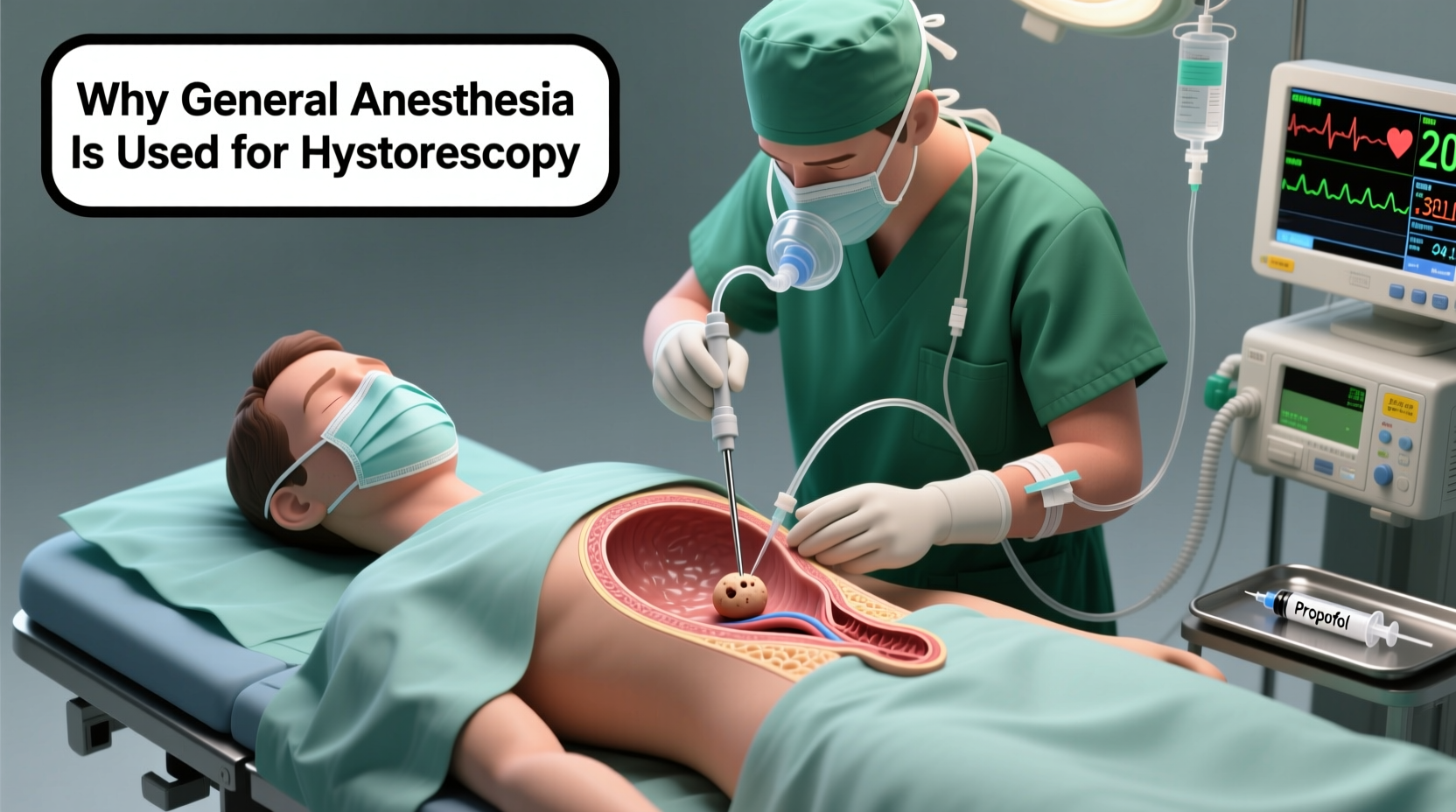
The decision to use general anesthesia during hysteroscopy depends on several interrelated factors. These include the type of hysteroscopic procedure, patient comfort, underlying health conditions, and anticipated duration of the intervention.
Diagnostic hysteroscopies—performed to investigate abnormal uterine bleeding, infertility, or recurrent miscarriage—are often done in an outpatient setting with minimal sedation or local anesthesia. However, operative hysteroscopies, such as those involving polyp removal, fibroid resection (myomectomy), adhesion lysis (for Asherman’s syndrome), or endometrial ablation, are more involved and may require better surgical access and patient immobility. In these cases, general anesthesia provides optimal operating conditions.
Tip: If you're scheduled for an operative hysteroscopy, ask your doctor whether general anesthesia is recommended and why—it could be due to expected procedure length or complexity.Procedure Complexity and Duration
Longer procedures demand greater precision and uninterrupted focus from the surgeon. Movements caused by discomfort or involuntary reactions under lighter sedation can increase the risk of complications, such as uterine perforation or fluid overload. General anesthesia eliminates patient movement and ensures muscle relaxation, which is particularly important when instruments must navigate the cervical canal and intrauterine space.
For example, removing large submucosal fibroids or extensive intrauterine adhesions may take 45 minutes to over an hour. Attempting such interventions under local anesthesia could lead to significant discomfort and incomplete treatment. In contrast, general anesthesia allows the surgical team to work efficiently and thoroughly.
Patient Anxiety and Pain Tolerance
Even if a procedure is technically straightforward, some patients experience high levels of anxiety or have a low pain threshold. Cervical dilation alone can cause cramping or sharp pain, especially in individuals with cervical stenosis or previous trauma. For these patients, general anesthesia offers psychological relief and physical comfort.
In particular, patients with a history of sexual trauma, pelvic pain disorders (such as endometriosis or chronic pelvic inflammatory disease), or severe needle phobia may benefit significantly from being fully asleep during the procedure. This consideration reflects a patient-centered approach to care, prioritizing both safety and emotional well-being.
“General anesthesia should not be seen as excessive for hysteroscopy—it's a valid option when patient comfort, cooperation, or surgical demands require it.” — Dr. Lena Patel, Gynecologic Surgeon and Anesthesia Safety Advocate
Medical and Anatomical Factors Influencing Anesthesia Choice
Beyond patient preference and procedure type, certain anatomical and medical conditions make general anesthesia a safer or more practical choice.
- Cervical stenosis: Narrowing of the cervix makes instrument insertion difficult and painful without adequate relaxation.
- Uterine anomalies: Conditions like bicornuate uterus or severe retroflexion may complicate visualization and access.
- Obesity or comorbidities: Patients with sleep apnea, heart disease, or respiratory issues may require specialized monitoring only feasible under general anesthesia.
- Need for concomitant procedures: Hysteroscopy combined with laparoscopy or ovarian cyst removal necessitates full anesthesia.
In complex cases, the surgical team may plan for general anesthesia from the outset to avoid mid-procedure conversion—a situation where sedation proves insufficient and anesthesia must be deepened unexpectedly, potentially delaying surgery or increasing risks.
Benefits and Risks of General Anesthesia in Hysteroscopy
While general anesthesia enhances procedural control and patient comfort, it also introduces additional considerations regarding safety and recovery.
| Aspect | Benefits | Risks / Considerations |
|---|---|---|
| Patient Comfort | Complete unconsciousness; no awareness or pain | Post-op grogginess, nausea, sore throat |
| Surgical Precision | No movement; relaxed muscles improve access | Requires airway management and trained anesthesiologist |
| Procedure Flexibility | Allows extended or combined surgeries | Longer pre-op preparation and post-op monitoring needed |
| Recovery Time | Predictable emergence with proper reversal | May delay discharge compared to office-based procedures |
The benefits often outweigh the risks in appropriate candidates. Modern anesthetic agents are fast-acting and short-lived, minimizing side effects. Most patients wake up within minutes after the procedure ends and can be discharged within 1–2 hours, assuming no complications arise.
Mini Case Study: Complex Polyp Removal Under General Anesthesia
Maria, a 42-year-old woman, presented with heavy menstrual bleeding and was found to have a 3 cm endometrial polyp extending into the cervical canal. Initial attempts at office hysteroscopy failed due to intense pain and inability to dilate the cervix. Given her history of dysmenorrhea and anxiety around gynecological exams, her physician recommended an operative hysteroscopy under general anesthesia.
The procedure was performed successfully under general anesthesia, allowing full cervical dilation, complete polyp excision, and histological confirmation of benign tissue. Maria reported no recollection of the procedure and minimal discomfort afterward. She resumed normal activities within 24 hours and experienced resolution of her symptoms within two cycles.
This case illustrates how general anesthesia enabled a successful outcome where office-based intervention had failed—not due to technical limitations, but because of patient-specific factors affecting tolerance and feasibility.
Step-by-Step: What to Expect When General Anesthesia Is Used
If your doctor recommends general anesthesia for hysteroscopy, here’s what typically happens:
- Preoperative Evaluation: You’ll meet with an anesthesiologist who reviews your medical history, medications, allergies, and any prior reactions to anesthesia.
- Fasting Instructions: You’ll be asked not to eat or drink for 6–8 hours before surgery to prevent aspiration.
- Operating Room Preparation: IV access is established, and monitors are placed to track heart rate, blood pressure, oxygen levels, and breathing.
- Anesthesia Induction: Medications are administered through the IV to induce unconsciousness. A breathing tube may be temporarily placed.
- Procedure Execution: The hysteroscopy is performed while you remain fully anesthetized and unaware.
- Recovery: After completion, anesthesia is stopped. You awaken in a recovery area and are monitored until stable enough for discharge.
This process ensures safety and effectiveness while minimizing stress for the patient.
FAQ
Is general anesthesia safe for hysteroscopy?
Yes, for most healthy individuals, general anesthesia is very safe when administered by trained professionals. Risks are low but include nausea, sore throat, dizziness, or rare complications like allergic reactions. Your medical team will assess your suitability beforehand.
Can I choose to have general anesthesia even if my procedure is simple?
In some cases, yes. Patient preference is considered, especially if anxiety or past trauma is a concern. However, physicians weigh the benefits against the inherent risks of anesthesia and may recommend lighter sedation when appropriate.
Will I need someone to drive me home?
Absolutely. Due to the effects of general anesthesia, you cannot drive or operate machinery for at least 24 hours. Arrange for a responsible adult to accompany you home.
Checklist: Questions to Ask Before Choosing General Anesthesia
- Why is general anesthesia being recommended for my case?
- Are there alternatives like conscious sedation or local anesthesia?
- What are the specific risks based on my health history?
- How long will I be asleep, and what’s the expected recovery time?
- Who will administer the anesthesia—an anesthesiologist or nurse anesthetist?
- What signs should I watch for after the procedure?
Conclusion
General anesthesia is not routinely required for hysteroscopy, but it plays a crucial role when procedural complexity, patient comfort, or anatomical challenges demand a deeper level of sedation. It enables surgeons to perform delicate intrauterine work safely and effectively while ensuring patients remain pain-free and stress-free throughout.
Understanding the reasons behind this choice empowers patients to engage in informed discussions with their healthcare providers. Whether your case requires general anesthesia or a lighter approach, the goal remains the same: accurate diagnosis, effective treatment, and a positive patient experience.
💬 Have questions about your upcoming hysteroscopy? Share your concerns below or talk to your gynecologist about anesthesia options tailored to your needs.








