Eczema affects millions of people worldwide, manifesting as dry, itchy, inflamed skin that can disrupt daily life and impact emotional well-being. Despite its prevalence, many remain uncertain about what truly causes eczema or how best to manage it. This article provides a comprehensive look at the underlying mechanisms of eczema, identifies key symptoms, explores evidence-based treatments, and offers practical guidance for long-term control.
What Is Eczema?
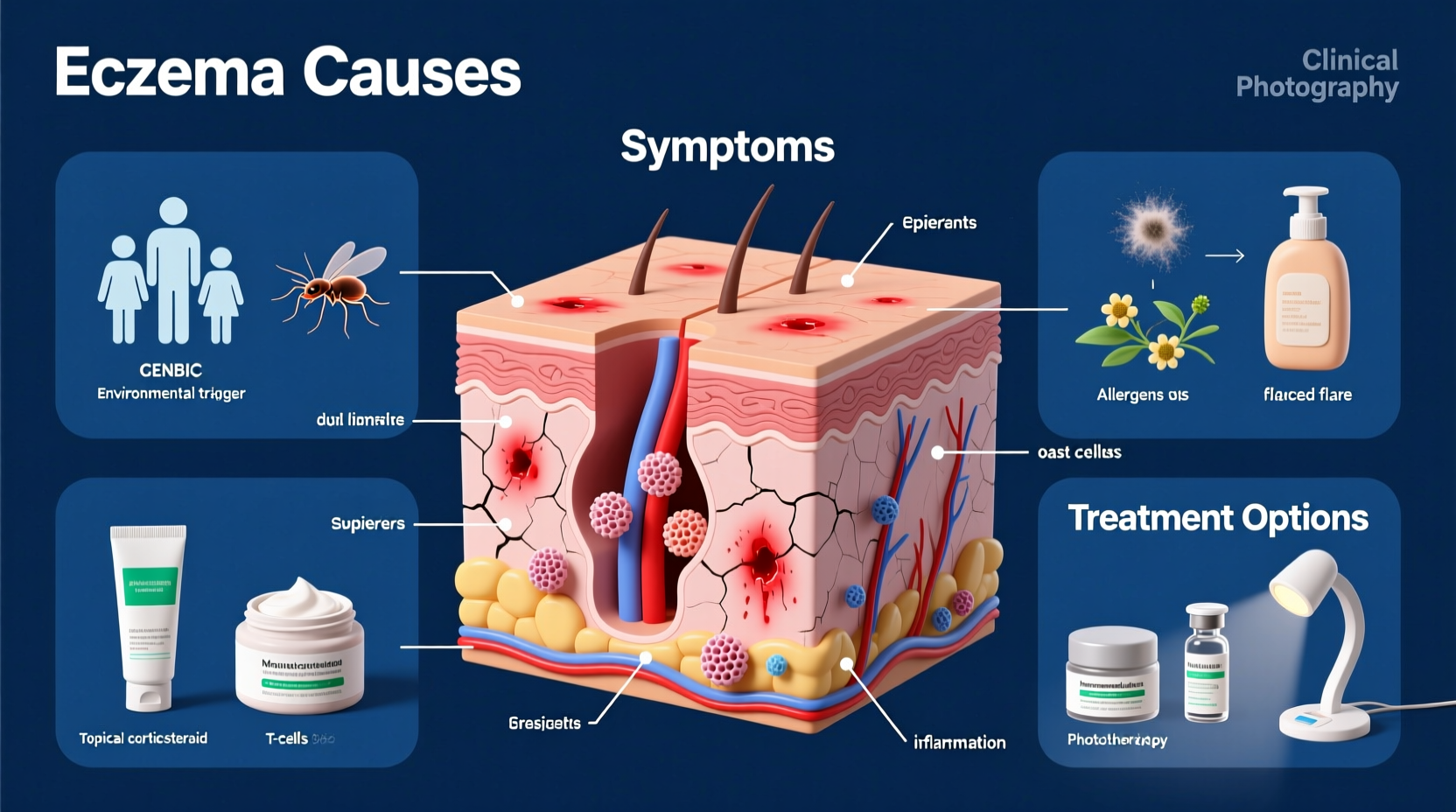
Eczema—most commonly referred to as atopic dermatitis—is a chronic inflammatory skin condition characterized by recurring flare-ups. It often begins in childhood but can persist into adulthood or even appear later in life. The hallmark symptom is intense itching, frequently accompanied by redness, swelling, cracking, and sometimes oozing or crusting.
The condition does not stem from poor hygiene or infection, though secondary infections can occur when broken skin is exposed to bacteria. Instead, eczema arises from a complex interplay of genetic predisposition, immune system dysfunction, and environmental influences.
Root Causes of Eczema
Understanding why eczema occurs requires examining several contributing factors:
- Genetic Factors: Individuals with a family history of eczema, asthma, or hay fever are more likely to develop the condition. Mutations in the filaggrin gene, which plays a critical role in maintaining the skin barrier, are strongly associated with atopic dermatitis.
- Immune System Dysregulation: In people with eczema, the immune system overreacts to minor irritants or allergens, triggering inflammation and itching. This response involves elevated levels of certain cytokines, particularly interleukin-4 (IL-4) and interleukin-13 (IL-13).
- Skin Barrier Defects: A compromised skin barrier allows moisture to escape and lets allergens, microbes, and irritants penetrate more easily. This \"leaky\" barrier sets the stage for repeated flare-ups.
- Environmental Triggers: Common culprits include soaps, detergents, pollen, dust mites, pet dander, mold, sweat, and extreme temperatures. Urban living and low humidity environments can also exacerbate symptoms.
- Psychological Stress: Emotional stress doesn’t cause eczema directly but can intensify symptoms by increasing inflammatory responses and prompting scratching behaviors.
“Eczema isn’t just a rash—it’s a sign of deeper immune and barrier dysfunction. Effective treatment must address both the surface symptoms and the root biology.” — Dr. Rebecca Tan, Dermatologist and Immunology Researcher
Recognizing the Symptoms
Symptoms vary depending on age, severity, and individual triggers. Common signs include:
| Symptom | Description | Common Locations |
|---|---|---|
| Itching | Intense, persistent itch often worse at night | Anywhere, especially folds of elbows/knees |
| Red to Brownish Gray Patches | Inflamed skin that may thicken over time | Face, hands, feet, wrists, ankles |
| Dry, Cracked Skin | Flaky or fissured texture due to moisture loss | Arms, legs, torso |
| Small Raised Bumps | May leak fluid when scratched | Forearms, behind knees |
| Swelling and Sensitivity | Skin feels tender or warm to touch | Irritated areas post-exposure |
In infants, eczema often appears on the scalp and face, particularly the cheeks. Toddlers may develop patches around the mouth, on the elbows, or knees. Adults frequently experience hand eczema or involvement of the eyelids and neck.
Tip: Keep a symptom diary to track flare-ups and identify potential triggers such as specific foods, laundry products, or weather changes.Effective Treatment Approaches
Managing eczema effectively involves a multi-pronged strategy focused on reducing inflammation, repairing the skin barrier, and minimizing exposure to triggers.
Step-by-Step Management Plan
- Moisturize Daily: Apply fragrance-free emollients within three minutes of bathing to lock in moisture. Ointments like petroleum jelly are more effective than lotions.
- Use Topical Medications: For active flare-ups, topical corticosteroids reduce inflammation. Non-steroidal options like crisaborole or tacrolimus are suitable for sensitive areas like the face.
- Practice Gentle Skincare: Use lukewarm water and mild, soap-free cleansers. Avoid scrubbing or using washcloths on affected areas.
- Treat Infections Promptly: Signs of infection include yellow crusting, pus, or worsening redness. Consult a doctor for possible antibiotic treatment.
- Control Environmental Exposures: Install HEPA filters, use hypoallergenic bedding, and avoid wool or synthetic fabrics next to the skin.
- Consider Advanced Therapies: For moderate-to-severe cases, biologic drugs like dupilumab target specific immune pathways and have shown significant improvement in clinical trials.
Do’s and Don’ts for Daily Care
| Do | Don't |
|---|---|
| Shower briefly with lukewarm water | Take long, hot showers |
| Pat skin dry—don’t rub | Use rough towels aggressively |
| Wear soft cotton clothing | Wear wool or polyester directly on skin |
| Apply moisturizer multiple times a day | Wait until skin feels tight to moisturize |
| Trim fingernails short | Scratch intensely, especially at night |
Real-Life Example: Managing Childhood Eczema
Six-year-old Maya had suffered from eczema since infancy. Her parents noticed frequent flare-ups during winter and after playing with the family dog. After consulting a pediatric dermatologist, they implemented a structured routine: switching to fragrance-free detergent, applying a thick moisturizer twice daily, and using a prescription steroid cream only during flares. They also introduced wet wrap therapy during severe episodes, which dramatically reduced her itching and improved sleep. Over six months, Maya’s skin cleared significantly, and her confidence grew as she stopped avoiding sleeveless clothes.
This case illustrates how consistent care, trigger identification, and medical guidance can transform quality of life—even in challenging cases.
Frequently Asked Questions
Can diet cause eczema flare-ups?
While food doesn’t cause eczema, certain foods—especially dairy, eggs, nuts, soy, and wheat—can trigger flare-ups in some individuals, particularly children. If you suspect a food link, consult an allergist for proper testing rather than eliminating major food groups without supervision.
Is eczema contagious?
No, eczema is not contagious. You cannot catch it from someone else or spread it through contact. However, open sores from scratching may become infected with bacteria like Staphylococcus aureus, which can be transmitted.
Will my child outgrow eczema?
Many children do see improvement or complete resolution by adolescence. Studies suggest about two-thirds of pediatric patients experience significant remission. However, even if symptoms fade, a tendency toward dry skin or sensitivity may persist.
Conclusion: Taking Control of Eczema
Eczema is more than a skin condition—it's a dynamic interaction between genes, immunity, and environment. While there is no universal cure, effective management is entirely possible. By understanding personal triggers, adopting a disciplined skincare regimen, and working with healthcare providers when needed, individuals with eczema can achieve lasting relief and improved comfort.
💬 Ready to take charge of your skin health? Start today by reviewing your current routine, identifying one change you can make—like switching to a gentler moisturizer—and tracking improvements over the next month. Share your journey or questions in the comments below to connect with others managing eczema.








