
Pus is a thick fluid that typically appears at the site of an infection. While its presence alone signals that the body is fighting off harmful invaders, the unpleasant odor it sometimes emits can be alarming. Understanding why pus smells bad involves exploring the biology of infection, the types of bacteria involved, and how the immune system responds. More importantly, recognizing the signs of infected wounds and knowing when and how to treat them can prevent complications and promote faster healing.
The Science Behind Pus Formation
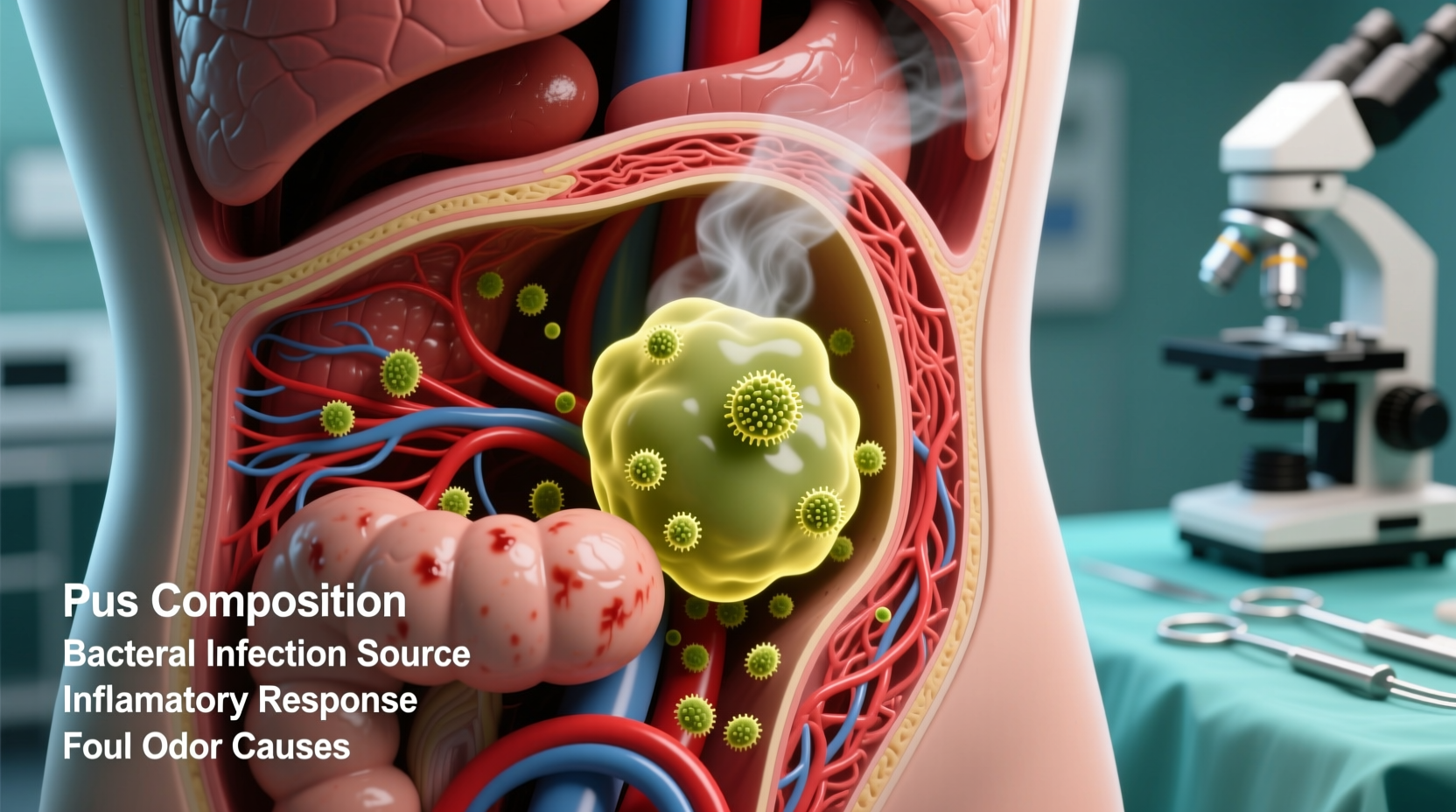
Pus forms as part of the body’s natural immune response to infection. When bacteria, fungi, or other pathogens invade tissues—such as through a cut, burn, or surgical wound—the immune system dispatches white blood cells to neutralize the threat. These cells accumulate at the infection site, where they engulf and destroy microbes. As these immune cells die, along with dead tissue and bacteria, they combine to form pus.
The typical composition of pus includes:
- Dead white blood cells (mainly neutrophils)
- Bacteria or other pathogens
- Cellular debris from damaged tissue
- Proteins and enzymes released during inflammation
In many cases, pus is pale yellow and relatively odorless. However, when it develops a foul or putrid smell, this often indicates a more serious underlying issue—usually involving specific types of bacteria capable of producing smelly byproducts during their metabolic processes.
Tip: A strong, rotten-egg or fecal-like odor from pus is not normal and should prompt immediate medical evaluation.Why Does Pus Smell Bad? Key Causes
The unpleasant odor associated with pus is primarily due to bacterial metabolism. Certain bacteria produce volatile compounds as waste products, which contribute to foul smells. The most common culprits include:
1. Anaerobic Bacteria
These bacteria thrive in low-oxygen environments, such as deep wounds or abscesses. They break down proteins and fats in tissue, releasing sulfur-containing gases like hydrogen sulfide—responsible for a rotten egg smell. Common anaerobes include *Bacteroides*, *Fusobacterium*, and *Clostridium* species.
2. Mixed Infections
Many infections involve multiple types of bacteria working together. For example, a wound might harbor both aerobic (oxygen-loving) and anaerobic bacteria. This synergy can accelerate tissue breakdown and increase odor production.
3. Necrotizing Infections
In severe cases, such as necrotizing fasciitis or gas gangrene, rapidly spreading bacteria destroy soft tissue. The decay process releases highly offensive odors, often described as “sweet rot” or “swamp-like.” These conditions are life-threatening and require emergency care.
4. Foreign Bodies or Trapped Debris
If a splinter, stitch, or other foreign object remains in a wound, it can act as a breeding ground for bacteria. The resulting infection may produce malodorous pus due to prolonged bacterial activity.
“Foul-smelling pus is a red flag. It often points to anaerobic involvement or deep-tissue infection that may not be visible on the surface.” — Dr. Lena Torres, Infectious Disease Specialist
Common Conditions That Produce Smelly Pus
Not all infections result in smelly discharge, but certain clinical conditions are frequently associated with malodorous pus:
| Condition | Description | Odor Characteristics |
|---|---|---|
| Dental Abscess | Infection at the root of a tooth or in the gums | Foul, bitter, or metallic smell; often accompanied by bad breath |
| Skin Abscess | Localized collection of pus under the skin | Rancid or cheesy odor if anaerobes are present |
| Infected Wound | Open injury colonized by bacteria | Rotten or fecal-like smell, especially in deep or neglected wounds |
| Perforated Appendicitis | Ruptured appendix leading to abdominal infection | Strong, putrid odor detectable during surgery or drainage |
| Pyoderma Gangrenosum | Non-infectious ulcer that becomes secondarily infected | Musty or decaying smell due to bacterial overgrowth |
Treatment Options for Infected Wounds with Foul-Smelling Pus
Treating smelly pus requires addressing both the symptoms and the root cause. Self-treatment is not recommended for strong-smelling discharge, as it may indicate a serious infection needing professional intervention.
Medical Diagnosis
A healthcare provider will typically assess the wound, take a medical history, and may order tests such as:
- Culture and sensitivity testing of the pus to identify causative bacteria
- Blood tests to check for systemic infection (elevated white blood cell count)
- Imaging (ultrasound or MRI) to detect abscesses or deep tissue involvement
Antibiotic Therapy
Prescription antibiotics are often necessary. The choice depends on the suspected or confirmed pathogen:
- Penicillin-based drugs (e.g., amoxicillin-clavulanate) for mixed aerobic-anaerobic infections
- Clindamycin or metronidazole specifically target anaerobic bacteria
- Vancomycin or linezolid for suspected MRSA (methicillin-resistant *Staphylococcus aureus*)
Drainage and Debridement
For abscesses or deep infections, simply taking antibiotics is not enough. The pus must be drained:
- Local anesthesia is applied.
- The abscess is incised, and pus is evacuated.
- Necrotic tissue may be removed (debridement) to prevent recurrence.
- The wound is packed or left open to heal from the inside out.
Wound Care After Drainage
Proper aftercare prevents reinfection and supports healing:
- Keep the area clean with saline or mild antiseptic solutions.
- Change dressings daily or as directed.
- Avoid covering the wound too tightly—allow airflow unless otherwise instructed.
- Monitor for signs of worsening infection (increased pain, redness, fever).
Prevention and Daily Care Tips
While some infections are unavoidable, many can be prevented with proper hygiene and prompt attention to injuries.
📋 **Checklist: Preventing Infection and Smelly Pus**- ✅ Clean all cuts, scrapes, and puncture wounds immediately with soap and water
- ✅ Apply an antiseptic ointment and cover with a sterile bandage
- ✅ Change dressings daily or whenever wet or dirty
- ✅ Avoid touching wounds with unclean hands
- ✅ Seek medical care for deep, dirty, or animal-bite wounds
- ✅ Manage chronic conditions like diabetes that impair wound healing
Real-World Example: Delayed Treatment Leads to Complications
Carlos, a 42-year-old construction worker, developed a small blister on his foot after wearing worn boots. He ignored it until it became swollen, warm, and began oozing greenish-yellow fluid with a strong rotten smell. By the time he visited urgent care, the infection had spread into deeper tissue. A culture revealed a mix of *Staphylococcus* and anaerobic bacteria. He required intravenous antibiotics and surgical drainage. His recovery took three weeks—time that could have been avoided with early wound care.
This case highlights how minor injuries can escalate quickly, especially in individuals with reduced circulation or delayed healing.
Frequently Asked Questions
Is smelly pus always a sign of a serious infection?
Not always, but it is a strong indicator of bacterial involvement, particularly anaerobes or mixed infections. Even if pain is minimal, foul odor warrants medical evaluation to rule out deep or spreading infection.
Can I treat foul-smelling pus at home?
No. Home remedies like hydrogen peroxide or alcohol can damage tissue and delay healing. Over-the-counter topical antibiotics are ineffective against deep or anaerobic infections. Medical assessment is essential for proper diagnosis and treatment.
How long does it take for pus to stop forming after treatment?
With appropriate antibiotics and drainage, pus production usually decreases within 2–3 days. Complete resolution may take 7–14 days, depending on the severity. Persistent drainage or odor after starting treatment should be reported to a doctor.
Conclusion: Act Early, Heal Faster
Foul-smelling pus is more than just unpleasant—it’s a biological signal that your body is struggling with a significant infection. The odor arises from bacterial waste products, often linked to anaerobic organisms or tissue decay. While minor infections may resolve with basic care, malodorous discharge typically requires medical attention, including possible drainage and prescription antibiotics.
Ignoring the smell can lead to complications like cellulitis, sepsis, or permanent tissue damage. Practicing good wound hygiene, monitoring changes in discharge, and seeking timely care are critical steps in preventing serious outcomes.
💬 Your health matters. If you notice foul-smelling pus, don’t wait—consult a healthcare provider today to get the right treatment and avoid complications.








