As temperatures drop with the arrival of winter, many turtle owners notice a sudden change in their pet’s behavior—most notably, a complete loss of appetite. This shift can be alarming, especially for first-time keepers who may fear illness or neglect. However, this behavior is often a natural response to seasonal changes. In the wild, turtles are ectothermic (cold-blooded) animals whose metabolism slows dramatically in colder months, leading them to reduce or cease feeding altogether. For many species, this is part of a broader process known as brumation—the reptilian equivalent of hibernation.
Understanding the biological reasons behind reduced eating and the role of brumation is essential for responsible turtle care. While some species naturally undergo brumation, others do not, and forcing or mismanaging the process can lead to serious health consequences. This article explores the science behind winter fasting, explains when brumation is appropriate, and provides practical guidance for keeping your turtle healthy year-round.
The Science Behind Seasonal Appetite Loss
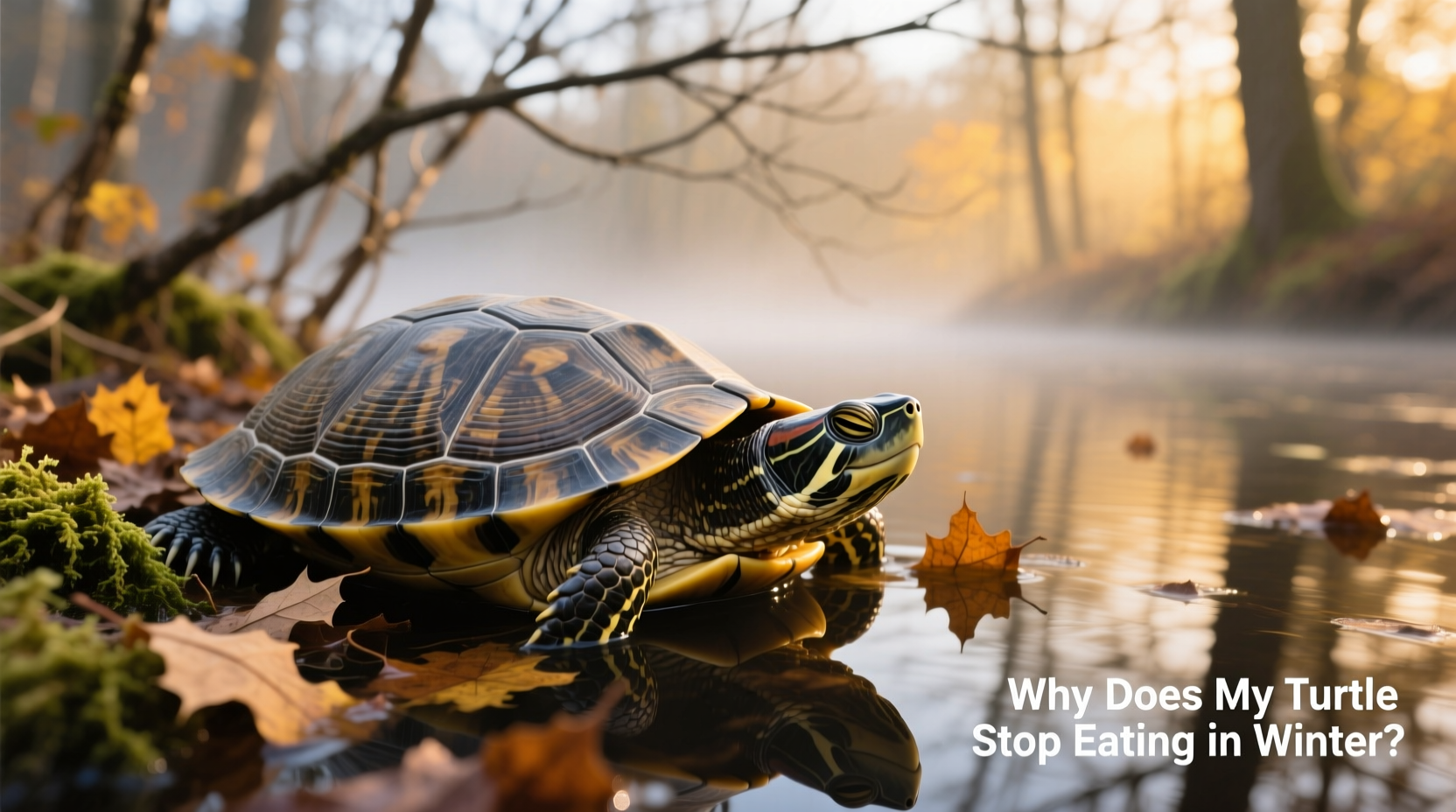
Turtles rely on external heat sources to regulate their body temperature and metabolic activity. As ambient temperatures fall below 50°F (10°C), their internal systems begin to slow down. Digestion, which requires significant energy and warmth, becomes inefficient or impossible. If food remains undigested in the gut during cold periods, it can rot and cause life-threatening infections such as septicemia.
This is why turtles instinctively stop eating when environmental cues signal winter’s approach. These cues include:
- Shorter daylight hours
- Dropping water and air temperatures
- Reduced sunlight intensity
- Changes in barometric pressure
In the wild, these signals prompt turtles to seek sheltered areas—muddy pond bottoms, burrows, or leaf litter—where they remain inactive until spring. Their heart rate, respiration, and metabolic rate can drop by up to 90%, allowing them to survive on stored fat reserves for months without food.
Tip: Never force-feed a turtle that has stopped eating due to cooling temperatures—it can lead to fatal digestive complications.Brumation vs. Hibernation: What’s the Difference?
While commonly referred to as “hibernation,” the correct term for reptile dormancy is brumation. Unlike mammalian hibernation, where animals enter deep sleep and rely on fat stores, brumating reptiles remain semi-alert. They may wake briefly to drink water or reposition themselves but do not eat.
Key differences include:
| Feature | Mammalian Hibernation | Reptile Brumation |
|---|---|---|
| Metabolic Rate | Drastically reduced | Slowed but responsive |
| Body Temperature | Stable low temp (regulated) | Matches environment |
| Feeding During Dormancy | None | None |
| Hydration Needs | Minimal | Occasional drinking |
| Arousal Frequency | Rare | Periodic, brief awakenings |
Brumation is a survival adaptation that allows turtles to conserve energy during periods when food is scarce and conditions are too cold for effective foraging or digestion.
“Turtles aren’t broken just because they stop eating in winter. Their biology is finely tuned to seasonal rhythms. The key is knowing whether your species should brumate—and how to manage it safely.” — Dr. Laura Bennett, Herpetological Veterinarian
Which Turtle Species Brumate Naturally?
Not all turtles require or benefit from brumation. It primarily affects temperate-zone species that evolved in climates with distinct seasonal changes. Tropical and subtropical species typically do not brumate and may become ill if exposed to prolonged cold.
Turtle species that commonly brumate:
- Eastern Box Turtle (Terrepene carolina carolina)
- Red-Eared Slider (Trachemys scripta elegans) – in northern populations
- Painted Turtle (Chrysemys picta)
- Wood Turtle (Glyptemys insculpta)
- Snapping Turtle (Chelydra serpentina)
Turtle species that should NOT brumate:
- Yellow-Bellied Slider (southern populations)
- African Sideneck Turtle
- Malayan Box Turtle
- Indian Star Tortoise (though a tortoise, often confused)
- Any turtle kept indoors under stable, warm conditions
If you’re unsure about your turtle’s species or origin, consult a veterinarian or reptile specialist before assuming brumation is appropriate.
How to Safely Prepare Your Turtle for Brumation
If you own a species that naturally brumates and lives outdoors or in a climate-controlled setup, preparing for brumation involves several critical steps. Rushing or skipping preparation increases the risk of dehydration, infection, or death.
- Confirm Health Status: Only healthy, well-hydrated turtles should brumate. Schedule a vet check-up to rule out parasites, respiratory infections, or shell damage.
- Gradually Reduce Feeding: Begin cutting back food 4–6 weeks before cooling. This ensures the digestive tract is empty before temperatures drop.
- Provide Hydration: Offer regular shallow soaks every 2–3 days to prevent dehydration, even as activity declines.
- Slowly Lower Temperatures: Decrease ambient temperature by 5–10°F per week until reaching 40–50°F (4–10°C). Sudden drops can shock the system.
- Choose a Safe Brumation Site: Options include:
- Unheated indoor enclosure with insulation
- Burrow box filled with moist soil, peat moss, or shredded paper
- Outdoor pond with deep enough water to avoid freezing solid
- Monitor Regularly: Check weekly for signs of distress—weight loss, discharge, mold on skin/shell, or unusual movement.
Mini Case Study: Managing a Red-Eared Slider’s First Brumation
Mark, a hobbyist in Ohio, noticed his two-year-old red-eared slider, Leo, stopped eating in late October. Water temperatures had dropped to 55°F, and daylight was fading. Concerned, Mark consulted a local herp vet who confirmed Leo was healthy and could safely brumate.
Following the vet’s advice, Mark discontinued feeding and gave Leo weekly 20-minute soaks in lukewarm water. Over the next three weeks, he gradually moved Leo’s outdoor pond setup into an unheated garage, insulating the tank with foam boards. He maintained water depth at 12 inches and added a small de-icer to prevent full freezing.
From December to March, Leo remained mostly motionless at the bottom of the tank. Mark checked him monthly, noting only a 3% total weight loss—within safe limits. In early April, he slowly warmed the enclosure. Within days, Leo began moving, basking, and eventually resumed eating.
Mark’s success highlights the importance of preparation, monitoring, and species-specific knowledge. Without proper planning, Leo could have developed a fatal infection from undigested food or frozen tissue.
When Brumation Is Not Normal: Warning Signs
While appetite loss in winter is common, certain behaviors indicate illness rather than natural brumation. These red flags require immediate attention:
- Eating stops abruptly without gradual reduction
- Lethargy persists even in warm conditions
- Nasal discharge, wheezing, or open-mouth breathing
- Swollen eyes or refusal to open them
- Foul odor from mouth or shell
- Visible weight loss or muscle wasting
If your indoor turtle stops eating despite being kept at optimal temperatures (75–85°F), the cause is likely medical—not seasonal. Common issues include vitamin A deficiency, respiratory infections, gastrointestinal blockages, or stress from poor habitat conditions.
Checklist: Is Your Turtle Ready for Winter?
Use this checklist to assess whether your turtle’s appetite loss is normal or concerning:
- ✅ Species is known to brumate naturally
- ✅ Environmental temperatures are dropping below 60°F
- ✅ Feeding was gradually reduced over 4+ weeks
- ✅ No signs of illness (discharge, swelling, odor)
- ✅ Turtle has adequate body condition and hydration
- ✅ Brumation site is secure, insulated, and monitored
- ❌ If any item is “no” or unknown, consult a reptile veterinarian
Frequently Asked Questions
Can I prevent my turtle from brumating?
Yes—if your turtle is kept indoors with consistent heating and lighting, brumation can be avoided. Maintain water temperatures above 70°F and provide 10–12 hours of light daily. This mimics a non-seasonal environment and suppresses brumation triggers. This is often recommended for young, sick, or tropical turtles.
How long does brumation last?
Duration varies by species and climate, typically lasting 2–4 months. Most temperate turtles begin brumation in late fall (October–December) and emerge in early spring (February–April). Always allow turtles to end brumation naturally—do not forcibly warm or disturb them.
Do turtles need water during brumation?
Yes. Even when inactive, turtles lose moisture through their skin and need access to hydration. Aquatic turtles should remain submerged in cool water (but not ice-cold). Terrestrial turtles should be kept in a humid substrate like damp sphagnum moss and soaked every few weeks.
Conclusion: Respecting Nature, Ensuring Safety
A turtle stopping eating in winter is often a sign of natural biological programming—not neglect or disease. For many species, brumation is a normal, healthy process that supports longevity and reproductive health. However, this doesn’t mean it should be left to chance. Proper preparation, species-specific knowledge, and vigilant monitoring are crucial to ensuring your turtle emerges in spring strong and ready to thrive.
Whether you choose to allow brumation or maintain a warm, active environment year-round, the goal remains the same: to align husbandry practices with your turtle’s biological needs. When in doubt, seek expert guidance. A few proactive steps today can prevent emergencies tomorrow.
💬 Have experience with turtle brumation? Share your story or questions in the comments—your insights could help another keeper make informed decisions!