A twisted or knotted sensation in the stomach is more than just discomfort—it can disrupt daily life, affect appetite, and signal underlying digestive issues. While occasional stomach tightness is normal, persistent or severe twisting sensations warrant attention. This article explores the physiological and psychological causes behind this sensation, outlines evidence-based treatment strategies, and provides actionable steps to restore digestive comfort.
Common Causes of a Twisted Stomach Sensation
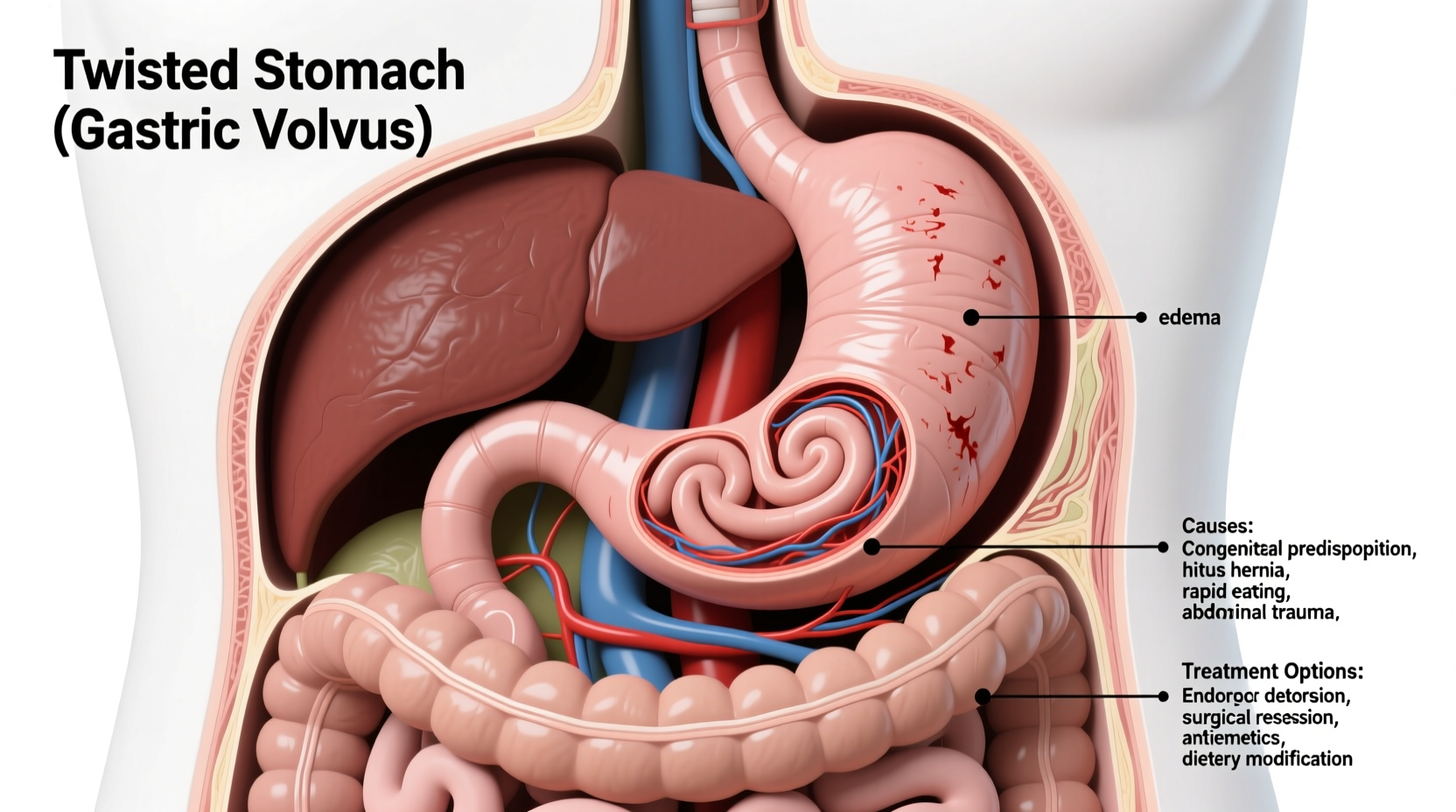
The feeling of a \"twisted stomach\" is often described as a knotting, churning, or cramping sensation deep within the abdomen. It may be accompanied by bloating, nausea, or changes in bowel habits. Several factors—ranging from diet to emotional stress—can contribute.
- Digestive disorders: Conditions like irritable bowel syndrome (IBS), gastritis, and gastroesophageal reflux disease (GERD) frequently cause abdominal tightness.
- Gas and bloating: Excess intestinal gas from swallowing air or fermenting foods can create pressure that mimics twisting.
- Food intolerances: Lactose, fructose, or gluten intolerance can trigger inflammation and motility changes in the gut.
- Stress and anxiety: The gut-brain axis means emotional distress directly impacts gastrointestinal function, leading to muscle contractions that feel like twisting.
- Gastroparesis: Delayed stomach emptying due to nerve damage, often seen in diabetes, can cause a heavy, knotted sensation.
- Constipation: Impacted stool increases intra-abdominal pressure and distorts normal motility patterns.
Medical Conditions That Mimic a Twisted Stomach
Some serious conditions present with symptoms similar to a twisted stomach. Recognizing warning signs helps determine when medical evaluation is necessary.
“Abdominal pain that worsens over hours, especially with vomiting or fever, should never be ignored. It could indicate an obstruction or inflammatory condition.” — Dr. Lena Patel, Gastroenterologist
| Condition | Symptoms | When to Seek Help |
|---|---|---|
| Appendicitis | Pain starting near navel, shifting to lower right abdomen, fever, nausea | Immediate care if pain intensifies within 24 hours |
| Bowel obstruction | Severe cramping, inability to pass gas or stool, bloating | Emergency evaluation required |
| Peptic ulcer | Burning stomach pain, worse on empty stomach, relieved by food | See doctor if pain persists beyond a few days |
| Pancreatitis | Upper abdominal pain radiating to back, nausea, elevated heart rate | Requires hospitalization |
Step-by-Step Guide to Immediate Relief
If you're experiencing a sudden onset of a twisted stomach feeling, follow this practical sequence to reduce discomfort and assess severity.
- Stop eating: Give your digestive system a break. Avoid solid foods for 1–2 hours.
- Sip warm fluids: Herbal teas like ginger or peppermint can relax intestinal muscles and reduce spasms.
- Apply heat: Use a heating pad on the abdomen for 15–20 minutes to ease muscle tension.
- Practice diaphragmatic breathing: Inhale deeply through the nose for 4 seconds, hold for 4, exhale slowly for 6. Repeat for 5 minutes to calm the nervous system.
- Monitor symptoms: Note whether pain shifts, intensifies, or is accompanied by fever, vomiting, or blood in stool.
- Seek medical help if: Pain becomes unbearable, lasts more than 24 hours without improvement, or includes red-flag symptoms.
Evidence-Based Long-Term Treatment Options
Chronic stomach twisting often requires a multifaceted approach. Effective management combines medical treatment, dietary adjustments, and lifestyle modifications.
Dietary Adjustments
Modifying what you eat can significantly reduce gut irritation. The low-FODMAP diet, clinically proven for IBS, eliminates fermentable carbohydrates that feed gut bacteria and produce gas.
- Eliminate high-FODMAP foods: onions, garlic, beans, apples, wheat, dairy (if lactose intolerant).
- Incorporate soluble fiber: oats, carrots, bananas—these regulate bowel movements without excessive gas.
- Eat smaller, frequent meals to prevent gastric distension.
Medications and Supplements
Depending on diagnosis, doctors may recommend:
- Antispasmodics (e.g., hyoscine) to reduce intestinal contractions.
- Probiotics containing strains like Bifidobacterium infantis to balance gut flora.
- Acid reducers (PPIs or H2 blockers) for GERD-related tightness.
- Laxatives or osmotic agents for chronic constipation.
Stress Management Techniques
Since stress directly influences gut motility, integrating mental wellness practices is essential.
- Mindfulness meditation: 10 minutes daily shown to reduce IBS symptoms in clinical studies.
- Cognitive behavioral therapy (CBT): Proven to improve gut-brain communication in functional GI disorders.
- Yoga and gentle stretching: Enhance vagal tone and promote relaxation of abdominal muscles.
Real-Life Example: Managing Chronic Stomach Twisting
Sarah, a 34-year-old teacher, experienced recurring stomach tightness for over a year. She initially attributed it to stress but noticed worsening after meals. After tracking her diet and symptoms, she identified dairy and onions as major triggers. A visit to her gastroenterologist confirmed lactose intolerance and mild IBS. With guidance, she adopted a low-FODMAP diet, started a daily probiotic, and began weekly CBT sessions. Within three months, her symptoms reduced by 80%, and the “twisted” sensation became rare. Her case highlights the importance of combining self-monitoring with professional care.
Checklist: What to Do When Your Stomach Feels Twisted
Use this checklist to respond effectively and prevent recurrence:
- ✅ Pause eating and avoid carbonated drinks.
- ✅ Sip warm ginger or chamomile tea.
- ✅ Apply a heating pad to the abdomen.
- ✅ Practice slow, deep breathing for at least 5 minutes.
- ✅ Record symptoms, timing, and recent food intake.
- ✅ Rule out red flags: fever, vomiting, severe pain, bloody stool.
- ✅ Schedule a doctor’s visit if symptoms persist beyond 48 hours.
- ✅ Consider a food diary and elimination diet under professional supervision.
Frequently Asked Questions
Can anxiety really cause a twisted stomach feeling?
Yes. Anxiety activates the sympathetic nervous system, which slows digestion and increases muscle tension in the gut. This can manifest as cramping, knots, or a squeezing sensation. The gut contains millions of neurons connected directly to the brain, making it highly responsive to emotional states.
Is a twisted stomach a sign of cancer?
Rarely. While stomach cancer can cause abdominal discomfort, it typically presents with additional symptoms such as unexplained weight loss, persistent nausea, loss of appetite, and blood in the stool. A twisted sensation alone is unlikely to indicate cancer, but chronic or worsening symptoms should always be evaluated by a physician.
What home remedies are safe and effective?
Safe remedies include warm herbal teas (peppermint, ginger), abdominal massage in a clockwise motion, and light walking after meals to stimulate motility. Avoid over-the-counter antacids unless symptoms clearly point to acid reflux, as misuse can mask more serious conditions.
Take Control of Your Digestive Health
A twisted stomach sensation is your body’s way of signaling imbalance—whether from diet, stress, or an underlying condition. Ignoring it can lead to chronic discomfort and reduced quality of life. By understanding the root causes, applying targeted treatments, and listening to your body’s cues, you can regain control. Start today: track your meals, practice mindful breathing, and consult a healthcare provider if symptoms persist. Your digestive well-being is foundational to overall health—treat it with the attention it deserves.
💬 Your journey matters. Share your experience in the comments—what helped you relieve stomach twisting? Your story could guide someone toward relief.








