It’s not uncommon for snake owners to experience periods when their reptile refuses food. While occasional fasting can be normal—especially during shedding or breeding season—prolonged refusal to eat often signals underlying issues. The key to resolving this behavior lies in understanding the root causes, most of which are linked to environmental stress, improper husbandry, or health concerns. This guide breaks down the most frequent reasons snakes stop eating, identifies critical stress triggers, and provides actionable solutions to help restore consistent feeding.
Understanding Normal vs. Abnormal Fasting
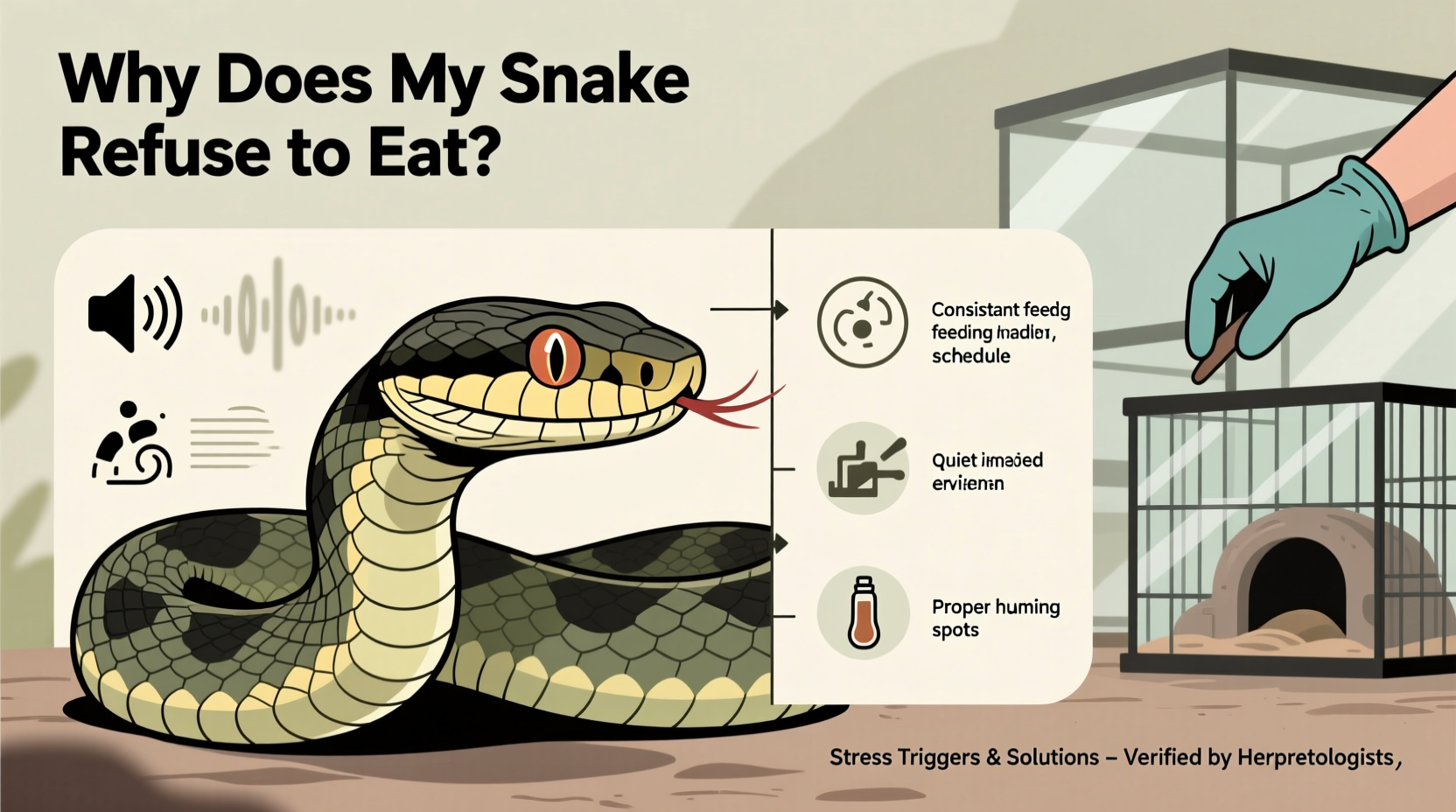
Before jumping to conclusions, it's essential to differentiate between natural fasting and problematic appetite loss. Many snake species, particularly ball pythons, boas, and certain colubrids, may fast for weeks or even months without ill effect. Seasonal brumation, reproductive cycles, and post-shedding periods can all lead to temporary disinterest in food.
However, if your snake is losing weight, refusing food for more than 3–4 meals beyond its regular schedule, or showing signs of lethargy, dehydration, or abnormal breathing, intervention is necessary. The goal isn't to force-feed but to identify and correct the cause so the snake resumes eating naturally.
Tip: Keep a feeding log to track meal frequency, prey size, and behavioral changes—this helps distinguish patterns from anomalies.Top Stress Triggers That Cause Appetite Loss
Snakes are highly sensitive creatures. Unlike mammals, they don’t vocalize distress, but their feeding behavior is one of the clearest indicators of well-being. Environmental stressors often go unnoticed by owners but can profoundly impact a snake’s willingness to eat.
1. Improper Temperature and Humidity
Thermoregulation is vital for digestion. Snakes rely on external heat sources to raise their body temperature and activate metabolic processes. If the enclosure is too cold, digestion halts, making the snake reluctant to eat. Conversely, excessive heat causes stress and dehydration.
A proper thermal gradient includes a warm basking zone (typically 88–92°F depending on species) and a cooler side (75–80°F). Humidity must also match species-specific needs—ball pythons thrive at 50–60%, while rainforest species like green tree pythons require 70% or higher.
2. Inadequate Hiding Spots
Snakes are ambush predators and instinctively seek cover. A lack of secure hides creates chronic stress. Without a place to feel safe, a snake remains in a state of hypervigilance, suppressing feeding instincts.
At minimum, provide two hides—one on the warm side and one on the cool side—ensuring they’re snug enough to make the snake feel enclosed. For arboreal species, elevated hides are equally important.
3. Overhandling or Environmental Disturbances
Frequent handling, loud noises, vibrations from appliances, or constant foot traffic near the enclosure can keep a snake on edge. These disturbances mimic predator activity in the wild, triggering survival mode over feeding mode.
Limit handling to once a week or less during feeding slumps. Place the enclosure in a quiet area away from TVs, washing machines, and high-traffic zones.
4. Poor Substrate or Enclosure Size
Unsuitable substrates like sand, pine shavings, or paper towels with sharp edges can irritate a snake’s belly or cause respiratory issues. An enclosure that’s too large may make a smaller snake feel exposed; too small, and it feels trapped.
Opt for safe, moisture-retaining substrates such as cypress mulch, coconut fiber, or bioactive mixes. Juvenile snakes often do better in smaller enclosures until they gain confidence.
5. Lighting and Day-Night Cycles
While snakes don’t require UVB lighting like some reptiles, a consistent light-dark cycle supports circadian rhythms. Constant artificial light or total darkness disrupts natural behaviors, including feeding.
Use a timer to maintain a 12-hour light/12-hour dark cycle. Avoid placing the tank near windows where sunlight fluctuates unpredictably.
“Stress is the number one reason captive snakes refuse food. It’s rarely about hunger—it’s about safety.” — Dr. Rebecca Smith, DVM, Reptile Behavior Specialist
Common Husbandry Mistakes and Fixes
Even experienced keepers can overlook subtle flaws in setup. Below is a comparison of frequent errors and their corrections:
| Husbandry Mistake | Impact on Snake | Recommended Fix |
|---|---|---|
| No thermal gradient | Poor digestion, reduced appetite | Install under-tank heater + overhead basking lamp; use digital thermometers |
| Single hide or no hides | Chronic stress, hiding reluctance | Add two snug hides with entrance coverage |
| Feeding in display enclosure | Associates owner with threat, fear response | Feed in separate feeding tub with minimal distractions |
| Incorrect prey size | Rejection, choking risk, or overfeeding | Offer prey no wider than the snake’s midsection |
| Using live prey | Prey injury, trauma, stress | Switch to properly thawed frozen-thawed rodents |
Step-by-Step Guide to Restore Feeding
If your snake has stopped eating, follow this structured approach to diagnose and resolve the issue:
- Assess Health: Check for weight loss, sunken eyes, labored breathing, mites, or retained shed. If any symptoms are present, consult a reptile veterinarian before proceeding.
- Verify Enclosure Parameters: Use digital gauges to confirm temperatures, humidity, and light cycles. Adjust heating or misting as needed.
- Enhance Security: Add additional hides, reduce visibility into the enclosure (use background panels), and minimize disturbances.
- Change Feeding Method: Try feeding in a separate, quiet container. Use tongs to wiggle prey gently, mimicking movement.
- Vary Prey Type: If using mice, try rats; switch from pinkies to fuzzies; or offer different species like chicks for larger snakes.
- Scent-Transfer Technique: Rub the rodent with a lizard or bird to simulate natural prey scent—effective for finicky juveniles.
- Adjust Feeding Time: Most snakes feed best at night. Offer food after lights out using a red-viewing bulb to avoid disrupting their cycle.
- Wait Patiently: Allow 5–7 days between attempts. Forcing repeated feedings increases stress.
This process may take weeks, especially for notoriously picky eaters like ball pythons. Consistency and patience are crucial.
Real Case: Bella the Ball Python
Bella, a 2-year-old female ball python, hadn’t eaten in over two months. Her owner, Mark, had tried multiple prey types and feeding times but saw no progress. Upon inspection, her enclosure had only one hide, placed on the cool side. Temperatures were inconsistent due to an aging heat mat, and the tank sat in a busy hallway.
After moving Bella’s enclosure to a quieter room, installing a dual-hide setup with proper thermal gradient, and switching to feeding in a separate tub at night, she accepted a fuzzy mouse within 10 days. Within six weeks, she returned to her regular feeding schedule.
Mark’s experience highlights how seemingly minor environmental factors can collectively suppress appetite. No medical condition was found—the fix was entirely husbandry-based.
When to Suspect Illness
Not all cases are stress-related. Medical issues must be ruled out, especially if the snake shows:
- Regurgitation shortly after eating
- Discharge from mouth or nostrils
- Lethargy or inability to coil properly
- Swelling, lumps, or difficulty breathing
- Parasites visible around vents or in feces
Respiratory infections, stomatitis (mouth rot), internal parasites, and gastrointestinal blockages can all cause anorexia. A fecal exam and physical evaluation by a qualified reptile vet are essential in prolonged cases.
FAQ: Common Questions About Snake Feeding Refusal
How long can a healthy snake go without eating?
Adult snakes can safely fast for several weeks to months depending on age, species, and body condition. A well-fed adult ball python may skip meals for 2–3 months without losing significant weight. However, juveniles should not go longer than 4–6 weeks without food.
Should I force-feed my snake?
No. Force-feeding is stressful and risky, potentially leading to aspiration or aversion. It should only be performed under veterinary guidance and as a last resort for medically compromised animals.
Can changing the prey type really make a difference?
Yes. Some snakes develop preferences based on early feeding experiences. Switching from mouse to rat, using hopper mice, or offering chicks can spark interest. Scent transfer (e.g., rubbing a mouse with a lizard) can also trigger a feeding response in selective species.
Checklist: Action Plan for Non-Eating Snakes
Use this checklist to systematically address feeding refusal:
- ✅ Measure and adjust enclosure temperatures and humidity
- ✅ Provide two secure hides (warm and cool side)
- ✅ Reduce handling and environmental disturbances
- ✅ Confirm prey size is appropriate (no wider than mid-body)
- ✅ Switch to thawed frozen prey if using live
- ✅ Try feeding in a separate, quiet container
- ✅ Experiment with different prey types or scents
- ✅ Maintain a consistent day-night cycle
- ✅ Monitor weight weekly with a digital scale
- ✅ Schedule a vet visit if weight loss exceeds 10% or symptoms appear
Conclusion: Patience and Observation Are Key
A snake refusing to eat is rarely an emergency—but it is a signal. By methodically evaluating environment, husbandry, and health, most cases can be resolved without invasive measures. The most effective tool isn’t a new feeding technique or exotic prey, but attentive observation. Snakes communicate through behavior, and feeding patterns are among their clearest messages.
Address stress first, ensure optimal conditions, and allow time. With consistency and care, even the most stubborn non-eater often returns to the bowl. Your role isn’t to control the snake’s appetite, but to create the conditions where eating feels safe and natural.
💬 Have a snake that finally started eating again? Share your story or tip in the comments—your experience could help another worried owner!








