Saintpaulia trifasciata, commonly known as the snake plant, is celebrated for its resilience and air-purifying qualities. Yet even this hardy houseplant can develop problems—most notably, yellowing leaf tips. When you notice those once-vibrant green spear-like leaves developing yellow or brown-tipped ends, it’s natural to wonder: is it too much water, not enough light, or something else entirely? The answer isn’t always straightforward, as multiple factors can trigger the same symptom. Understanding the root cause is essential to restoring your plant’s health and preventing long-term damage.
Yellow tips on a snake plant are typically a stress response. Unlike some plants that wilt dramatically when under duress, snake plants give subtle warnings—starting with discoloration at the leaf margins. While overwatering and low light are common culprits, other environmental and cultural factors may also play a role. This guide dives deep into diagnosing the problem, offering practical solutions backed by horticultural science and real-world plant care experience.
Understanding Snake Plant Physiology
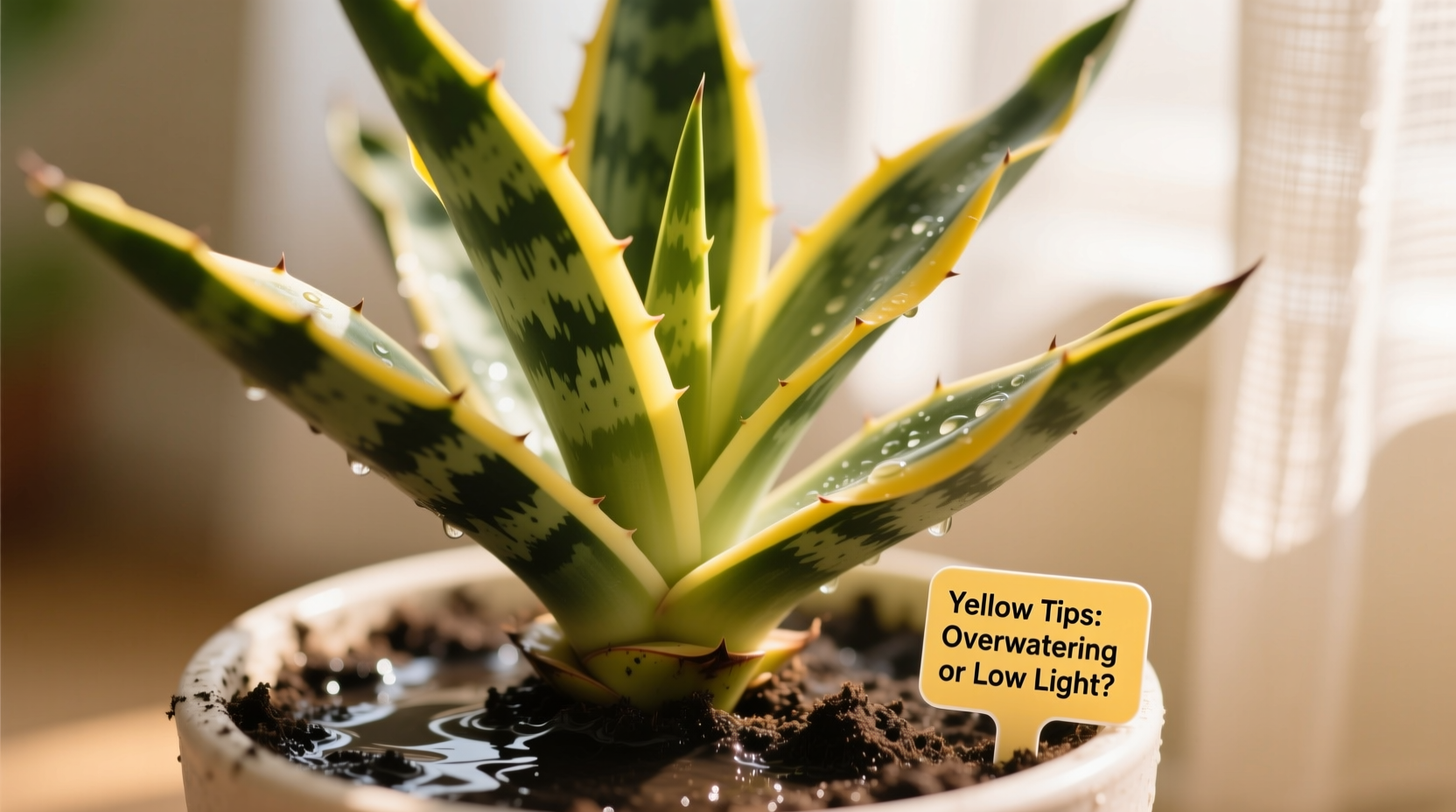
Succulent by nature, snake plants store water in their thick, upright leaves. This adaptation allows them to survive extended dry periods, making them ideal for forgetful or busy plant owners. However, this same trait makes them highly susceptible to moisture-related issues. Their stomata (tiny pores for gas exchange) open at night—a process called Crassulacean Acid Metabolism (CAM)—which means they photosynthesize differently than most houseplants. This unique biology influences how they respond to light, water, and humidity.
When stressed, snake plants often show symptoms first at the leaf tips because these areas are farthest from the roots and receive nutrients and water last. Yellowing begins there and may progress down the leaf if the issue persists. It’s important to note that a single yellow tip doesn’t mean your plant is dying—many snake plants recover fully with proper intervention.
Tip: Never assume yellow tips mean underwatering—snake plants are far more likely to suffer from excess moisture than drought.Overwatering: The Leading Cause of Yellow Tips
Overwatering is the number one reason snake plants develop yellow or mushy leaf tips. Because their leaves store water, they require infrequent watering—typically every 2–6 weeks, depending on environment. When soil stays wet for too long, the roots suffocate and begin to rot. Root rot compromises the plant’s ability to absorb nutrients and water, leading to cellular breakdown visible as yellowing at the extremities.
Signs of overwatering include:
- Soft, mushy lower leaves
- Soil that remains damp for over a week after watering
- A foul smell from the soil
- Leaves turning yellow from the base upward
If you suspect overwatering, stop watering immediately and assess the root system. Gently remove the plant from its pot and inspect the roots. Healthy roots are firm and white; rotted ones are black, slimy, and fragile. Trim away any damaged roots with sterilized scissors and repot in fresh, well-draining soil.
“Snake plants thrive on neglect. If you’re unsure whether to water, wait another week.” — Dr. Linda Chalker-Scott, Urban Horticulturist and Author, *The Informed Gardener*
Low Light: A Slower but Equally Damaging Stressor
While snake plants tolerate low light better than most houseplants, prolonged exposure to dim conditions weakens them over time. Insufficient light reduces photosynthesis, slowing growth and weakening cell structure. This makes the plant more vulnerable to stress, including yellowing leaf tips.
In low-light environments, snake plants may exhibit:
- Pale or washed-out leaf color
- Leggy growth (leaves stretching toward light)
- Slower growth or no new shoots
- Increased sensitivity to overwatering
Paradoxically, low light exacerbates overwatering issues. A plant in dim light uses less water, so soil dries slowly. Owners may water on a schedule without adjusting for light levels, creating a perfect storm for root rot. To prevent this, place your snake plant near an east- or north-facing window where it receives bright, indirect light for at least 6–8 hours daily.
Light Requirements Comparison
| Light Level | Effect on Snake Plant | Recommended Action |
|---|---|---|
| Bright Indirect | Optimal growth, vibrant color | Place near east/north window |
| Low Light | Survivable but weakened, slow growth | Supplement with grow lights if needed |
| Direct Sunlight | Leaf burn, browning tips | Avoid south/west windows without filtering |
Other Contributing Factors to Yellow Tips
While overwatering and low light are primary causes, several secondary factors can contribute to or mimic these issues:
- Poor Drainage: Pots without drainage holes trap water, increasing rot risk. Always use containers with at least one hole and a well-aerated soil mix (e.g., cactus/succulent blend).
- Fluoride or Chlorine Sensitivity: Tap water containing fluoride or chlorine can cause tip burn. Let water sit overnight before use, or switch to distilled or rainwater.
- Low Humidity & Dry Air: Though drought-tolerant, extremely dry indoor air (especially in winter) can desiccate leaf tips. Group plants together or use a humidifier.
- Fertilizer Burn: Over-fertilizing, especially in winter, leads to salt buildup. Feed only once every 2–3 months during growing season with diluted balanced fertilizer.
- Pests: Mealybugs or spider mites may weaken the plant, causing yellowing. Inspect leaf undersides and treat with insecticidal soap if needed.
Case Study: Reviving a Neglected Office Snake Plant
Jamie, an office manager in Chicago, noticed several snake plants in her workspace developing yellow tips. The plants were in low-light cubicles, watered weekly by maintenance staff. After consulting a local nursery, she realized the routine watering was drowning the plants. She initiated a rescue plan:
- Stopped all watering for three weeks.
- Relocated plants to a shared space with overhead fluorescent lighting and occasional natural light.
- Repotted two severely affected plants in cactus mix with drainage holes.
- Implemented a “water only when soil is dry 2 inches down” rule.
Within six weeks, new growth emerged, and yellowing stabilized. By fall, the plants had produced healthy pups, signaling full recovery. This case illustrates how combining light correction with proper watering can reverse damage—even in challenging environments.
Step-by-Step Guide to Diagnose and Fix Yellow Tips
Follow this systematic approach to identify and resolve the cause of yellow tips:
- Assess Watering Habits: Check when you last watered and how much. Stick your finger 2 inches into the soil. If it’s damp, do not water.
- Inspect the Roots: Gently remove the plant. Look for black, mushy roots indicating rot. Trim affected areas and repot if necessary.
- Evaluate Light Conditions: Is the plant near a window? Does it get direct midday sun or sit in a dark corner? Adjust placement accordingly.
- Check Pot and Soil: Ensure the container has drainage. Replace heavy soil with a fast-draining succulent mix.
- Review Water Quality: If tap water is harsh, let it sit out for 24 hours or use filtered water.
- Monitor for Pests: Examine leaves closely, especially bases and undersides. Treat early infestations promptly.
- Adjust Care Routine: Water only when dry, feed sparingly, and rotate for even growth.
Troubleshooting Checklist
Use this checklist to quickly identify and correct the issue:
- ✅ Soil is dry before watering? (Wait 2–6 weeks depending on conditions)
- ✅ Pot has drainage holes? (If not, repot immediately)
- ✅ Bright, indirect light available for 6+ hours daily?
- ✅ No standing water in saucer after watering? (Empty within 30 minutes)
- ✅ Leaves firm, not mushy? (Softness indicates overwatering)
- ✅ Water left to sit 24 hours before use? (Reduces chemical sensitivity)
- ✅ Fertilizer used only in spring/summer and at half strength?
Frequently Asked Questions
Can I cut off the yellow tips of my snake plant?
Yes, you can trim yellow tips using clean, sharp scissors. Cut at an angle following the natural leaf shape to minimize damage. However, trimming treats the symptom, not the cause. Address underlying issues like overwatering or poor light to prevent recurrence.
How often should I water my snake plant?
Water every 2–6 weeks, depending on light, temperature, and humidity. Always check that the top 1–2 inches of soil are completely dry before watering. In low light or winter, extend intervals. Less is more with snake plants.
Will yellow tips turn green again?
No. Once a leaf tip turns yellow, it cannot revert to green. The damage is permanent at the cellular level. Focus on improving care to encourage new, healthy growth and prevent further yellowing.
Final Thoughts: Prevention Is Key
The beauty of the snake plant lies in its simplicity—but that simplicity demands respect for its natural preferences. These plants evolved in arid regions of West Africa, where rainfall is infrequent and sunlight abundant. Mimicking those conditions at home is the surest path to success. Overwatering remains the greatest threat, closely followed by inadequate light. By observing your plant closely and adjusting care based on its signals—not a calendar—you’ll maintain strong, vibrant foliage for years.
Remember, yellow tips are not a death sentence. They are a conversation starter between you and your plant. Listen carefully, respond thoughtfully, and you’ll cultivate not just healthier snake plants, but a deeper understanding of indoor gardening itself.
💬 Have a snake plant story or tip to share? Join the conversation below and help fellow plant lovers troubleshoot and thrive!








