Sometimes, the most resilient houseplants send subtle distress signals. The snake plant—known for thriving on neglect—can still develop wrinkled leaves, a sign that something in its environment or care routine is off. While it’s easy to assume this tough succulent can survive anything, prolonged wrinkling indicates underlying issues that, if ignored, may lead to irreversible damage. Understanding the root causes and responding with targeted care can restore your plant’s vitality and prevent future problems.
Wrinkled leaves in snake plants are not normal. They suggest the plant is struggling to retain water, often due to improper watering, inadequate light, root damage, or temperature stress. Unlike drooping or yellowing, which can signal overwatering, wrinkling typically points to dehydration—even in plants that appear well-watered. This article breaks down the science behind wrinkled foliage, outlines actionable solutions, and provides a clear revival plan to bring your Sansevieria back to full health.
Understanding Snake Plant Physiology
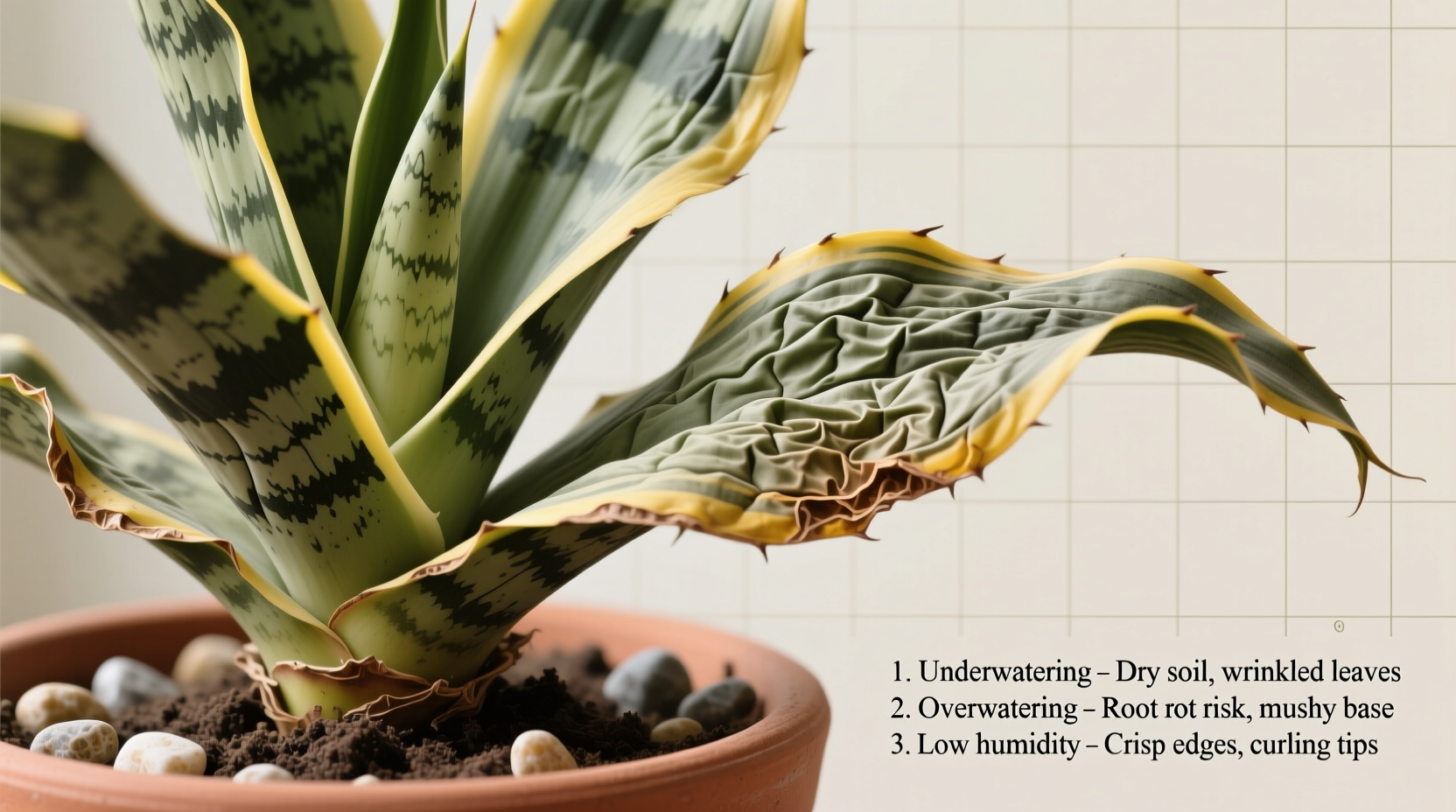
The snake plant (Sansevieria trifasciata) is a succulent native to West Africa, adapted to arid environments with infrequent rainfall. Its thick, upright leaves store water in specialized parenchyma cells, allowing it to endure dry periods. When these reserves deplete faster than they’re replenished, the leaves begin to wrinkle, appearing deflated or puckered along their length.
Unlike leafy tropicals that wilt when dry, snake plants maintain rigidity until internal turgor pressure drops significantly. By the time wrinkling appears, the plant has likely been under chronic water stress for days or weeks. Because of this delayed symptom onset, early detection is difficult—but not impossible. Observing subtle cues like slight softness at the base or slowed growth can help catch dehydration before visible wrinkling occurs.
“Snake plants are drought-tolerant, but they still require consistent moisture access during active growth. Chronic underwatering leads to cellular collapse in leaf tissues.” — Dr. Lena Torres, Botanist & Indoor Plant Specialist
Common Causes of Wrinkled Leaves
Wrinkling isn’t caused by a single factor. It results from an imbalance between water uptake and loss. Identifying the exact cause requires evaluating several aspects of care and environment.
1. Underwatering
The most frequent reason for wrinkled leaves is insufficient watering. Though snake plants prefer drying out between waterings, extended drought—especially in warm, dry indoor environments—depletes stored moisture. Signs include:
- Leaves feel thin and papery
- Soil pulls away from pot edges
- No recent watering for 4+ weeks (depending on climate)
2. Root Damage or Pot-Bound Conditions
If roots are damaged, rotting, or overcrowded, they cannot absorb water effectively—even if the soil is moist. A pot-bound snake plant may show wrinkled leaves despite regular watering because the root system lacks space and resources to function properly.
3. Poor Drainage or Compacted Soil
Dense, compacted soil prevents proper water penetration. Water runs down the sides of the root ball without soaking in, leaving roots parched. Over time, this creates a false sense of hydration while the plant starves for moisture.
4. Excessive Light or Heat
Direct sunlight, especially through south-facing windows, increases transpiration. Combined with low humidity or heating vents nearby, this accelerates water loss beyond what the roots can supply.
5. Low Humidity in Dry Climates
In heated homes during winter, indoor humidity can drop below 30%. While snake plants tolerate average humidity, extremely dry air increases evaporation from leaf surfaces, contributing to dehydration.
Tip: Insert your finger 2 inches into the soil—if it feels dry, it's time to water. For deeper assessment, use a moisture meter.Diagnosing the Problem: A Step-by-Step Assessment
Before treating symptoms, confirm the underlying issue. Follow this diagnostic process to avoid misdiagnosis—especially confusing underwatering with overwatering, which can have opposite treatments.
- Check soil moisture: Use a wooden skewer or moisture probe. If it comes out completely dry after 2 inches, underwatering is likely.
- Inspect the roots: Gently remove the plant from its pot. Healthy roots are firm and white; brown, mushy roots indicate rot. Stunted or circling roots suggest being pot-bound.
- Assess pot size: If roots wrap tightly around the soil mass, the plant needs repotting.
- Evaluate light exposure: Is the plant in direct sun? Near a heater or AC vent? Adjust placement if needed.
- Review watering history: Track how often and how much you’ve watered in the past month. Inconsistent or infrequent watering is a red flag.
When Overwatering Mimics Underwatering
It’s possible for overwatering to cause wrinkled leaves indirectly. Soggy soil leads to root rot, impairing water absorption. The plant then shows signs of drought despite wet soil. Always check root health before assuming underwatering.
Revival Guide: Restoring Your Snake Plant
Once you’ve diagnosed the cause, implement a targeted recovery plan. Recovery takes 2–6 weeks depending on severity.
Step 1: Correct Watering Technique
If the soil is dry, give the plant a thorough soak. Place it in a sink or tray and pour water slowly until it drains from the bottom. Let it drain completely—never let it sit in water.
For severely dried root balls that resist rehydration:
- Submerge the entire pot in room-temperature water for 10–15 minutes.
- Allow excess water to drain fully before returning to its spot.
Step 2: Repot If Necessary
If roots are crowded or soil is compacted, repot into a container one size larger (1–2 inches wider in diameter). Use a well-draining mix such as:
- 2 parts potting soil
- 1 part perlite
- 1 part coarse sand or pumice
Avoid garden soil or moisture-retentive mixes that promote rot.
Step 3: Optimize Environmental Conditions
Move the plant to a location with bright, indirect light. Avoid direct midday sun. Keep away from drafts, radiators, and air conditioners. Ideal temperatures range from 65°F to 80°F (18°C–27°C).
Step 4: Monitor and Adjust
After treatment, wait 7–10 days before watering again. Check soil moisture regularly. As new leaves emerge and existing ones firm up, you’ll know recovery is underway.
Tip: Rotate your snake plant every few weeks to ensure even light exposure and balanced growth.Prevention Checklist: Long-Term Care Strategy
Preventing recurrence is key. Use this checklist to maintain optimal conditions year-round:
- ✅ Water only when the top 1–2 inches of soil are dry
- ✅ Use pots with drainage holes to prevent waterlogging
- ✅ Repot every 2–3 years to refresh soil and accommodate growth
- ✅ Provide bright, indirect light—avoid harsh direct sun
- ✅ Keep away from heating/cooling vents and drafty windows
- ✅ Wipe leaves occasionally with a damp cloth to remove dust and improve photosynthesis
- ✅ Fertilize lightly once in spring and once in summer with diluted balanced fertilizer (10-10-10)
Do’s and Don’ts: Quick Reference Table
| Do | Don't |
|---|---|
| Water deeply but infrequently | Water on a strict schedule without checking soil |
| Use well-draining, aerated soil | Use heavy garden soil or peat-heavy mixes |
| Repot when roots fill the container | Leave the plant in a cracked or undersized pot |
| Place in bright, indirect light | Expose to hot, direct afternoon sun |
| Let excess water drain completely | Let the pot sit in standing water |
Real Example: Reviving a Severely Dehydrated Snake Plant
Maria, a plant owner in Phoenix, noticed her 3-foot-tall snake plant developing vertical wrinkles across multiple leaves. She watered it weekly but saw no improvement. Upon inspection, she found the soil was rock-hard and pulling away from the pot walls. Despite surface watering, moisture wasn’t reaching the roots.
She submerged the pot in a basin of water for 15 minutes. After draining, she repotted it into a slightly larger container with a gritty succulent mix. She moved it away from a west-facing window that received intense afternoon heat. Within three weeks, the leaves began to plump up, and two new shoots emerged from the base. Maria now checks soil moisture with a meter and waters only when the lower half of the pot is dry.
“Many people think ‘less water’ means ‘almost no water.’ Even drought-tolerant plants need reliable access to moisture during growth phases.” — Carlos Mendez, Horticulturist at Desert Botanical Garden
Frequently Asked Questions
Can wrinkled snake plant leaves recover completely?
Mildly wrinkled leaves may firm up over time with proper hydration. Severely damaged leaves with deep creases won’t return to full plumpness but will be replaced by healthy new growth. Focus on overall plant recovery rather than fixing individual leaves.
How often should I water my snake plant?
Frequency depends on climate, pot size, and season. In warm months, watering every 2–4 weeks is typical. In winter, reduce to every 6–8 weeks. Always check soil dryness before watering. When in doubt, wait another few days.
Is misting helpful for a snake plant with wrinkled leaves?
No. Misting does not address root-level dehydration and can encourage fungal issues on dense foliage. Focus on improving soil moisture and root health instead.
Conclusion: Act Now to Save Your Snake Plant
Wrinkled leaves are a warning—not a death sentence. With accurate diagnosis and prompt action, most snake plants rebound within weeks. The key is understanding that resilience doesn’t mean invincibility. Even low-maintenance plants have limits. By adjusting your care approach based on the plant’s signals, you create a sustainable environment where it can thrive for years.
Start today: check your snake plant’s soil, inspect its roots if needed, and adjust its location and watering habits. Small changes now can prevent long-term decline. Share your experience or ask questions in the comments—your journey could help another plant lover save their Sansevieria.
💬 Have a snake plant that bounced back from wrinkled leaves? Share your story below and inspire others to keep nurturing their green companions!








