
Rabbit owners often experience moments of confusion when their pet suddenly thumps a hind leg against the ground—sometimes once, sometimes repeatedly. The sound is distinct: a sharp, hollow tap that echoes through the room. While it might seem like a quirky habit, foot thumping is a deeply rooted form of communication in rabbits. Understanding why your rabbit thumps and how to respond appropriately can strengthen your bond and improve their overall well-being.
Unlike dogs or cats, rabbits don’t vocalize fear or discomfort as frequently. Instead, they rely heavily on body language. Thumping is one of the most expressive behaviors they exhibit. It can signal anything from mild annoyance to full-blown terror. Interpreting this action correctly allows you to address underlying issues before they escalate into chronic stress or health problems.
The Biology Behind Rabbit Thumping
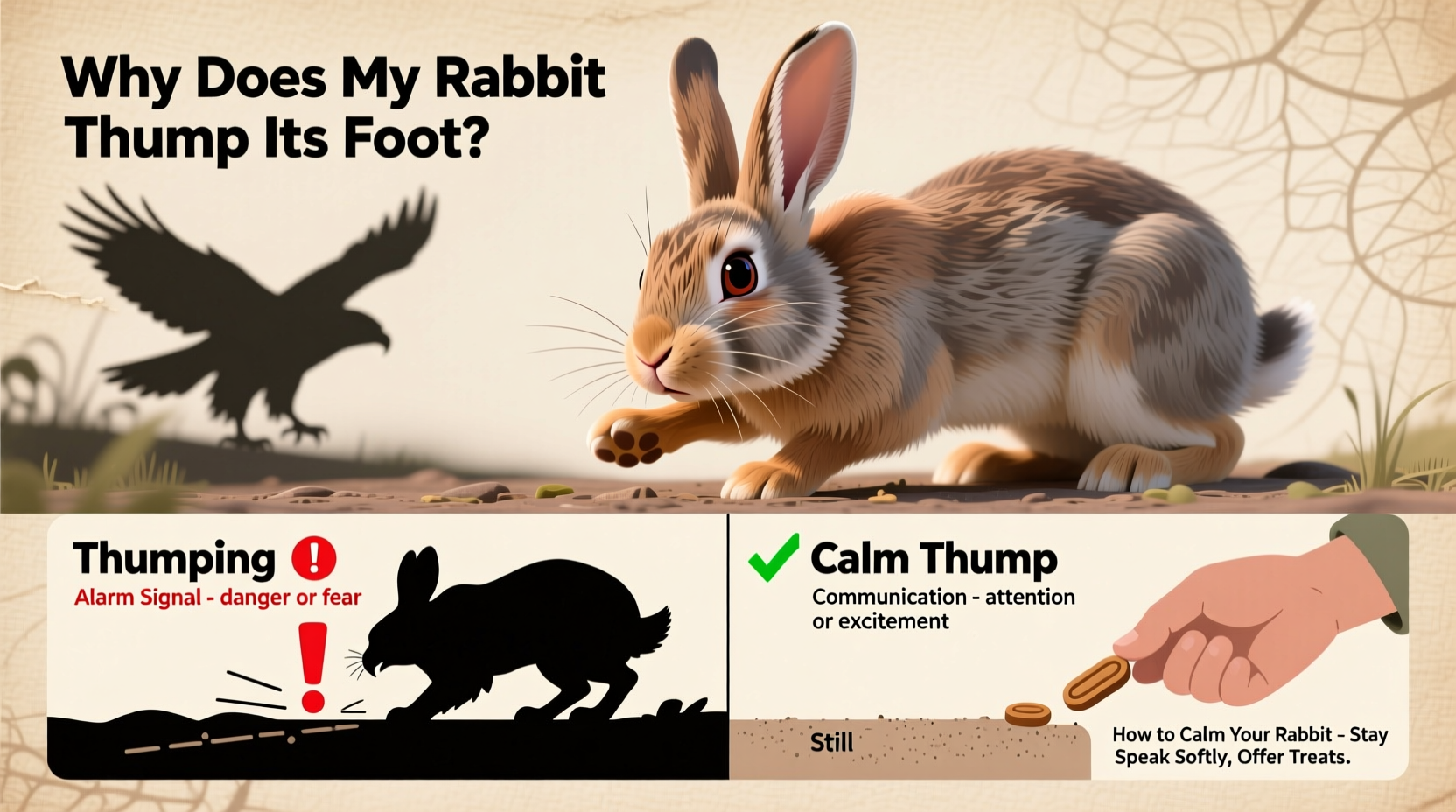
Rabbits are prey animals. In the wild, their survival depends on acute awareness of danger and rapid communication with others in their warren. Foot thumping evolved as an alarm system—a non-vocal way to warn nearby rabbits of potential threats without drawing attention from predators.
The mechanism is simple but effective. When a rabbit senses something alarming—such as a sudden noise, unfamiliar scent, or movement—they lift one or both hind legs and forcefully strike the ground. This creates a low-frequency vibration that travels through the soil, alerting other rabbits even if they can't see or hear the source of danger directly.
Domesticated rabbits retain this instinct. Even when living in safe, indoor environments, their nervous systems remain tuned to detect anomalies. A vacuum cleaner starting up, a door slamming, or a new person entering the room can trigger a thump. It’s not aggression; it’s a reflexive response to perceived risk.
“Thumping is a survival behavior hardwired into rabbits over thousands of years. Even the most socialized pet will do it under stress.” — Dr. Lena Torres, Exotic Animal Behaviorist
Common Triggers for Foot Thumping
Understanding what prompts your rabbit to thump requires careful observation of their environment and routine. Not all thumps mean the same thing. Context matters significantly. Here are the most frequent causes:
- Loud noises: Thunder, fireworks, barking dogs, or sudden household sounds like dropped pans.
- Unfamiliar people or animals: Visitors, new pets, or even changes in human clothing (e.g., wearing a hat).
- Pain or discomfort: Arthritis, dental issues, or gastrointestinal pain may cause thumping due to distress.
- Fear of handling: Some rabbits thump when picked up, especially if they haven’t been properly socialized.
- Environmental changes: Rearranging furniture, new flooring, or moving their enclosure.
- Perceived threats: Shadows, reflections, or fast movements near their space.
- Attention-seeking: Occasionally, rabbits learn that thumping gets a reaction and use it manipulatively.
How to Calm a Thumping Rabbit: A Step-by-Step Guide
When your rabbit thumps, your immediate goal should be reassurance—not punishment or dismissal. Reacting calmly helps de-escalate anxiety and reinforces trust.
- Stay quiet and still. Avoid rushing toward the rabbit or making loud soothing noises. Sudden movements can worsen fear.
- Assess the environment. Look for obvious stressors: Is music playing? Did a dog bark? Turn off or remove the stimulus if possible.
- Speak softly. Use a low, steady voice to say their name or a familiar phrase like “It’s okay.” Don’t overdo it—just enough to signal safety.
- Offer a hiding place. Ensure your rabbit has access to a covered shelter, tunnel, or cardboard box where they can retreat and feel secure.
- Wait patiently. Most rabbits calm down within minutes once the threat passes. Respect their need for space.
- Provide a treat after calming. Once relaxed, offer a small piece of parsley or hay to create a positive association.
- Review long-term adjustments. If thumping is frequent, consider environmental modifications (see checklist below).
Real Example: Bella the Nervous Bunny
Bella, a three-year-old Holland Lop, lived in a busy household with two young children and a cat. Her owner noticed she thumped every afternoon around 4 PM. After tracking patterns, they realized the school bus passed by the house at that time, and its loud engine caused vibrations through the floor. Bella had no safe zone away from the window-facing cage.
The solution? Relocating her enclosure to a quieter back room and adding a wooden hide with a fleece blanket inside. Within a week, the thumping stopped. This case illustrates how pinpointing a specific trigger—and adjusting the environment—can resolve chronic stress behaviors.
Do’s and Don’ts When Your Rabbit Thumps
| Do | Don’t |
|---|---|
| Observe quietly and identify the trigger | Yell, clap, or try to stop the thumping physically |
| Ensure your rabbit has a secure hiding spot | Force interaction immediately after the episode |
| Speak in a calm, low tone | Ignore repeated thumping as “normal” without investigating |
| Check for signs of illness (lethargy, loss of appetite) | Pick up your rabbit abruptly during or right after thumping |
| Gradually desensitize them to known fears (e.g., vacuum) | Assume the rabbit is being “dramatic” or “stubborn” |
When Thumping Indicates a Health Problem
While most thumping is behavioral, persistent or unusual episodes may point to medical concerns. Pain is a common but overlooked cause. For example, a rabbit suffering from bladder stones or spinal arthritis might thump when moving uncomfortably. Similarly, gastrointestinal stasis—a life-threatening condition in rabbits—can cause restlessness and thumping due to abdominal cramping.
Watch for accompanying symptoms:
- Reduced appetite or refusal to eat pellets
- Smaller or absent fecal pellets
- Lying stretched out instead of tucked
- Teeth grinding (a sign of pain)
- Heavy breathing or hunched posture
If your rabbit thumps frequently without clear environmental triggers and shows any of these signs, consult a veterinarian experienced in exotic pets. Diagnostic tools like X-rays or blood tests may be needed to rule out internal issues.
Tip: Schedule annual wellness exams for your rabbit—even if they seem healthy. Early detection saves lives.Building Trust to Reduce Fear-Based Thumping
Many rabbits thump because they haven’t fully bonded with their humans or feel insecure in their surroundings. Strengthening trust takes time but yields lasting results.
Start by spending quiet time near their enclosure daily. Sit on the floor and read a book, allowing them to approach you on their terms. Avoid direct eye contact, which rabbits perceive as threatening. Instead, glance away slowly to appear non-dominant.
Hand-feeding treats like dandelion greens or small pieces of apple builds positive associations. Over weeks, your rabbit will begin to link your presence with safety and rewards. Never force handling. Wait until they nudge your hand or climb onto your lap voluntarily.
Enrichment also plays a role. Boredom increases anxiety. Rotate toys weekly—cardboard tubes, willow balls, and dig boxes filled with shredded paper keep rabbits mentally stimulated and less reactive.
Expert Insight: The Role of Environment
“The single biggest factor in reducing stress-related thumping is control over environment. Rabbits need predictable routines, visual barriers, and escape routes. Give them agency, and fear diminishes.” — Dr. Alan Park, Veterinary Ethologist
FAQ: Common Questions About Rabbit Thumping
Is foot thumping always a sign of fear?
No, not always. While fear is the most common cause, some rabbits thump out of frustration (e.g., when denied food) or to get attention. Occasional light thumps during play may not indicate distress. Always assess context and frequency.
Can I train my rabbit not to thump?
You cannot eliminate thumping entirely—it’s a natural behavior—but you can reduce unnecessary episodes by minimizing stressors and building confidence. Training focuses on addressing root causes, not suppressing the symptom.
Do all rabbit breeds thump equally?
Most domestic rabbits thump, but some breeds are more sensitive than others. Nervous individuals, such as certain Dutch or Mini Rex rabbits, may thump more readily. However, personality and early socialization play larger roles than breed alone.
Final Checklist: Reducing Rabbit Thumping Long-Term
- ✅ Identify and eliminate recurring environmental stressors (noises, drafts, foot traffic).
- ✅ Provide multiple hiding places in different areas of their space.
- ✅ Maintain a consistent daily routine for feeding, cleaning, and interaction.
- ✅ Gradually expose your rabbit to feared stimuli using positive reinforcement (e.g., give treats during quiet vacuum operation).
- ✅ Ensure proper veterinary care to rule out pain or illness.
- ✅ Spend quality time on the floor at their level to build trust.
- ✅ Monitor diet and enrichment to prevent boredom and digestive issues.
Conclusion: Listening to Your Rabbit’s Silent Language
Your rabbit’s foot thump isn’t just noise—it’s a message. Whether it’s a cry for help, a warning, or a plea for space, each thump offers insight into their emotional world. By learning to interpret this behavior and responding with patience and empathy, you transform moments of tension into opportunities for deeper connection.
Start today by observing your rabbit without judgment. Notice when and why they thump. Adjust their environment, strengthen your bond, and never underestimate the power of a quiet presence. A calmer rabbit is a happier, healthier companion—one who trusts you enough to let go of fear.
💬 Have a story about your rabbit’s thumping behavior? Share your experience in the comments below—your insight could help another owner understand their furry friend better.








