Rabbit owners often notice their pets suddenly freezing in place, then delivering a sharp, rhythmic thump with one or both hind feet. This behavior—known as foot thumping—is not random. It’s a deeply ingrained form of communication rooted in survival instincts. While it may seem alarming at first, understanding why rabbits thump can help you build a stronger, more trusting relationship with your pet. From signaling danger to expressing discomfort, foot thumping carries nuanced messages that every responsible rabbit owner should learn to interpret.
The Evolutionary Roots of Rabbit Thumping
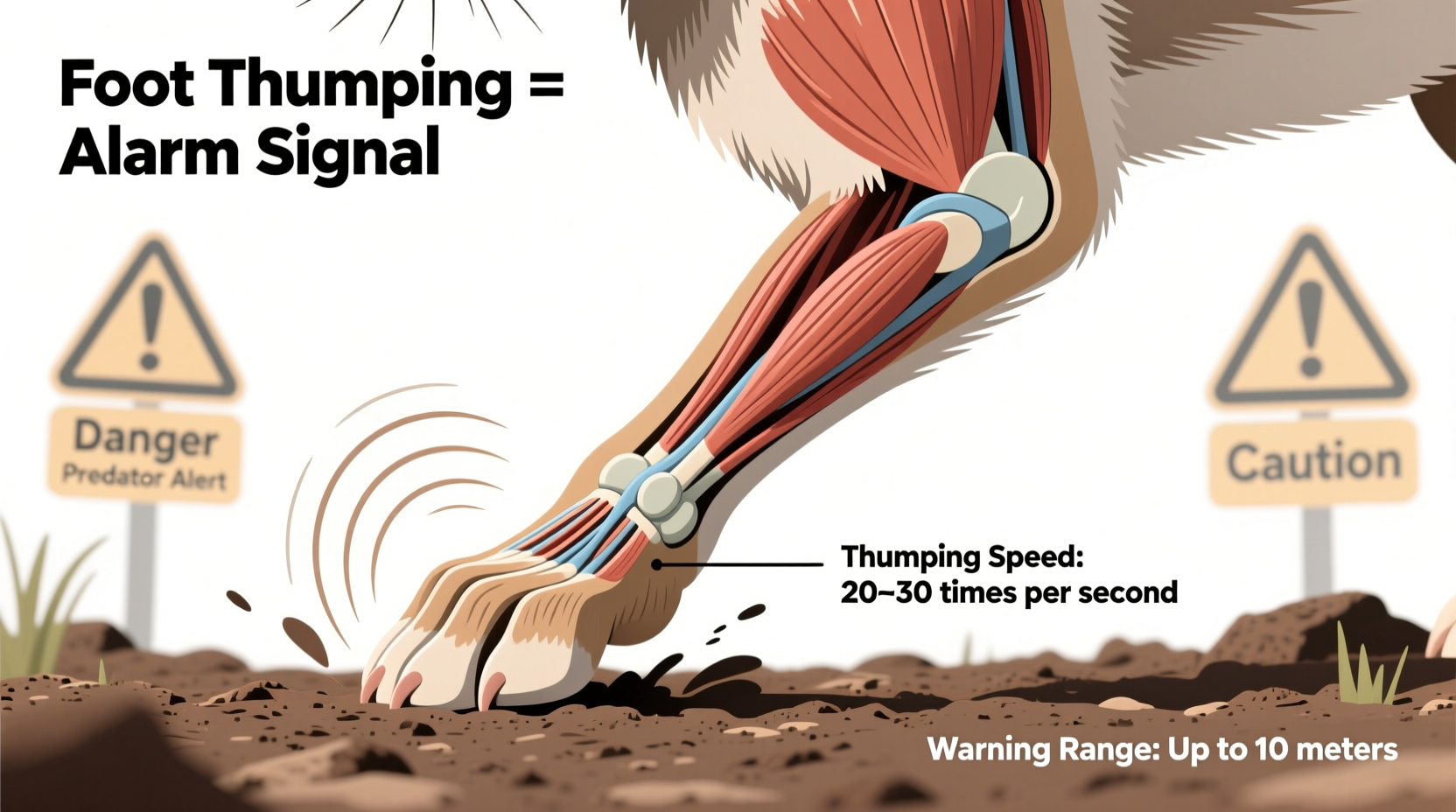
In the wild, rabbits are prey animals. Their survival depends on vigilance, speed, and effective communication within social groups. Unlike many animals that vocalize warnings, rabbits evolved to remain quiet to avoid attracting predators. Instead, they developed foot thumping as a silent alarm system. A single powerful stomp transmits vibrations through the ground, alerting nearby rabbits to potential threats without drawing auditory attention from hawks, foxes, or other hunters.
This instinct remains strong in domestic rabbits. Even when raised indoors from birth, they retain the reflex to thump when startled or sensing danger. The behavior is controlled by the autonomic nervous system and often occurs without conscious thought. It’s not aggression—it’s a reaction to perceived risk.
“Foot thumping is a natural survival mechanism. In domestic settings, it often reflects environmental stress rather than actual danger.” — Dr. Laura Hemming, Veterinary Ethologist
Common Triggers Behind Foot Thumping
Understanding what prompts your rabbit to thump requires observing context. The same action can mean different things depending on timing, environment, and accompanying body language. Below are the most frequent causes:
- Loud noises: Vacuum cleaners, slamming doors, thunder, or sudden shouts can trigger an immediate thump.
- Unfamiliar people or animals: A visitor entering the room or a dog approaching too closely may provoke a warning stomp.
- Sudden movements: Fast gestures near the rabbit’s space—even friendly ones—can be misinterpreted as threats.
- Pain or discomfort: Illness, injury, or digestive issues may cause a rabbit to thump in distress.
- Environmental changes: New furniture, rearranged enclosures, or unfamiliar scents can induce anxiety.
- Perceived territorial intrusion: Another pet or person entering what the rabbit considers its space may prompt defensive signaling.
Decoding the Message: Is It Fear, Warning, or Something Else?
Not all thumps carry the same intensity or intent. Rabbits use variations in rhythm, frequency, and force to convey different levels of urgency. Learning to distinguish these nuances helps prevent overreaction—or worse, ignoring a genuine cry for help.
Single, Sharp Thump
A solitary stomp usually signals surprise or mild alarm. Your rabbit heard something unexpected but hasn’t yet decided it’s dangerous. This is similar to a human jumping at a loud noise.
Repeated, Rapid Thumping
Multiple consecutive thumps indicate high stress or fear. The rabbit believes a threat is present and is actively warning others. This may be followed by freezing, bolting, or hiding.
Soft, Occasional Thumps During Rest
If your rabbit thumps gently while lying down, it may be expressing irritation rather than fear. For example, if you’re petting them beyond their tolerance level, a soft thump can mean “stop” or “give me space.”
Thumping Without Obvious Cause
Sometimes rabbits thump for reasons humans can’t detect—like distant construction noise, subtle vibrations, or even changes in barometric pressure. These instances don’t necessarily indicate poor welfare, but frequent unexplained thumping warrants closer investigation.
| Type of Thump | Meaning | Recommended Response |
|---|---|---|
| Single, isolated stomp | Surprise or minor alert | Pause and assess environment; no intervention needed unless repeated |
| Repeated, forceful thumps | Fear or perceived threat | Remove source of stress; provide safe hiding space |
| Soft thumps during handling | Discomfort or boundary-setting | Stop interaction and give space |
| Chronic or nighttime thumping | Possible pain or chronic anxiety | Consult a veterinarian |
When Thumping Signals Health Issues
While most thumping is behavioral, persistent or unusual patterns can point to underlying medical conditions. Rabbits are masters at hiding pain, so subtle changes in behavior are often the first clue.
For example, gastrointestinal stasis—a life-threatening condition in rabbits—can cause abdominal discomfort. A rabbit experiencing gas pain might thump repeatedly when shifting positions or being touched near the belly. Similarly, spinal arthritis or sore hocks (inflamed foot pads) may lead to thumping when attempting to move.
Other red flags include:
- Thumping accompanied by teeth grinding (a sign of pain)
- Loss of appetite or reduced fecal output
- Lethargy or reluctance to move
- Vocalizing (rare in rabbits, but possible under distress)
If your rabbit thumps frequently without clear environmental triggers—and especially if paired with any of the above symptoms—schedule a veterinary visit with a rabbit-savvy vet. Diagnostic tools like X-rays or ultrasound may be necessary to rule out internal issues.
Mini Case Study: Bella the Indoor Rabbit
Bella, a 3-year-old Holland Lop, lived in a quiet apartment with her owner, Mark. Over two weeks, Mark noticed Bella thumping multiple times each night, particularly around 2 a.m. There were no loud noises or visitors. Concerned, he recorded a video and took it to his exotic vet.
Upon examination, the vet discovered Bella had early-stage dental spurs—sharp points on her molars causing chronic mouth pain. The thumping was likely a response to discomfort when lying down or shifting position. After a dental filing and anti-inflammatory treatment, the nighttime thumping ceased entirely.
This case highlights how thumping can be a cryptic symptom of physical pain. Without careful observation and professional evaluation, such issues might go unnoticed until they worsen.
How to Respond When Your Rabbit Thumps
Your reaction shapes your rabbit’s sense of safety. Reacting with panic or punishment can deepen fear and erode trust. Instead, follow a calm, structured approach.
- Stay calm: Avoid raising your voice or making sudden movements. Your composure reassures your rabbit.
- Assess the environment: Identify potential triggers—noise, new objects, other pets, etc.
- Provide an escape route: Ensure your rabbit has access to a covered hideout or enclosed space where they feel secure.
- Do not force interaction: Allow your rabbit to retreat and self-soothe. Forcing contact increases stress.
- Gradually desensitize: If the trigger is unavoidable (e.g., household appliances), introduce it slowly with positive reinforcement like treats or praise.
- Monitor frequency: Occasional thumping is normal. Daily or multiple-times-daily episodes warrant further investigation.
Prevention and Long-Term Management
While you can’t eliminate thumping entirely—nor should you, as it’s a vital communication tool—you can minimize stress-related incidents through proactive care.
Checklist: Reducing Unnecessary Thumping
- ✅ Provide at least one enclosed hide box in the living area
- ✅ Use white noise or calming music during noisy hours
- ✅ Introduce new people or pets gradually and under supervision
- ✅ Maintain a consistent daily routine (feeding, cleaning, interaction)
- ✅ Schedule annual wellness exams with a rabbit-experienced vet
- ✅ Avoid overhead handling; approach from the side to prevent intimidation
- ✅ Watch for signs of pain or illness and act early
Enrichment also plays a role. Boredom or frustration can manifest as irritability, including foot thumping. Rotate toys, offer foraging opportunities (e.g., hay-filled puzzle feeders), and allow supervised free-roam time daily.
“Rabbits don’t misbehave—they communicate. Every thump, nudge, or retreat is data. Learn the language, and you’ll see their world more clearly.” — Dr. Naomi Reed, Animal Behavior Specialist
FAQ: Common Questions About Rabbit Thumping
Is foot thumping always a bad sign?
No. Occasional thumping is normal rabbit behavior and often reflects natural vigilance. It becomes concerning only when frequent, intense, or associated with other signs of distress or illness.
Can rabbits thump in excitement or playfulness?
Not typically. Thumping is primarily a fear- or discomfort-based signal. What may look like playful thumping is usually a startle response or boundary-setting. True play behaviors include binkying (jumping and twisting in the air), chasing, and nudging.
Should I try to stop my rabbit from thumping?
No. Suppressing natural communication harms your rabbit’s well-being. Instead, address the root cause—whether environmental stress, pain, or fear. A rabbit that feels safe will thump less over time.
Conclusion: Listening Beyond the Thump
Your rabbit’s foot thump is more than a quirky habit—it’s a window into their emotional and physical state. By learning to interpret this behavior with empathy and knowledge, you transform moments of confusion into opportunities for connection. Whether it’s adjusting your home environment, responding calmly to alarms, or recognizing when veterinary care is needed, your awareness makes all the difference.
Rabbits rely on us to understand their silent language. The next time your bunny thumps, pause, observe, and respond with patience. You’re not just managing a behavior—you’re honoring a bond built on trust and mutual respect.
💬 Have a story about your rabbit’s thumping behavior? Share your experience in the comments below—your insight could help another owner decode their pet’s unique voice.








