Rabbit owners often find themselves puzzled by their pet’s sudden foot thumping—a sharp, rhythmic pounding of one or both hind legs against the ground. While it may seem like a quirky habit, this behavior is far from random. Thumping is one of the most expressive forms of communication in rabbits, rooted deeply in their evolutionary instincts. Unlike dogs that bark or cats that meow, rabbits rely heavily on body language, and foot thumping is a loud, unmistakable signal meant to convey urgency, fear, or alertness. Understanding what triggers this behavior allows owners to respond appropriately, strengthen trust, and create a calmer environment for their pets.
The Evolutionary Roots of Rabbit Thumping
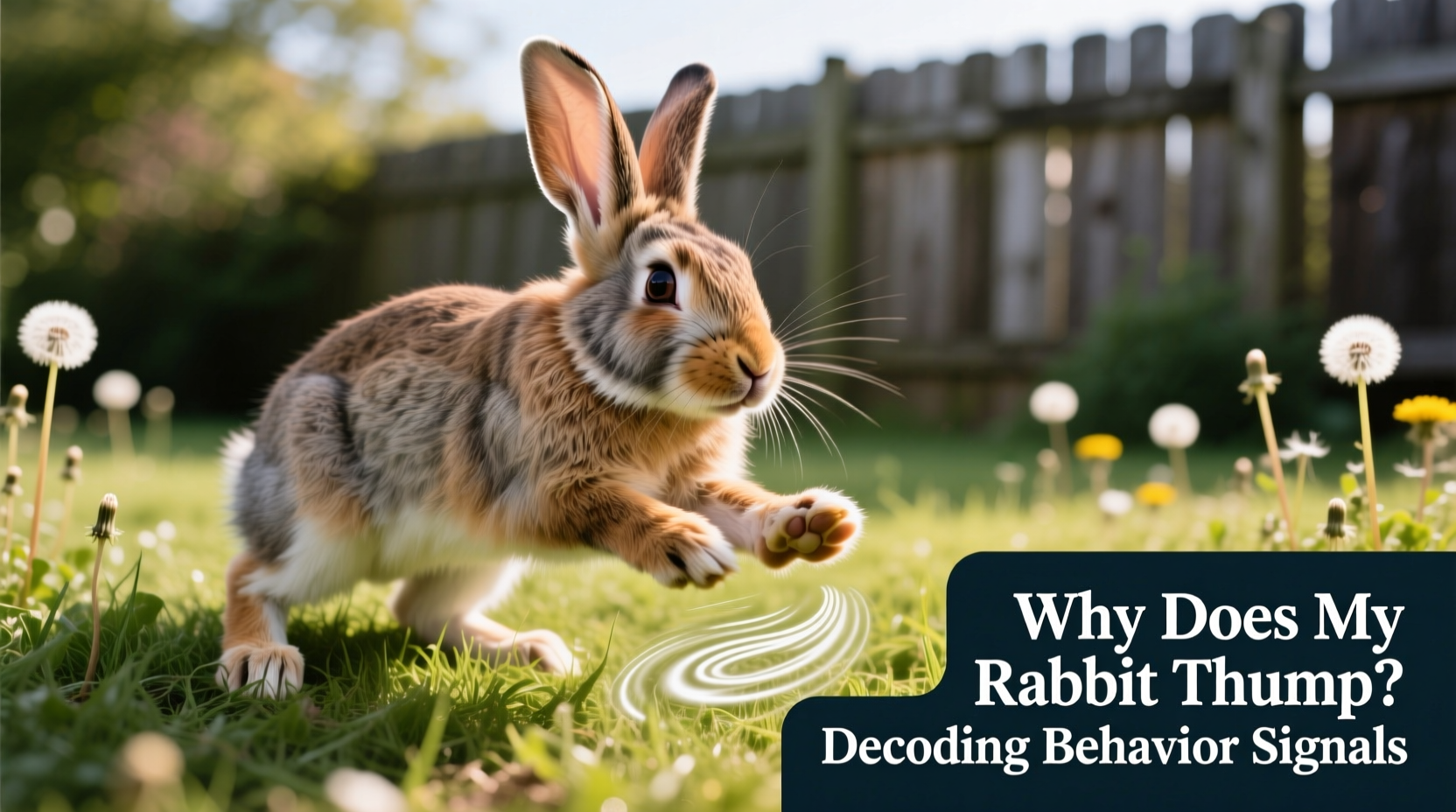
In the wild, rabbits are prey animals constantly exposed to threats from predators such as foxes, hawks, and snakes. Survival depends on vigilance and rapid communication. When a wild rabbit senses danger, it will thump its powerful hind legs on the ground to send vibrations through the soil. This signal alerts nearby rabbits—especially those in the same warren—to freeze, hide, or flee. The thump acts as an alarm system, giving the entire group a split-second advantage.
Domesticated rabbits retain this instinct, even when they’ve never encountered a predator. The behavior is hardwired into their nervous system. What might seem like an overreaction to a passing shadow or a loud noise is actually your rabbit fulfilling an ancient survival protocol. Recognizing this helps owners avoid dismissing the behavior as mere annoyance. Instead, it should be seen as a meaningful message: your rabbit is telling you something important.
“Thumping isn’t just noise—it’s a sophisticated warning system evolved over thousands of years. Even indoor rabbits use it because their instincts haven’t been domesticated away.” — Dr. Lila Hartman, Ethologist & Small Mammal Behavior Specialist
Common Triggers Behind Foot Thumping
While fear is the most frequent cause of thumping, it’s not the only one. Rabbits also thump in response to frustration, territoriality, discomfort, or even excitement. Identifying the trigger requires careful observation of context and accompanying behaviors. Below are the most common reasons behind the thump:
- Fear or perceived threat: Sudden noises (vacuum cleaners, thunder), unfamiliar people, or fast movements can startle a rabbit.
- Pain or illness: A rabbit in discomfort may thump to express distress, especially if touched in a sore area.
- Protecting territory: Unfamiliar animals, new furniture, or changes in cage layout can provoke defensive thumping.
- Disapproval or frustration: If denied access to a favorite spot or ignored during feeding time, some rabbits protest with a thump.
- Warning other pets: In multi-pet homes, rabbits may thump to tell cats or dogs to back off.
- Excitement: Less commonly, a rabbit might thump during energetic play or when anticipating treats.
Interpreting Body Language Alongside the Thump
A single thump lacks full context without observing the rest of the rabbit’s body language. Combining the thump with ear position, eye dilation, nose twitching, and overall posture provides a complete picture of your rabbit’s emotional state.
| Body Signal | Meaning | Accompanying Thump? |
|---|---|---|
| Ears pinned back, crouched low | Fear or submission | Yes – likely alarmed |
| Eyes wide, nostrils flared | Heightened alertness | Yes – assessing danger |
| Teeth grinding (bruxism) | Pain or contentment (context matters) | Possible – if pained, thump may follow |
| Binky (jumping and twisting mid-air) | Excitement or joy | Rare – but possible during high arousal |
| Nose nudging or circling | Demanding attention or food | Sometimes – if ignored, may escalate to thumping |
For example, a rabbit thumping while crouched under a table with ears flat against its back is clearly frightened. In contrast, a rabbit standing upright, thumping once, then hopping toward its food bowl is likely expressing impatience. Learning these nuances transforms thumping from a mystery into a reliable form of two-way communication.
When Thumping Signals Health Concerns
While most thumping is behavioral, persistent or unexplained thumping can indicate underlying health issues. Painful conditions such as arthritis, dental disease, or gastrointestinal stasis may cause a rabbit to thump when moved or touched. Similarly, neurological problems can lead to involuntary muscle contractions that resemble thumping.
Watch for red flags such as:
- Thumping without an obvious environmental trigger
- Thumping accompanied by lethargy, loss of appetite, or labored breathing
- Thumping when handled, especially around the spine or hips
- Increased frequency or intensity over time
If any of these signs appear, a veterinary consultation is essential. A qualified exotic veterinarian can perform a physical exam, check for pain points, and recommend diagnostic tests if needed. Early intervention can prevent minor discomfort from becoming a serious condition.
Mini Case Study: Luna the Indoor Rabbit
Luna, a three-year-old Holland Lop, lived in a quiet apartment with her owner, Mark. For months, she thumped every evening around 7 PM. Mark assumed it was due to the neighbor’s dog barking, but he noticed the thumping continued even on days when no barking occurred.
After tracking the behavior for a week, Mark realized the thumping coincided with the building’s heating system kicking on—accompanied by a low rumbling noise in the walls. Luna had previously lived in a house with radiant heat and had never heard such a sound. The vibration triggered her innate alarm response.
Mark placed a soft music playlist on a smart speaker during those hours and added extra bedding for insulation. Within days, the thumping decreased significantly. By identifying the root cause and modifying the environment, Mark helped Luna feel secure without suppressing her natural communication.
How to Respond to Your Rabbit’s Thump
Your reaction to a thump influences how your rabbit perceives safety and trust. Reacting with panic or yelling can amplify anxiety. Conversely, ignoring repeated thumping may erode your bond. The key is calm, informed responsiveness.
- Pause and assess: Stop moving, lower your voice, and scan the environment for potential stressors.
- Approach slowly: Crouch to ground level and speak softly. Avoid direct eye contact, which rabbits interpret as threatening.
- Offer reassurance: Gently stroke the forehead or side if your rabbit allows it. Do not force interaction.
- Remove the trigger if possible: Turn off loud appliances, close curtains to block sudden movements outside, or separate from other pets.
- Observe recovery: Once the rabbit resumes normal activity (nose twitching, grooming), the threat has passed.
Checklist: Creating a Thump-Safe Environment
Minimize unnecessary thumping by designing a habitat that supports emotional well-being:
- ✅ Provide hiding spaces (tunnels, cardboard boxes) where your rabbit can retreat
- ✅ Use rugs or mats to dampen floor vibrations from footsteps or appliances
- ✅ Maintain consistent daily routines for feeding and cleaning
- ✅ Limit exposure to loud noises; consider white noise machines in noisy areas
- ✅ Introduce new people or pets gradually, with supervision
- ✅ Ensure proper lighting—avoid sudden bright lights at night
- ✅ Keep the enclosure away from high-traffic zones or slamming doors
Frequently Asked Questions
Is foot thumping always a sign of fear?
No, while fear is the most common cause, rabbits also thump out of frustration, territorial defense, or even excitement. Context and body language determine the meaning.
How many times do rabbits typically thump?
It varies. A single, sharp thump often serves as an initial alert. Repeated thumping suggests escalating concern or ongoing discomfort. Continuous thumping without resolution may require environmental or medical evaluation.
Can I train my rabbit not to thump?
You shouldn’t try to eliminate thumping altogether—it’s a vital form of expression. However, you can reduce unnecessary thumping by minimizing stressors and building a secure, predictable environment.
Conclusion: Listening Beyond the Sound
Understanding why your rabbit thumps its foot is about more than decoding a single action—it’s about learning to listen to a silent language. Each thump is a sentence in your rabbit’s story, conveying emotion, instinct, and need. By paying attention not just to the sound but to the circumstances surrounding it, you deepen your connection and become a more attuned caregiver.
Rabbits don’t shout, but they do communicate with intention. When you respond with patience and insight, you don’t just reduce thumping—you build trust. Start today by observing one thumping episode closely. Note the time, the environment, and your rabbit’s posture. Over time, you’ll recognize patterns that transform confusion into clarity.
💬 Have a thumping story or question? Share your experience in the comments and help fellow rabbit owners decode their pets’ unique voices.








