For many parrot owners, the day begins not with an alarm clock—but with a piercing shriek from their feathered companion. While parrots are naturally vocal birds, excessive morning screaming can disrupt household peace and strain human-bird relationships. Understanding the root causes behind this behavior is the first step toward fostering a calmer, more harmonious start to the day. This article explores the biological, social, and environmental reasons for morning vocalizations in parrots and provides actionable, humane methods to guide them toward quieter greetings.
The Natural Rhythm of Parrot Vocalization
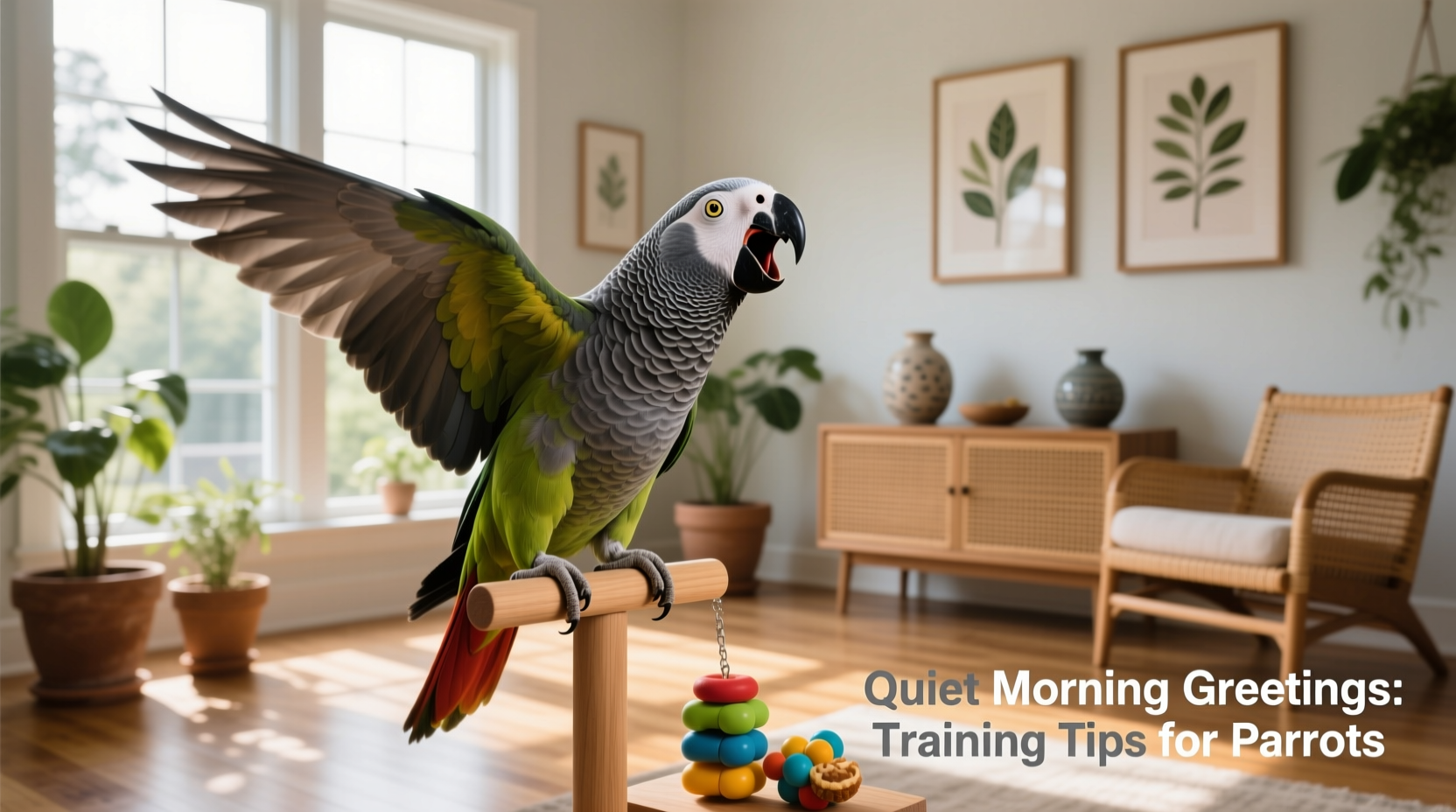
Parrots are diurnal creatures, meaning they are active during daylight hours. In the wild, flocks begin calling at dawn as part of a daily ritual known as the “dawn chorus.” These early-morning calls serve several purposes: reestablishing flock bonds, announcing presence to neighboring groups, and signaling safety after a night of vulnerability. When your parrot screams at sunrise, it’s often simply following instinct—attempting to locate its “flock,” which includes you and other family members.
In captivity, this natural behavior becomes amplified when parrots feel isolated or uncertain about their environment. A single call that would be answered by multiple flock members in the wild may go unanswered in a quiet home, prompting the bird to escalate volume and frequency until it receives a response—often unintentionally reinforced by human attention.
Tip: Don’t immediately respond to loud morning screams. Wait for a moment of calm before acknowledging your parrot.Common Triggers Behind Excessive Morning Screaming
While instinct plays a key role, several factors can intensify or prolong morning vocalizations:
- Separation anxiety: Parrots form strong emotional attachments. If left alone in a room overnight, waking up without immediate contact can trigger distress calls.
- Lack of routine: Birds thrive on predictability. Irregular feeding, interaction, or lighting schedules increase uncertainty and vocal protests.
- Environmental stressors: Noises, sudden light changes, or perceived threats (like shadows or movement outside) can provoke alarm calls.
- Attention-seeking behavior: If screaming has previously resulted in attention—even negative—it becomes a learned strategy to initiate interaction.
- Boredom or under-stimulation: A lack of toys, foraging opportunities, or mental engagement leads to frustration expressed through vocalization.
It's important to distinguish between normal flock-contact calling and problematic screaming. Brief, soft chirps or whistles upon waking are typical. Prolonged, high-pitched shrieks lasting more than 5–10 minutes, especially if repeated throughout the early hours, indicate a need for behavioral intervention.
How to Encourage Quieter Morning Greetings: A Step-by-Step Approach
Reducing excessive morning noise requires consistency, patience, and a shift in how we interact with our birds. The goal isn't silence—it's respectful communication. Follow this timeline to gradually reshape your parrot’s morning behavior.
- Establish a consistent sleep schedule (Days 1–7): Ensure your parrot gets 10–12 hours of uninterrupted sleep. Use a cage cover or move the bird to a quiet room at the same time each night. Darkness signals rest; premature exposure to light triggers early vocalization.
- Adjust light exposure (Days 8–14): Gradually delay morning light using blackout curtains or timers. Introduce soft, indirect light 30–60 minutes before you want interaction to begin. This mimics natural sunrise and reduces shock-induced screaming.
- Reinforce calm behavior (Ongoing): When your parrot wakes quietly or makes soft sounds, respond immediately with gentle verbal praise or a small treat. Never reward screaming with attention, eye contact, or physical interaction.
- Introduce pre-dawn enrichment (Days 15–21): Place foraging toys or puzzle feeders in the cage the night before. Birds engaged in quiet activity upon waking are less likely to scream out of boredom.
- Practice structured greetings (Day 22 onward): Develop a short morning routine: enter the room calmly, say a soft phrase like “Good morning, sweet bird,” and offer a nutritious breakfast. Predictable positive interactions replace the need for loud demands.
“Parrots don’t scream to annoy us—they scream because they’ve learned it works. Changing the outcome changes the behavior.” — Dr. Irene Pepperberg, Avian Cognition Researcher
Effective Training Techniques and Environmental Adjustments
Behavioral change hinges on two pillars: reinforcement of desired behaviors and modification of the environment to reduce triggers. Below are proven techniques used by avian behaviorists.
Positive Reinforcement Training
Teach your parrot an alternative greeting behavior, such as whistling softly or stepping onto your hand quietly. Use clicker training or verbal markers (“good!”) followed by a preferred treat when the bird performs the desired action during calm moments.
Start practicing during the day when the bird is relaxed. Once the behavior is reliable, begin reinforcing it during early morning hours. Over time, your parrot will associate quiet interaction with rewards—and loud screaming with no outcome.
Environmental Modifications
Small changes in setup can significantly reduce stress-related vocalizations:
- Position the cage away from windows where outdoor animals (squirrels, birds) may trigger territorial calls.
- Use white noise machines or soft music to buffer sudden external sounds.
- Provide a sense of security with partial cage covers that allow airflow but reduce visual stimulation.
Do’s and Don’ts of Managing Morning Vocalizations
| Do | Don’t |
|---|---|
| Maintain a consistent sleep-wake cycle | Allow irregular bedtime routines |
| Respond to quiet vocalizations immediately | Yell back or punish screaming |
| Use foraging toys to occupy early mornings | Leave the bird in complete isolation overnight |
| Gradually adjust light levels at dawn | Turn on bright lights suddenly |
| Teach an alternative greeting behavior | Give attention during active screaming |
A Real-Life Example: Reducing Max’s Morning Screams
Max, a 5-year-old African grey owned by Sarah in Portland, began screaming daily at 5:30 a.m., waking her young children and disrupting the household. Initially, Sarah tried covering the cage longer, but Max screamed louder when uncovered. She then consulted an avian behaviorist who recommended a three-phase plan.
First, she moved Max’s cage to a quieter spare bedroom with blackout curtains and established a strict 7 p.m. bedtime. Second, she introduced a foraging toy filled with walnuts every evening. Third, she trained Max to whistle a short tune by rewarding soft sounds during daytime sessions.
Within three weeks, Max began waking quietly, engaging with his toy instead of screaming. By week five, he consistently whistled upon seeing Sarah, who responded with praise and breakfast. Today, their mornings are calm, and Max’s confidence has visibly improved.
“The transformation wasn’t just about noise reduction—it was about building trust. Max now feels secure, not frantic.” — Sarah, parrot guardian
Essential Checklist for Quieter Mornings
Use this checklist weekly to ensure all elements of a calming morning routine are in place:
- ☑ Parrot receives 10–12 hours of dark, quiet sleep
- ☑ Cage is in a low-traffic, low-stimulus area at night
- ☑ Light increases gradually in the morning (natural or timer-controlled)
- ☑ Foraging toy or food puzzle is placed in cage each evening
- ☑ Quiet vocalizations are consistently rewarded with attention or treats
- ☑ Screaming is ignored (no eye contact, speech, or movement)
- ☑ Structured greeting routine is followed daily
- ☑ Toys and perches are rotated weekly to prevent boredom
Frequently Asked Questions
Is it normal for my parrot to scream every morning?
Some vocalization at dawn is natural due to instinctual flock-calling behavior. However, persistent, intense screaming lasting more than 10 minutes is not typical and usually indicates unmet needs such as attention, security, or stimulation. With proper training and environmental adjustments, excessive screaming can be reduced.
Can I train an older parrot to stop screaming?
Yes. While younger birds may learn faster, adult parrots are fully capable of changing behavior with consistent, positive reinforcement. It may take longer, especially if the screaming has been reinforced for years, but progress is achievable with patience and structure.
Should I let my parrot sleep in my bedroom?
This depends on your sleep needs and the bird’s behavior. Some parrots feel more secure sleeping near their humans, which can reduce separation anxiety. However, if your movements or sounds disturb the bird, or if the parrot wakes early and disturbs you, a separate quiet room may be better. Monitor both your rest and the bird’s comfort to decide.
Conclusion: Building Peaceful Mornings Together
Your parrot’s morning scream isn’t defiance—it’s communication. By understanding the instincts and needs driving the noise, you can transform chaotic dawns into moments of connection. Success doesn’t come from silencing your bird, but from teaching it a better way to say, “I’m here, and I see you.”
With consistent routines, environmental support, and positive reinforcement, even the loudest parrots can learn to greet the day with soft chirps instead of shrieks. The journey requires time and empathy, but the reward—a calmer home and a more confident bird—is well worth the effort.
💬 Have a tip for quieter mornings with your parrot? Share your experience in the comments below and help fellow bird guardians build more peaceful homes.








