Feather plucking in parakeets is one of the most common behavioral issues faced by bird owners, yet it remains widely misunderstood. When a parakeet begins pulling out its own feathers—sometimes to the point of drawing blood—it’s not just alarming; it’s a clear signal that something is wrong. While medical causes must be ruled out first, many cases stem from psychological stress or an unsuitable environment. Addressing these underlying factors can lead to dramatic improvements in your bird’s health and happiness. Understanding the root causes and implementing thoughtful environmental changes are essential steps toward helping your parakeet thrive.
Understanding Feather Plucking: More Than Just a Habit
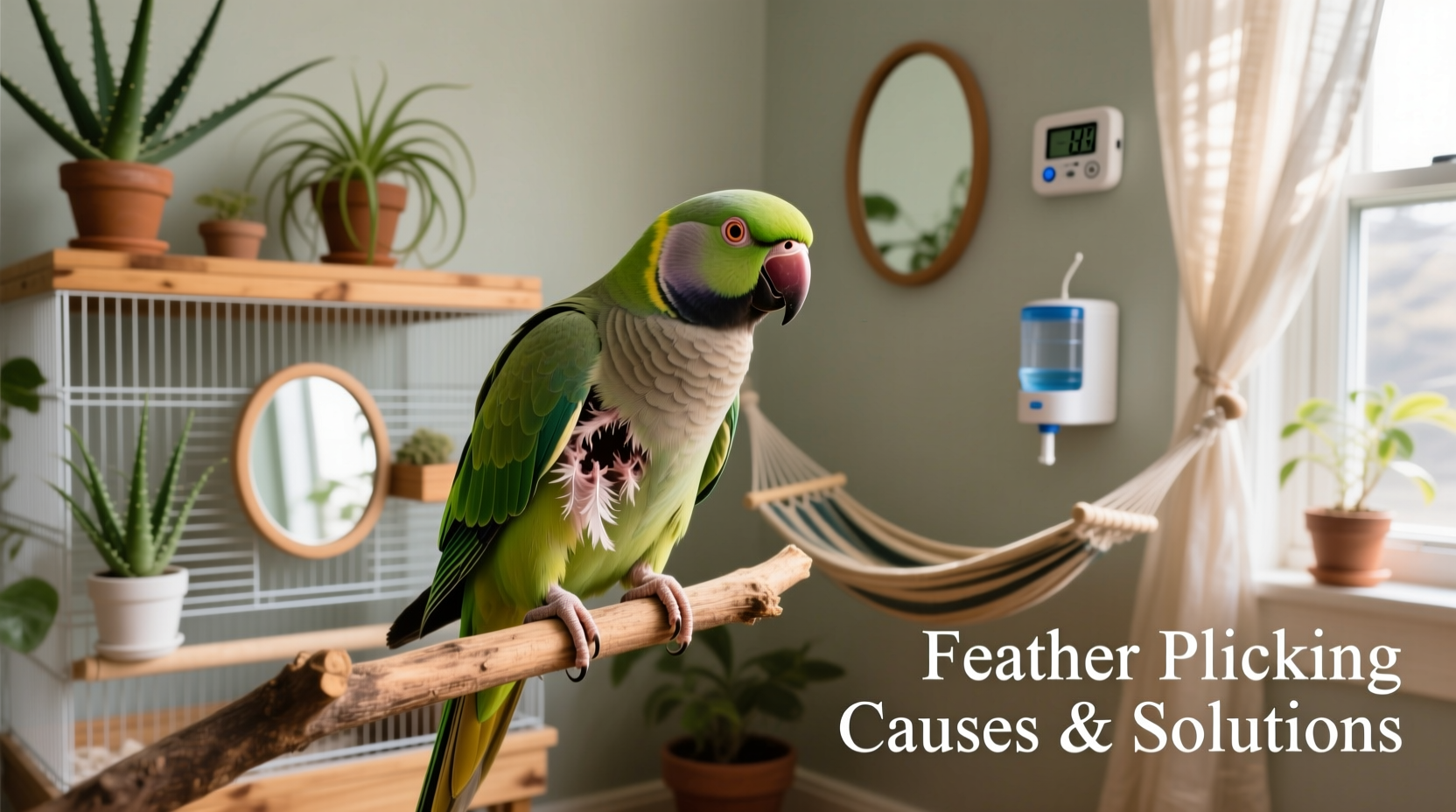
Feather plucking, also known as feather picking or self-mutilation, occurs when a bird repeatedly pulls, bites, or removes its own feathers. It’s important to distinguish this from normal preening or molting. During molting, birds naturally shed old feathers and grow new ones, which may leave them looking slightly patchy—but they don’t obsessively pull or chew at their skin. Plucking, on the other hand, is compulsive and often leads to bald spots, irritated skin, and even infections.
This behavior is rarely random. In fact, studies suggest that up to 80% of feather-plucking cases in companion birds have a psychological or environmental trigger rather than a purely physical cause. Parakeets are intelligent, social creatures with complex emotional needs. When those needs aren’t met, they can develop maladaptive behaviors like plucking as a coping mechanism.
“Feather plucking is often the tip of the iceberg. What you see is the symptom, but the real issue lies beneath—usually in the bird’s daily experience.” — Dr. Laura Jenkins, Avian Behavior Specialist
Common Causes of Feather Plucking in Parakeets
Before making environmental adjustments, it’s crucial to identify what might be driving the behavior. The causes fall into two broad categories: medical and non-medical.
Medical Causes
- Skin infections: Bacterial or fungal infections can cause intense itching, prompting a bird to scratch or bite at affected areas.
- Parasites: Mites or lice can irritate the skin and lead to over-grooming.
- Nutritional deficiencies: Lack of essential vitamins (especially vitamin A) or imbalanced diets high in seeds can weaken feather follicles and skin.
- Hormonal imbalances: Reproductive hormones during breeding season can trigger obsessive behaviors.
- Pain or discomfort: Internal illness or injury may manifest as feather plucking if the bird focuses attention on a specific area.
Always consult an avian veterinarian before assuming the cause is behavioral. Blood tests, skin scrapings, and dietary evaluations are necessary to rule out physical conditions.
Environmental and Psychological Triggers
Once medical issues are excluded, focus shifts to the bird’s surroundings and mental state. Key contributors include:
- Lack of mental stimulation
- Inadequate social interaction
- Poor lighting or inconsistent day-night cycles
- Exposure to toxins (e.g., Teflon fumes, aerosols)
- Cage placement in high-stress areas (near loud appliances or foot traffic)
- Over-bonding with a single person, leading to separation anxiety
- Monotonous diet lacking variety
Key Environmental Changes That Help Stop Feather Plucking
Parakeets evolved in dynamic, stimulating environments. Captivity often fails to replicate the complexity of their natural world. Fortunately, targeted environmental modifications can significantly reduce or eliminate plucking behavior.
1. Optimize Cage Placement and Size
The location of your parakeet’s cage plays a major role in its sense of safety. Avoid placing cages near kitchens (due to fumes), drafty windows, or high-noise zones like TVs or washing machines. Ideal spots are quiet corners with moderate foot traffic—enough to feel included, but not overwhelmed.
Cage size matters too. A minimum of 18” x 18” x 24” is recommended for a single parakeet, but larger is better. Horizontal space allows for flight between perches, which supports both physical and mental health.
2. Provide Daily Out-of-Cage Time
Confinement is a major stressor. Parakeets need at least 2–3 hours of supervised out-of-cage time daily. Use this time for exploration, exercise, and social bonding. Set up a bird-safe room with perches, toys, and climbing opportunities.
3. Enrich the Environment with Toys and Foraging
Boredom is a primary driver of plucking. Rotate toys weekly to maintain novelty. Include:
- Shreddable toys (paper, wood, cardboard)
- Puzzle feeders
- Swings and ladders
- Mirrors (use cautiously—some birds become overly fixated)
Foraging is especially powerful. Hide food in paper bags, cardboard tubes, or puzzle boxes. This mimics natural feeding behaviors and keeps the bird mentally engaged for hours.
4. Establish a Consistent Light-Dark Cycle
Parakeets require 10–12 hours of uninterrupted sleep each night. Disrupted sleep patterns due to late-night lights or noise can elevate stress hormones. Use a cage cover or place the cage in a quiet room at bedtime. Natural daylight exposure during the day helps regulate circadian rhythms and reduces hormonal fluctuations.
5. Improve Diet and Nutrition
A seed-only diet is a common culprit in poor feather health. Seeds are high in fat and low in essential nutrients. Transition gradually to a balanced diet consisting of:
- 60–70% high-quality pelleted food
- 20–30% fresh vegetables (kale, carrots, bell peppers)
- 10% fruit and occasional treats
Fresh water should be available daily, and food dishes cleaned regularly to prevent bacterial growth.
| Environmental Factor | Recommended Change | Expected Benefit |
|---|---|---|
| Cage Location | Quiet area with family presence | Reduces anxiety, promotes security |
| Daily Light Exposure | 10–12 hours natural or full-spectrum light | Supports hormone balance and sleep |
| Mental Stimulation | Daily toy rotation and foraging | Decreases boredom-related plucking |
| Social Interaction | 2+ hours of interaction or supervised freedom | Meets social needs, prevents loneliness |
| Diet Composition | Shift from seeds to pellets + fresh foods | Improves feather regrowth and skin health |
Step-by-Step Guide to Reducing Feather Plucking
Reversing plucking behavior takes time and consistency. Follow this timeline to create lasting change:
- Week 1: Veterinary Check-Up
Visit an avian vet to rule out infections, parasites, or nutritional deficiencies. Request a full panel if possible. - Week 2: Audit the Environment
Evaluate cage placement, lighting, noise levels, and social interaction. Make immediate adjustments to unsafe or stressful conditions. - Week 3: Introduce Enrichment
Add 2–3 new toys and begin foraging exercises. Start offering fresh vegetables daily. - Week 4: Establish Routine
Set consistent wake-up, feeding, play, and bedtime schedules. Predictability reduces anxiety. - Week 5–8: Monitor and Adjust
Track plucking frequency and note any triggers. Replace ineffective toys, adjust diet, and increase interaction as needed. - Ongoing: Prevent Relapse
Continue rotating activities, maintaining social contact, and providing mental challenges. Celebrate small improvements.
Real-Life Example: Milo the Parakeet’s Recovery
Milo, a 3-year-old male parakeet, began plucking feathers around his chest and neck after his owner started working longer hours. Initially, the owner assumed it was a skin issue and tried medicated sprays with no success. After a vet visit ruled out infection, the focus shifted to environment.
The owner discovered that Milo’s cage was in a dark hallway, isolated from household activity. He had no out-of-cage time and only two old plastic toys. The diet consisted almost entirely of millet spray.
Changes were made: the cage was moved to the living room, a daily 30-minute foraging game was introduced, and Milo began spending one hour each evening on a playstand near his owner. Pellets replaced 50% of seeds, and leafy greens were added.
Within six weeks, plucking decreased significantly. By week ten, new pin feathers appeared, and Milo resumed normal preening. His owner noted he was more vocal and playful—a sign of improved well-being.
Essential Checklist for a Pluck-Free Parakeet
Use this checklist to evaluate and improve your parakeet’s environment:
- ✅ Scheduled annual check-ups with an avian vet
- ✅ Cage placed in a safe, social area of the home
- ✅ Minimum 2 hours of out-of-cage time daily
- ✅ At least 3 different types of toys (shreddable, chewable, foraging)
- ✅ Toy rotation every 7–10 days
- ✅ 10–12 hours of quiet, dark sleep each night
- ✅ Balanced diet: pellets, vegetables, limited seeds
- ✅ Daily interaction through talking, training, or gentle handling
- ✅ No exposure to smoke, aerosols, or non-stick cookware fumes
- ✅ Regular observation for early signs of stress or illness
Frequently Asked Questions
Can feather plucking be reversed?
Yes, in many cases. Once the underlying cause is addressed—whether environmental, dietary, or medical—feathers often regrow within several weeks to months. However, chronic plucking can damage follicles permanently, so early intervention is critical.
Will cutting my parakeet’s wings stop plucking?
No. Wing clipping does not address the root cause and may increase stress by limiting mobility. If anything, providing safe flight opportunities can reduce anxiety and improve mental health.
Is it normal for parakeets to lose a few feathers?
Yes. Normal molting involves gradual feather loss and regrowth, typically twice a year. You may find feathers on the cage floor. The key difference is that molting birds remain active, eat normally, and do not target specific areas obsessively.
Conclusion: A Healthier Environment Leads to a Happier Bird
Feather plucking is not a behavior to ignore or dismiss as quirky. It’s a distress signal from a sensitive creature struggling to adapt to life in captivity. With patience, observation, and intentional changes to diet, routine, and surroundings, most parakeets can recover and live pluck-free lives. The journey requires commitment, but the reward—a vibrant, curious, and confident bird—is immeasurable.
💬 Have you helped your parakeet overcome feather plucking? Share your story or tips in the comments—your experience could support another bird owner facing the same challenge.








