Jaw pain is more than just an occasional discomfort—it can interfere with eating, speaking, and even sleeping. While many people dismiss it as temporary strain or stress, persistent jaw pain may signal underlying conditions that require attention. Understanding the root causes and knowing which treatments are effective can make a significant difference in recovery time and long-term oral health.
The jaw is a complex joint system involving muscles, ligaments, nerves, and bones—all working together during everyday functions like chewing, talking, and swallowing. When one component becomes irritated, inflamed, or injured, the entire system can be affected. This article breaks down the most frequent reasons behind jaw pain, outlines practical treatment strategies, and helps you determine when professional care is necessary.
Common Causes of Jaw Pain
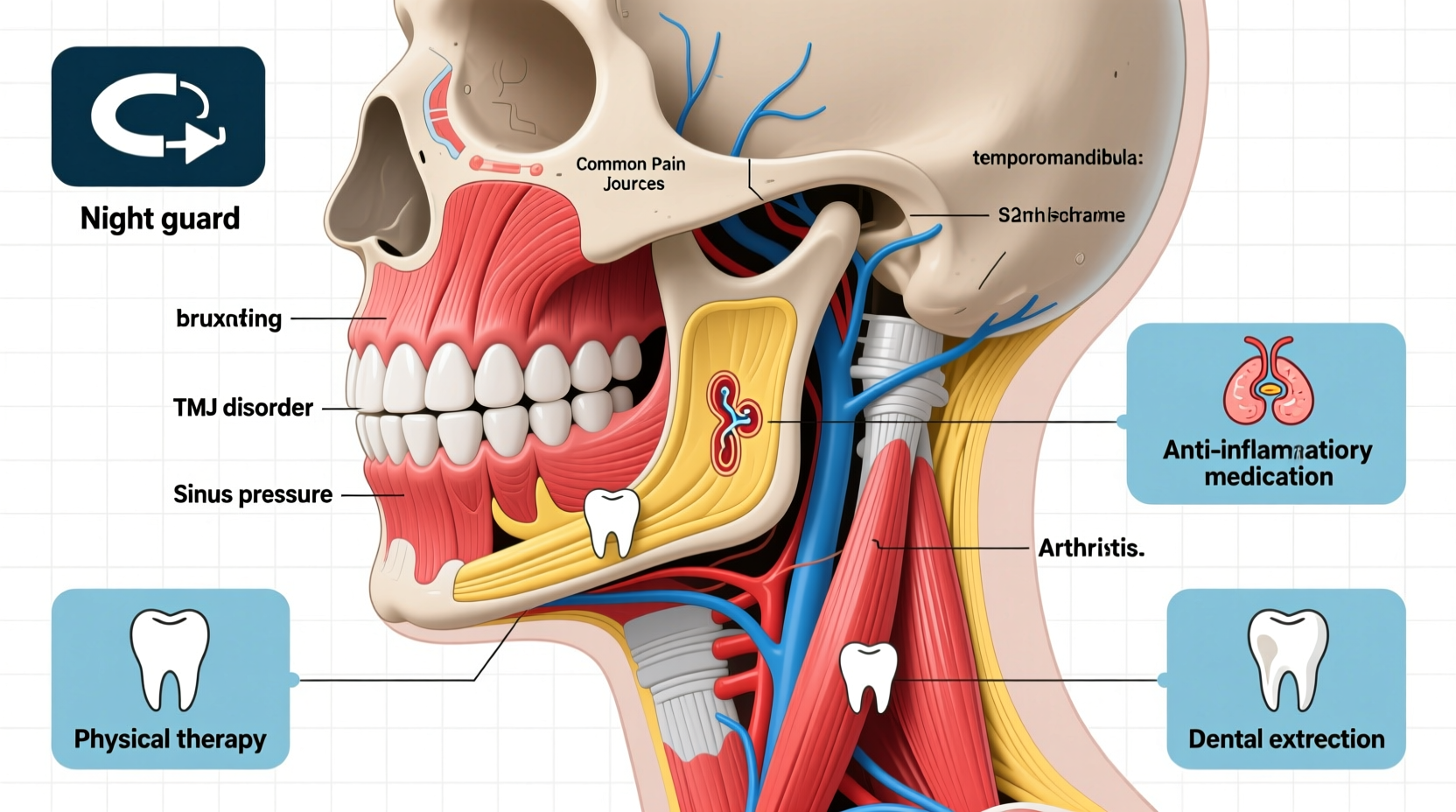
Jaw pain rarely has a single cause. It often stems from mechanical issues, inflammation, nerve involvement, or systemic conditions. Identifying the source begins with recognizing patterns—such as when the pain occurs, how long it lasts, and whether other symptoms accompany it.
- Temporomandibular Joint Disorder (TMD): The temporomandibular joint connects your jawbone to your skull. Dysfunction here—often due to misalignment, injury, or muscle tension—can lead to clicking, popping, locking, or chronic pain.
- Tooth Grinding (Bruxism): Many people grind their teeth at night without realizing it. This places excessive pressure on the jaw muscles and joints, leading to soreness, headaches, and tooth wear.
- Dental Issues: Abscesses, impacted wisdom teeth, gum disease, or untreated cavities can radiate pain into the jaw. Infections near the roots of molars are especially likely to trigger deep, throbbing discomfort.
- Arthritis: Osteoarthritis or rheumatoid arthritis can affect the TMJ, causing stiffness, swelling, and reduced range of motion over time.
- Trigeminal Neuralgia: A rare but severe condition affecting the trigeminal nerve, responsible for facial sensation. Even light touch can trigger sharp, electric-like pain in the jaw area.
- Sinus Infections: Pressure from congested sinuses, particularly the maxillary sinuses located above the upper jaw, can mimic tooth or jaw pain.
- Referred Pain: Heart attacks, especially in women, can present with jaw pain—typically on the left side—alongside shortness of breath, nausea, or arm discomfort.
Treatment Options Based on Cause
Effective treatment depends entirely on diagnosis. Self-treating without understanding the origin can delay healing or worsen symptoms. Below is a guide matching common causes with evidence-based interventions.
| Condition | Treatment Options | Expected Timeline |
|---|---|---|
| TMD / TMJ Disorder | Warm compresses, soft diet, NSAIDs, mouth guard, physical therapy | Days to weeks; chronic cases may need months |
| Bruxism | Night guard, stress management, behavioral therapy, dental correction | Ongoing prevention required |
| Dental Infection | Antibiotics, root canal, extraction, drainage if abscessed | Improvement within 48–72 hours of treatment |
| Arthritis in TMJ | Anti-inflammatory meds, corticosteroid injections, splints, surgery in advanced cases | Chronic management needed |
| Sinusitis | Decongestants, nasal sprays, antibiotics (if bacterial), hydration | 5–7 days with treatment |
“Up to 15% of adults experience symptomatic TMD at some point. Most cases respond well to conservative measures like rest and jaw stabilization.” — Dr. Linda Chen, Orofacial Pain Specialist
Step-by-Step Guide to Managing Mild Jaw Pain at Home
If your jaw pain is mild and not accompanied by red-flag symptoms (like chest pain or difficulty opening the mouth), try this structured approach before seeking emergency care:
- Rest the Jaw: Avoid hard, chewy foods. Stick to soups, smoothies, and soft grains for 2–3 days.
- Apply Heat or Ice: Use a warm towel for muscle tension (15 minutes every hour). For acute swelling, ice packs help reduce inflammation.
- Use Over-the-Counter Pain Relief: Ibuprofen or naproxen can reduce both pain and inflammation. Acetaminophen works for pain but not swelling.
- Practice Gentle Stretching: Open your mouth slowly until you feel slight tension, hold for 5 seconds, then close. Repeat 5 times, twice daily.
- Reduce Stress-Related Clenching: Practice mindfulness, jaw relaxation exercises, or consider biofeedback techniques.
- Monitor Symptoms: Keep a log of pain intensity, triggers, and duration. This aids diagnosis if medical evaluation becomes necessary.
When to See a Doctor or Dentist
Not all jaw pain resolves on its own. Certain signs indicate the need for prompt professional assessment:
- Inability to open or close the mouth fully
- Pain that persists beyond 1–2 weeks despite home care
- Swelling in the face or jawline
- Fever accompanying jaw discomfort
- Sudden onset of jaw pain with chest tightness, dizziness, or shortness of breath (possible cardiac issue)
- Numbness or tingling in the jaw, face, or arms
Dentists can evaluate occlusion (bite alignment), check for bruxism, and provide custom night guards. Oral surgeons or ENT specialists may be needed for structural joint problems. In cases of suspected heart-related pain, immediate medical evaluation is essential.
Mini Case Study: Sarah’s Experience with Undiagnosed Bruxism
Sarah, a 34-year-old teacher, began experiencing morning jaw soreness and frequent headaches. Initially attributing it to stress, she tried stretching and OTC painkillers with limited success. After three months of worsening symptoms, she visited her dentist, who noticed significant enamel wear and muscle tenderness. A sleep study confirmed nocturnal bruxism. With a custom-fitted night guard and cognitive behavioral therapy for stress reduction, her jaw pain decreased within six weeks. Early intervention prevented further joint damage.
Prevention Checklist
Reducing the risk of recurrent jaw pain involves consistent habits. Follow this checklist to protect your jaw health:
- ✅ Use a night guard if you grind your teeth
- ✅ Avoid chewing gum or biting nails and pens
- ✅ Maintain good posture to reduce neck and jaw strain
- ✅ Stay hydrated to support joint lubrication
- ✅ Manage stress through yoga, meditation, or counseling
- ✅ Visit your dentist every six months for screening
Frequently Asked Questions
Can anxiety cause jaw pain?
Yes. Anxiety often leads to unconscious clenching or grinding of the teeth, especially during sleep. This increases muscle tension around the jaw and can trigger or worsen TMD symptoms. Managing stress through therapy or relaxation techniques can significantly reduce related jaw discomfort.
Is jaw pain ever a sign of heart attack?
Yes, particularly in women, jaw pain—especially on the left side—can be a silent symptom of a heart attack. It may occur without chest pain and be accompanied by nausea, sweating, fatigue, or shortness of breath. If there's any suspicion of cardiac origin, seek emergency medical help immediately.
How long does TMD usually last?
Acute TMD episodes often resolve within a few days to weeks with rest and conservative care. Chronic TMD may persist for months or longer and typically requires multidisciplinary treatment including dental appliances, physical therapy, or in rare cases, surgery.
Take Control of Your Jaw Health
Jaw pain should never be ignored—even if it seems minor. Whether stemming from dental issues, joint dysfunction, or systemic conditions, timely recognition and appropriate action can prevent long-term complications. Start with simple lifestyle adjustments, monitor your symptoms closely, and don’t hesitate to consult a healthcare provider when needed. Your jaw plays a vital role in daily function and overall well-being. Treat it with the care it deserves.
💬 Have you experienced jaw pain? What helped you find relief? Share your story in the comments to help others navigate their journey to comfort.








