
Hamsters are beloved pets for their compact size, curious nature, and endearing antics. One of the most common behaviors owners observe—often with surprise or concern—is their hamster running on the wheel late into the night. The rhythmic spinning and sudden bursts of energy can be puzzling, especially when they disrupt sleep. Understanding this behavior isn’t just about peace of mind—it’s essential to ensuring your hamster's physical and mental well-being.
Hamsters are naturally nocturnal, and their nighttime activity is not only normal but expected. However, the extent and intensity of wheel-running can vary significantly between individuals and species. Knowing what constitutes healthy exercise versus potential signs of stress or overexertion helps you provide better care and avoid common pitfalls in hamster husbandry.
The Nocturnal Nature of Hamsters
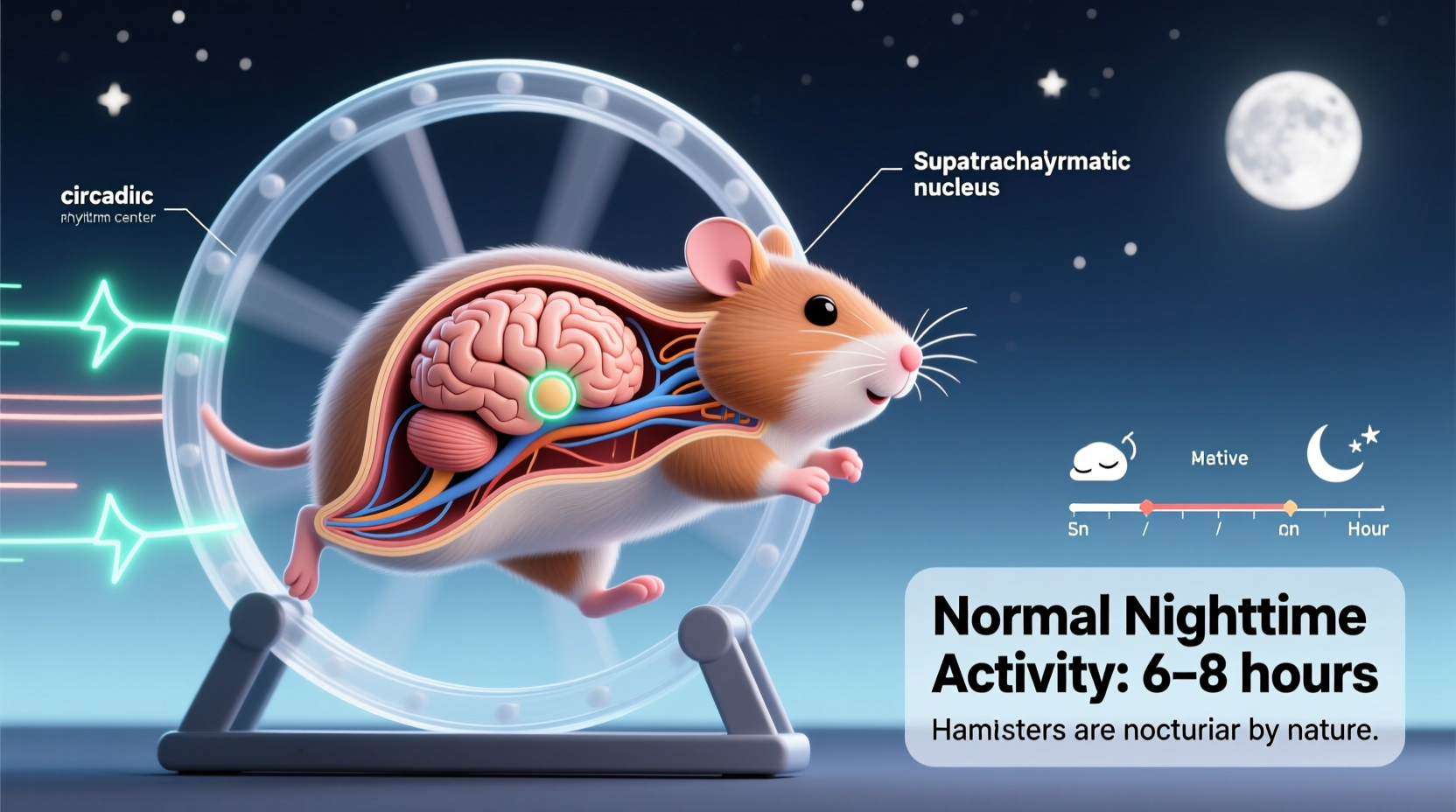
Most hamster species are crepuscular or nocturnal, meaning they are most active during twilight hours and throughout the night. This biological rhythm evolved as a survival mechanism in the wild, where daytime exposes them to predators such as birds of prey and larger mammals. By remaining hidden during daylight and becoming active after dark, hamsters reduce their risk of predation.
In captivity, this instinct remains unchanged. Even in safe, indoor environments, your hamster will typically wake up shortly after dusk and remain alert and energetic through the early morning hours. Wheel-running is one of the primary ways they express this natural drive to explore, forage, and burn energy.
It’s important not to interpret nighttime activity as a sign of distress. Instead, it reflects a well-adapted animal following its internal clock. Attempting to alter this rhythm—by waking your hamster during the day or placing the cage in a brightly lit room at night—can lead to stress and health issues.
Tip: Place your hamster’s cage in a quiet area away from heavy foot traffic and bright lights at night to support its natural sleep-wake cycle.Why Wheel-Running Is Essential for Hamsters
Running on a wheel isn’t just a pastime for hamsters—it’s a vital component of their physical and psychological health. In the wild, Syrian hamsters may travel up to five miles each night in search of food. Dwarf species cover slightly less ground but still engage in extensive nightly movement. Captive hamsters lack the space to roam freely, making an exercise wheel a crucial substitute.
Adequate exercise helps prevent obesity, supports cardiovascular function, and reduces the risk of diabetes—especially in dwarf breeds prone to metabolic disorders. Beyond physical benefits, wheel use plays a key role in mental stimulation. Without sufficient outlets for activity, hamsters can develop stereotypic behaviors such as bar-chewing, excessive digging, or pacing—signs of boredom or stress.
“Exercise wheels fulfill both the physical and psychological needs of captive hamsters. A hamster without access to proper enrichment is at risk of developing behavioral and medical problems.” — Dr. Laura Bennett, Exotic Animal Veterinarian
How Much Running Is Normal?
It’s not unusual for a healthy hamster to run between 5 and 8 miles per night. Some individuals have been recorded covering over 10 miles, particularly younger, more energetic animals. While these distances may seem excessive, they align closely with natural foraging patterns in the wild.
The frequency and duration of wheel sessions vary. A typical night might include multiple short bursts of intense running interspersed with brief pauses for grooming, eating, or exploring other parts of the enclosure. Continuous, non-stop running for several hours without breaks may indicate overstimulation or anxiety, especially if accompanied by other signs like weight loss or fur thinning.
Assessing Healthy vs. Excessive Activity
While high levels of activity are generally positive, there are situations where wheel-running may cross into problematic territory. Determining whether your hamster is exercising normally or exhibiting compulsive behavior requires observation of context, environment, and overall health.
Consider the following indicators of healthy activity:
- Regular sleep patterns during the day
- Maintained body weight and good coat condition
- Balanced engagement with other activities (nesting, foraging, chewing)
- Smooth, fluid running motion without limping or favoring limbs
In contrast, signs that may suggest overexertion or stress include:
- Running exclusively at the expense of eating, drinking, or resting
- Visible fatigue or labored breathing after short runs
- Open wounds on feet or tail from repeated friction
- Obsessive behavior—running immediately upon waking and refusing to stop
| Aspect | Healthy Activity | Potential Concern |
|---|---|---|
| Daily Distance | 5–8 miles | Consistently over 10 miles with no breaks |
| Resting Behavior | Sleeps soundly during day | Frequent waking, appears restless |
| Physical Condition | Good weight, shiny fur | Weight loss, matted coat, foot injuries |
| Behavioral Balance | Engages in nesting, foraging, grooming | Only runs; ignores food or toys |
Creating an Enriched Environment to Support Natural Behavior
Providing a properly sized, silent wheel is the foundation of good hamster care, but it should not be the only form of enrichment. A stimulating environment reduces the likelihood of obsessive wheel use by offering alternative outlets for exploration and play.
Consider the following enhancements to your hamster’s habitat:
- Tunnels and Hideouts: Use cardboard tubes, wooden houses, or commercially available tunnels to mimic underground burrow systems.
- Foraging Opportunities: Scatter food across the cage instead of using a bowl. This encourages natural searching behavior and slows down eating.
- Climbing Structures: Add safe, low-height platforms or ladders made from untreated wood.
- Chew Toys: Provide items made from safe wood or compressed hay to satisfy gnawing instincts and maintain dental health.
- Out-of-Cage Playtime: Supervised exploration in a secure area allows your hamster to experience new textures and spaces.
Choosing the Right Exercise Wheel
Not all wheels are created equal. Poorly designed wheels can cause injury or discourage use. Key features of a suitable wheel include:
- Size: Minimum 8 inches in diameter for Syrians; 6–7 inches for dwarfs. Larger is generally better.
- Surface: Solid, non-slip surface—avoid wire or mesh wheels that can injure feet.
- Noise Level: Opt for silent-spin models with ball bearings to minimize nighttime disturbance.
- Attachment: Securely mounted to prevent wobbling or tipping.
A poorly fitting wheel may lead to unnatural posture, spinal strain, or reluctance to exercise—both of which compromise long-term health.
Mini Case Study: Luna the Overactive Roborovski
Luna, a two-month-old female Roborovski hamster, was adopted by a first-time owner who quickly noticed her spending nearly every waking hour on her small plastic wheel. Concerned about exhaustion, the owner contacted a small animal vet. Upon inspection, Luna showed no signs of injury or malnutrition, but her cage lacked hiding spots, foraging materials, or alternative enrichment.
The veterinarian recommended upgrading to a larger, silent wheel and introducing daily foraging games using puzzle feeders and scattered seeds. Within a week, Luna’s wheel time decreased by nearly 40%, and she began spending more time exploring tunnels and interacting with new chew toys. Her overall behavior became more balanced, demonstrating that environmental enrichment—not restricting exercise—was the key to reducing obsessive running.
Step-by-Step Guide to Monitoring and Improving Your Hamster’s Activity
If you’re unsure whether your hamster’s wheel use is within a healthy range, follow this structured approach to assess and improve their routine:
- Observe for 3 Nights: Note start and end times of activity, frequency of breaks, and interaction with food and surroundings.
- Check Physical Health: Weigh your hamster weekly. Look for signs of foot injuries, dehydration, or poor coat quality.
- Evaluate Wheel Suitability: Confirm the wheel is appropriately sized and free of hazards.
- Add Enrichment: Introduce at least two new enrichment items (e.g., tunnel, foraging toy).
- Adjust Lighting: Ensure the room has a consistent light-dark cycle (12 hours each) to reinforce natural rhythms.
- Monitor Changes: After one week, reassess activity levels and overall behavior.
- Consult a Vet if Needed: If excessive running persists alongside weight loss or lethargy, seek professional evaluation.
Frequently Asked Questions
Is it normal for my hamster to run on the wheel all night?
Yes, it is completely normal for hamsters to run extensively at night. Most healthy individuals cover several miles, often in bursts throughout the night. As long as your hamster eats, drinks, rests during the day, and maintains good physical condition, this level of activity is a sign of wellness, not concern.
Should I cover the cage at night to reduce noise?
Covering the cage is not recommended. Hamsters need proper ventilation and airflow. Instead, consider relocating the cage to a quieter part of the home or investing in a silent-running wheel. Covering the cage may also disrupt temperature regulation and increase stress.
Can hamsters run themselves to death?
While extremely rare, chronic overexertion due to inadequate enrichment or underlying health issues can contribute to premature wear. However, hamsters do not intentionally \"run to death.\" More commonly, excessive running is a symptom of unmet behavioral needs rather than self-harm. Addressing enrichment and environment typically resolves the issue.
Final Thoughts and Call to Action
Your hamster’s nighttime wheel-running is a window into its natural instincts and overall health. Rather than viewing it as a nuisance, recognize it as a sign of a vibrant, active animal expressing its true nature. With the right wheel, a thoughtfully enriched habitat, and attentive care, you can support your hamster’s need for movement while ensuring balance and well-being.
Take a moment tonight to observe your hamster’s behavior—not just the running, but how it interacts with its environment. Are there opportunities to enhance its world? Could a new tunnel or foraging game make a difference? Small changes today can lead to a happier, healthier companion tomorrow.
💬 Have questions about your hamster’s activity or enrichment ideas? Share your experience or ask for advice in the comments—let’s build a community of informed, caring hamster owners!








