
Hamsters are naturally curious and active animals, but when they begin gnawing persistently on cage bars, it's more than just a quirk—it's often a cry for help. While occasional chewing may be normal due to their ever-growing teeth, consistent bar-biting is a red flag. This behavior frequently stems from stress, boredom, or inadequate living conditions. Understanding the root causes, recognizing accompanying stress signals, and implementing proper enrichment can transform your hamster’s quality of life. This article explores the science behind bar-chewing, identifies key indicators of distress, and provides practical, vet-backed solutions to keep your small companion mentally and physically healthy.
Why Hamsters Bite Cage Bars: The Core Reasons
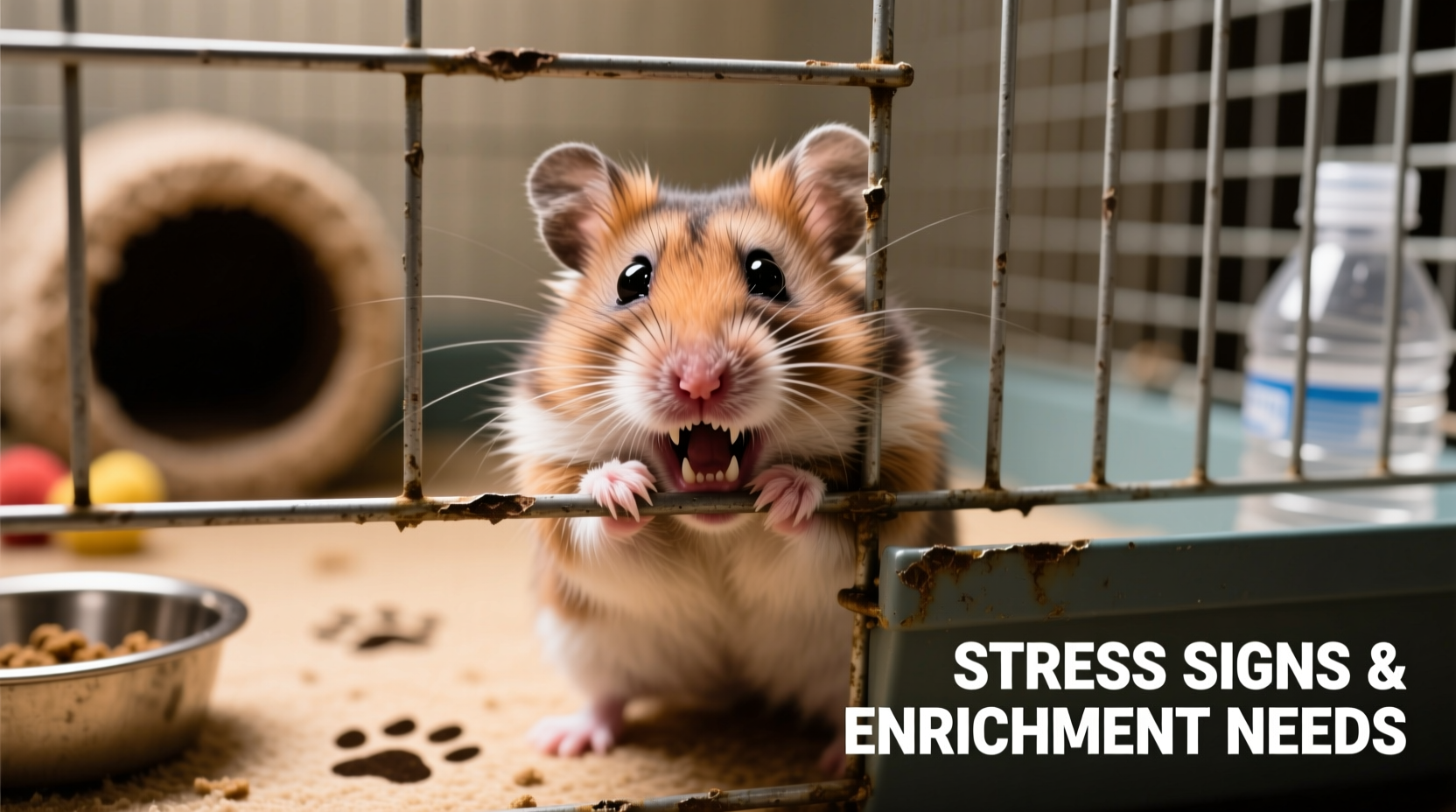
At first glance, bar-biting might seem like a harmless habit, but it’s usually a symptom of deeper issues. Unlike wild rodents that chew wood, bark, or roots, caged hamsters often lack appropriate materials, leading them to target metal or plastic parts of their enclosure. The primary reasons include:
- Dental Maintenance: Hamsters’ incisors grow continuously throughout their lives—about 1–2 mm per week. Chewing helps wear them down. Without suitable chew toys, they resort to cage bars.
- Stress and Anxiety: Overstimulation, loud environments, or perceived threats (e.g., other pets) can trigger repetitive behaviors like bar-gnawing as a coping mechanism.
- Boredom: A hamster’s natural drive to explore, dig, and forage goes unmet in sparse cages. Bar-biting becomes a displacement activity—an outlet for pent-up energy.
- Attention-Seeking: Some hamsters learn that biting the bars elicits a response from their owner, reinforcing the behavior.
- Cage Size and Layout: Small enclosures restrict movement and exploration, increasing frustration. Wire-bottom cages also cause foot discomfort, prompting escape attempts.
Recognizing Stress Signs in Hamsters
Bar-biting doesn’t occur in isolation. It’s typically accompanied by other behavioral and physical cues indicating poor welfare. Recognizing these early can prevent long-term health consequences such as weakened immunity or self-injury.
Common stress indicators include:
- Excessive grooming or barbering (chewing fur)
- Pacing in fixed patterns along cage walls
- Aggression or sudden fearfulness when handled
- Reduced appetite or hoarding food in unusual places
- Lethargy during active hours (nocturnal hamsters should be lively at night)
- Teeth grinding (a sign of pain or anxiety)
- Frequent freezing or hiding with wide eyes
“Repetitive behaviors like bar-chewing are not ‘normal’ hamster habits—they’re stereotypies, which indicate compromised mental health.” — Dr. Lena Torres, Exotic Animal Veterinarian
Stereotypic behaviors develop when animals face chronic stress or environmental monotony. In research settings, such actions are used as welfare assessment markers. If your hamster exhibits multiple signs alongside bar-biting, intervention is essential.
Enrichment Strategies to Reduce Biting and Improve Well-Being
Environmental enrichment is the most effective way to address both the symptoms and root causes of bar-biting. Enrichment involves modifying the habitat to stimulate natural behaviors: digging, burrowing, foraging, climbing, and exploring.
1. Upgrade the Habitat
The standard wire cage with a plastic bottom is outdated and inadequate. Modern guidelines recommend a minimum of 450 square inches of uninterrupted floor space—larger is better. Opt for a glass tank, deep plastic bin, or modular cage system with solid flooring.
2. Deep Bedding for Burrowing
Hamsters in the wild dig tunnels up to several feet deep. Replicate this by providing at least 6–8 inches of safe bedding like paper-based substrate or aspen shavings (avoid cedar or pine, which are toxic).
3. Foraging Opportunities
Hide food throughout the cage instead of using a bowl. Scatter seeds in bedding, tuck pellets into toilet paper rolls, or use puzzle feeders. This mimics natural foraging and reduces idle time.
4. Chew Toys and Destructible Items
Offer a rotation of chewable materials: apple wood sticks, cardboard boxes, loofah slices, and compressed alfalfa blocks. Replace them weekly to maintain interest.
5. Tunnels, Hides, and Climbing Structures
Add multiple hideouts made of ceramic or untreated wood. Include PVC or wooden tunnels and low ramps. Avoid tall structures that could lead to falls.
Tip: Rotate toys and rearrange the cage layout every 7–10 days to maintain novelty and mental stimulation.Do’s and Don’ts of Hamster Care: A Quick Reference Table
| Category | Do’s | Don’ts |
|---|---|---|
| Housing | Use a tank or bin with 450+ sq in floor space and deep bedding | Use wire-bottom cages or cramped enclosures |
| Chew Items | Provide untreated wood, cardboard, hay blocks | Give plastic toys or chemically treated wood |
| Handling | Handle gently at night during active hours | Wake them during the day or grab suddenly |
| Enrichment | Rotate toys, add foraging challenges, build tunnels | Leave the same setup for months |
| Diet | Feed balanced lab block diet with fresh veggies | Over-rely on seed mixes high in fat |
A Real-Life Example: Luna the Syrian Hamster
Luna, a one-year-old Syrian hamster, was brought to a small animal clinic after her owner noticed constant bar-biting and patchy fur loss. She lived in a 200-square-inch wire cage with minimal bedding and a single plastic house. Her diet consisted mostly of sunflower seeds.
The veterinarian assessed her environment and recommended a complete overhaul: transition to a 60-gallon tank, add 8 inches of paper bedding, introduce multiple hides and chew toys, and switch to a pelleted diet with scheduled foraging activities.
Within three weeks, Luna’s bar-biting decreased by over 80%. She began building complex nests, exploring tunnels, and gained weight healthily. Her fur regrew, and she became more confident during handling. This case illustrates how targeted enrichment directly alleviates stress-related behaviors.
Step-by-Step Plan to Stop Bar-Biting
Resolving bar-biting requires a structured approach. Follow this timeline to ensure lasting improvement:
- Day 1–3: Assess and Remove Triggers
Relocate the cage to a quiet, low-traffic area away from noise, direct sunlight, and predators like cats or dogs. Eliminate any plastic toys or unsafe chew items. - Day 4–7: Upgrade Housing and Bedding
Transfer your hamster to a larger, solid-floor enclosure. Add at least 6 inches of dust-free bedding and two hides in separate corners. - Week 2: Introduce Enrichment
Add a cardboard tube, an apple wood stick, and scatter half the daily food in the bedding. Include a simple tunnel system. - Week 3: Monitor Behavior and Adjust
Track frequency of bar-biting. If it persists, increase foraging complexity or add a second wheel (solid-surface type). Ensure the wheel is large enough (8+ inches for Syrians). - Ongoing: Rotate and Refresh
Every 7–10 days, swap out one or two toys, change hide locations, and introduce new scents (e.g., a basil leaf or corn husk).
Frequently Asked Questions
Is bar-biting harmful to my hamster?
Yes. Repeated gnawing on metal bars can misalign teeth, cause enamel damage, or lead to jaw pain. It may also result in sore paws from gripping cold metal. Address it promptly to prevent dental complications.
Can I train my hamster to stop biting the bars?
You can’t “train” the behavior away through commands, but you can extinguish it by removing the cause. Focus on enriching the environment and meeting natural instincts. Positive reinforcement with treats during calm moments can also redirect attention.
Are some hamster breeds more prone to bar-biting?
Syrian and Chinese hamsters, being larger and more active, are more likely to exhibit stress behaviors in inadequate spaces. Dwarf species like Roborovskis also need ample room despite their size. All breeds require proper enrichment.
Final Checklist: Is Your Hamster’s Environment Up to Standard?
- ✅ Cage has at least 450 sq in of floor space (larger preferred)
- ✅ Solid flooring (no wire bottom)
- ✅ At least 6 inches of safe, deep bedding
- ✅ Multiple hides and escape routes
- ✅ Appropriate-sized exercise wheel (8–12 inches diameter)
- ✅ Daily access to safe chew items
- ✅ Food presented through foraging, not just bowls
- ✅ Quiet, stable location with controlled lighting
- ✅ No exposure to drafts, direct heat, or household toxins
- ✅ Regular interaction during natural active hours (evening/night)
Conclusion: From Stress to Thriving
Bar-biting isn’t a behavior to ignore or dismiss as “just what hamsters do.” It’s a clear signal that your pet’s needs aren’t being met. By understanding the role of stress, identifying subtle warning signs, and committing to meaningful enrichment, you can transform your hamster’s life from one of frustration to one of curiosity and contentment. These small animals are capable of rich, complex behaviors when given the right environment. Start today—rearrange the cage, add a tunnel, hide some food, and watch as your hamster engages with the world you’ve built for them.
💬 Have you successfully reduced bar-biting in your hamster? Share your story or tips in the comments—your experience could help another pet owner make a positive change.








