Guinea pigs are among the most expressive small pets, communicating constantly through a variety of vocalizations. Squeaking is one of their primary ways to interact with their environment and express emotions. While occasional squeaks are perfectly normal, persistent or intense squeaking can signal discomfort, fear, or health issues. Understanding the nuances behind these sounds helps owners respond appropriately and ensure their pet’s well-being. This guide breaks down common guinea pig sounds, explains when squeaking is harmless, and highlights red flags that require immediate attention.
Understanding Guinea Pig Vocalizations
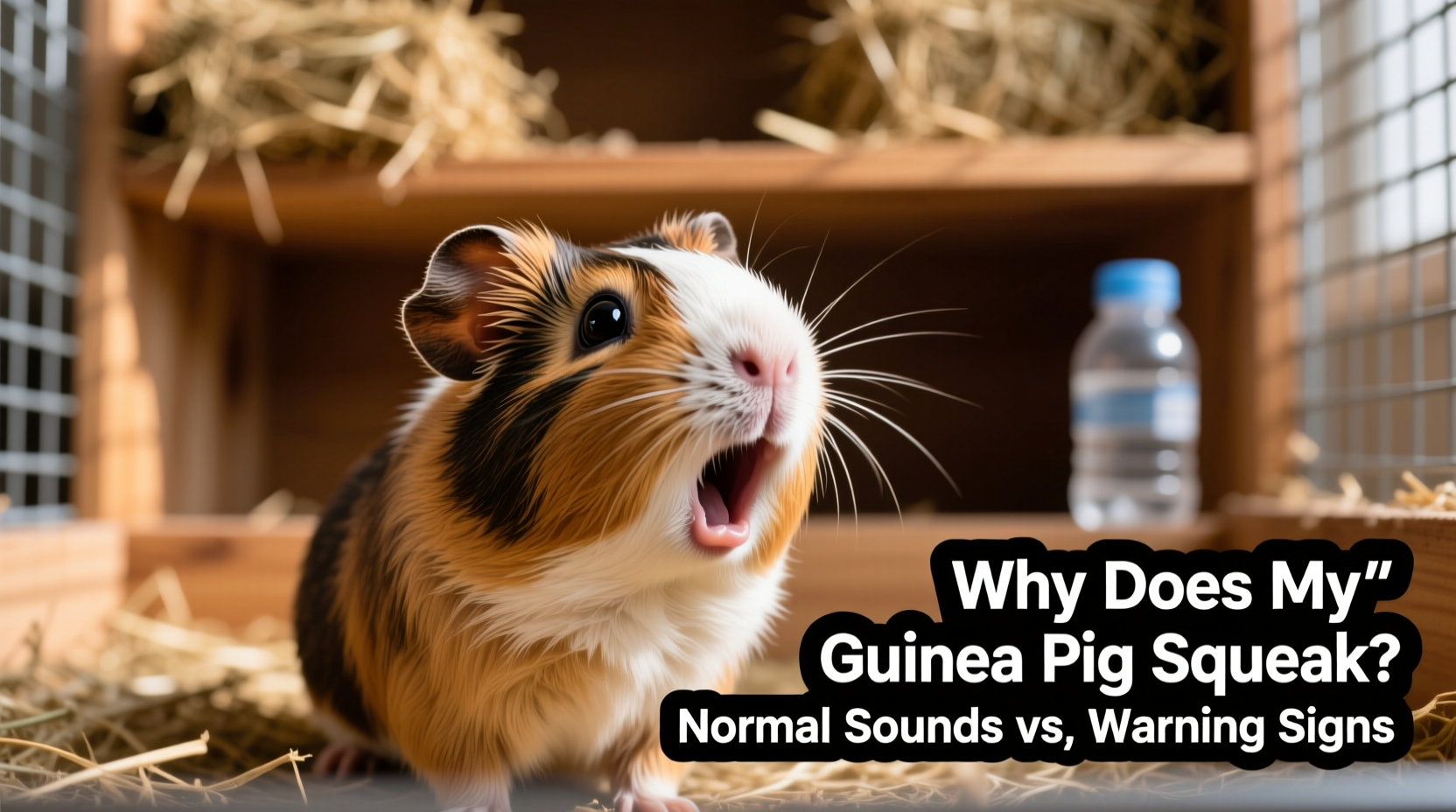
Guinea pigs lack complex language but rely heavily on vocal cues to convey needs, moods, and reactions. Their range of sounds includes purring, chattering, rumbling, whining, and, most notably, squeaking. Each sound has context-specific meanings influenced by body language, environment, and social dynamics.
Squeaking—also known as \"wheeking\"—is typically high-pitched and sharp. It often occurs in anticipation of food, during social interactions, or when startled. The frequency, duration, and accompanying behavior determine whether the sound is benign or concerning.
Experts emphasize that interpreting these noises requires observing the whole picture: posture, movement, cage mates, and recent changes in routine. As Dr. Rebecca McComas, an exotic animal veterinarian, notes:
“Guinea pigs don’t cry like humans, but they scream with sound. A sudden change in vocal patterns is often the first sign of pain or stress.” — Dr. Rebecca McComas, DVM, Exotic Animal Specialist
Common Reasons for Normal Squeaking
Not all squeaks indicate problems. In fact, many are part of healthy, everyday communication. Below are typical scenarios where squeaking is completely normal:
- Feeding anticipation (wheeking): One of the most recognizable sounds, wheeking happens when a guinea pig hears the rustle of a food bag or sees someone approaching with veggies. It’s an excited, repetitive squeal expressing eagerness.
- Social bonding: Gentle back-and-forth squeaks between bonded pairs or groups signify communication, reassurance, or mild disagreement without aggression.
- Mating calls: Males may emit low-pitched squeals or chirps during courtship. Females in heat sometimes respond with soft vocalizations.
- Exploration: When encountering new objects, smells, or environments, guinea pigs may let out short, curious squeaks as they assess safety.
- Attention-seeking: Some guinea pigs learn that squeaking gets human interaction. If you respond every time they make noise, they’ll repeat it deliberately.
Distinguishing Warning Signs from Normal Behavior
The key to responsible pet ownership lies in recognizing deviations from baseline behavior. While occasional loud squeaks are expected, certain characteristics suggest distress:
| Feature | Normal Squeaking | Potential Warning Sign |
|---|---|---|
| Pitch & Volume | Moderate, intermittent | Extremely high-pitched, piercing |
| Frequency | Short bursts, tied to events (e.g., feeding) | Constant or prolonged episodes (>5 minutes) |
| Body Language | Erect ears, relaxed posture | Hunched back, teeth chattering, hiding |
| Trigger | Food, handling, familiar sounds | No obvious cause or minor touch |
| Social Context | Shared with cage mate playfully | Aggressive chasing or fighting |
A single loud squeak when picked up might just mean surprise. But if your guinea pig screams repeatedly when touched near the lower back or hips, this could indicate urinary tract pain or arthritis. Similarly, rapid breathing combined with weak squeaks after minimal activity may point to respiratory infection or heart strain.
Real Example: Bella the Overstimulated Pig
Sarah adopted two female guinea pigs, Luna and Bella. Initially, both wheeked happily at mealtime. But within weeks, Bella began shrieking whenever Sarah cleaned the cage. At first, Sarah assumed she was just excited. However, Bella started avoiding contact, hunching her body, and squealing even when gently stroked.
After consulting a vet, Sarah learned Bella had developed pododermatitis (sore hocks) from rough bedding. The cleaning process involved lifting her slightly, which caused pain. Switching to soft fleece liners and treating the sores resolved the issue. Bella’s vocalizations returned to normal within days.
This case illustrates how seemingly behavioral changes can stem from physical discomfort—and why attentive observation matters.
When Squeaking Indicates Health Problems
Persistent or abnormal squeaking should never be dismissed as mere personality quirks. Several medical conditions manifest through vocal distress:
- Dental disease: Overgrown molars cause chronic pain, leading to whimpering or squeaking while eating. Weight loss and drooling often accompany this.
- Respiratory infections: Labored breathing, nasal discharge, and faint squeaks due to chest tightness are common symptoms.
- Urinary issues: Bladder stones or infections cause straining and sharp cries during urination.
- Gastrointestinal stasis: A silent gut leads to bloating and abdominal pain, resulting in frequent high-pitched squeals.
- Injuries or arthritis: Older guinea pigs may yelp when moving or being handled due to joint degeneration.
If your guinea pig exhibits any of the following, seek veterinary care promptly:
- Squeaking accompanied by lethargy or refusal to eat
- Vocalizing during urination or defecation
- Sudden onset of screaming without clear trigger
- Changes in appetite or water intake alongside increased noise
- Visible swelling, limping, or labored breathing
Step-by-Step Guide to Assessing Excessive Squeaking
If your guinea pig suddenly becomes unusually vocal, follow this structured approach to determine the cause:
- Observe the timing and triggers: Note when the squeaking occurs—is it during feeding, handling, cage cleaning, or randomly?
- Check for visible symptoms: Look for eye/nose discharge, wet fur, diarrhea, hair loss, or limping.
- Review recent changes: Did you introduce new food, bedding, or a cage mate? Environmental shifts can induce stress.
- Monitor eating and pooping: Track pellet consumption and fecal output for 24 hours. Decreased intake suggests illness.
- Perform a gentle physical check: Run fingers along the spine, hips, and jawline. Flinching or crying indicates localized pain.
- Isolate if necessary: If aggression from a cage mate causes fear-based squeaking, temporary separation may be needed.
- Contact an exotic vet: Even if symptoms seem mild, early intervention improves outcomes significantly.
Never attempt home treatments like painkillers or antibiotics unless prescribed. Many human medications are toxic to guinea pigs.
Preventive Care Checklist
Reducing unnecessary squeaking starts with proactive husbandry. Use this checklist to maintain a calm, healthy environment:
- ✅ Provide unlimited hay (timothy or orchard grass) to support digestion and wear down teeth
- ✅ Offer fresh vegetables daily (e.g., bell peppers, romaine) for vitamin C
- ✅ Clean the cage 2–3 times per week with safe, non-toxic cleaners
- ✅ Ensure bedding is soft and absorbent (fleece or paper-based preferred)
- ✅ Maintain stable room temperature (65–75°F / 18–24°C), away from drafts
- ✅ Handle gently and support the entire body when picking up
- ✅ Schedule annual wellness exams with a guinea-savvy veterinarian
- ✅ Introduce new companions slowly and under supervision
Frequently Asked Questions
Why does my guinea pig squeak when I pet him?
Your guinea pig may be expressing excitement, discomfort, or overstimulation. If the squeaking stops once you pause petting and resumes upon restarting, it might enjoy the interaction. However, if the squeaks are sharp or accompanied by attempts to escape, stop immediately—it may feel threatened or sore.
Do guinea pigs squeak when they’re happy?
Yes, but not in the way people might assume. High-pitched wheeking at feeding time reflects anticipation, not joy per se. True contentment is usually quiet: deep purring, slow blinking, or lying stretched out. Loud squeaks generally indicate arousal, not happiness.
How do I know if my guinea pig is in pain?
Painful guinea pigs often become less active, grind their teeth (audible chattering), sit hunched, or vocalize softly and frequently. They may also neglect grooming or stop eating. Any combination of these signs warrants urgent veterinary evaluation.
Conclusion: Listen Closely, Act Wisely
Your guinea pig’s squeaks are more than random noise—they’re meaningful signals rooted in survival instincts and emotional states. By learning to differentiate joyful wheeks from cries of pain, you deepen your bond and enhance your pet’s quality of life. Regular observation, proper diet, and timely vet visits form the foundation of compassionate care.
Don’t wait for symptoms to worsen. If something feels off—even if it’s “just” excessive squeaking—trust your instincts. Early detection saves lives. Start today by spending quiet time near your guinea pig’s enclosure, listening closely, and noting patterns. You’ll soon become fluent in their unique language.
💬 Have a story about your guinea pig’s squeaking—or questions we didn’t cover? Share your experience below and connect with fellow caregivers who understand what it means to listen with love.








