
Guinea pigs are naturally vocal animals, and their range of squeaks, chirps, and purrs serve as a primary method of communication. If you’ve noticed your guinea pig squeaking loudly—especially at high volume or frequency—you’re likely wondering what’s behind the noise. Is it happy? In pain? Demanding attention? Understanding the context, tone, and accompanying behaviors is key to interpreting these sounds correctly. This guide breaks down the most common reasons for loud squeaking in guinea pigs, what each sound typically means, and how you can respond to support your pet’s well-being.
The Language of Squeaks: Decoding Guinea Pig Vocalizations
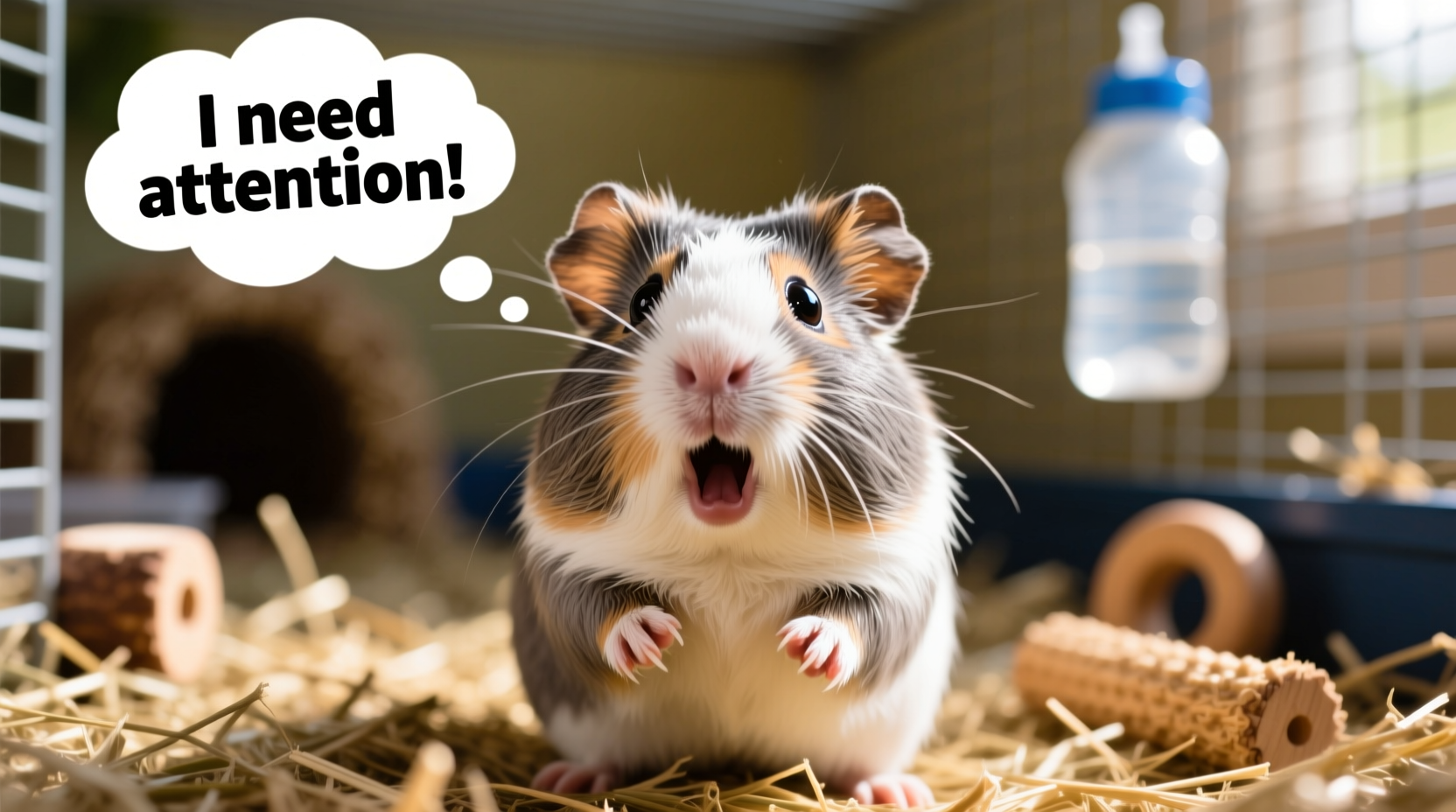
Unlike many small pets, guinea pigs rely heavily on vocal communication. They developed this trait in the wild as social herd animals needing to coordinate with others, signal danger, or express needs. As domesticated companions, they still use these same instinctive sounds—but now directed at their human caregivers.
Loud squeaking, often referred to as “wheeking,” is one of the most recognizable noises. However, not all squeaks are the same. The pitch, duration, repetition, and situation in which the sound occurs provide vital clues about its meaning. Below are the most common types of loud vocalizations and their typical causes:
- Wheeking: A high-pitched, repetitive squeal usually made when anticipating food.
- Purring: A low, rumbling sound that can indicate contentment—or discomfort, depending on context.
- Chutting: A soft, rhythmic clicking noise associated with exploration or mild excitement.
- Teeth chattering: A warning sign indicating fear, stress, or aggression.
- Shrieking: A sudden, piercing cry signaling acute pain or fear.
Of these, loud squeaking—particularly wheeking—is the most frequently observed by owners. While it may seem random, it almost always has a specific trigger.
Tip: Keep a daily log of your guinea pig’s squeaking patterns, noting time, activity, and environment to identify triggers more easily.Common Reasons for Loud Squeaking
1. Hunger or Food Anticipation (Wheeking)
The most frequent cause of loud squeaking is food-related. Guinea pigs quickly learn routines and will begin wheeking when they expect feeding time. This behavior often starts when they hear the rustle of a food bag, see you approaching the cage, or detect the scent of fresh vegetables.
This type of squeak is sharp, repeated rapidly, and lacks signs of distress. The guinea pig may stand on its hind legs, pace the enclosure, or run back and forth along the cage wall. It’s essentially their way of saying, “I know it’s time to eat—where’s my dinner?”
2. Seeking Attention or Interaction
Guinea pigs are social creatures and bond closely with their owners. When they feel ignored or want interaction, they may squeak loudly to get your attention. This is especially common if you’ve been away or haven’t engaged with them in several hours.
In this case, the squeaking is persistent but not frantic. Once you approach, the guinea pig may calm down, nudge your hand, or follow you around the enclosure. Responding positively reinforces trust and strengthens your relationship.
3. Discomfort or Pain
A sudden, sharp, and intense squeak—often described as a shriek—can indicate pain or discomfort. Unlike food-related wheeking, this sound is isolated, piercing, and may be accompanied by freezing in place, limping, or rapid breathing.
Potential causes include injury, urinary tract infections, dental problems, or gastrointestinal issues. Since guinea pigs are prey animals, they tend to hide pain, making vocal expressions particularly significant.
“Any high-pitched, non-repetitive scream from a guinea pig should be taken seriously. These animals rarely vocalize pain, so when they do, it’s a red flag.” — Dr. Rebecca Thompson, DVM, Exotic Animal Specialist
4. Fear or Startling Events
Loud noises, sudden movements, or unfamiliar people or pets nearby can startle a guinea pig into letting out a loud squeal. This is a reflexive response meant to alert other herd members.
If your guinea pig squeaks after a door slams or a dog barks, it will likely retreat to a hiding spot and remain tense. Over time, with consistent positive exposure, many guinea pigs become less reactive to household sounds.
5. Social Communication with Other Guinea Pigs
If you have multiple guinea pigs, loud squeaking often plays a role in social dynamics. One pig may squeak during play, mating behavior, or disputes over space or food. Dominance displays, chasing, and brief skirmishes are normal, but prolonged aggression requires intervention.
For example, a high-pitched squeal during a chase might signal submission, while continuous loud calls could mean one pig feels cornered or stressed.
What Your Guinea Pig Wants: Interpreting the Message
To determine what your guinea pig wants when it squeaks, consider the full behavioral context. Ask yourself:
- Is it feeding time?
- Have I just entered the room?
- Did something loud happen nearby?
- Is the pig acting normally otherwise (eating, moving, grooming)?
- Are there signs of physical discomfort (hunched posture, drooling, lethargy)?
Below is a reference table summarizing common squeaking scenarios and their likely meanings:
| Squeak Type | When It Occurs | Body Language | What It Likely Means |
|---|---|---|---|
| Repetitive wheeking | Before feeding, near food prep area | Standing up, pacing, excited movement | Hunger or food anticipation |
| Single sharp shriek | After sudden noise or handling | Freezing, fleeing, hiding | Fear or pain |
| Intermittent squealing | During interaction with owner | Following hand, nudging cage bars | Desire for attention or play |
| Continuous high-pitch calls | With another guinea pig present | Chasing, teeth chattering, raised fur | Social tension or conflict |
| Soft, rhythmic squeaks | During quiet time or after petting | Relaxed posture, eyes half-closed | Contentment or bonding |
How to Respond: A Step-by-Step Guide
When your guinea pig squeaks loudly, your response should depend on the cause. Follow this timeline to assess and act appropriately:
- Pause and Observe (0–30 seconds): Note the sound’s pattern and your guinea pig’s body language. Is it excited, fearful, or in pain?
- Check the Environment (30–60 seconds): Look for recent changes—noise, new objects, temperature shifts, or presence of other pets.
- Evaluate Health Signs (1–2 minutes): Approach gently. Check for drooling, labored breathing, bloating, or reluctance to move.
- Respond Based on Cause:
- If hungry: Offer a scheduled portion of fresh veggies or hay.
- If seeking attention: Spend 5–10 minutes hand-feeding or gentle petting.
- If startled: Speak softly, avoid sudden movements, and give space.
- If in pain: Minimize handling and contact your vet immediately.
- Monitor Over Next Few Hours: Ensure normal eating, drinking, and bowel movements resume. Persistent vocalization or abnormal behavior warrants veterinary consultation.
Mini Case Study: Luna the Overstimulated Guinea Pig
Luna, a two-year-old female guinea pig, began squeaking loudly every evening around 7 PM. Her owner, Maria, initially thought she was hungry, so she offered extra pellets—but the squeaking continued. Concerned, Maria recorded a video and consulted an exotic vet.
Upon review, the vet noted that the squeaking coincided with the family’s dog barking during evening walks past the window. Luna’s cage was placed directly in front of the glass, exposing her to both sight and sound. Though the dog never approached, Luna perceived it as a threat.
Maria moved the cage to a quieter interior room and added a visual barrier. Within two days, the nightly squeaking stopped. This case highlights how environmental stressors—even seemingly minor ones—can trigger vocal distress in sensitive animals.
Prevention and Long-Term Care Checklist
To minimize unnecessary loud squeaking and ensure your guinea pig feels safe and understood, follow this actionable checklist:
- ✅ Feed at consistent times daily to reduce food-related wheeking.
- ✅ Spend at least 15–20 minutes per day interacting with your guinea pig.
- ✅ House the cage in a quiet, draft-free area away from loud appliances or foot traffic.
- ✅ Provide hiding spots and tunnels to reduce anxiety.
- ✅ Monitor for changes in vocal patterns—new or increased squeaking may signal health issues.
- ✅ Schedule annual checkups with an exotic veterinarian.
- ✅ Introduce new foods, toys, or cage mates gradually to prevent stress.
Frequently Asked Questions
Why does my guinea pig squeak when I pet it?
Your guinea pig may squeak during petting for several reasons. If the sound is soft and intermittent, it could be a sign of enjoyment—similar to a cat’s purr. However, if the squeak is sharp or the pig pulls away, it may be overstimulated or uncomfortable. Pay attention to body cues: relaxed ears and closed eyes suggest pleasure; flattened ears or jerking movements indicate discomfort.
Is it normal for guinea pigs to squeak at night?
Guinea pigs are crepuscular, meaning they’re most active at dawn and dusk. Occasional nighttime squeaking is normal, especially if they’re communicating with a cage mate or reacting to household sounds. However, frequent or distressed vocalizations at night may point to hunger, loneliness, or environmental stress and should be investigated.
Can loud squeaking be a sign of illness?
Yes. While most squeaking is benign, a sudden onset of high-pitched, pained shrieks—especially without an obvious trigger—can indicate illness. Conditions like bladder stones, respiratory infections, or dental malocclusion often cause pain that manifests through vocalization. If squeaking is accompanied by appetite loss, lethargy, or abnormal feces, seek veterinary care promptly.
Conclusion: Listening with Empathy
Your guinea pig’s squeak is more than just noise—it’s a message. Whether it’s a cheerful wheek for dinner or a distressed cry for help, each sound offers insight into your pet’s emotional and physical state. By learning to interpret these vocalizations within their full context, you deepen your bond and provide more responsive, compassionate care.
Start today by observing your guinea pig’s sounds with intention. Note patterns, respond with patience, and create an environment where communication flows freely. When you truly listen, even the loudest squeak becomes a meaningful conversation.
💬 Have a story about your guinea pig’s unique squeaks? Share your experience in the comments and help fellow owners understand these charming, chatty companions better!








