
Aquarium owners often wake up to a startling sight: their once-clear fish tank has turned milky or cloudy overnight. This sudden change can be alarming, especially for new hobbyists who assume they’ve made a critical mistake. The truth is, cloudy water is a common issue rooted in biological, chemical, and maintenance factors. While it may look unappealing, understanding the causes—and implementing a proper water change schedule—can restore clarity and ensure long-term tank health.
Cloudiness isn’t just an aesthetic problem; it can signal imbalances in your aquarium’s ecosystem. Left unchecked, it may lead to poor oxygen levels, stressed fish, and even disease outbreaks. The good news is that most causes are preventable and fixable with consistent care and informed practices.
Understanding the Causes of Cloudy Water Overnight
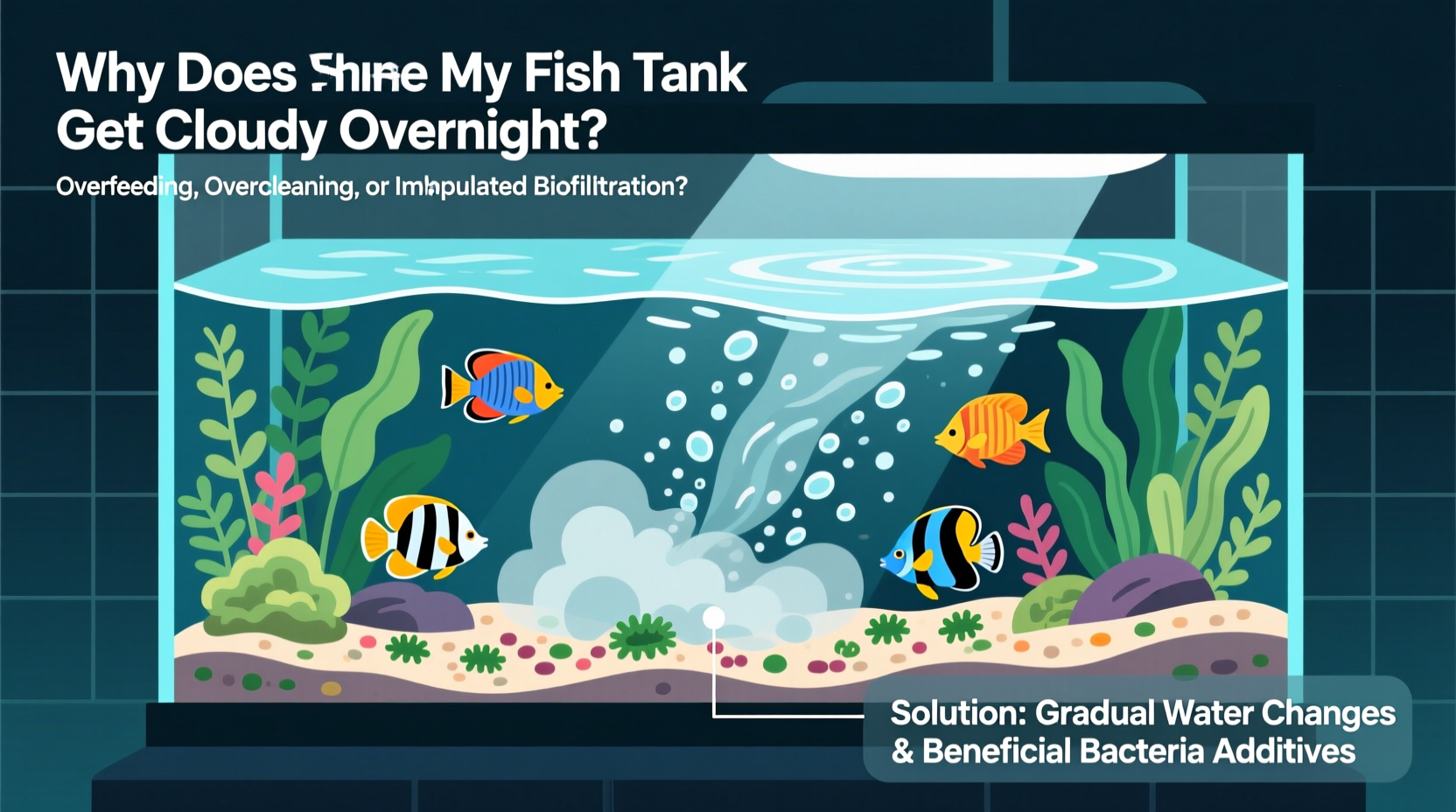
Cloudy aquarium water typically falls into three categories: bacterial bloom, particulate suspension, and algae overgrowth. Each has distinct triggers and timelines, but all can appear seemingly overnight after a disturbance in tank conditions.
Bacterial Bloom: The Most Common Culprit
The sudden onset of white or grayish cloudiness is usually due to a bacterial bloom. These blooms occur when heterotrophic bacteria multiply rapidly in response to excess organic material such as fish waste, uneaten food, or decaying plant matter. They thrive during the nitrogen cycle, especially in new tanks where beneficial bacteria colonies haven't yet stabilized.
When you perform a large water change or clean the filter aggressively, you may inadvertently remove key populations of nitrifying bacteria. This imbalance allows fast-growing opportunistic bacteria to flourish, consuming nutrients and clouding the water within hours.
Suspended Particles from Substrate or Decor
Mechanical cloudiness occurs when fine particles like sand, dust from decorations, or dislodged biofilm enter the water column. This type of cloudiness often happens right after setup, cleaning, or rearranging the tank. Unlike bacterial blooms, this cloud appears immediately after physical disturbance and may settle within 24–48 hours if filtration is adequate.
Algae Blooms: Green-Tinted Water
If the water turns green and hazy, the cause is likely a microscopic algae bloom. Algae spores are always present in trace amounts but explode under ideal conditions: high light exposure, excess nutrients (nitrates and phosphates), and infrequent water changes. These blooms can develop quickly, especially in tanks exposed to direct sunlight or left without maintenance for more than a week.
Tip: Avoid changing more than 50% of your tank’s water at once unless absolutely necessary—doing so risks disrupting the microbial balance and triggering bacterial cloudiness.The Role of Water Changes in Preventing and Resolving Cloudiness
Water changes are essential for diluting pollutants, replenishing minerals, and stabilizing pH and hardness. However, improper scheduling or technique can contribute to—or worsen—cloudy water.
Inconsistent water changes allow dissolved organics and nutrients to accumulate. When these are suddenly disturbed (e.g., by gravel vacuuming), they fuel bacterial growth. Conversely, overly aggressive water changes in immature tanks can crash the developing biofilter, leading to temporary spikes in ammonia and secondary bacterial blooms.
The goal is consistency—not frequency alone. A well-timed, moderate water change supports biological stability while removing the compounds that feed unwanted microbes.
How Often Should You Change the Water?
The ideal water change schedule depends on several factors: tank size, bioload (number and size of fish), feeding habits, filtration capacity, and presence of live plants. That said, general guidelines apply across most setups:
- Small tanks (under 10 gallons): 25–30% weekly. High surface-to-volume ratio makes them prone to rapid parameter shifts.
- Medium tanks (10–30 gallons): 20–25% every 7–10 days.
- Large tanks (over 30 gallons): 15–20% every 10–14 days, assuming stable bioload and efficient filtration.
Tanks with heavy stocking (e.g., multiple goldfish or cichlids) may require twice-weekly changes. Heavily planted tanks, on the other hand, often need less frequent changes due to natural nutrient uptake by plants.
“Consistency trumps volume. Regular small water changes do more for water quality than occasional massive ones.” — Dr. Amy Lin, Aquatic Biologist and Aquarium Consultant
Step-by-Step Guide to a Proper Water Change Routine
Following a structured approach minimizes stress on both fish and beneficial bacteria. Here’s how to execute a water change that maintains clarity and balance:
- Prepare replacement water: Use dechlorinated tap water or pre-conditioned water matched to your tank’s temperature (within ±2°F). Let it sit for 15 minutes if using liquid conditioner.
- Turn off equipment: Unplug heaters and filters to prevent damage during low water levels.
- Siphon debris: Use a gravel vacuum to stir substrate gently and extract waste from the bottom. Focus on high-deposit areas but avoid deep stirring that releases trapped gases.
- Remove old water: Extract the planned volume (e.g., 25%) slowly to avoid disturbing fish or creating strong currents.
- Clean viewing areas: Wipe algae from glass with a magnetic or pad cleaner, staying outside the water column to reduce particle dispersion.
- Add new water: Pour replacement water onto a plate or saucer placed above the substrate to prevent erosion and minimize turbulence.
- Restart equipment: Plug in heater and filter. Check flow rate and ensure no airlocks have formed.
- Monitor for 24 hours: Watch for signs of stress, cloudiness, or parameter fluctuations using test kits.
This routine, performed consistently, prevents nutrient buildup and supports a resilient microbiome.
Do’s and Don’ts of Managing Cloudy Water
| Do | Don’t |
|---|---|
| Test water parameters (ammonia, nitrite, nitrate, pH) regularly | Perform full water changes unless treating severe contamination |
| Vacuum substrate during each water change | Clean filter media under tap water (chlorine kills beneficial bacteria) |
| Feed only what fish consume in 2–3 minutes | Overstock the tank beyond filtration capacity |
| Use bacterial supplements after medication or filter cleaning | Ignore early signs of cloudiness or odor |
| Keep lights on 6–8 hours daily unless growing plants | Place the tank in direct sunlight |
Real Example: Recovering a Newly Cycled Tank
Jessica set up a 20-gallon freshwater community tank with tetras, Corydoras, and live plants. After two weeks, the tank appeared clear and stable. Encouraged, she performed a 50% water change and scrubbed the filter sponges under tap water. The next morning, the water was opaque and milky.
She tested the water: ammonia was undetectable, nitrite was 0.5 ppm, and nitrate was slightly elevated. Recognizing signs of a bacterial bloom due to biofilter disruption, she took corrective steps. She stopped further water changes for a week, added a commercial nitrifying bacteria starter, reduced feeding, and ran activated carbon in the filter to clarify the water.
Within five days, clarity returned. Moving forward, Jessica switched to 20% weekly water changes and rinsed her filter media only in removed tank water. Her tank remained stable for months afterward.
This case illustrates how well-intentioned maintenance can backfire without proper timing and method. Recovery required patience and targeted intervention—not more cleaning.
Checklist: Preventing and Fixing Cloudy Aquarium Water
- ✅ Test water weekly for ammonia, nitrite, nitrate, and pH
- ✅ Stick to a consistent water change schedule (10–30%, based on tank size)
- ✅ Clean filter media in used tank water, never tap water
- ✅ Remove visible debris and uneaten food promptly
- ✅ Limit lighting to 6–8 hours per day
- ✅ Avoid overcrowding; follow the “one inch of fish per gallon” guideline cautiously
- ✅ Use bacterial inoculant after major maintenance or medication
- ✅ Keep a log of water changes, feeding, and observations
Frequently Asked Questions
Is cloudy water dangerous for fish?
Not directly, but persistent cloudiness often indicates underlying issues like high ammonia or bacterial imbalance, which can stress or harm fish over time. If fish show signs of distress (gasping, lethargy), test water immediately and take corrective action.
Can I use a UV sterilizer to clear cloudy water?
Yes, UV sterilizers are effective against free-floating algae and some bacteria. They work best as a supplement to proper maintenance, not a substitute. Run the unit for 3–7 days during a green water bloom, but continue regular water changes and nutrient control.
Why does my tank get cloudy after every water change?
This usually means you’re either changing too much water at once, disturbing the substrate too aggressively, or cleaning the filter improperly. Reduce change volume to 20–25%, use gentle siphoning, and rinse filter media only in old tank water to preserve beneficial bacteria.
Conclusion: Clarity Through Consistency
Cloudy water in your fish tank overnight is rarely a disaster—it’s a signal. Whether caused by bacteria, particles, or algae, the solution lies in understanding your aquarium’s ecosystem and maintaining balance through thoughtful routines. A smart water change schedule isn’t about doing more; it’s about doing the right things consistently.
By testing water, feeding responsibly, cleaning mindfully, and respecting the invisible world of beneficial microbes, you create an environment where clarity isn’t just possible—it’s sustainable. Your fish will thrive, your view will stay pristine, and your confidence as an aquarist will grow.
💬 Have a story about fixing a cloudy tank? Share your experience below. Your insight could help another hobbyist turn murky water into a masterpiece.








