
Ferrets are endlessly entertaining pets, known for their playful antics, curious nature, and sometimes baffling behaviors. One of the most startling moments for new ferret owners is when their pet suddenly goes limp, rolls onto its side, and appears lifeless—only to spring back to action seconds later. This phenomenon, commonly referred to as “playing dead,” can be alarming at first glance. But what exactly is happening? Is your ferret unwell, stressed, or simply acting out a natural instinct? Understanding this behavior requires insight into ferret biology, social dynamics, and evolutionary history.
Unlike more predictable pets like cats or dogs, ferrets exhibit a wide range of idiosyncratic behaviors rooted in their wild ancestry. As descendants of the European polecat, ferrets retain many survival mechanisms that may seem odd in a domestic setting. “Playing dead” is one such behavior, often misunderstood by owners who mistake it for illness or distress. In reality, it’s typically a response to overstimulation, fear, or even part of social communication among ferrets. With proper context, this peculiar act becomes less mysterious and more a testament to the complexity of ferret psychology.
The Science Behind the Behavior: Thanatosis Explained
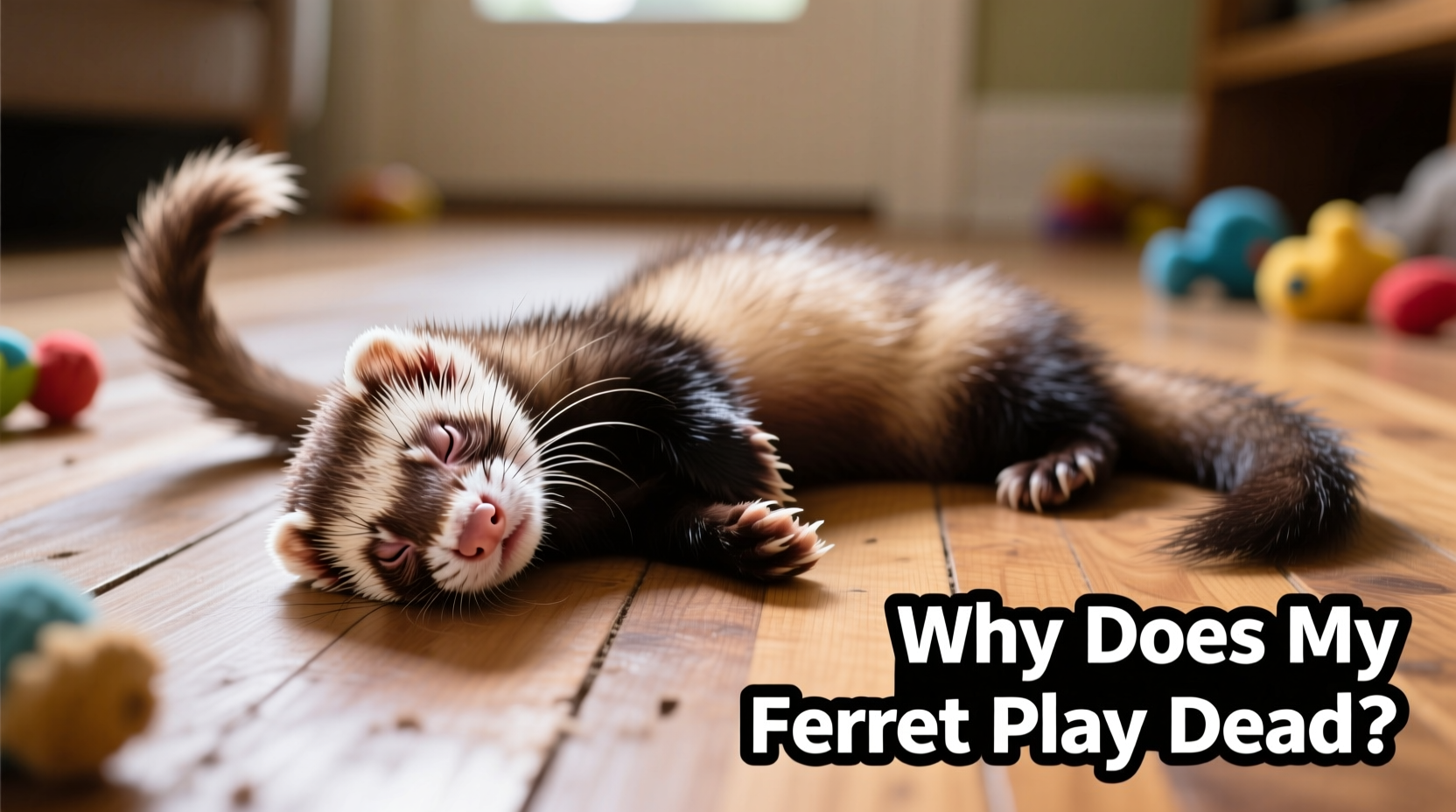
The act of “playing dead” has a scientific term: thanatosis. Also known as tonic immobility or apparent death, thanatosis is a defense mechanism observed across various animal species—from rabbits and opossums to certain reptiles and insects. When threatened, these animals enter a temporary state of paralysis, reducing movement and slowing breathing to convince predators they are already dead and therefore unappetizing.
In ferrets, this response is not as common as in some other prey animals but still occurs under specific conditions. While ferrets are both predator and prey in the wild (they hunt small rodents but are vulnerable to larger birds and mammals), their nervous system retains sensitivity to sudden stimuli. A loud noise, aggressive handling, or an unexpected confrontation with another pet can trigger a stress-induced freeze response. During this state:
- Muscles relax completely, causing the body to go limp.
- Breathing slows significantly, making it difficult to detect.
- Eyes may remain open or partially closed, adding to the illusion of death.
- The ferret does not respond to touch or sound during the episode.
These episodes usually last between 10 seconds and 2 minutes before the ferret abruptly shakes off the state and resumes normal activity. Importantly, thanatosis is involuntary—it’s not a conscious choice, nor is it a learned trick. It's a hardwired reflex controlled by the autonomic nervous system, much like the human startle response.
“Tonic immobility in ferrets is a rare but documented stress response. It’s essential not to confuse it with seizures or shock. The key differentiator is the rapid recovery without disorientation.” — Dr. Lena Torres, Exotic Animal Behavior Specialist
Common Triggers of the ‘Play Dead’ Response
While thanatosis itself is a physiological reaction, certain environmental and social factors increase the likelihood of it occurring. Recognizing these triggers helps owners prevent unnecessary stress and create a safer environment for their pets.
Overstimulation and Rough Play
Ferrets thrive on interaction, but too much excitement—especially from children or overly enthusiastic pets—can overwhelm them. Chasing games, loud environments, or being picked up abruptly may push a sensitive ferret past its threshold, leading to shutdown via thanatosis. This is particularly common in young ferrets still learning social boundaries.
Pain or Discomfort
If a ferret experiences sudden pain—such as stepping on a sore paw, receiving an accidental squeeze, or having an underlying health issue—the body may react defensively. Though not always the case, any instance of playing dead should prompt a quick physical check for injuries or signs of illness.
Fear of Predators or Dominant Animals
Even in homes without actual predators, ferrets can perceive dogs, cats, or even large birds as threats. A sudden lunge, bark, or stare from another household pet may trigger a fear-based immobilization response. Similarly, dominant ferrets in multi-ferret households may intimidate others into submission, occasionally eliciting a passive “play dead” posture as a non-confrontational signal.
Handling Stress
Some ferrets are naturally more anxious about being held. Improper handling—such as grabbing from above (mimicking a bird of prey) or restraining too tightly—can provoke intense fear. Gentle, supportive handling from beneath the chest reduces this risk significantly.
Tip: Always pick up your ferret by supporting their chest and hindquarters from below, never from above. This mimics safe contact and reduces fear.Is It Normal? Differentiating Between Playful Submission and True Thanatosis
Not every instance of a ferret going limp is true thanatosis. Ferrets also use submissive postures during social interactions, especially among littermates or bonded pairs. These behaviors can resemble playing dead but serve a different purpose.
| Behavior Type | Duration | Physical Signs | Context |
|---|---|---|---|
| True Thanatosis | 10 sec – 2 min | Limp body, shallow breathing, unresponsiveness | Sudden stress, fear, pain |
| Submissive Posture | Seconds, intermittent | Lying on side, may blink slowly, responsive to voice | During play, after being pinned, social bonding |
| Sleeping or Deep Relaxation | Minutes to hours | Curled up, twitching whiskers, occasional snoring | Resting area, quiet time |
For example, during roughhousing, one ferret may roll onto its back after being pinned, exposing its belly. This is not fear—it’s a signal saying, “I yield, no more fighting.” The ferret remains alert, ears flicker, and it may quickly jump back into play. This is entirely normal and part of healthy social development.
When to Be Concerned: Red Flags Beyond Normal Behavior
While occasional thanatosis is generally harmless, repeated episodes or abnormal symptoms warrant veterinary attention. The following signs indicate that the behavior may stem from medical issues rather than instinctual responses:
- Frequent occurrences without clear triggers
- Loss of bladder or bowel control during the episode
- Seizure-like movements such as twitching, paddling, or drooling
- Disorientation after waking, including stumbling or inability to focus
- Excessive sleeping or lethargy outside of normal rest periods
Conditions such as insulinoma (a common ferret tumor affecting blood sugar), adrenal disease, or neurological disorders can mimic or exacerbate tonic immobility. Low blood glucose, in particular, can cause sudden weakness and collapse that resembles playing dead. If you notice any of these warning signs, schedule an appointment with an exotic veterinarian promptly.
Mini Case Study: Milo the Overstimulated Ferret
Milo, a 1-year-old male ferret, began “playing dead” during family gatherings. His owners initially thought he was joking until it happened three times in one evening—each time after a child picked him up suddenly. A vet ruled out medical causes, and behavioral observation confirmed the pattern: loud voices + abrupt handling = immediate shutdown.
After implementing gentle handling rules and creating a quiet retreat space, Milo’s episodes stopped entirely within two weeks. His owners now allow supervised interactions only, and Milo shows no signs of stress during visits. This case illustrates how environmental adjustments can resolve seemingly bizarre behaviors without medication or intervention.
How to Prevent and Manage the Behavior
Preventing unwanted thanatosis isn’t about stopping the behavior itself—since it’s involuntary—but about minimizing the conditions that trigger it. A calm, predictable environment goes a long way in helping ferrets feel secure.
Step-by-Step Guide to Reducing Stress Triggers
- Observe and identify patterns: Keep a short log noting when and where the behavior occurs. Include details like noise level, presence of other pets, and recent activities.
- Modify handling techniques: Always approach from the front, speak softly, and lift gently using both hands under the body.
- Create safe zones: Provide multiple hideouts, tunnels, and elevated beds where your ferret can retreat when overwhelmed.
- Limit exposure to stressors: Separate your ferret during chaotic events (e.g., parties, vacuuming) if they show signs of anxiety.
- Encourage positive associations: Use treats and soft praise to reinforce calm interactions, especially after stressful incidents.
Checklist: Ferret-Friendly Environment Essentials
- ✅ Multiple hiding spots (tunnels, hammocks, boxes)
- ✅ Quiet room for rest away from high-traffic areas
- ✅ Consistent daily routine (feeding, playtime, sleep)
- ✅ Supervised interaction with children and other pets
- ✅ Regular health checks (every 6 months with an exotics vet)
- ✅ Enrichment toys to prevent boredom-related stress
Frequently Asked Questions
Is it harmful for my ferret to play dead?
No, isolated episodes of thanatosis are not physically harmful. The body automatically recovers once the perceived threat passes. However, frequent occurrences suggest chronic stress or an underlying health problem and should be evaluated.
Can I train my ferret not to play dead?
You cannot train away an involuntary reflex. However, you can reduce its frequency by eliminating stressors, improving handling practices, and ensuring your ferret feels safe in its environment.
Do all ferrets do this?
No. Some ferrets never exhibit thanatosis, while others may do so once or twice in their lifetime. Personality, early socialization, and individual temperament influence susceptibility.
Conclusion: Embracing the Quirks of Ferret Behavior
Ferrets are complex creatures whose behaviors often reflect ancient instincts adapted to modern life. What might look like a dramatic performance is frequently a deeply ingrained survival tactic—a silent plea for safety in a world full of unpredictable stimuli. By understanding why your ferret plays dead, you gain not just peace of mind, but a deeper connection with your pet.
Responsible ownership means observing closely, responding with empathy, and creating an environment where natural behaviors can unfold without fear. Whether it’s adjusting how you pick them up or simply giving them space when needed, small changes make a big difference.
💬 Have a story about your ferret playing dead? Share your experience in the comments—your insight could help another owner understand their furry friend better.








